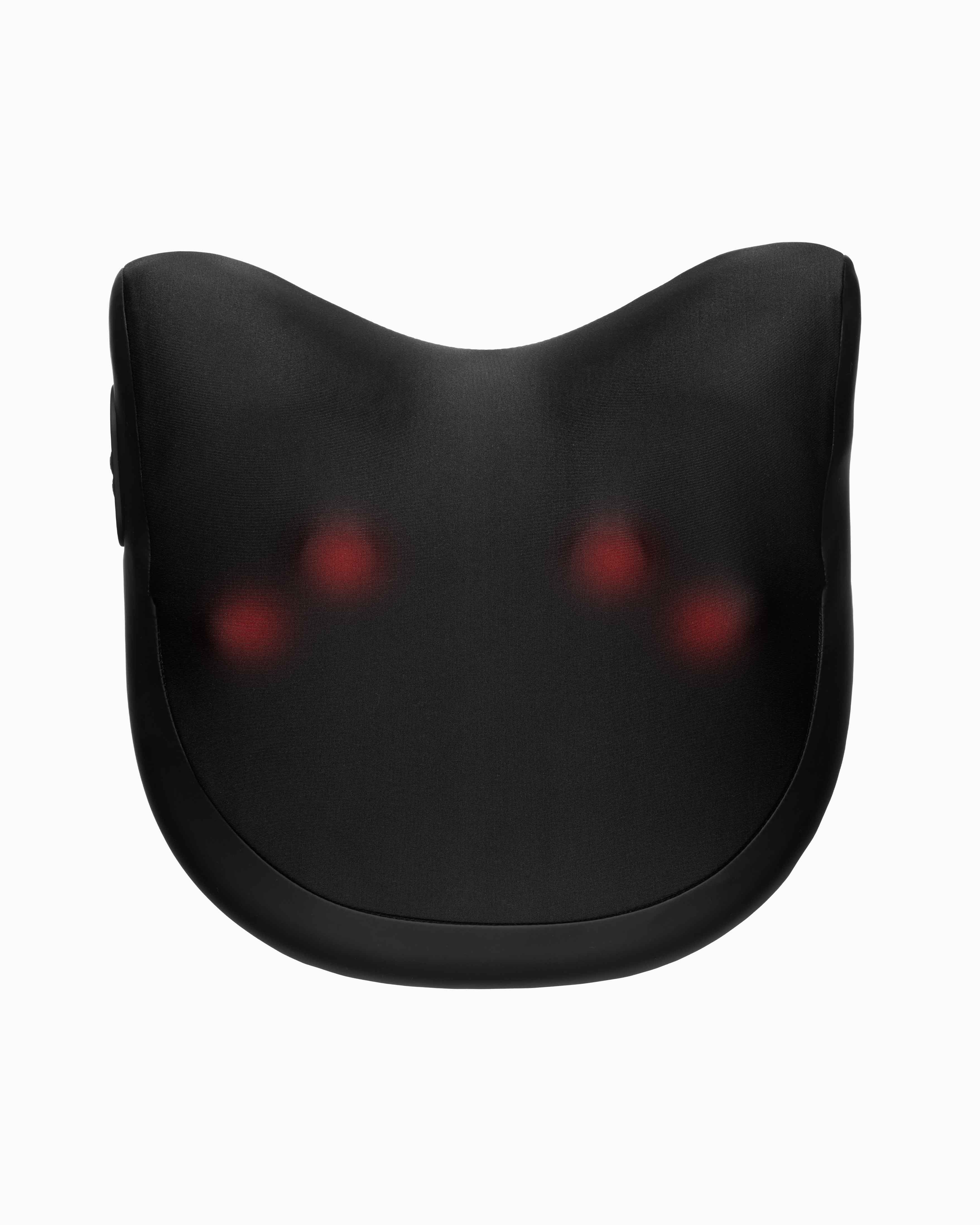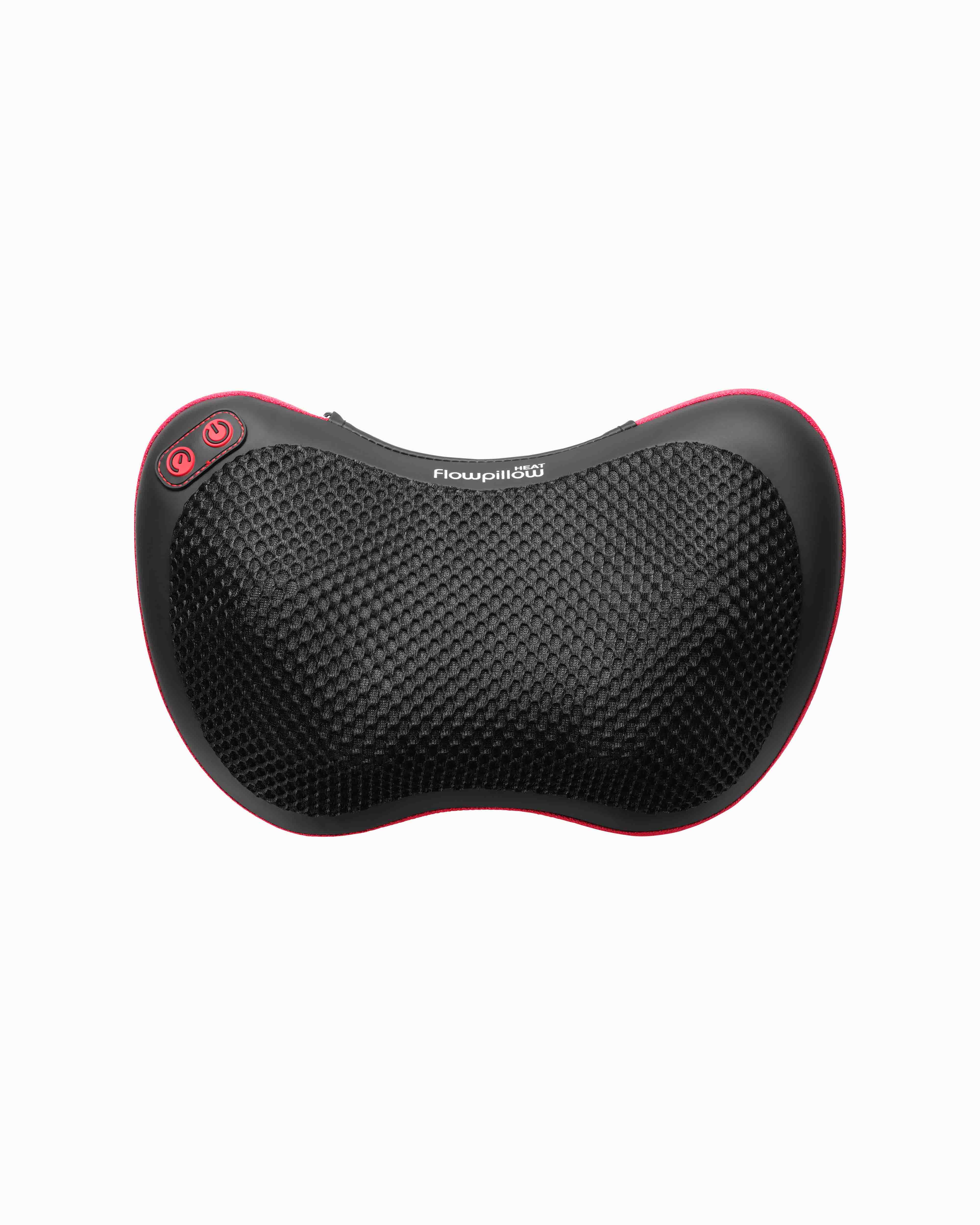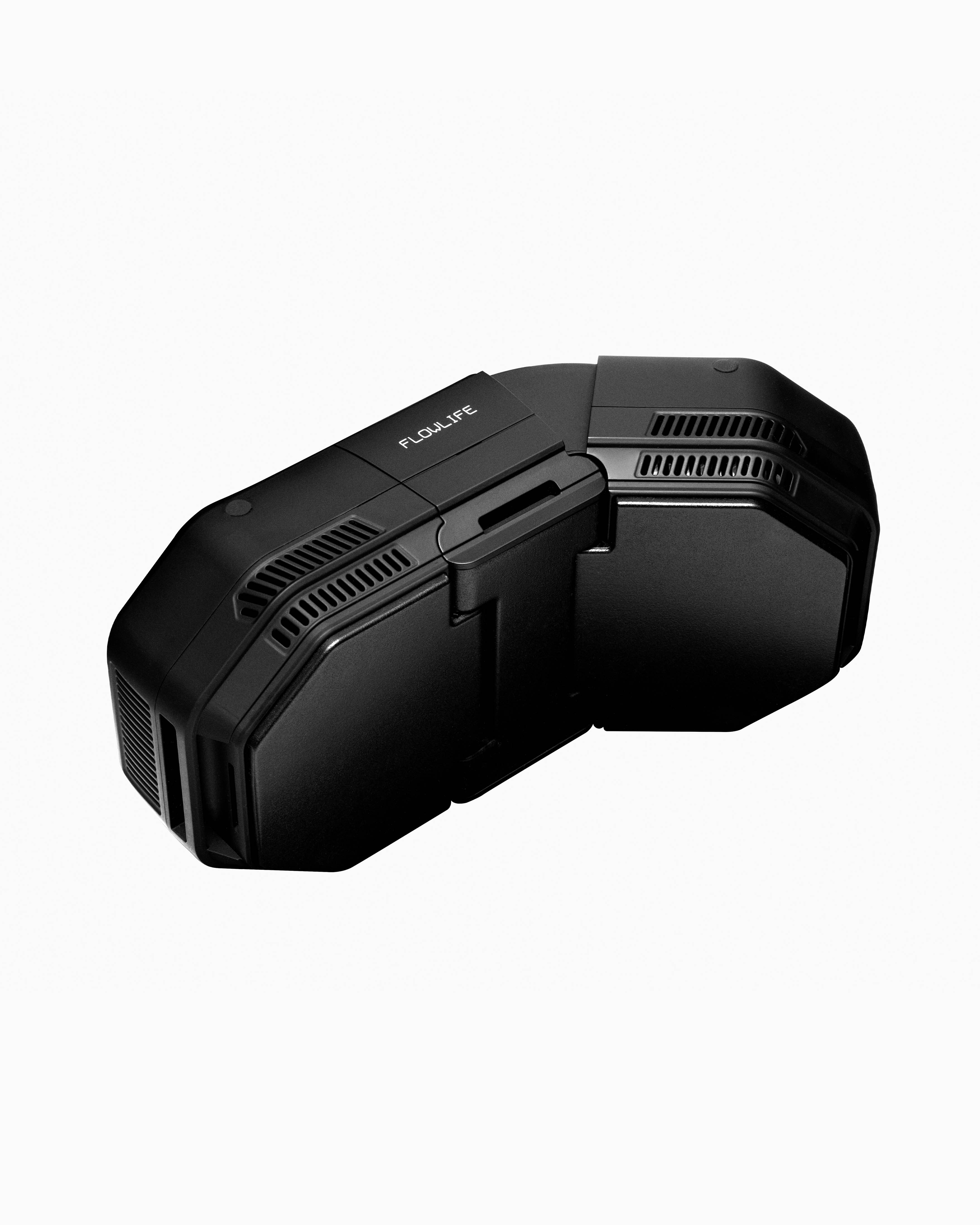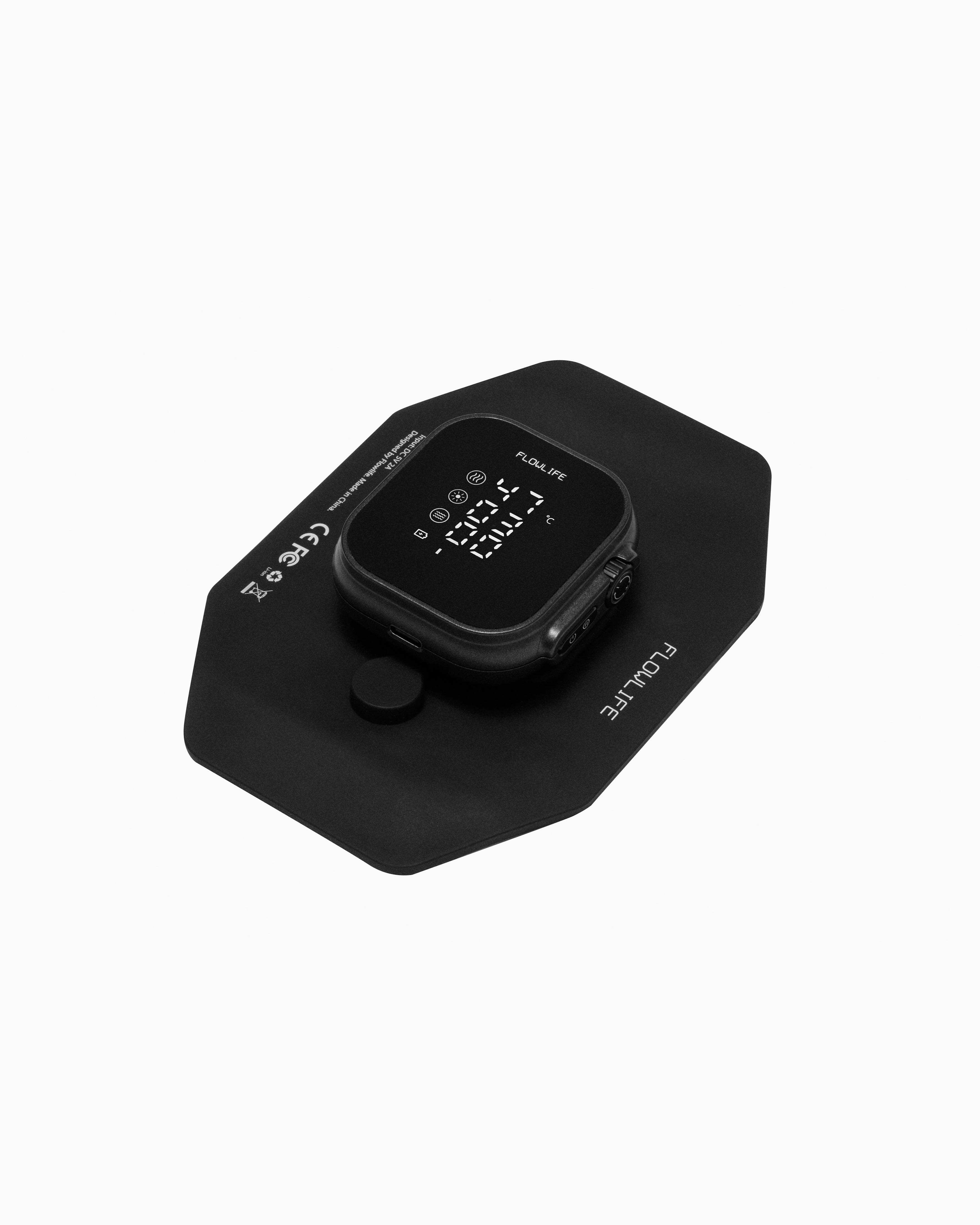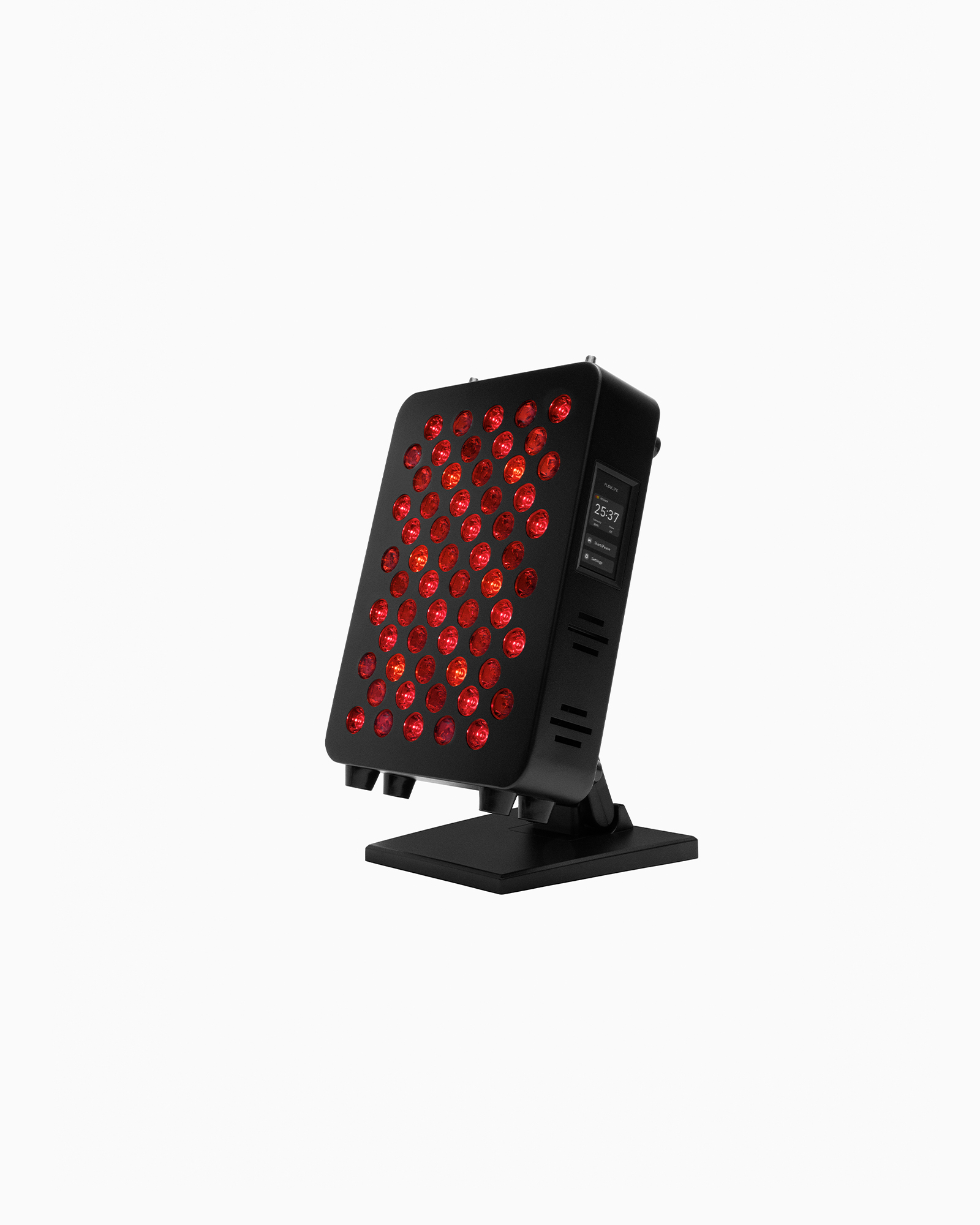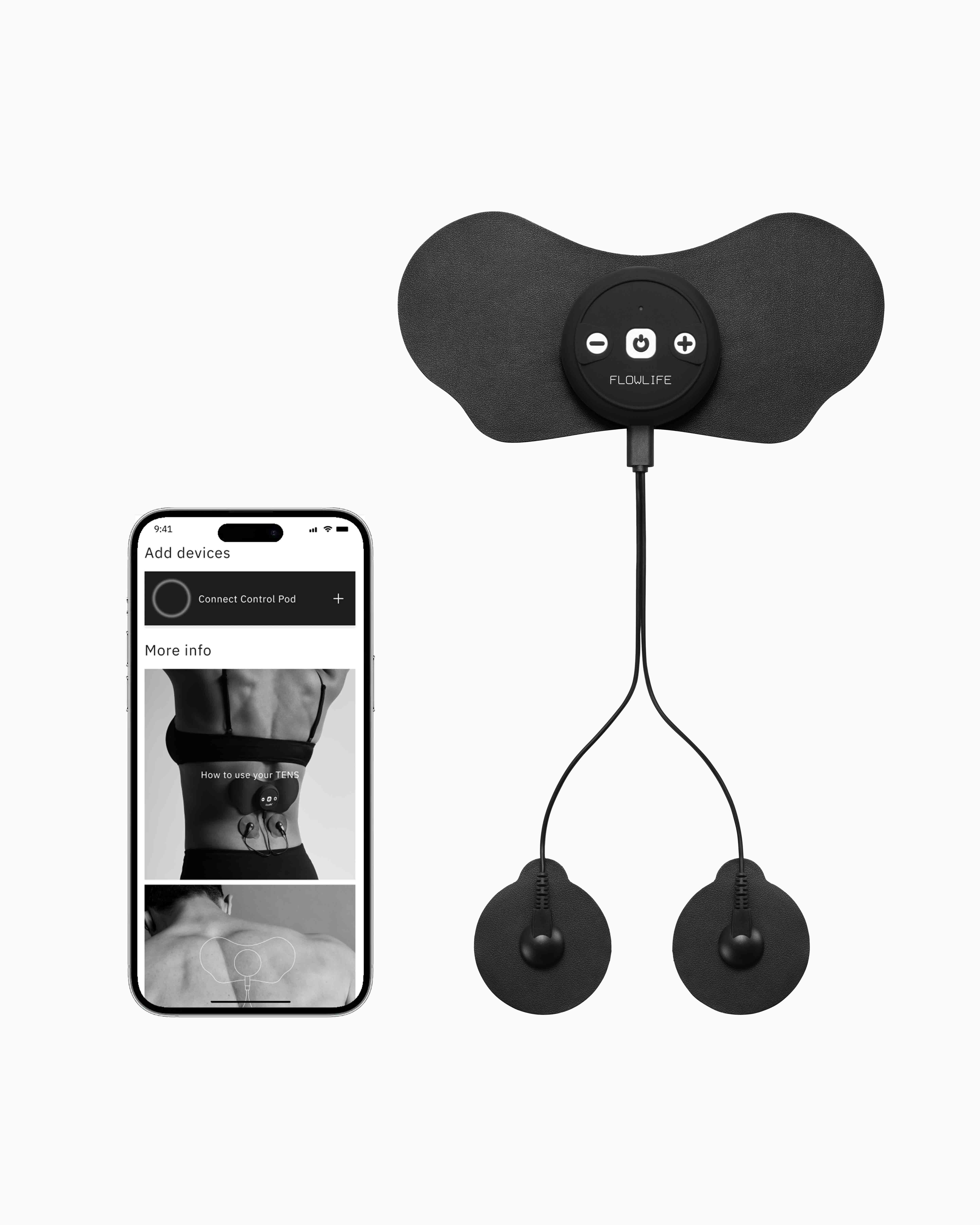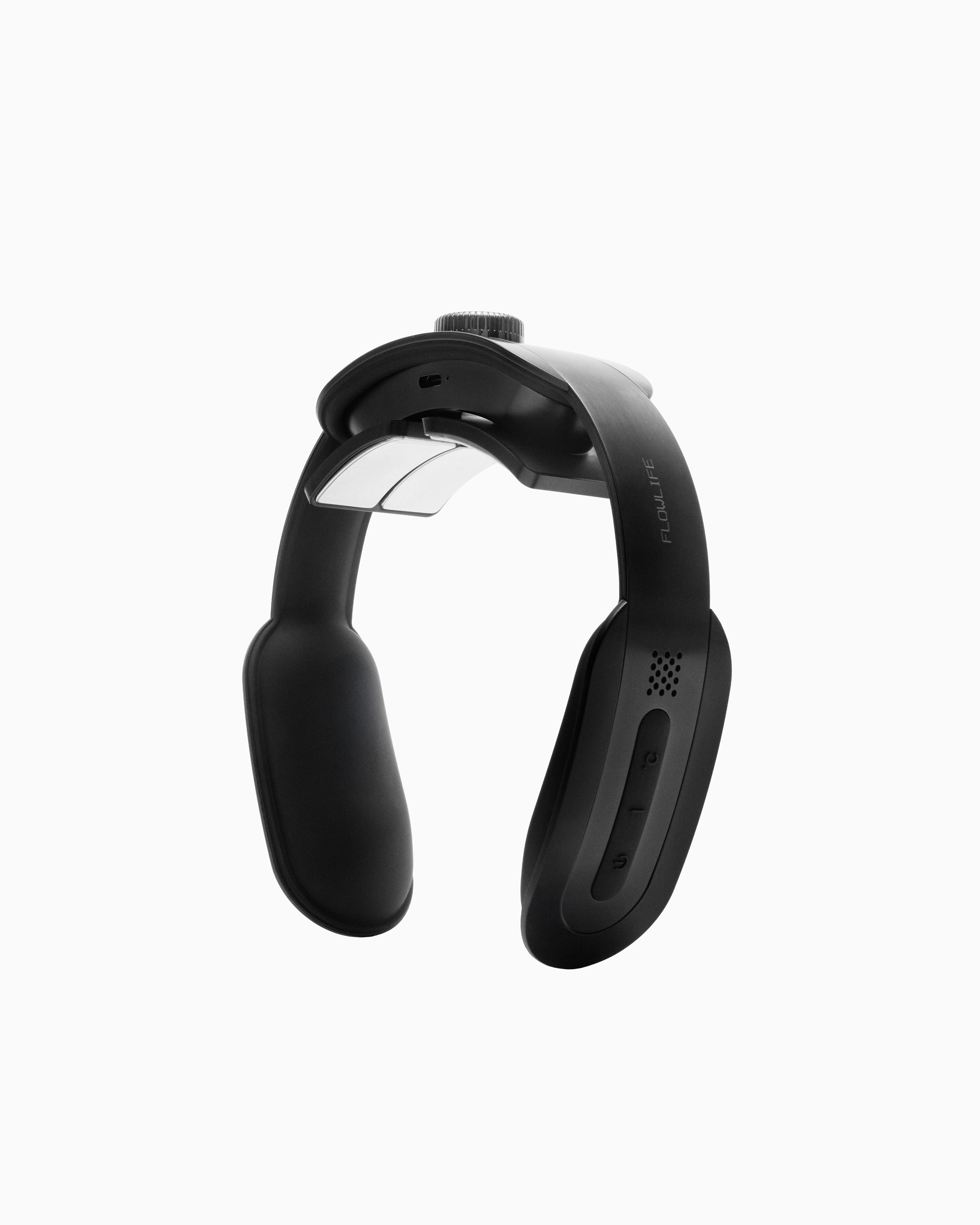
Flowtens Neck
TENS UnitsBestseller
119 EUR

Pain & Common Problems
Neck pain is among the most common complaints in both active and sedentary people, driven by screen time, training loads, and the cumulative tension that builds when the neck never fully rests. Most neck pain responds well to targeted recovery, but the approach matters. The conditions below cover the most frequent causes of neck pain, what is happening in the tissue, and what actually helps.
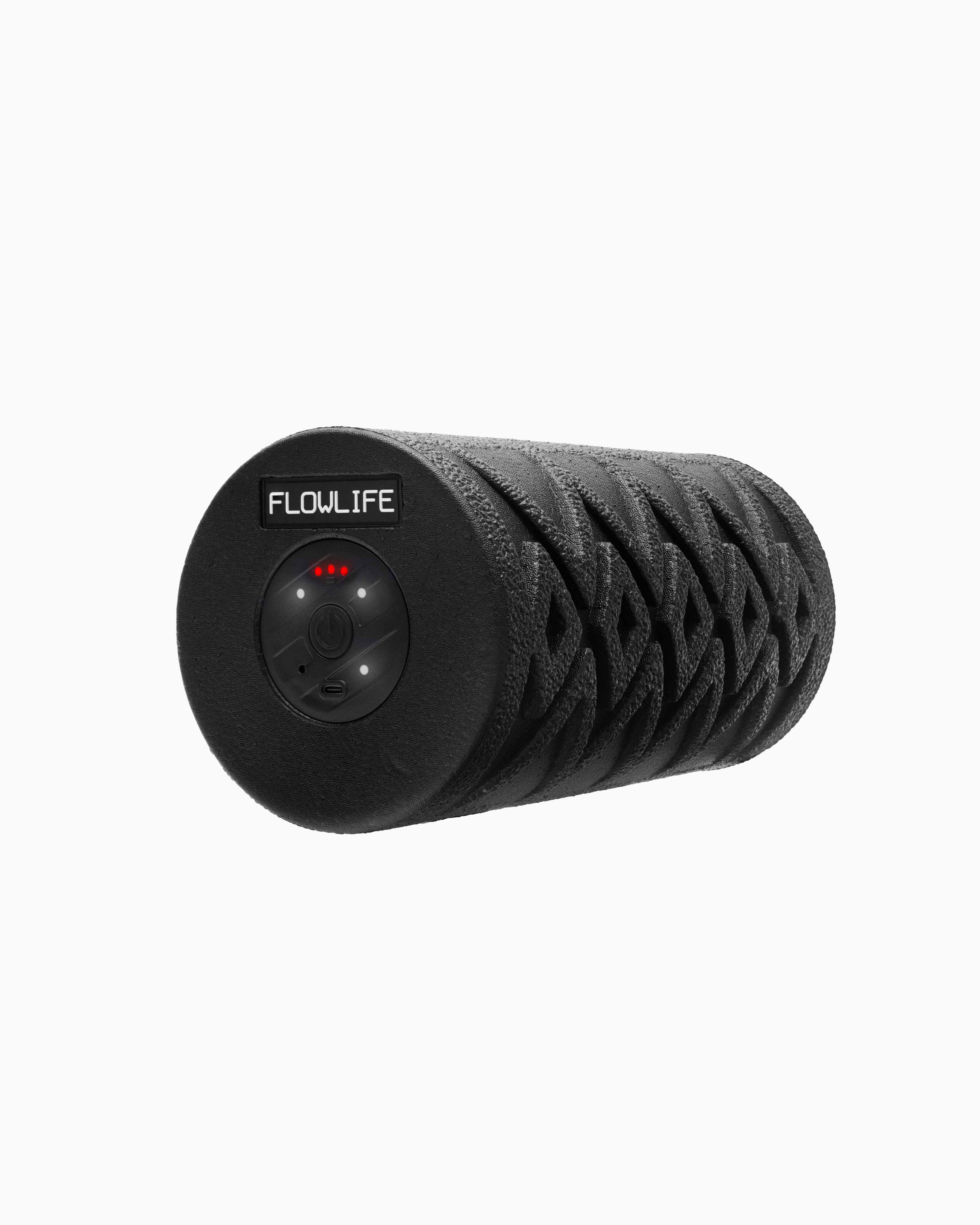
Flowroller Pro
199 EUR133 EUR
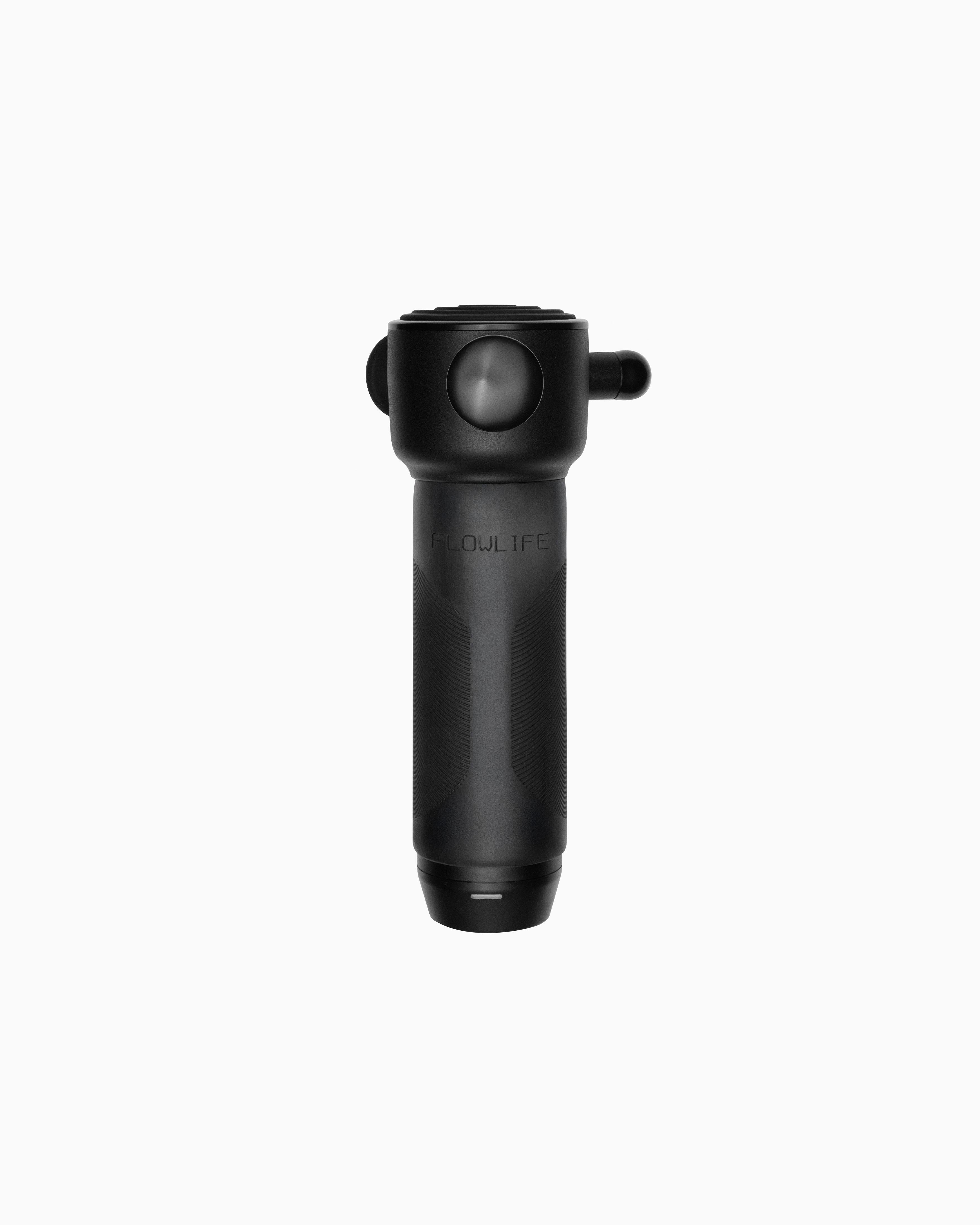
Flowsonic Pro
249 EUR149 EUR

Flowplunge Go
149 EUR89 EUR
FAQ
What causes neck stiffness and muscle tension?
What are cervicogenic headaches and how are they different from migraines?
What is whiplash, and how long does it take to recover?
What is a cervical disc herniation and what are the symptoms?
Neck muscle tension and stiffness are the most common forms of neck pain, involving the chronic tightening of the muscles that support and move the cervical spine. The trapezius, levator scapulae, and suboccipital muscles at the base of the skull are most commonly affected.
When the neck is held in a fixed position for prolonged periods, the supporting muscles sustain low-level contraction without adequate recovery. This reduces blood flow, accumulates metabolic waste, and develops trigger points: hypersensitive knots that produce localized pain and refer pain to the head and shoulders.
Prolonged screen use, poor workstation ergonomics, carrying heavy bags on one shoulder, high-stress periods, and sleeping in awkward positions all worsen neck tension.
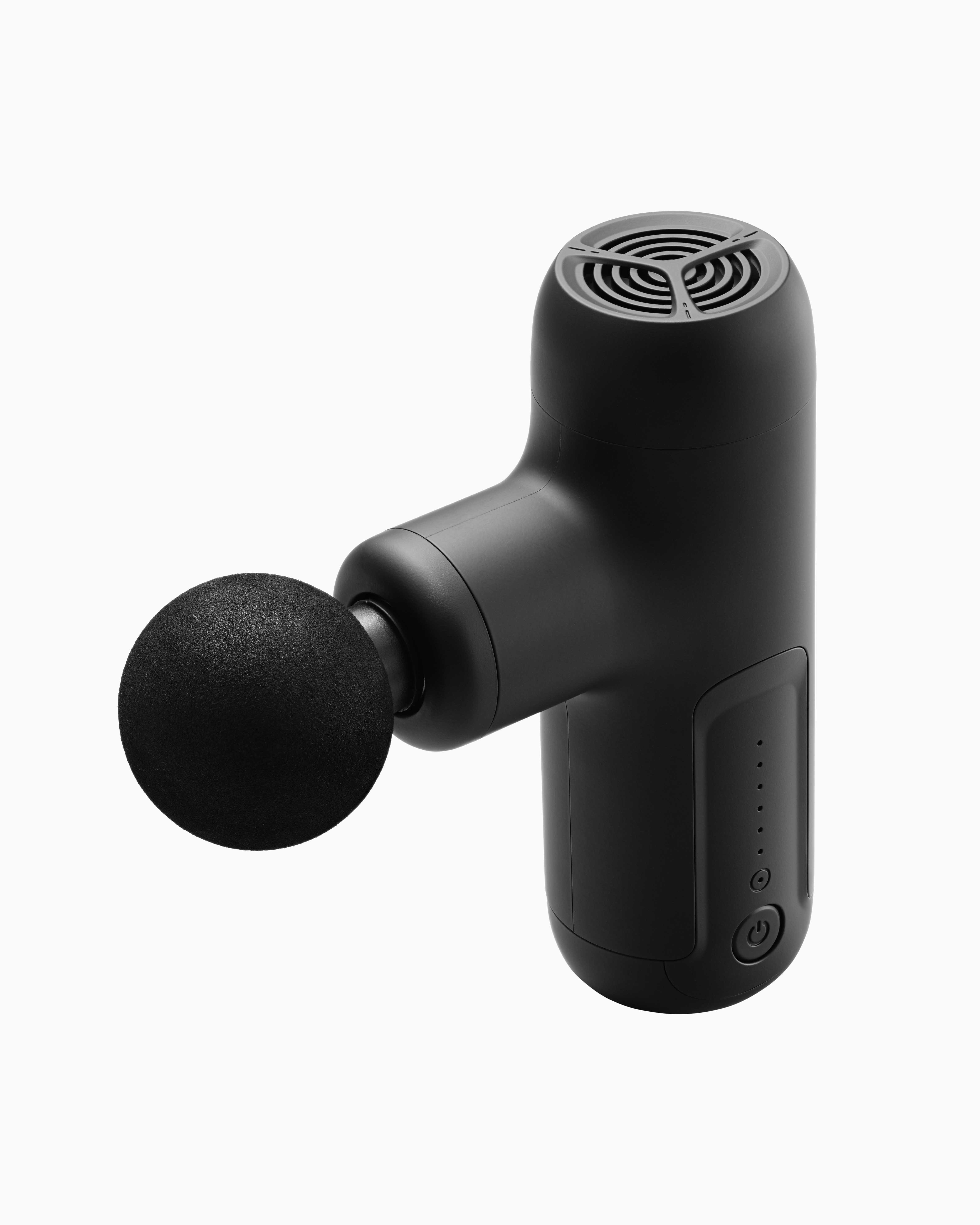
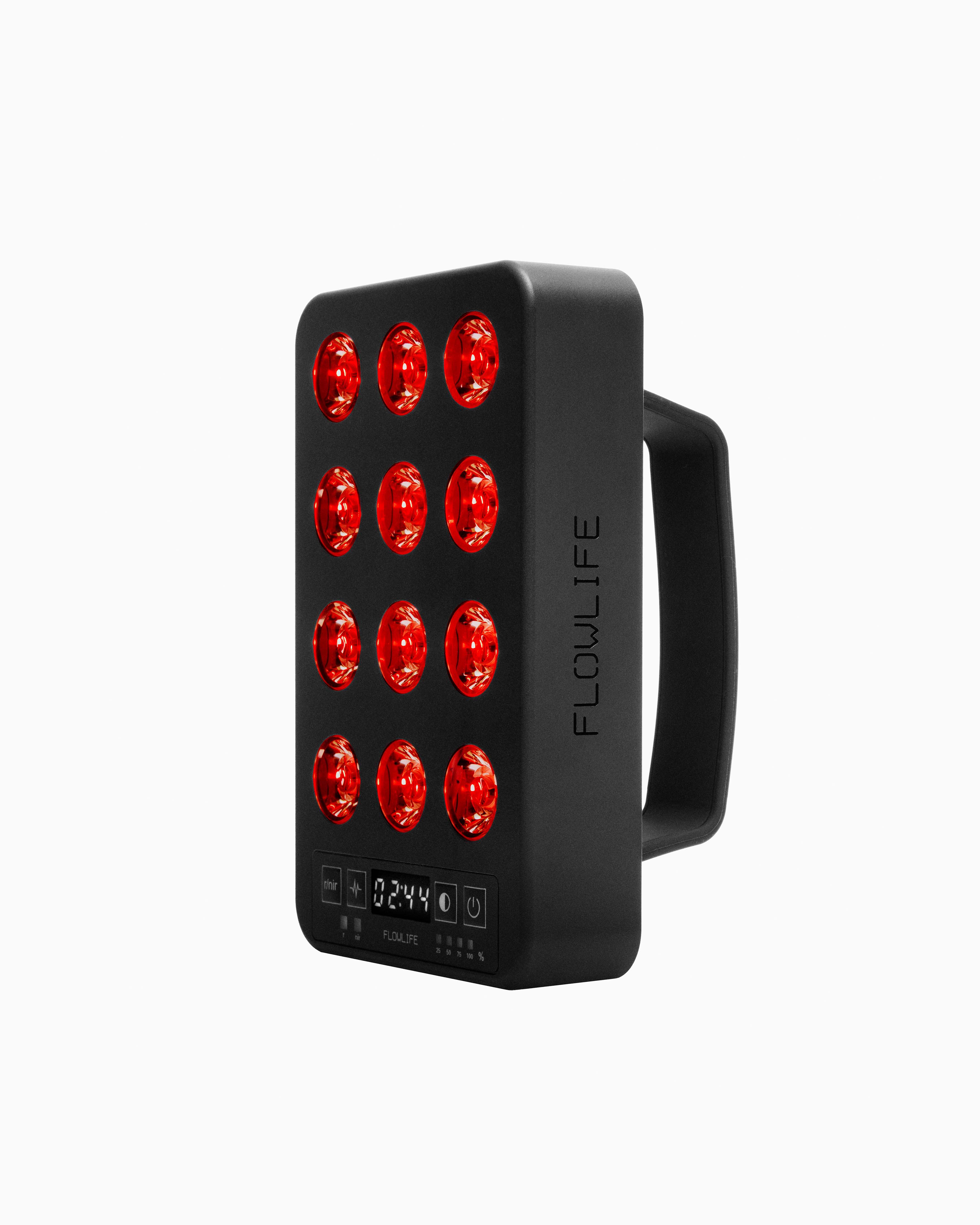
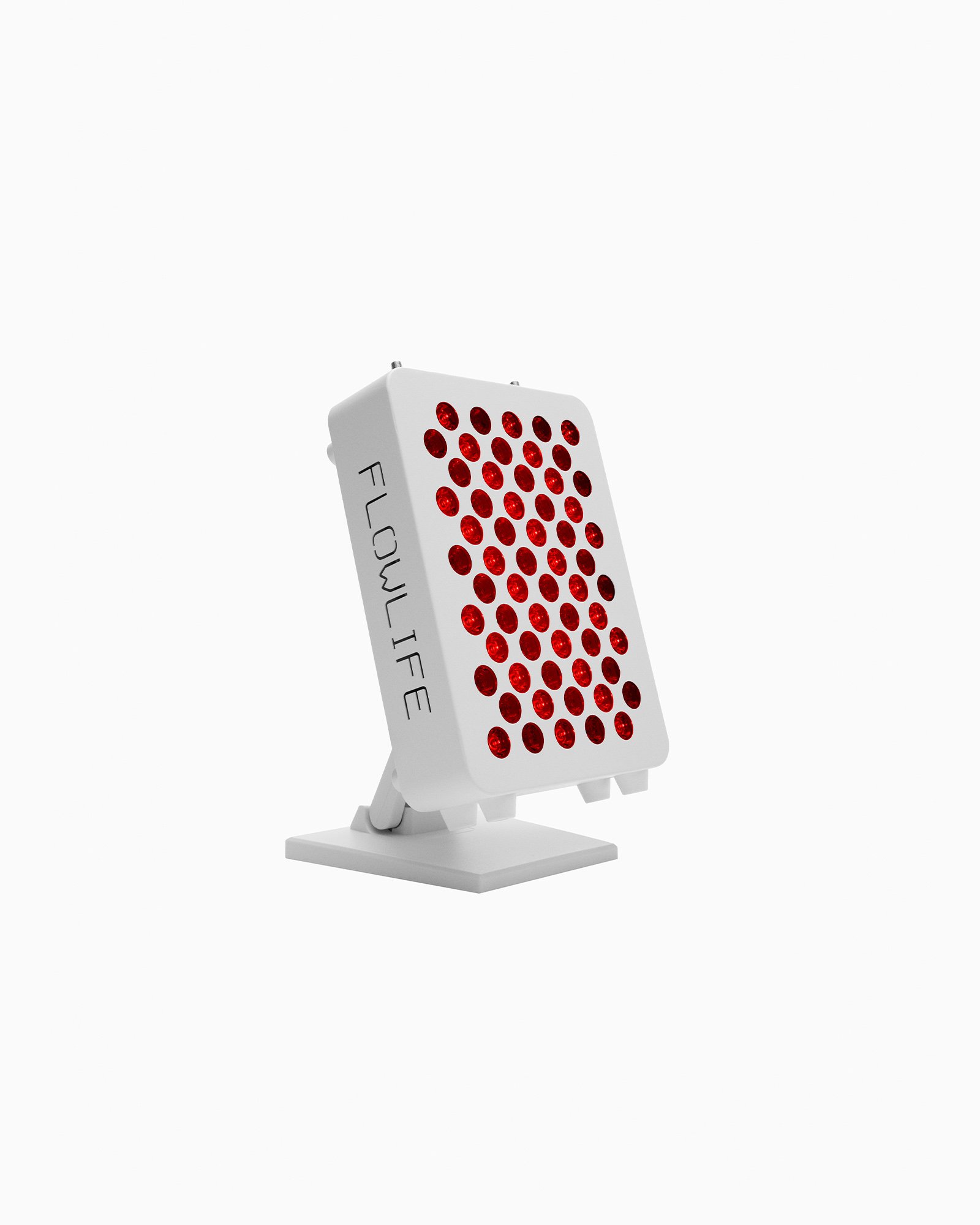
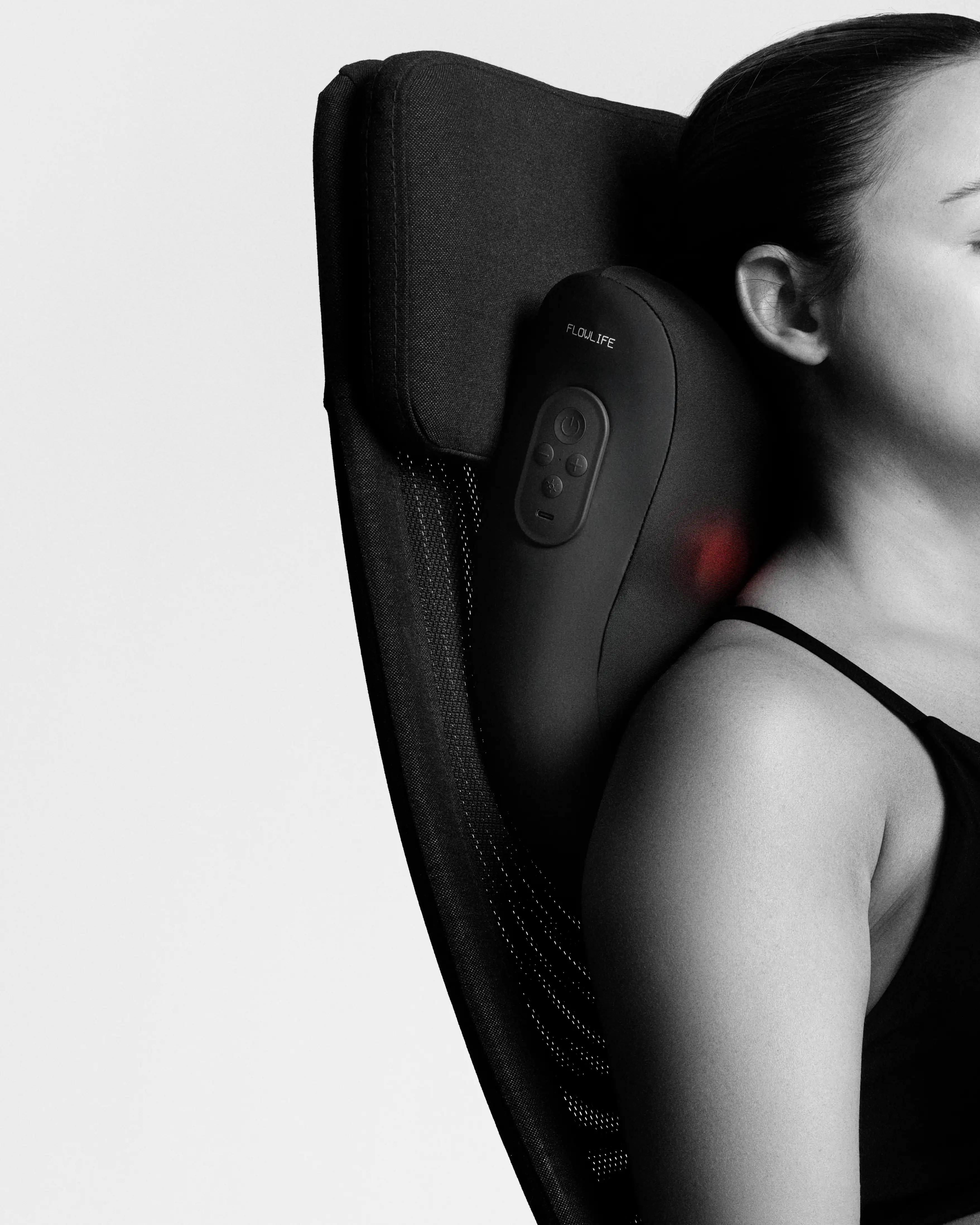
A massage gun targeting the trapezius, upper back, and base of the skull provides the most direct and immediate trigger point release. A massage pillow allows simultaneous hands-free shiatsu-style treatment of the neck and upper back. Heat therapy relaxes the entire cervical musculature. Red light therapy reduces chronic inflammation in persistently tight tissue.
Use a massage gun or massage pillow on the neck and upper back for 5 to 10 minutes after prolonged sitting or screen use. Heat therapy for 15 minutes in the evening supports full muscle relaxation. Consistent regular treatment prevents tension from accumulating into chronic pain.
Cervicogenic headaches are headaches that originate in the cervical spine and its muscles and joints, rather than in the brain itself. They are common in people with chronic neck tension, desk workers, and anyone who has had a neck injury.
The suboccipital muscles at the base of the skull and the upper cervical joints refer pain directly into the head, producing a headache that typically starts at the base of the skull and radiates forward. Unlike migraines, cervicogenic headaches are usually aggravated by neck movement or sustained postures, and pressing on the muscles at the base of the skull often reproduces the headache.
Prolonged forward head posture, neck stiffness, high stress, poor sleep posture, and bright screens all contribute. The headache typically worsens after prolonged desk work and improves when neck tension is released.
A massage gun or massage pillow targeting the suboccipital muscles and upper trapezius directly addresses the trigger points that drive cervicogenic headaches. TENS therapy applied to the neck provides pain relief during active headaches. Heat therapy relaxes the cervical musculature. Red light therapy applied to the neck and base of the skull reduces chronic inflammation.
Use a massage gun or massage pillow on the base of the skull and upper neck for 5 minutes when a headache develops. Heat therapy for 15 minutes relaxes the cervical muscles. Regular daily treatment of neck tension prevents headaches from developing in the first place.

Whiplash is a soft tissue injury to the neck caused by a sudden forceful back-and-forth movement of the head, most commonly from a car accident but also from contact sport collisions. It involves strain of the cervical muscles and ligaments.
The rapid acceleration and deceleration of the head can stretch and tear soft-tissue structures in the neck beyond their normal range. The resulting inflammation, muscle spasm, and nerve irritation produce pain, stiffness, headache, and sometimes tingling or numbness in the arms. Symptoms often develop 12 to 24 hours after the injury.
Returning to high activity too quickly, ignoring symptoms in the early stages, and engaging in high-impact activities all slow recovery. Stress and poor sleep increase muscle tension throughout the neck and upper back.
Heat therapy is the most effective tool for the muscle spasm and stiffness that characterizes whiplash in the subacute phase. TENS therapy provides effective pain management without medication throughout recovery. Red light therapy supports cellular repair in the damaged soft tissue and reduces neuroinflammation. A massage gun on gentle settings targeting the upper trapezius and shoulders releases secondary tension.
Seek medical evaluation after a whiplash injury before starting any recovery protocol. In the subacute phase, heat therapy and TENS for symptom management, combined with red light therapy for tissue repair, produce consistent recovery outcomes.

A cervical disc herniation occurs when the soft inner material of an intervertebral disc in the neck pushes through the outer layer and presses on nearby nerve roots or the spinal cord. It is a common cause of neck pain combined with arm pain, numbness, or weakness.
When a herniated disc in the neck compresses a nerve root, it produces pain that radiates from the neck into the shoulder and arm, often described as sharp, burning, or electric. Neck pain and stiffness are almost always present. Weakness or clumsiness in the hand or arm indicates more significant nerve involvement.
Extending the neck backward, heavy lifting, and activities that increase spinal pressure such as coughing and sneezing all aggravate cervical disc herniation. Prolonged forward head posture increases disc load.
TENS therapy is the most effective tool for managing the nerve pain from a cervical disc herniation, reducing the pain signal without medication. Heat therapy relaxes the surrounding muscles that spasm in response to nerve irritation. Red light therapy reduces neuroinflammation and supports nerve tissue health over time.
Always seek a medical diagnosis for suspected cervical disc herniation before starting any recovery protocol. TENS and heat therapy can be used for conservative symptom management. Most cervical disc herniations improve significantly within 6 to 12 weeks with appropriate management.

FAQ