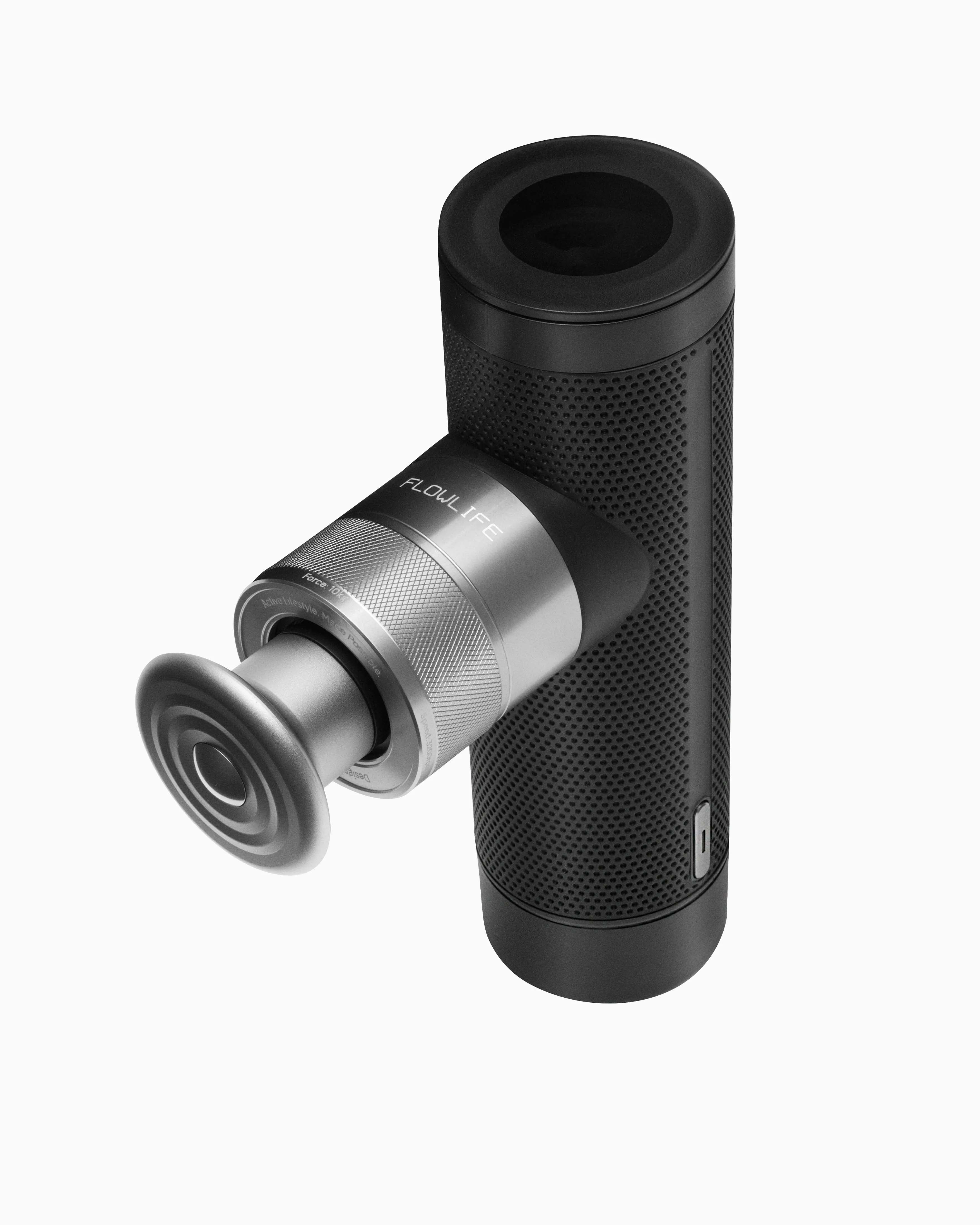
Flowgun Air
Massage GunsBestseller
99 EUR

Pain & Common Problems
Chest pain in active people is almost always musculoskeletal, not cardiac, though it is always worth ruling out cardiac causes first. Pectoral strains, costochondritis, and rib injuries are common among strength athletes and those who perform heavy pressing movements. The conditions below cover the most frequent causes of chest pain in active people, what is happening, and what helps with recovery.
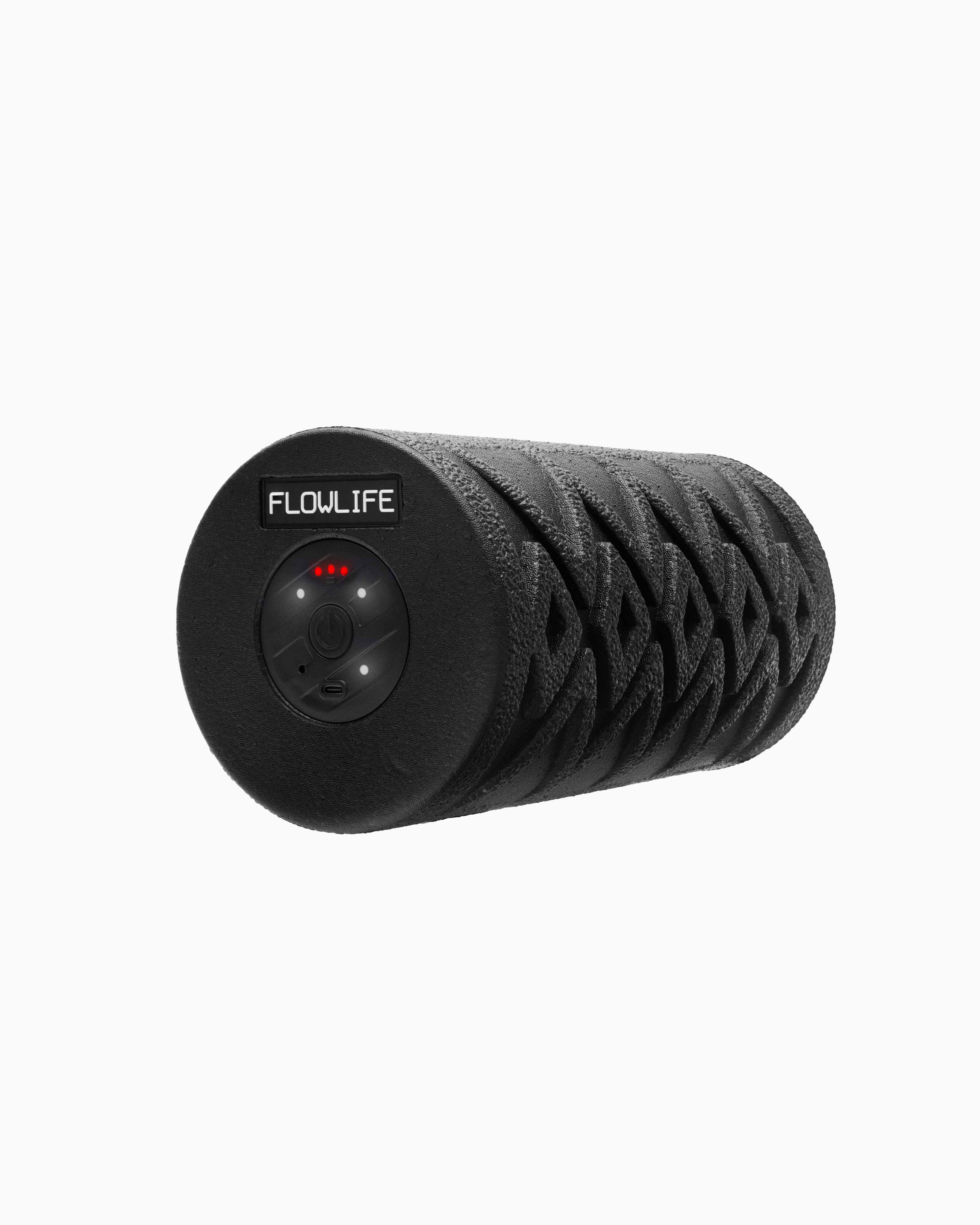
Flowroller Pro
199 EUR133 EUR
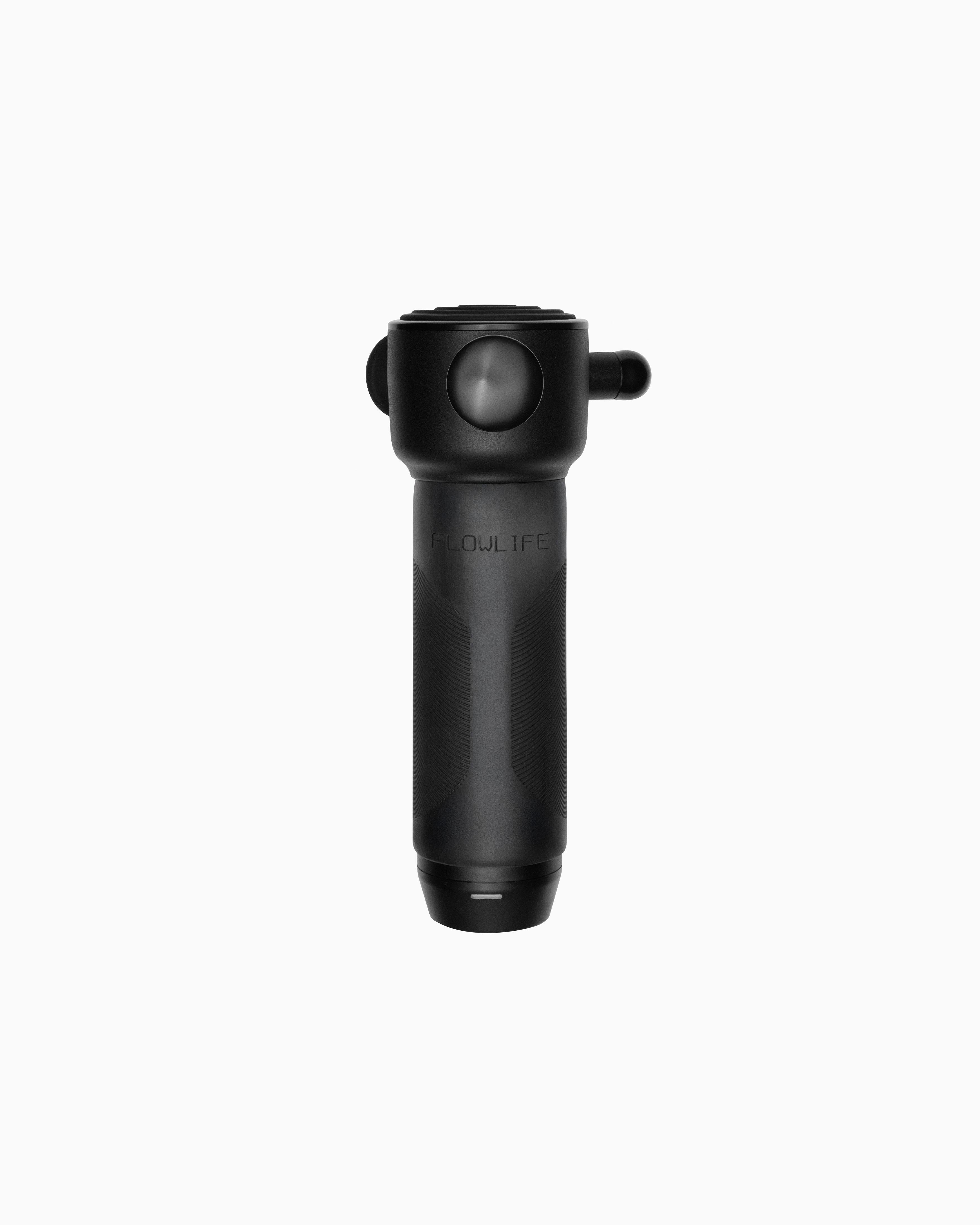
Flowsonic Pro
249 EUR149 EUR

Flowplunge Go
149 EUR89 EUR
FAQ
What is a pectoral strain?
What is costochondritis?
What causes chest tightness and muscle tension from training?
A pectoral strain is a tear in the pectoralis major or minor muscle, most commonly caused by heavy bench pressing, push-up variations, or fly movements that load the pectoral muscles under stretch. It ranges from a mild Grade 1 strain to a complete Grade 3 rupture.
The injury typically occurs during an eccentric loading phase when the muscle is lengthening under load. There is often an immediate sharp pain in the chest or front of the shoulder, sometimes with a popping or tearing sensation. The area becomes tender, and bruising can appear across the chest and into the arm.
Heavy bench pressing with excessive range of motion at the bottom of the movement, pushing to failure without adequate warmup, and sudden increases in pressing volume all increase the risk.
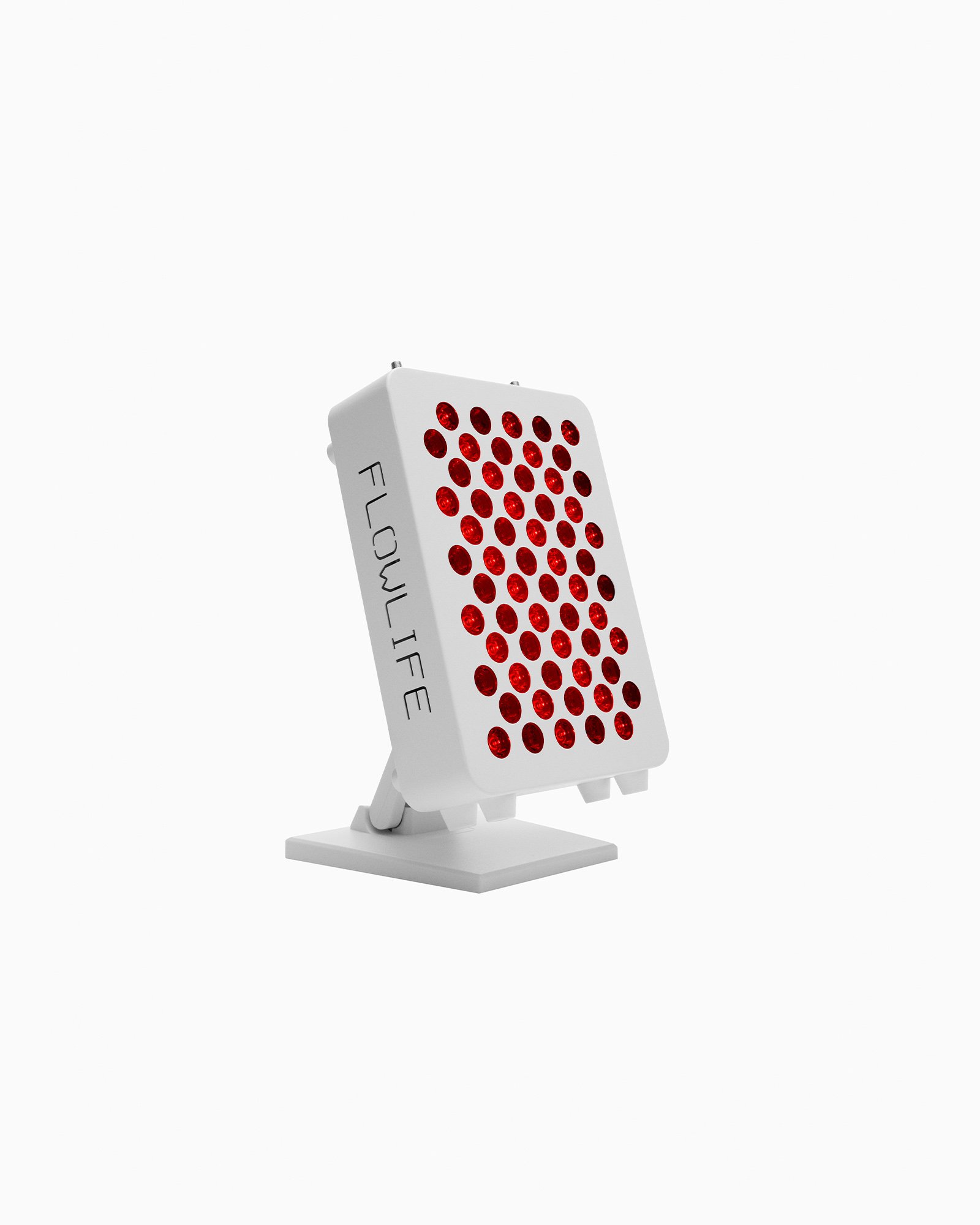
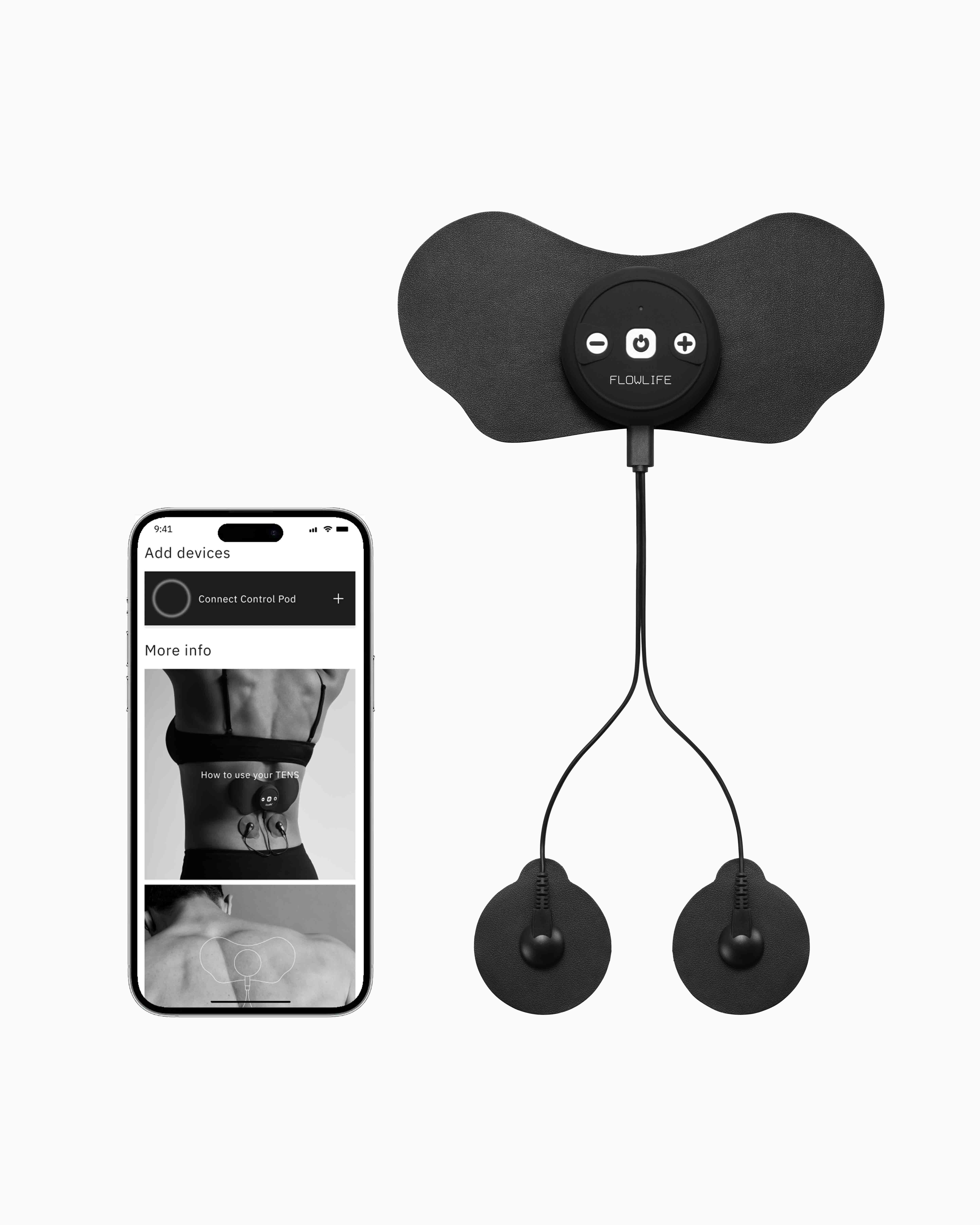
Cold therapy in the first 48 to 72 hours reduces swelling and pain in the acute phase. Red light therapy accelerates cellular repair in the damaged muscle tissue once acute inflammation has settled. TENS therapy manages the persistent pain during recovery. A massage gun used gently on the chest and anterior shoulder as healing progresses prevents restrictive scar tissue formation.
Cold therapy for 15 to 20 minutes several times per day in the first 48 to 72 hours. Red light therapy over the chest once acute inflammation settles. Most Grade 1 pectoral strains recover in 2 to 4 weeks. Always seek medical assessment for Grade 2 and 3 strains.

Costochondritis is inflammation of the cartilage connecting the ribs to the sternum. It produces chest pain that can feel alarming because of its location, but it is a benign musculoskeletal condition common in active people who perform heavy pressing, rowing, and overhead movements.
When the costochondral junctions become inflamed, they produce a localized sharp or aching pain directly along the sternum, typically at the second to fifth ribs. The pain is reproducible with pressure on the affected area. Deep breathing, coughing, and twisting movements worsen it.
Heavy pressing movements, overhead loading, repeated coughing, direct chest impact, and sudden increases in upper-body training volume all aggravate costochondritis.
Red light therapy is the most targeted tool for costochondritis, reducing inflammation in the cartilage and supporting tissue remodeling in an area that heals slowly. TENS therapy provides effective pain management during flare-ups. Heat therapy relaxes the surrounding intercostal muscles and reduces the protective tension that limits breathing depth.
Always seek medical evaluation for chest pain before treating it as musculoskeletal. Red light therapy over the affected sternal area for 10 minutes daily reduces inflammation over 2 to 4 weeks. TENS for 20 to 30 minutes manages pain during acute phases. Most cases resolve within 4 to 12 weeks with conservative management.

Chest tightness and pectoral tension is common in people who perform high volumes of pressing movements without adequate chest stretching and posterior shoulder work. It is not an injury but a chronic shortening and tension of the pectoral muscles.
Tight pectorals pull the shoulders forward and internally rotate the arms, creating a rounded posture that compromises the shoulder joint. The tightness produces a feeling of compression or restriction across the chest, particularly when trying to open the arms or extend through the thoracic spine.
High-volume pressing without adequate pulling movements, poor thoracic mobility, and prolonged sitting in a forward-rounded position all contribute.
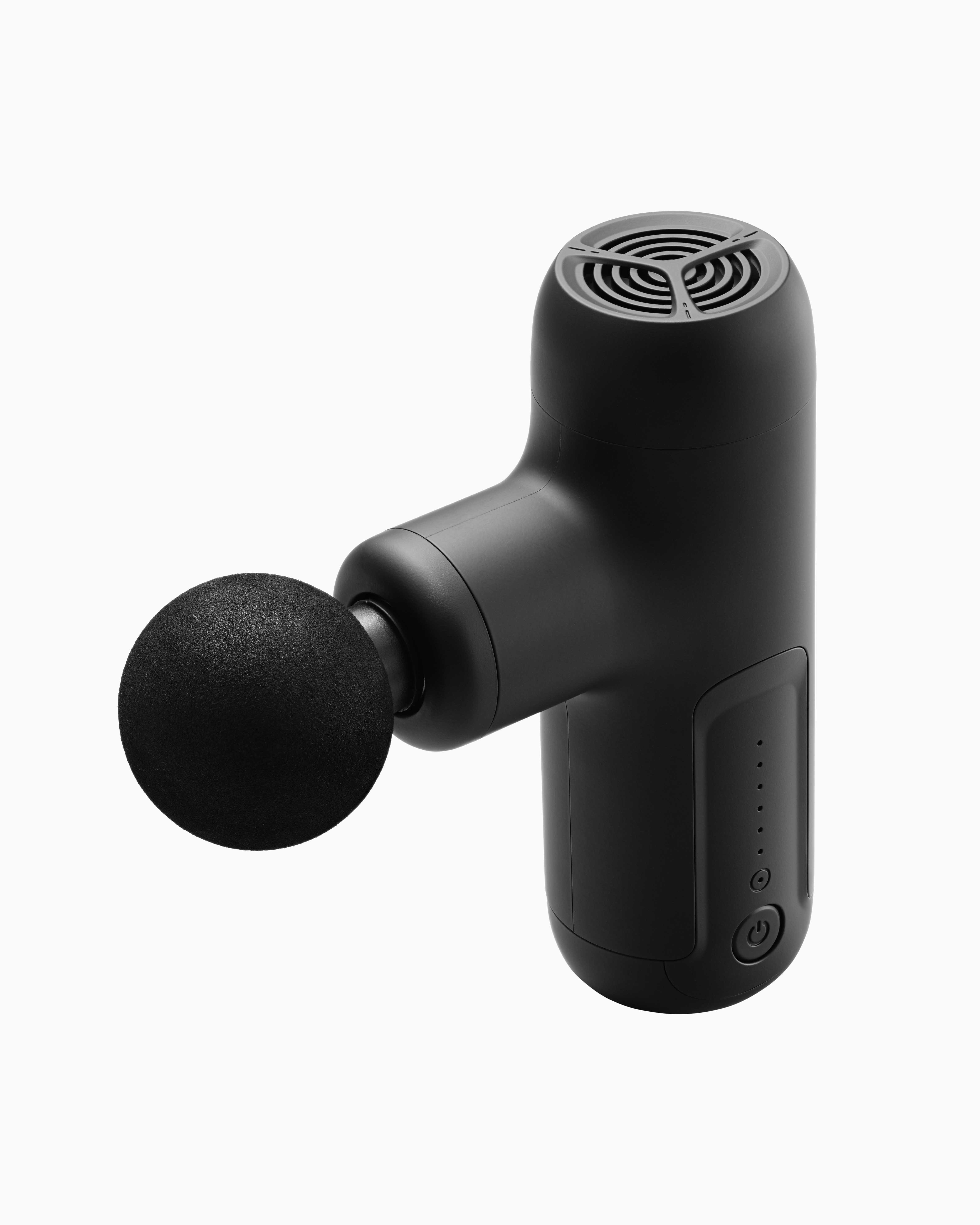
A massage gun targeting the pectorals and anterior shoulder is the most direct and effective tool for releasing chest tightness. Heat therapy relaxes the pectoral muscles and improves their extensibility before mobility work. Red light therapy targets chronic inflammation in tissues to relieve persistent or painful tightness.
Use a massage gun on the pectorals and anterior shoulder for 2 to 3 minutes before and after training. Heat therapy for 15 minutes before thoracic mobility work improves the range achievable. Balancing pressing with adequate pulling volume prevents tightness from accumulating.

FAQ