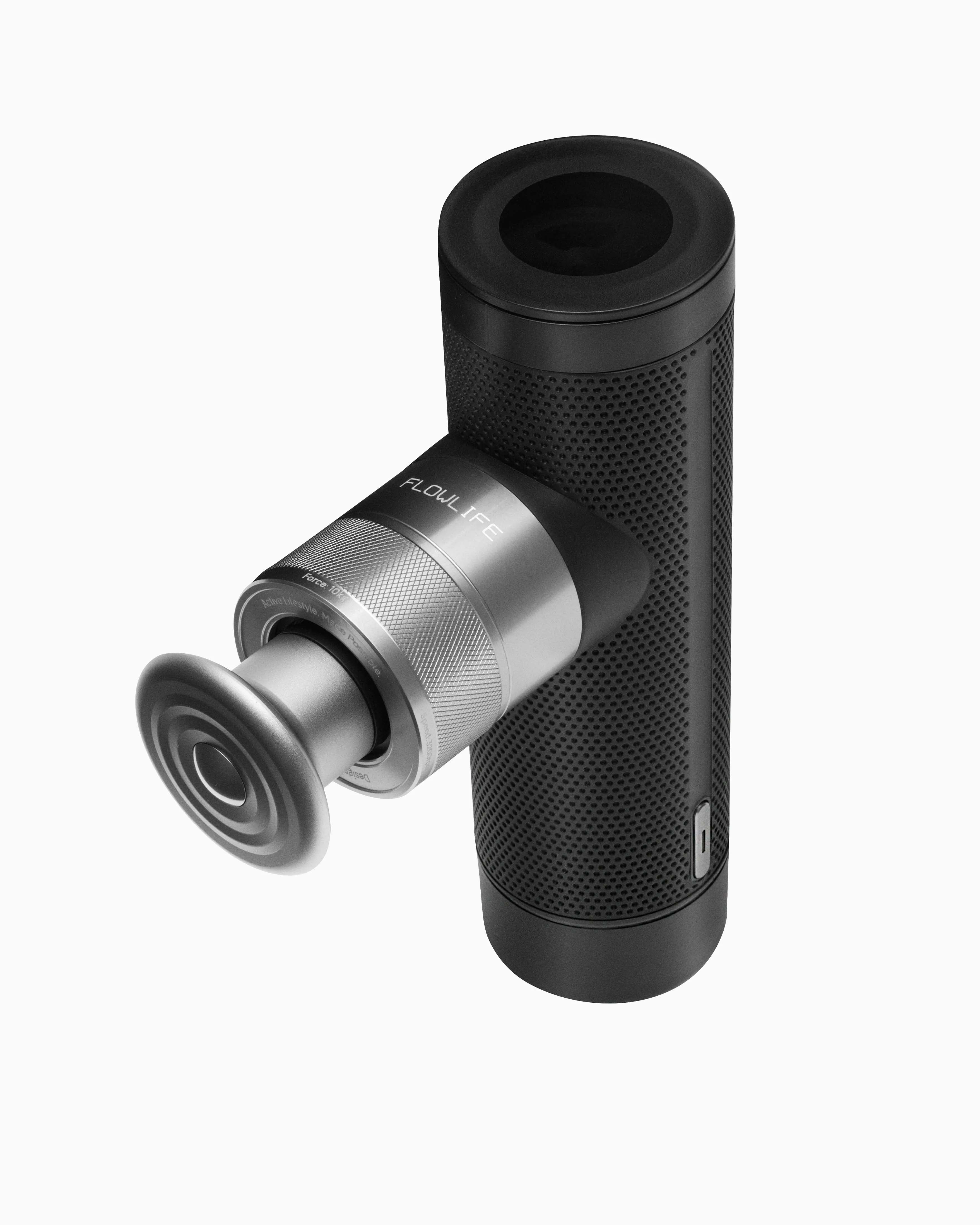
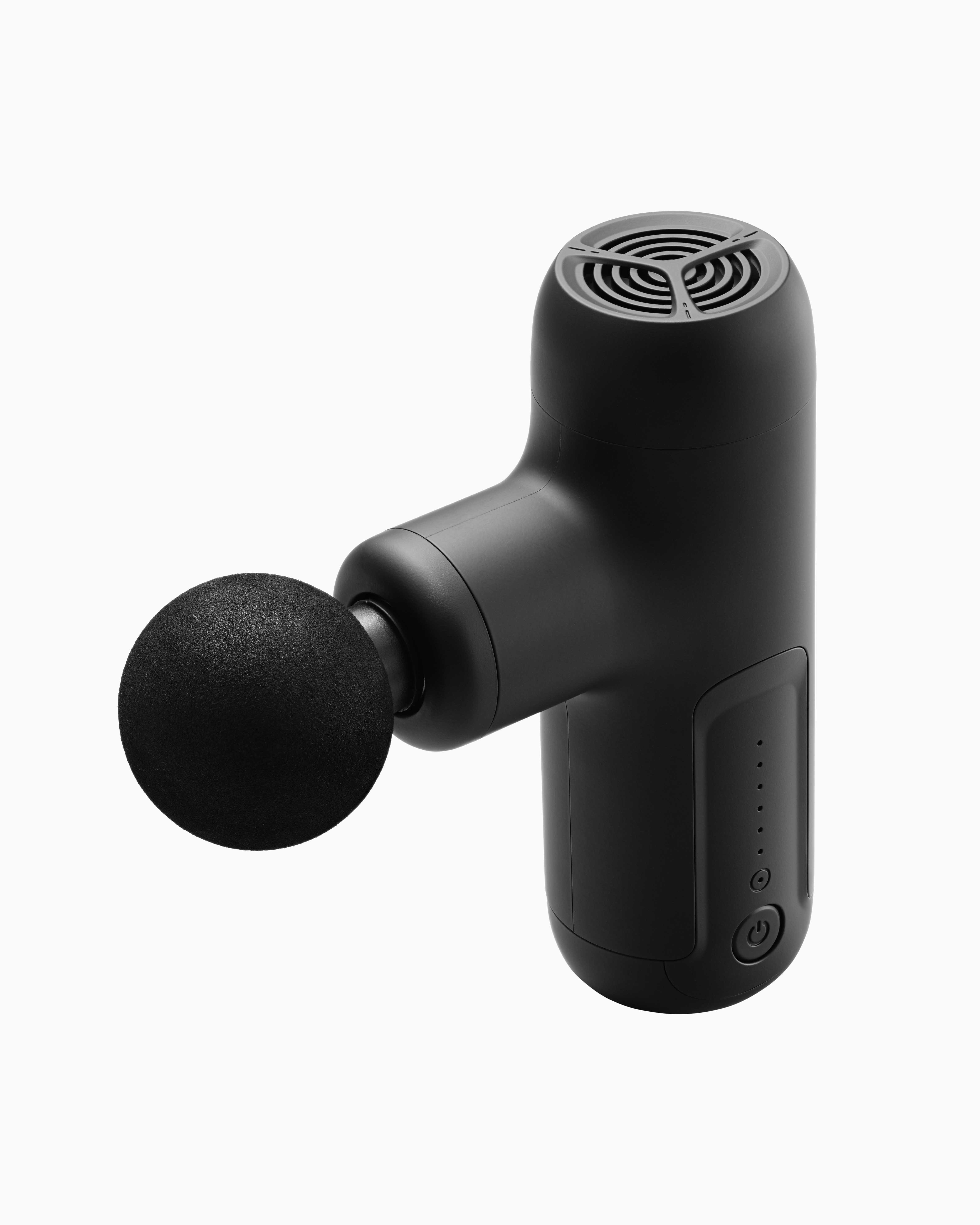
Flowgun Heat
Massage GunsBestseller
1 299 DKK

Pain & Common Problems
Arm pain from training, repetitive work, and overuse is extremely common and encompasses a wide range of conditions, from bicep tendinitis to repetitive strain of the forearm. Most arm pain responds well to targeted recovery, but it requires identifying what is actually going wrong in the tissue. The conditions below cover the most common causes of arm pain, what drives them, and what helps.
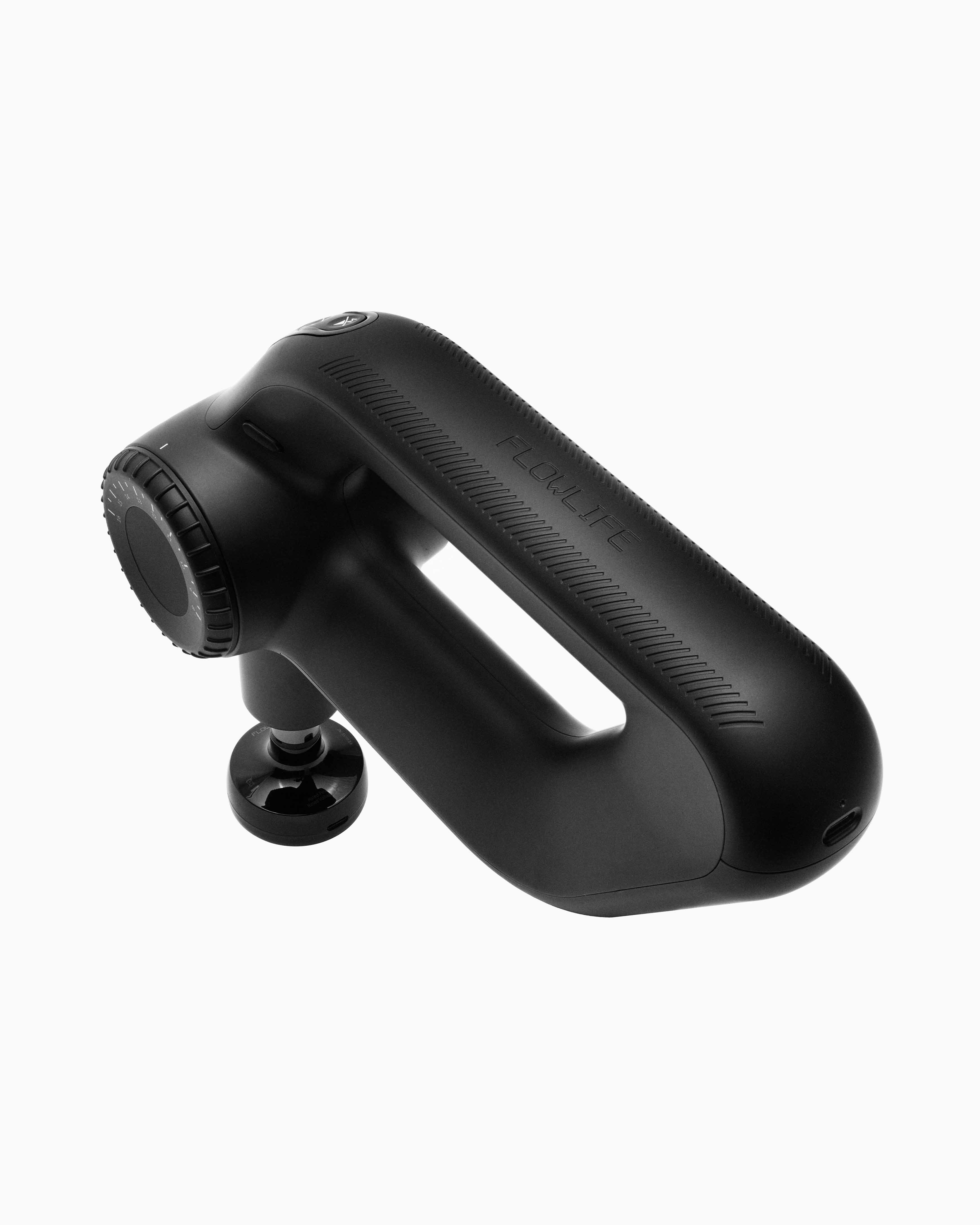
Flowgun Ultra
3 999 DKK2 679 DKK
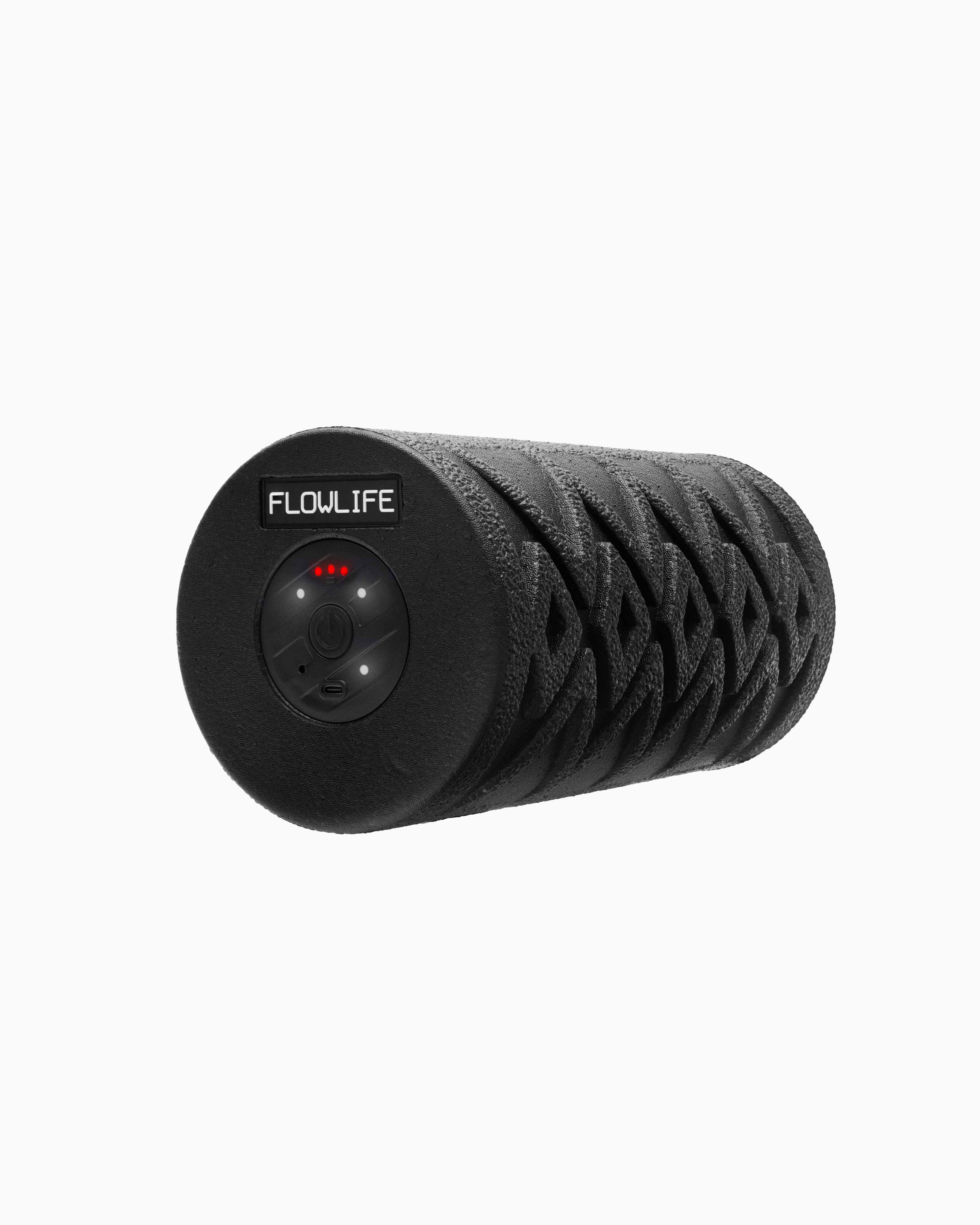
Flowroller Pro
1 399 DKK933 DKK
Flowsonic Pro
1 699 DKK1 019 DKK

Flowplunge Go
999 DKK599 DKK
FAQ
What is bicep tendinitis, and how does it feel?
What is forearm repetitive strain, and who gets it?
What causes tricep pain and tightness after training?
Bicep tendinitis is inflammation of the bicep tendon, most commonly where it attaches at the top of the shoulder or at the elbow. Proximal bicep tendinitis is the more common form and often occurs alongside shoulder impingement or rotator cuff problems.
Proximal bicep tendinitis produces pain at the front of the shoulder in the groove where the bicep tendon runs. The pain is typically a dull ache at rest that becomes sharp with overhead lifting, pulling movements, and activities that load the bicep eccentrically. Distal bicep tendinitis produces pain at the front of the elbow with forearm rotation and direct bicep loading.
Heavy pulling movements, chin-ups, rows, overhead pressing with poor shoulder mechanics, and sudden increases in upper body training volume all aggravate bicep tendinitis.
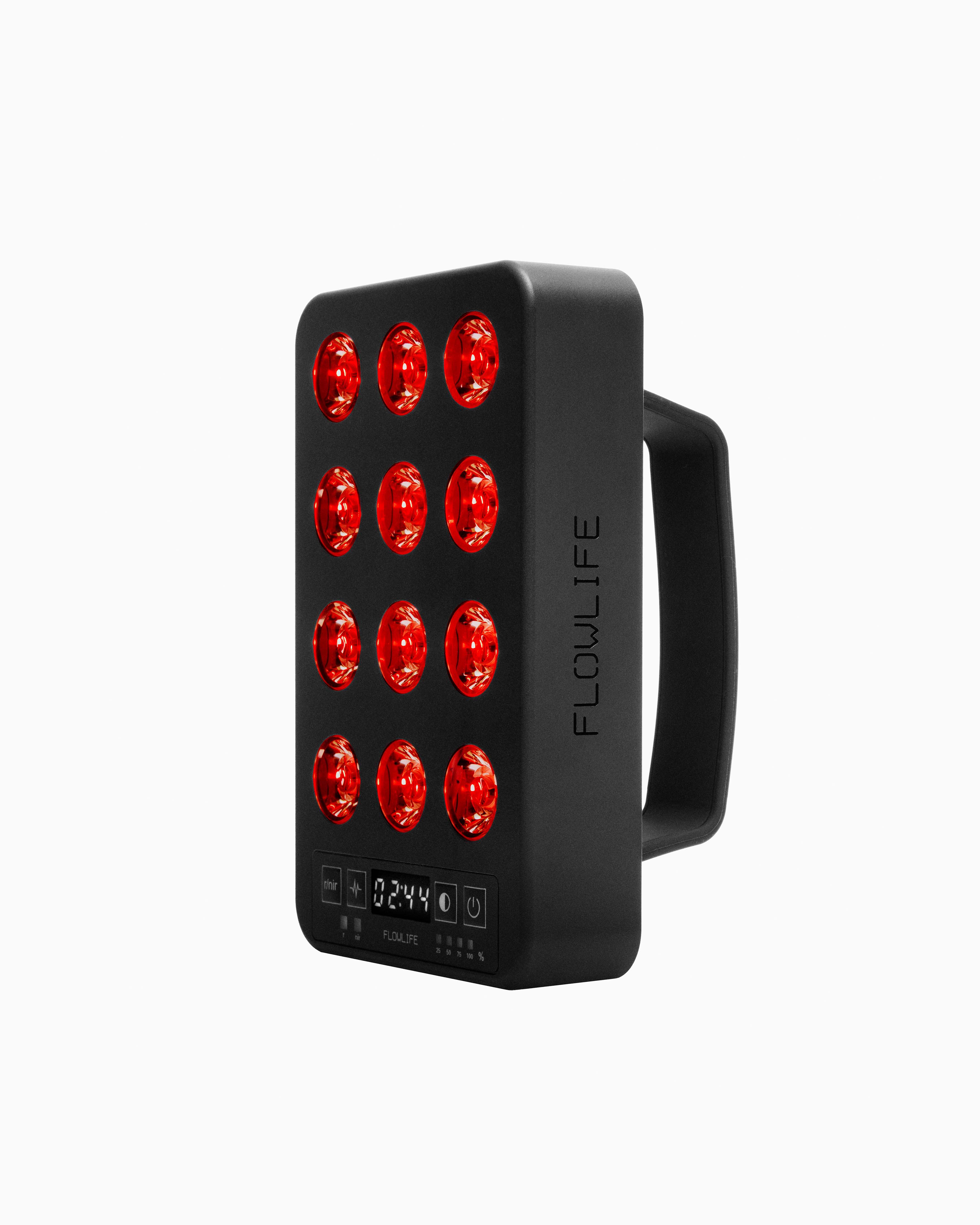
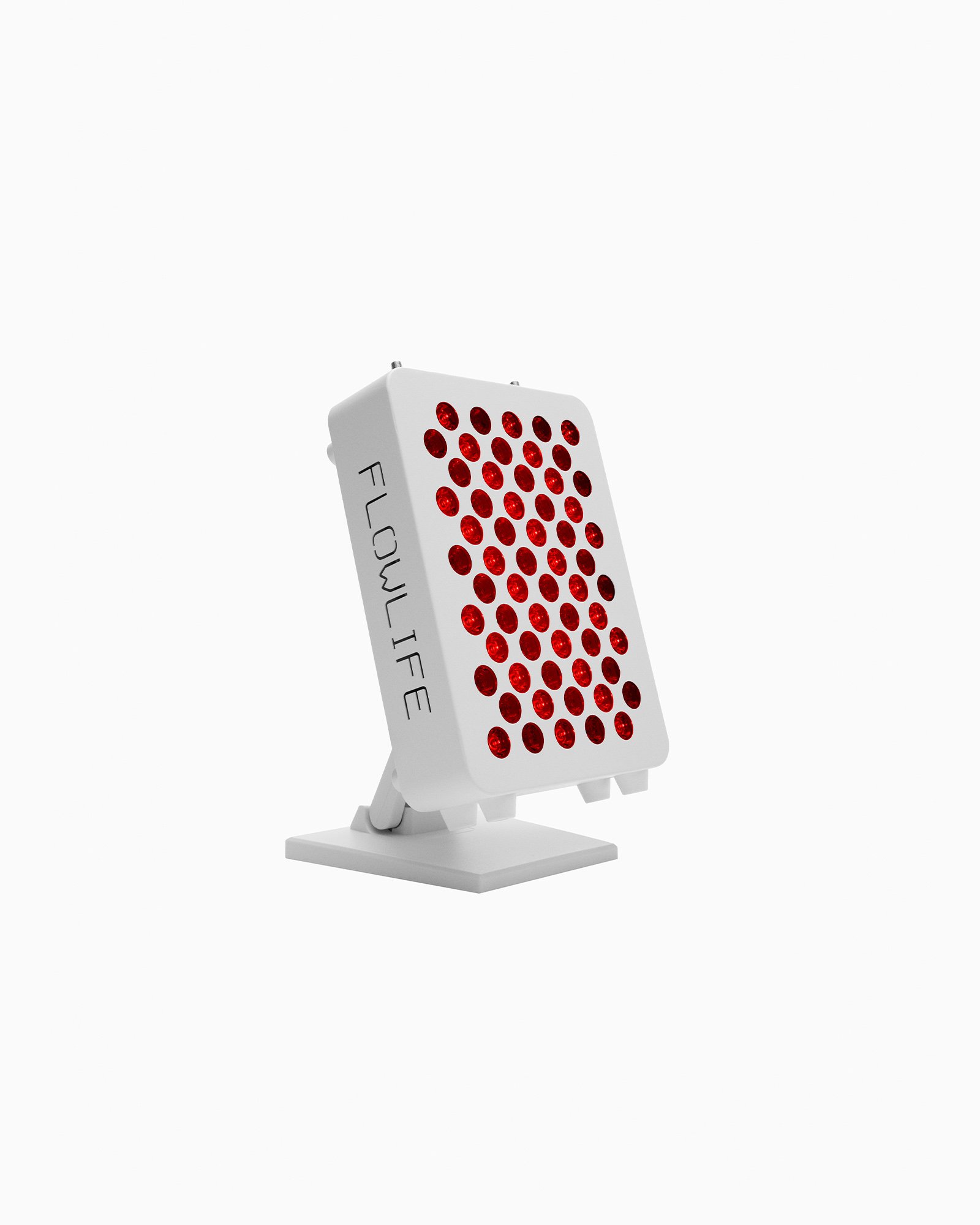
Red light therapy is the most targeted tool, delivering near-infrared light into tendon tissue to stimulate repair in areas with limited blood supply. Cold therapy manages acute pain and inflammation after provocative activity. TENS therapy provides effective pain relief during flare-ups. A massage gun targeting the bicep and anterior shoulder releases the tension patterns that load the tendon.
Red light therapy over the affected area for 10 to 15 minutes, 4 to 5 times per week. Cold therapy for 10 minutes after provocative activity. Temporarily reduce loading of the bicep while maintaining movement to support tendon recovery.

Forearm repetitive strain injury involves pain, stiffness, and weakness in the forearm muscles and tendons caused by repetitive movements performed over extended periods. It is common in desk workers, musicians, gamers, and manual workers.
Repetitive movements produce cumulative micro-damage in the forearm muscles and tendons that exceeds the rate at which the tissue can repair. The result is a dull aching or burning sensation along the forearm, sometimes accompanied by weakness in grip strength and tingling in the fingers if nerves are also affected.
Prolonged unbroken periods of repetitive activity, poor ergonomics, cold working environments that stiffen the tissue, and inadequate recovery between demanding sessions all worsen forearm RSI.
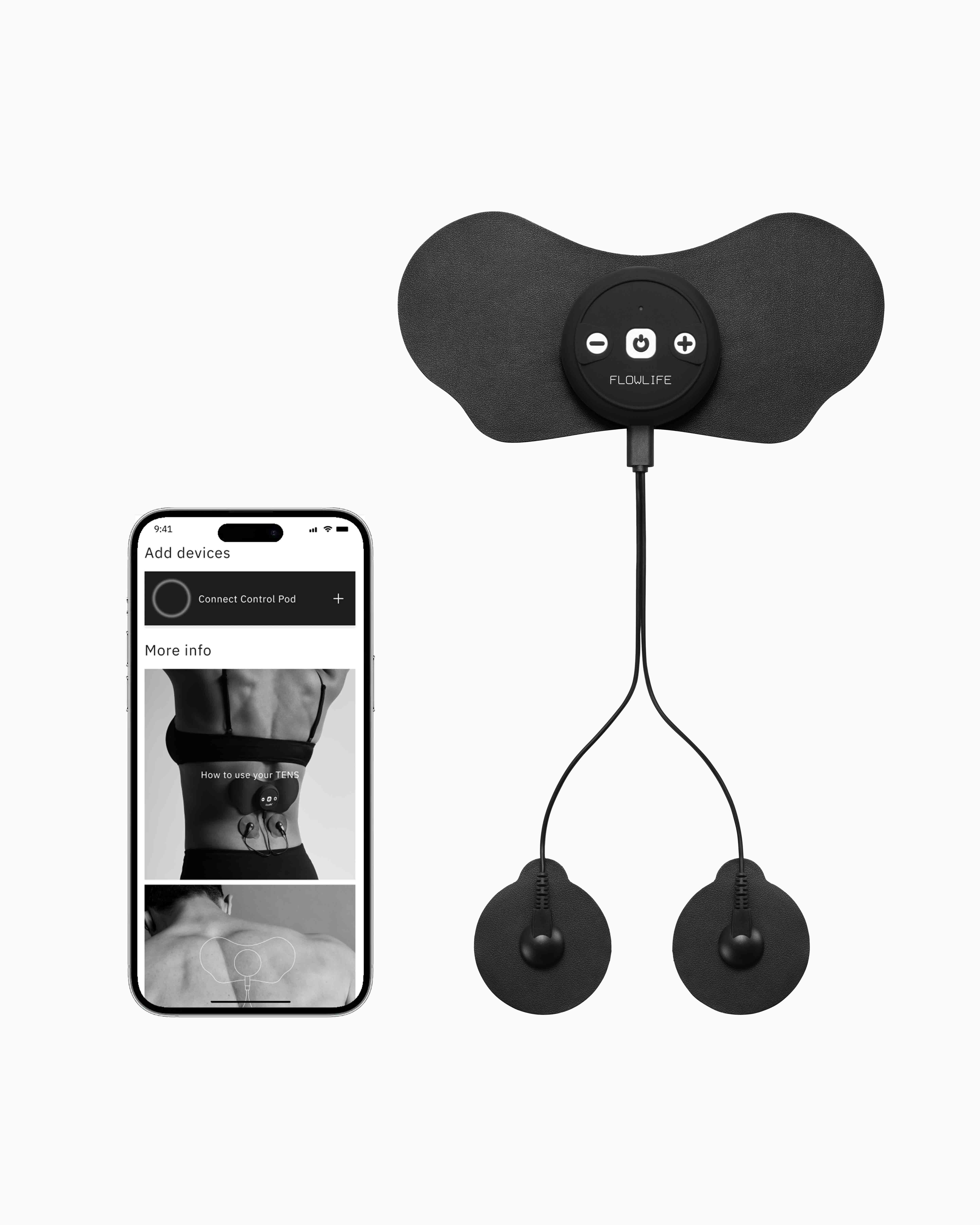
A massage gun targeting the forearm muscles provides the most direct relief. TENS therapy manages pain effectively and is particularly useful for the nerve-related tingling component. Red light therapy supports tissue repair in chronically overloaded forearm muscles and tendons. Heat therapy relaxes tight forearm muscles and improves tissue extensibility before demanding activity.
Use a massage gun on the forearm extensors and flexors for 2 to 3 minutes after extended desk or instrument work. TENS for 20 to 30 minutes manages persistent pain. Daily red light therapy over the forearm supports tissue repair in chronic cases.

Tricep pain after training involves soreness, stiffness, and sometimes sharp pain in the back of the upper arm following heavy pressing movements. It ranges from normal post-exercise DOMS to tendinitis at the tricep tendon attachment on the olecranon at the back of the elbow.
DOMS in the triceps produces a diffuse ache and stiffness in the back of the upper arm that peaks 24 to 48 hours after heavy pressing. Tricep tendinitis produces a more localized, sharp pain at the back of the elbow, worse when extending the arm against resistance or pressing heavy loads.
Sudden increases in pressing volume, heavy lockout movements that concentrate load on the tricep tendon, and training through existing elbow pain all contribute.
Cold therapy after heavy pressing reduces acute inflammation in both DOMS and early tendinitis. A massage gun on the tricep releases tension and improves circulation in the muscle belly. Red light therapy supports tissue repair for persistent tricep tendinitis. TENS therapy manages pain during flare-ups.
Cold therapy for 10 minutes after heavy pressing sessions reduces acute soreness. Use a massage gun on the tricep for 2 to 3 minutes after training. For persistent elbow pain from tricep tendinitis, red light therapy over the olecranon area is consistently effective over 4 to 8 weeks.

FAQ