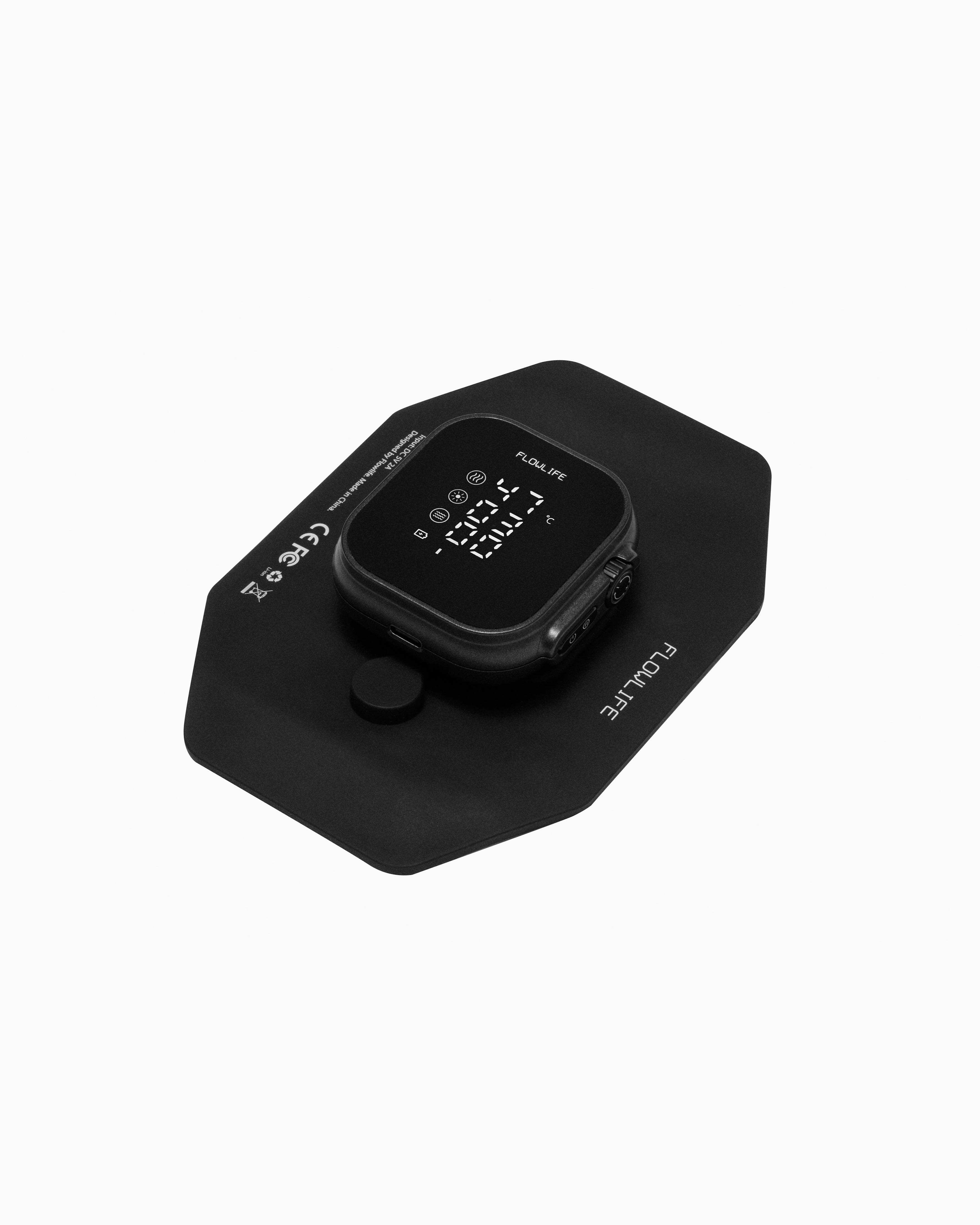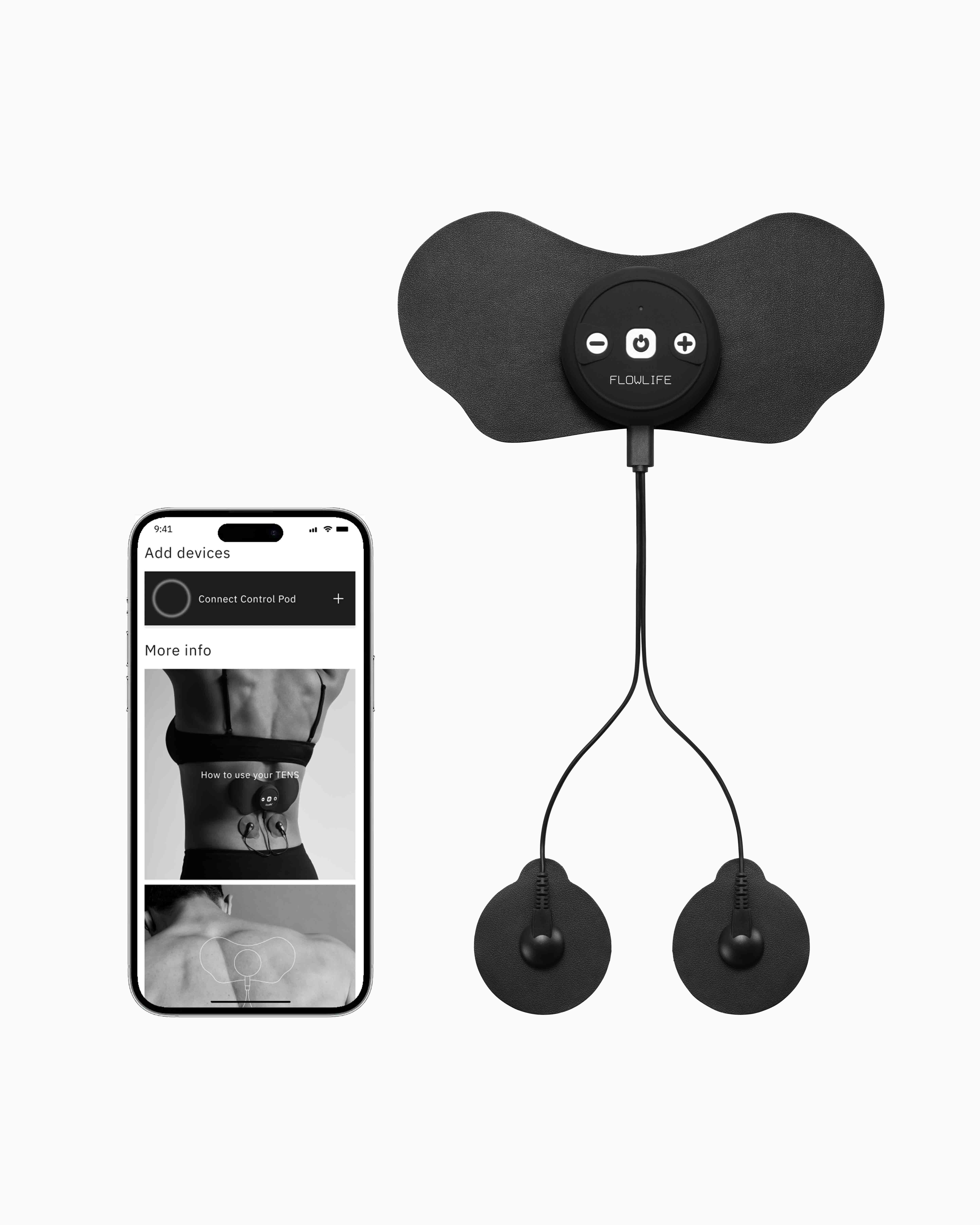
Flowcontrast Spot Go
Heat BeltsNew in
149 EUR

Pain & Common Problems
The knee is the most commonly injured joint in active people, and for good reason. It absorbs force from the ground, transfers power between the hip and the foot, and works constantly during every run, squat, and jump. When something goes wrong, it rarely fixes itself quickly. The conditions below cover the most frequent causes of knee pain, what is happening in the tissue, and what actually helps.
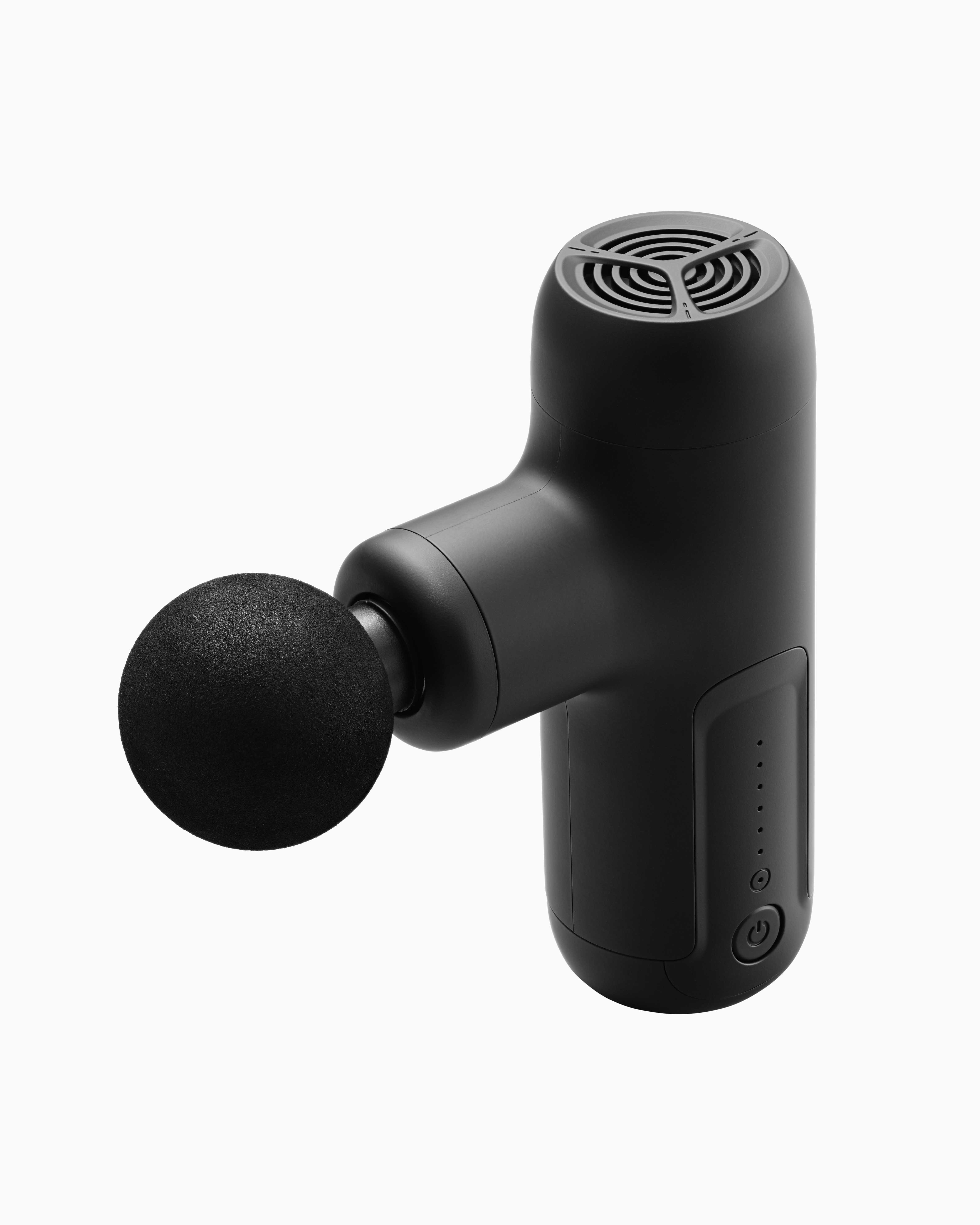
Flowsonic Pro
249 EUR149 EUR
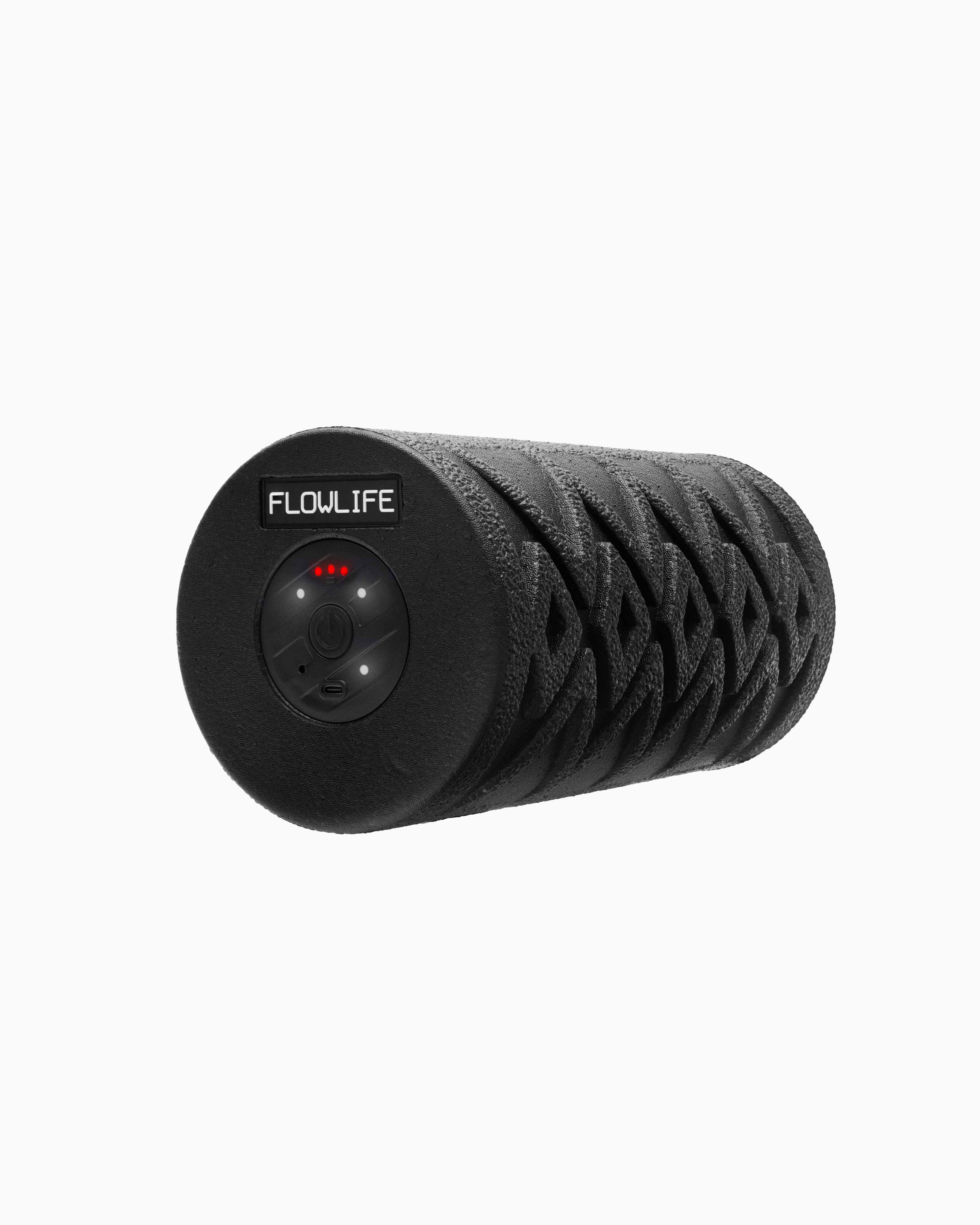
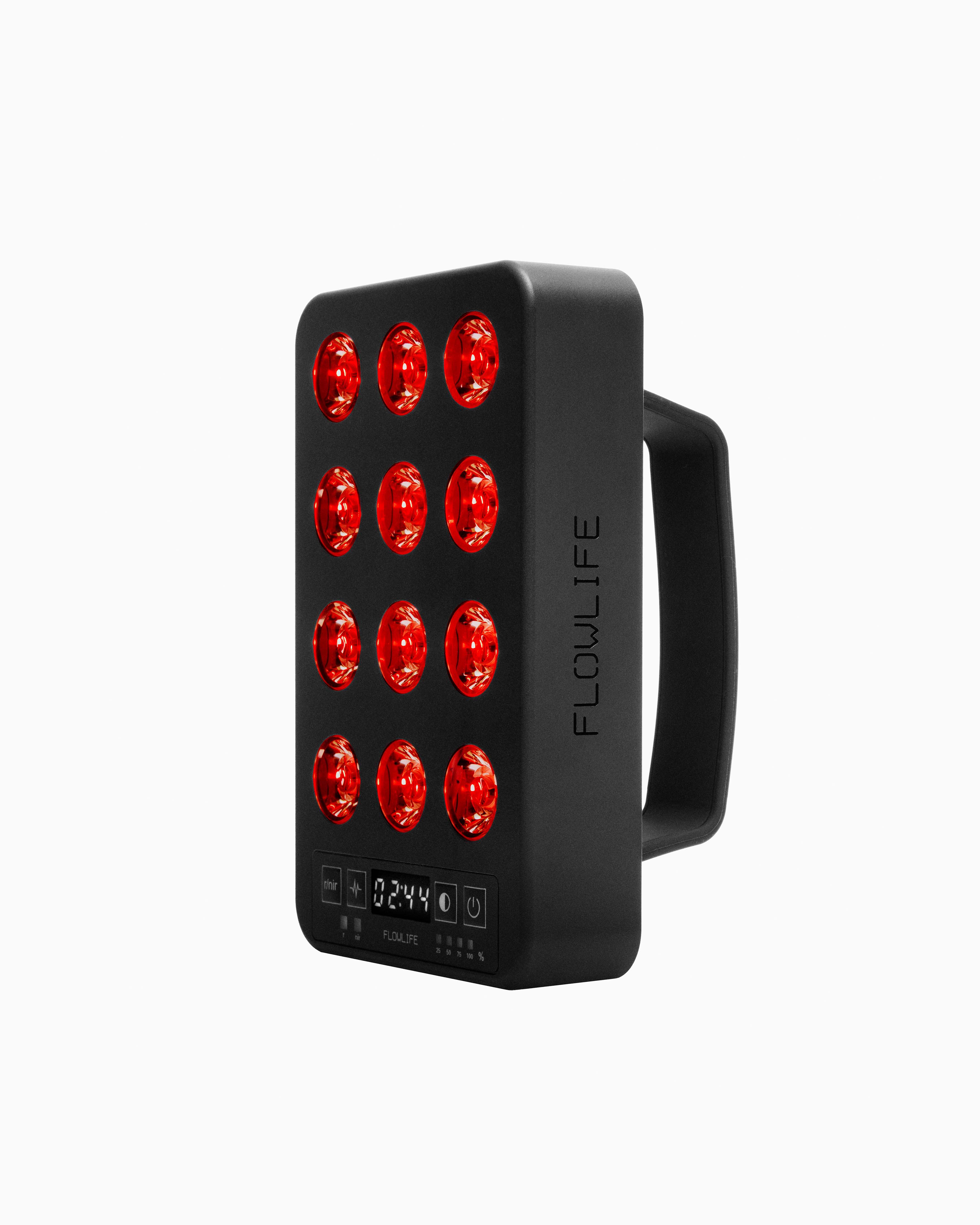
Flowroller Pro
199 EUR133 EUR

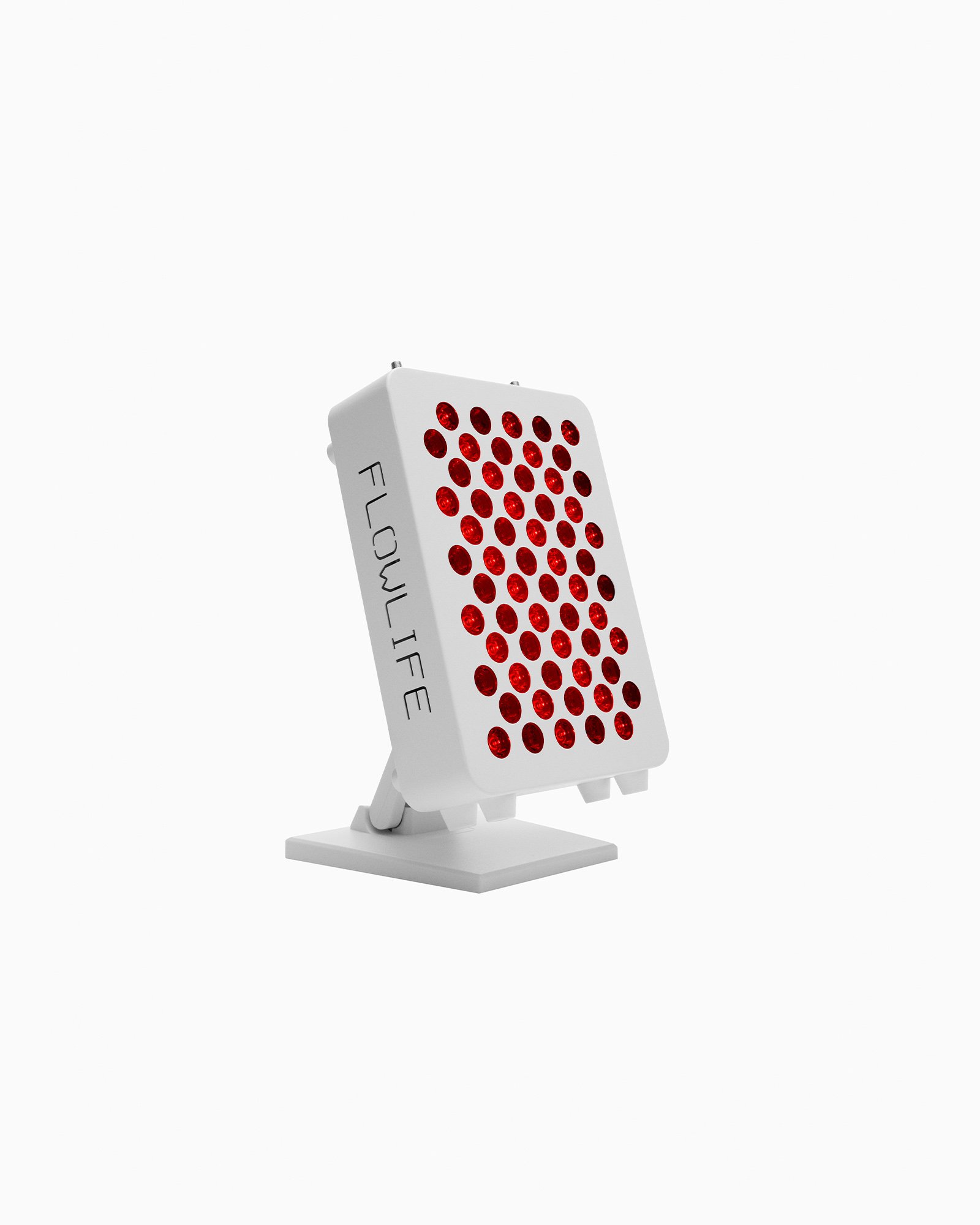
Flowplunge Go
149 EUR89 EUR
FAQ
What is runner's knee, and how do I know if I have it?
What is patellar tendinitis, and why does it keep coming back?
What is IT band syndrome, and what causes it?
What is knee osteoarthritis, and can it be managed?
What is knee bursitis?
Why does my knee hurt after running?
Runner's knee (patellofemoral pain syndrome) is pain around or behind the kneecap caused by irritation of the cartilage on the underside of the patella. It is the most common knee complaint in runners, cyclists, and people who spend long periods sitting with bent knees.
When kneecap tracking is off due to muscle imbalances or weak hip muscles, the patella rubs unevenly against the cartilage beneath it, producing a dull aching pain around the front of the knee that worsens going downstairs, squatting, or sitting for long periods.
Downhill running, stairs, prolonged sitting with bent knees, weak glutes and hip abductors, and tight IT band and quadriceps all aggravate the condition.
Cold therapy is the most practical first response after activity. Red light therapy supports cartilage repair and reduces chronic inflammation. Compression improves circulation and reduces swelling. TENS provides effective pain relief during flare-ups.
Apply cold therapy for 10 to 15 minutes after activity. Use red light therapy consistently over 4 to 8 weeks. Addressing weak glutes and hip stability is essential for long-term resolution.
EXPLORE

Patellar tendinitis (jumper's knee) is inflammation and degeneration of the patellar tendon connecting the kneecap to the shinbone. It is common in sports involving repeated jumping, sprinting, and heavy quadriceps loading.
The pain is sharp and localized at the bottom of the kneecap, worst at the start of activity. The patellar tendon has poor blood supply and heals slowly. Repeated loading without adequate recovery causes micro-tears that accumulate into chronic tendinopathy.
High-volume jumping and sprinting, hard surfaces, sudden load increases, and training through pain are the main contributors.
Red light therapy stimulates cellular repair in tendon tissue that heals slowly due to limited blood supply. Cold manages acute pain after loading. A massage gun targeting the quadriceps reduces tension transferred to the tendon. Compression supports circulation during recovery.
Red light therapy over the patellar tendon for 10 to 15 minutes, 4 to 5 times per week, produces measurable improvements over 6 to 12 weeks. Cold after heavy loading. Reduce but do not eliminate tendon stress during recovery.
EXPLORE

IT band syndrome is irritation and inflammation of the iliotibial band, a thick strip of connective tissue running from the hip down the outside of the thigh to the knee. It is one of the most common causes of lateral knee pain in runners and cyclists.
The IT band does not stretch like a muscle. When tight, it rubs against the bony prominence on the outside of the knee during running, producing a sharp, burning pain on the outer side that develops after a consistent distance and worsens progressively.
Downhill running, cambered surfaces, sudden mileage increases, weak glutes, and excessive hip drop all contribute.
A massage gun targeting the TFL at the hip and the lateral quadriceps is the most direct tool. Cold applied to the outer knee after running reduces localized inflammation. Red light therapy supports tissue repair in the irritated band and surrounding bursa.
Apply a massage gun to the hip and outer thigh before and after running. Cold on the outer knee after activity for 10 to 15 minutes. Glute and hip strengthening is essential alongside recovery tools.

Knee osteoarthritis is a degenerative joint condition involving the gradual breakdown of cartilage cushioning the knee joint. It is the most common form of arthritis and affects a significant proportion of people over 50.
As cartilage wears down, the bones of the knee come closer to direct contact, causing pain, stiffness, and inflammation. The pain is a deep aching worse after inactivity and after prolonged activity. Swelling, reduced range of motion, and a grinding sensation are common.
High-impact activity, excess body weight, prolonged inactivity, cold damp conditions, and muscle weakness around the knee all worsen symptoms.
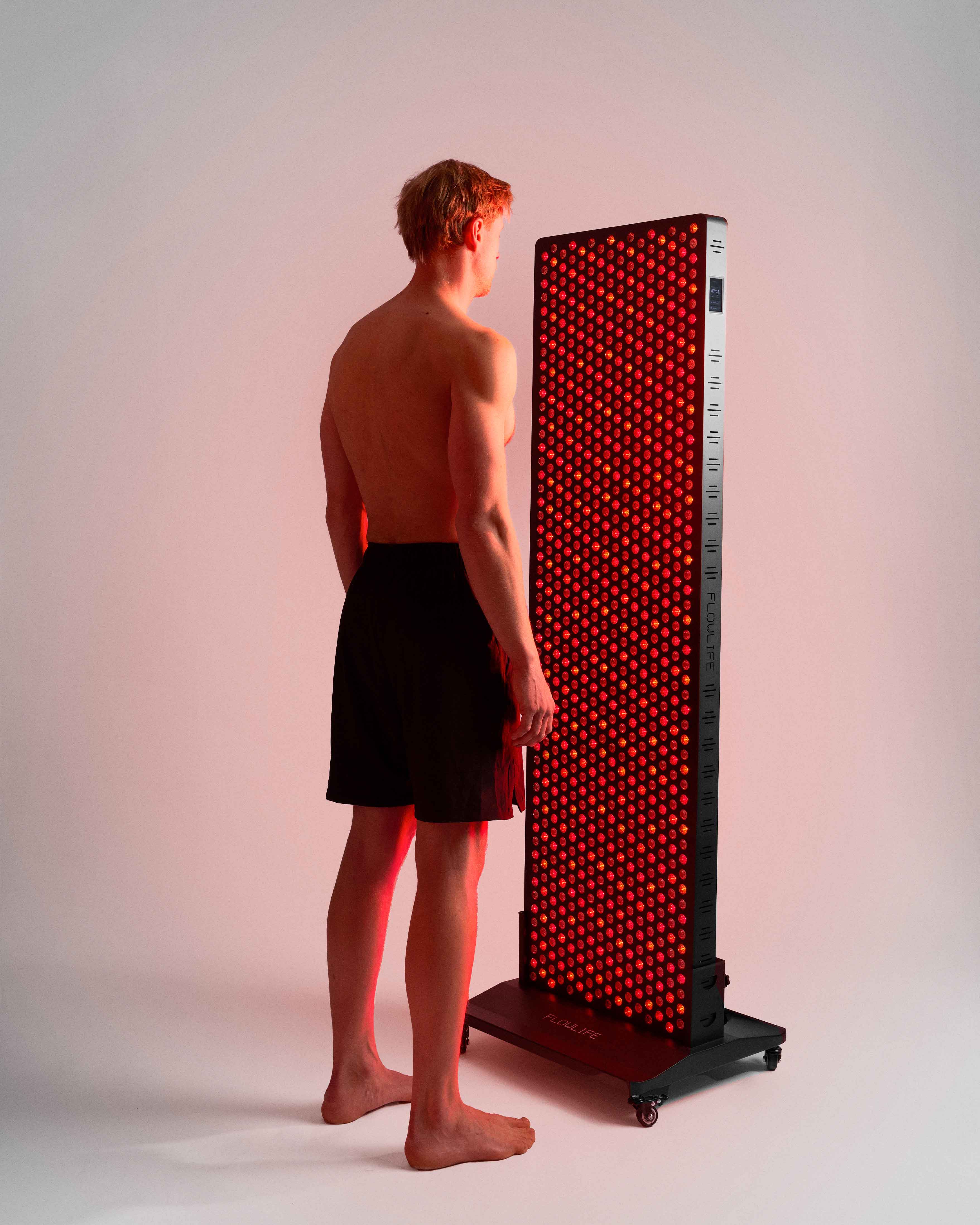
Red light therapy is among the most well-researched non-pharmacological interventions for knee osteoarthritis, reducing inflammation and supporting remaining cartilage. TENS provides effective pain management. Heat reduces stiffness before activity. Cold manages flare-ups.
Red light therapy daily over the knee produces cumulative improvements over 4 to 8 weeks. TENS for 20 to 30 minutes on high-pain days. Heat before activity and cold after manage day-to-day symptoms.
EXPLORE
Knee bursitis is inflammation of one of the small fluid-filled sacs cushioning the knee joint. The most common forms are prepatellar bursitis at the front of the kneecap and pes anserine bursitis on the inner side of the knee below the joint.
When a bursa becomes inflamed it fills with excess fluid, producing localized swelling, warmth, and pain. Prepatellar bursitis produces visible swelling in front of the kneecap. Pes anserine bursitis produces pain on the inner side of the knee below the joint line.
Repeated kneeling, direct impact to the front of the knee, tight hamstrings, and overuse all contribute.
Cold therapy reduces acute inflammation and swelling most effectively in early stages. Red light therapy supports resolution of chronic inflammation. Compression reduces swelling and supports the joint.
Cold therapy for 10 to 15 minutes several times per day during acute flare-ups. Red light therapy over the bursa site for 10 to 15 minutes daily supports resolution over 2 to 4 weeks. Avoid direct pressure on the inflamed bursa during recovery.
EXPLORE

Post-run knee pain can indicate runner's knee, IT band syndrome, patellar tendinitis, or general overuse. The location is the best guide: pain under the kneecap points to patellofemoral issues, outer side suggests IT band syndrome, and below the kneecap suggests patellar tendinitis.
Running repeatedly loads the knee through hundreds of impact cycles per kilometer. When load exceeds recovery capacity, tissues accumulate micro-damage faster than they can repair. Pain signals that recovery has not kept pace with training.
Too much too soon is the most common cause. Running on consecutive days without adequate recovery, worn-out shoes, and hard or cambered surfaces all increase the risk.
Cold therapy applied immediately after running reduces acute inflammation. Compression improves venous return and lymphatic clearance. Consistent red light therapy between sessions supports tissue repair. A massage gun targeting the quadriceps, hamstrings, and glutes releases mechanical tension.
Apply cold therapy for 10 to 15 minutes immediately after running. Follow with compression for 20 to 30 minutes. Use red light therapy on rest days to support ongoing tissue repair.
EXPLORE

FAQ