Save 79.60 EUR
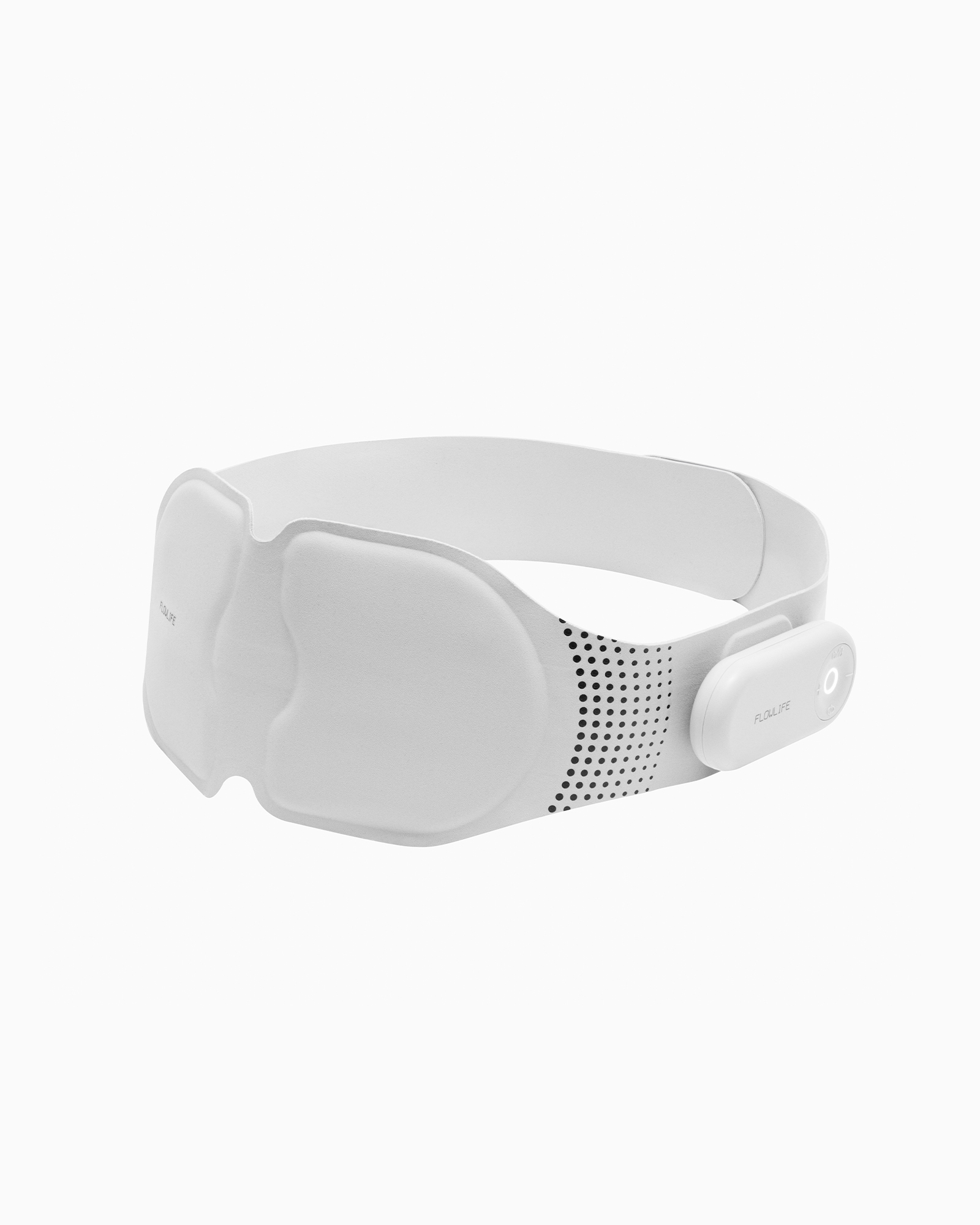
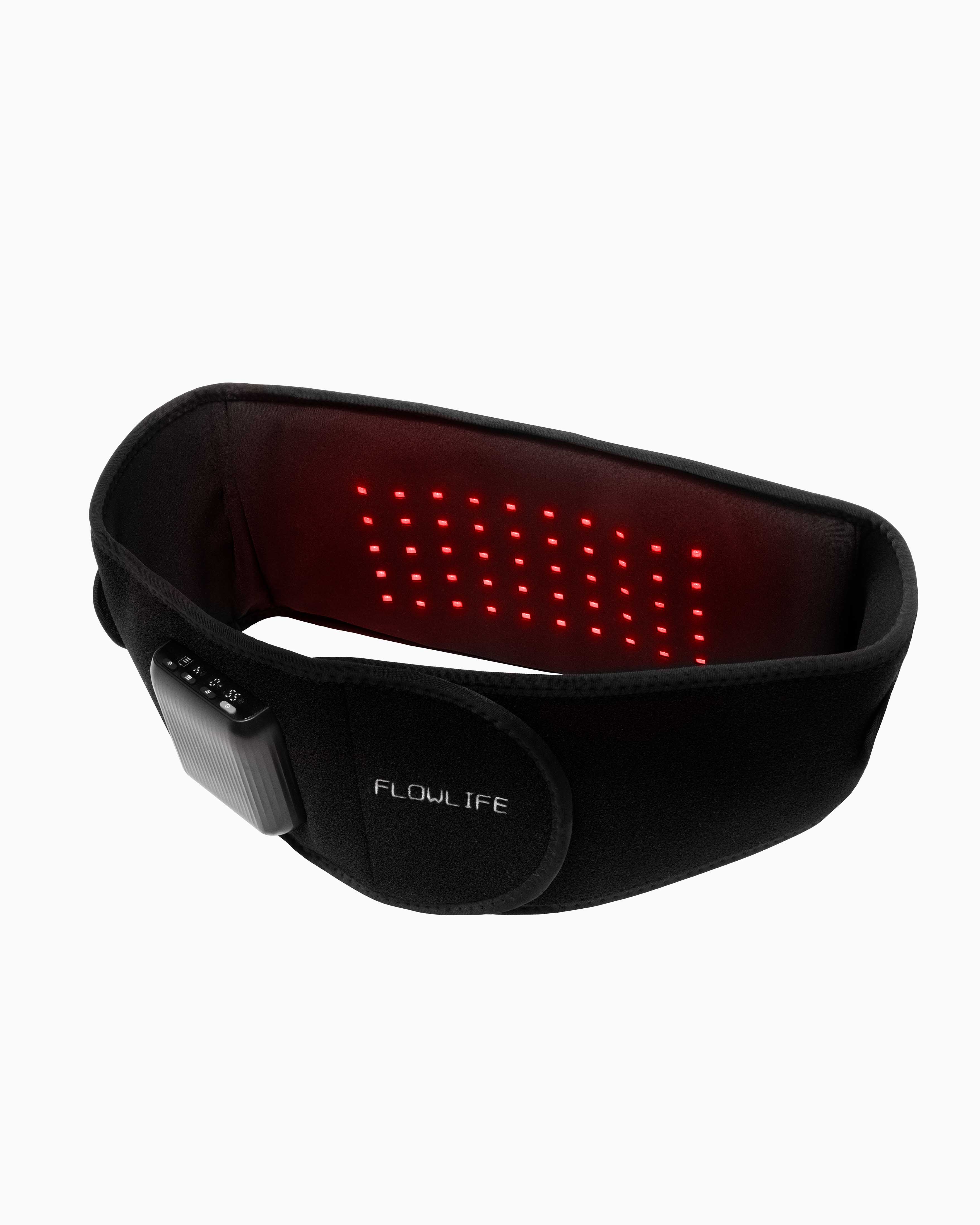
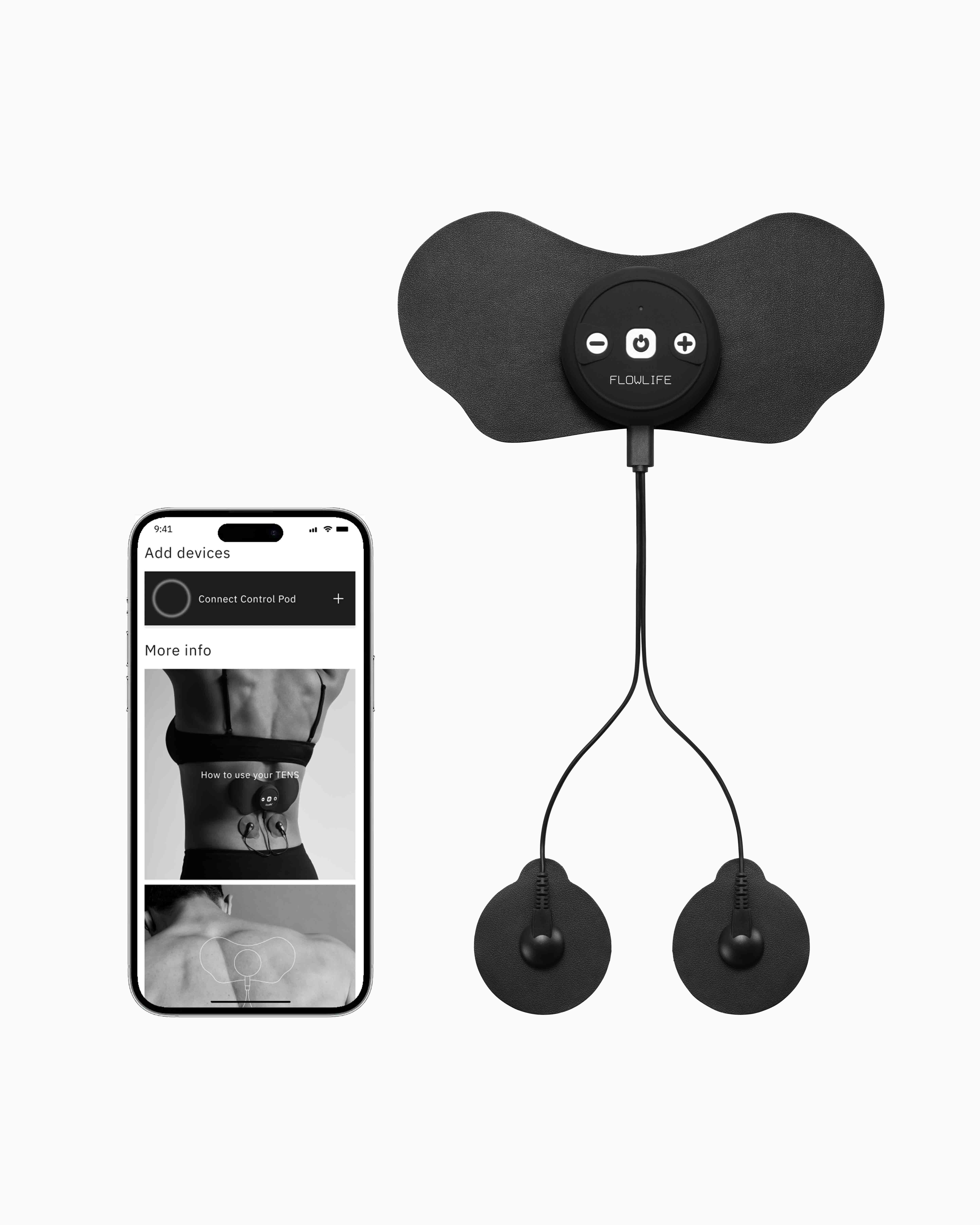
Flowtens Belt
TENS Units
199 EUR119 EUR

Pain & Common Problems
Core pain covers a wide range of conditions from abdominal muscle strains to hip flexor injuries and rib issues, and they all have one thing in common: they affect almost every movement the body makes. A core injury does not allow easy rest, because the core is involved in breathing, sitting, standing, and sports. The conditions below cover the most frequent causes of core pain and what actually helps recovery.
Flowtens Belt
199 EUR119 EUR
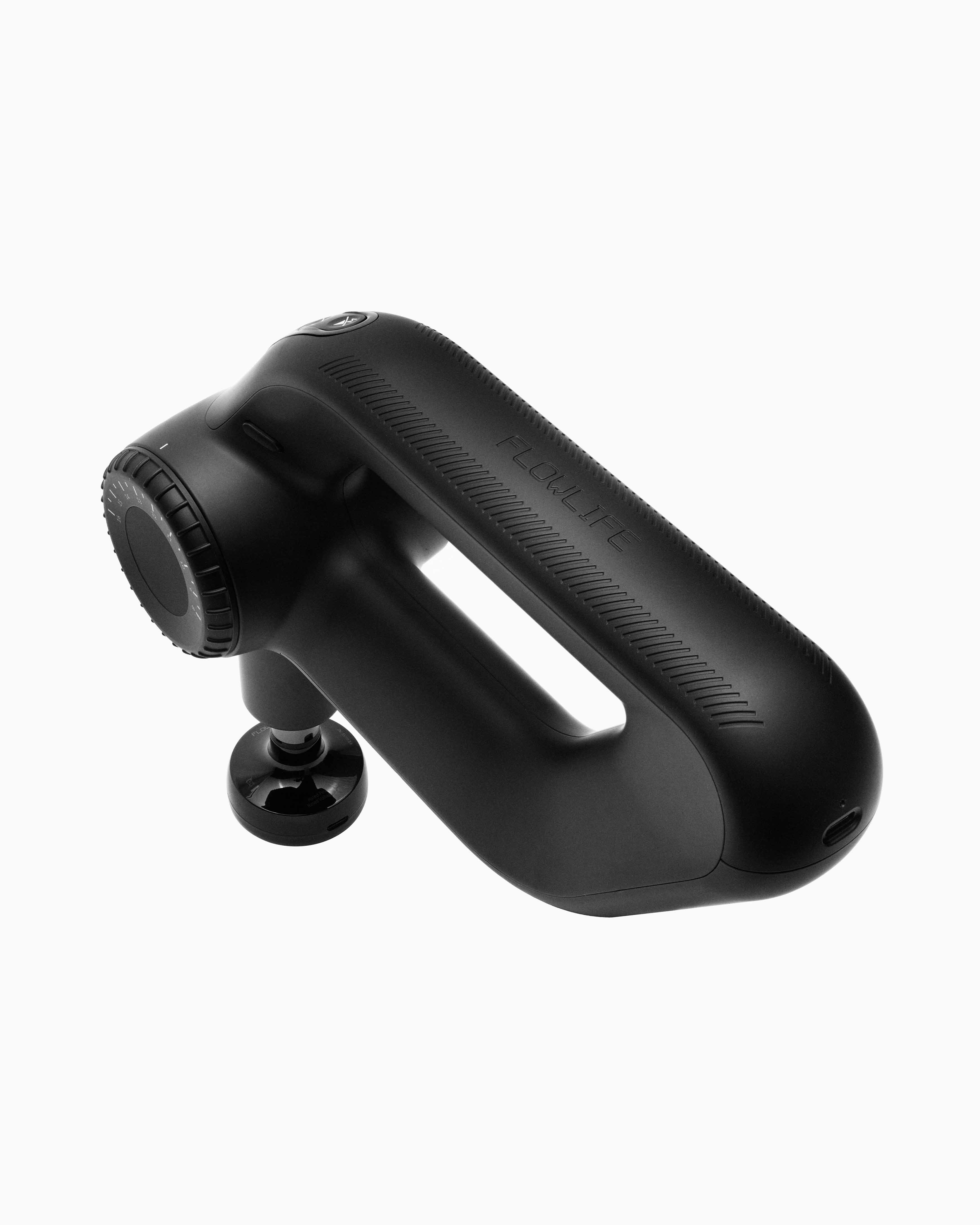
Flowgun Ultra
599 EUR401 EUR
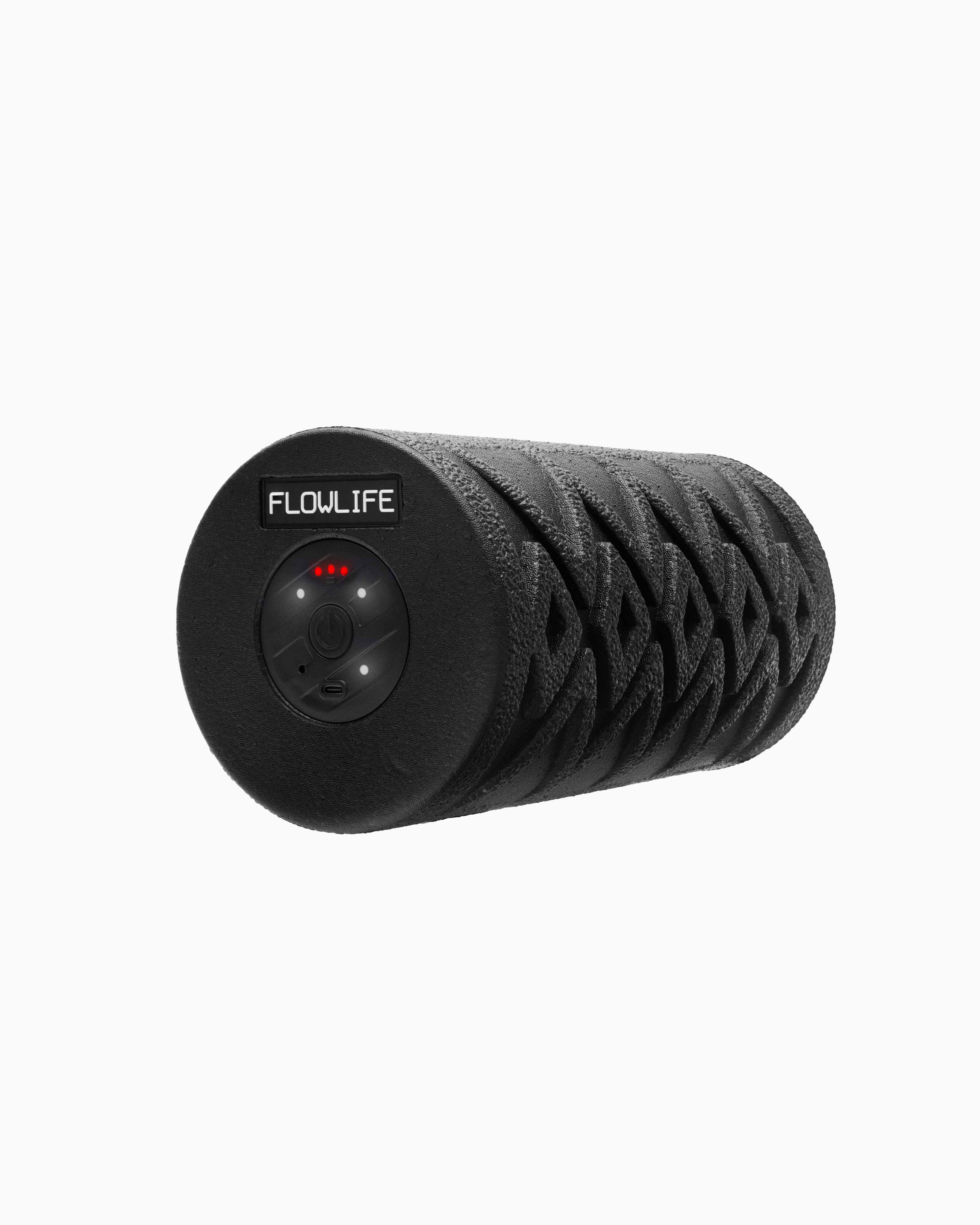
Flowroller Pro
199 EUR133 EUR
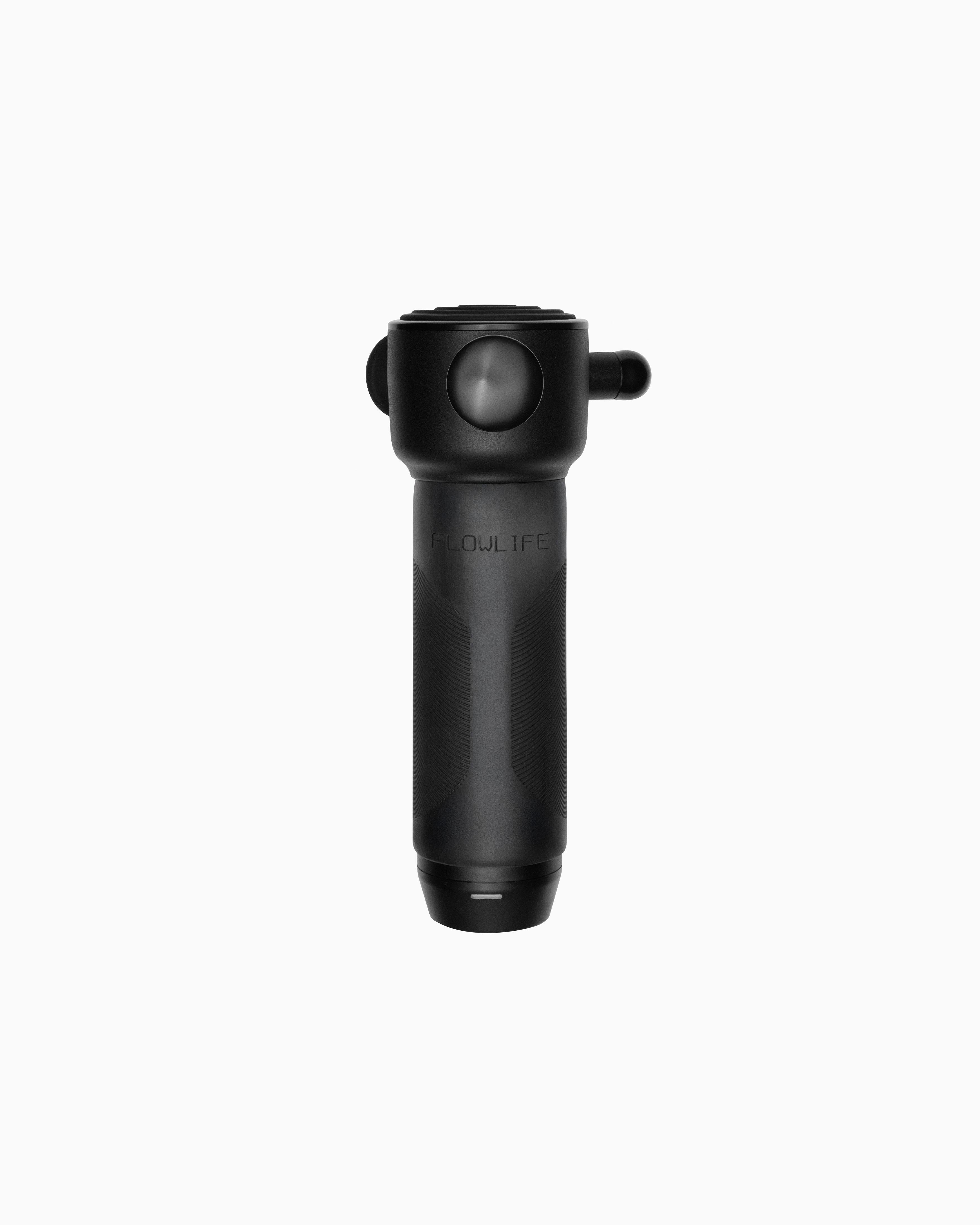
Flowsonic Pro
249 EUR149 EUR

Flowplunge Go
149 EUR89 EUR
FAQ
What is an abdominal muscle strain?
What is hip flexor pain in the core region?
What causes rib pain and costochondritis?
An abdominal muscle strain is a tear in one of the abdominal wall muscles, most commonly the rectus abdominis or the obliques. It occurs during sudden, forceful contractions such as heavy lifting, violent coughing, or explosive rotational movements in sport.
The pain is typically sharp and localized at the time of injury, followed by a deep, aching tenderness in the abdomen that worsens with any movement involving the trunk, including sitting up, coughing, sneezing, and rotating.
Any activity that requires the abdominal muscles to contract forcefully worsens the pain in the acute phase. Heavy lifting, coughing, and rotational sport movements are particularly provocative.
Cold therapy in the first 48 to 72 hours reduces swelling and pain in the acute phase. Red light therapy accelerates cellular repair in the damaged muscle tissue once acute inflammation has settled. TENS therapy provides effective pain management for the deep aching that persists through recovery.
Cold therapy for 15 to 20 minutes several times per day in the first 48 to 72 hours. Red light therapy over the affected area, starting on day 2 or 3, accelerates repair. Most abdominal strains resolve within 2 to 6 weeks, depending on severity.

Hip flexor pain in the core region involves the iliopsoas, the deep hip flexor muscle that attaches to the lumbar spine and runs through the pelvis to the femur. It can produce deep lower abdominal and groin pain that is difficult to distinguish from other causes.
The iliopsoas crosses multiple joints and is involved in hip flexion, lumbar stabilization, and upright posture. When strained by sudden forceful hip flexion or chronically tight from prolonged sitting, it produces a deep aching in the lower abdomen and groin, sometimes with a snapping sensation in the hip when walking.
Prolonged sitting, sprinting and kicking movements, high training volume in running and cycling, and weak core muscles that force the iliopsoas to compensate for stabilization all worsen the condition.
Heat therapy is the most effective tool for hip flexor tightness, relaxing the deep muscle and improving extensibility before activity. A massage gun targeting the hip flexors and anterior hip releases tension in the TFL. Red light therapy supports cellular repair for actual muscle strain. TENS therapy manages the persistent deep aching.
Heat therapy for 15 minutes before activity reduces hip flexor stiffness. A massage gun on the anterior hip and TFL for 2 to 3 minutes before training. Red light therapy over the lower abdomen and anterior hip daily for acute strain recovery.

Rib pain from training most commonly involves intercostal muscle strain, stress fractures from high-volume rowing or throwing, or costochondritis, which is inflammation of the cartilage connecting the ribs to the sternum. Costochondritis produces tenderness directly over the costochondral junction.
Costochondritis produces a sharp or aching pain at the front of the chest along the sternum that worsens with pressing on the affected area, deep breathing, coughing, and twisting movements. Intercostal strain produces pain along the ribcage between specific ribs, worsened by breathing and rotational movements.
Repeated overhead or rotational loading, coughing, deep breathing, and direct pressure on the affected area all worsen rib and costochondral pain.
Red light therapy reduces inflammation in the affected cartilage and surrounding tissue. TENS therapy provides effective pain management for the sharp pain of rib and chest wall injuries. Heat therapy relaxes the intercostal muscles and reduces the protective spasm that limits breathing and movement.
Red light therapy over the affected area for 10 minutes daily reduces inflammation over 2 to 4 weeks. Always seek medical evaluation for chest pain to rule out cardiac causes before treating as musculoskeletal.

FAQ