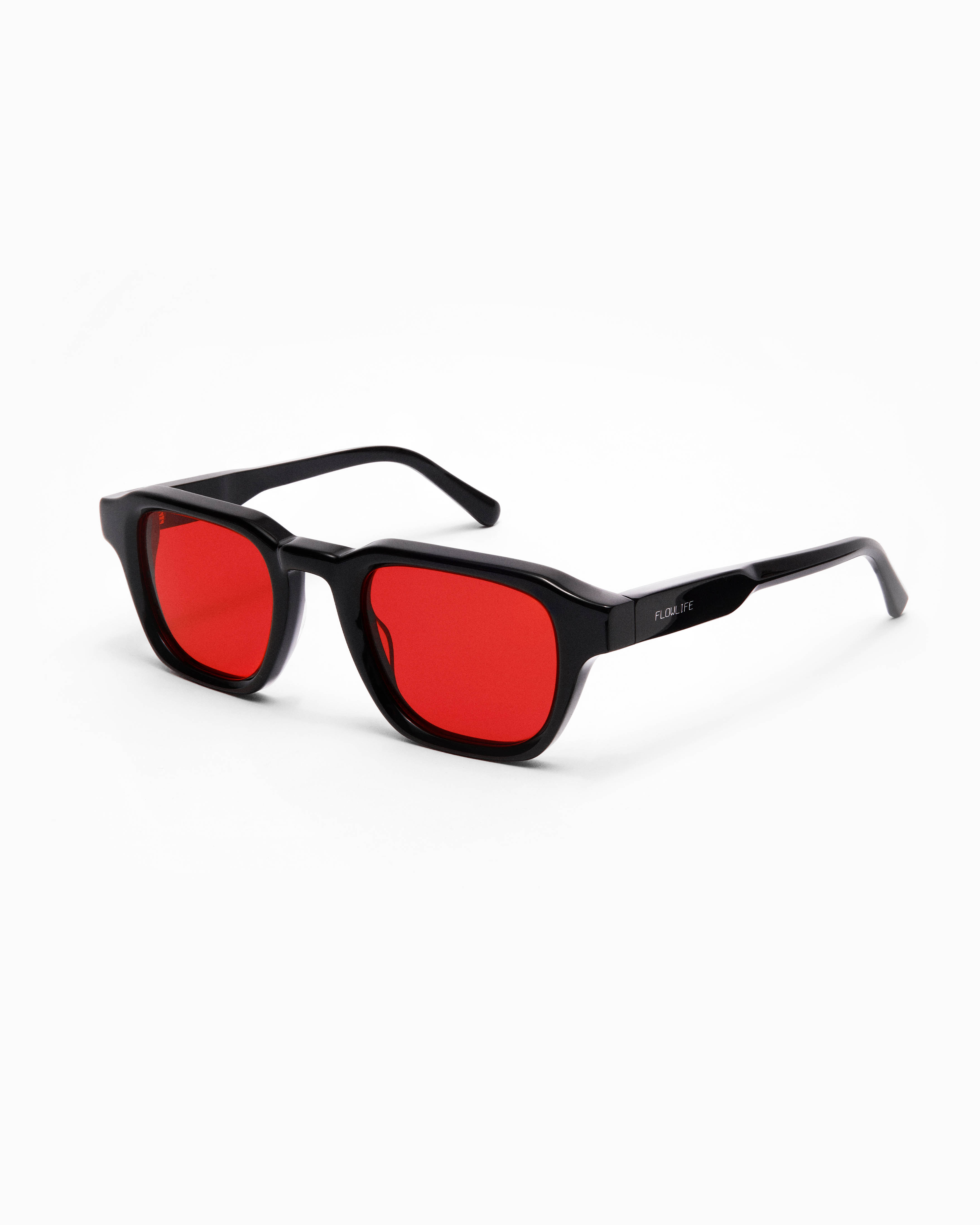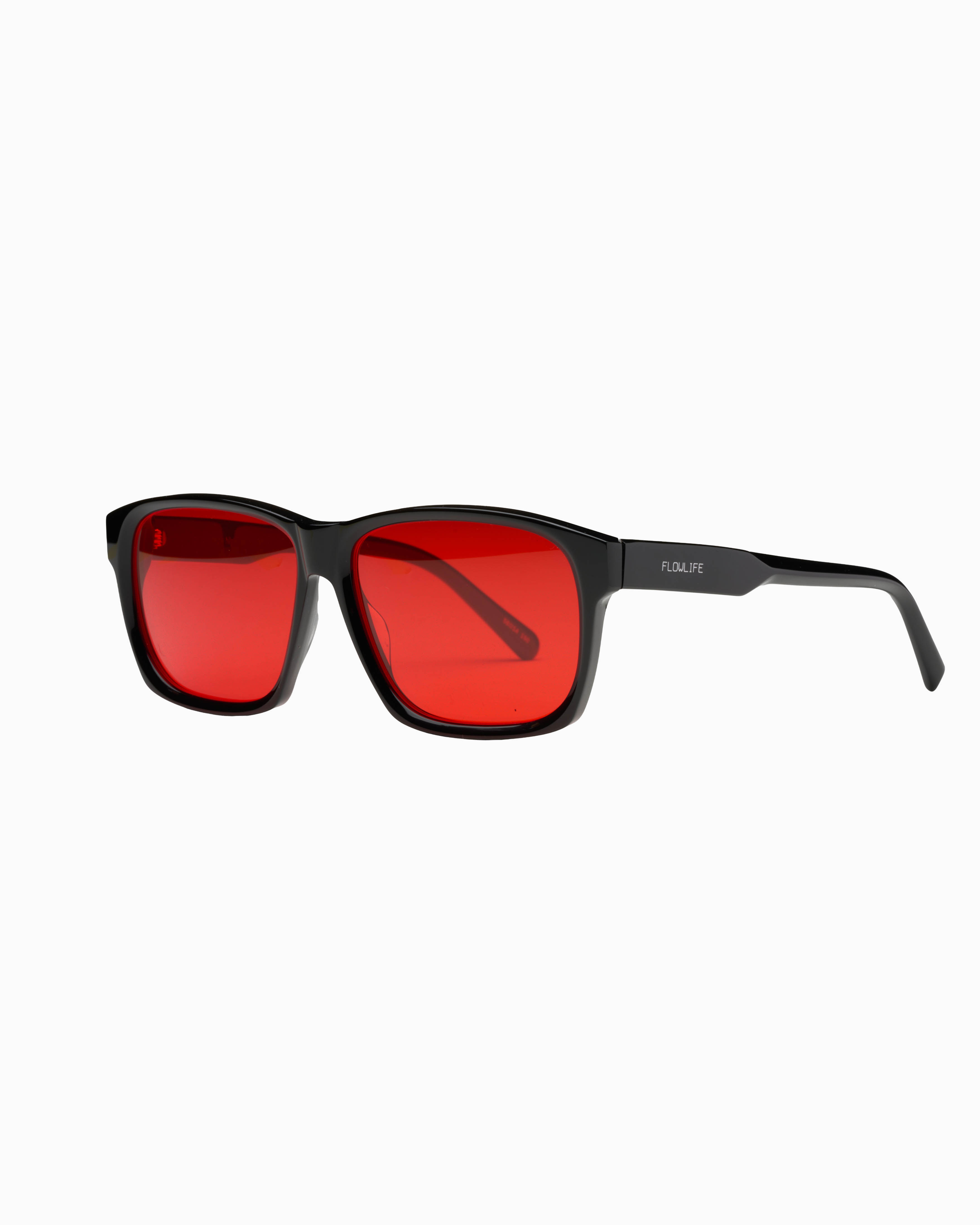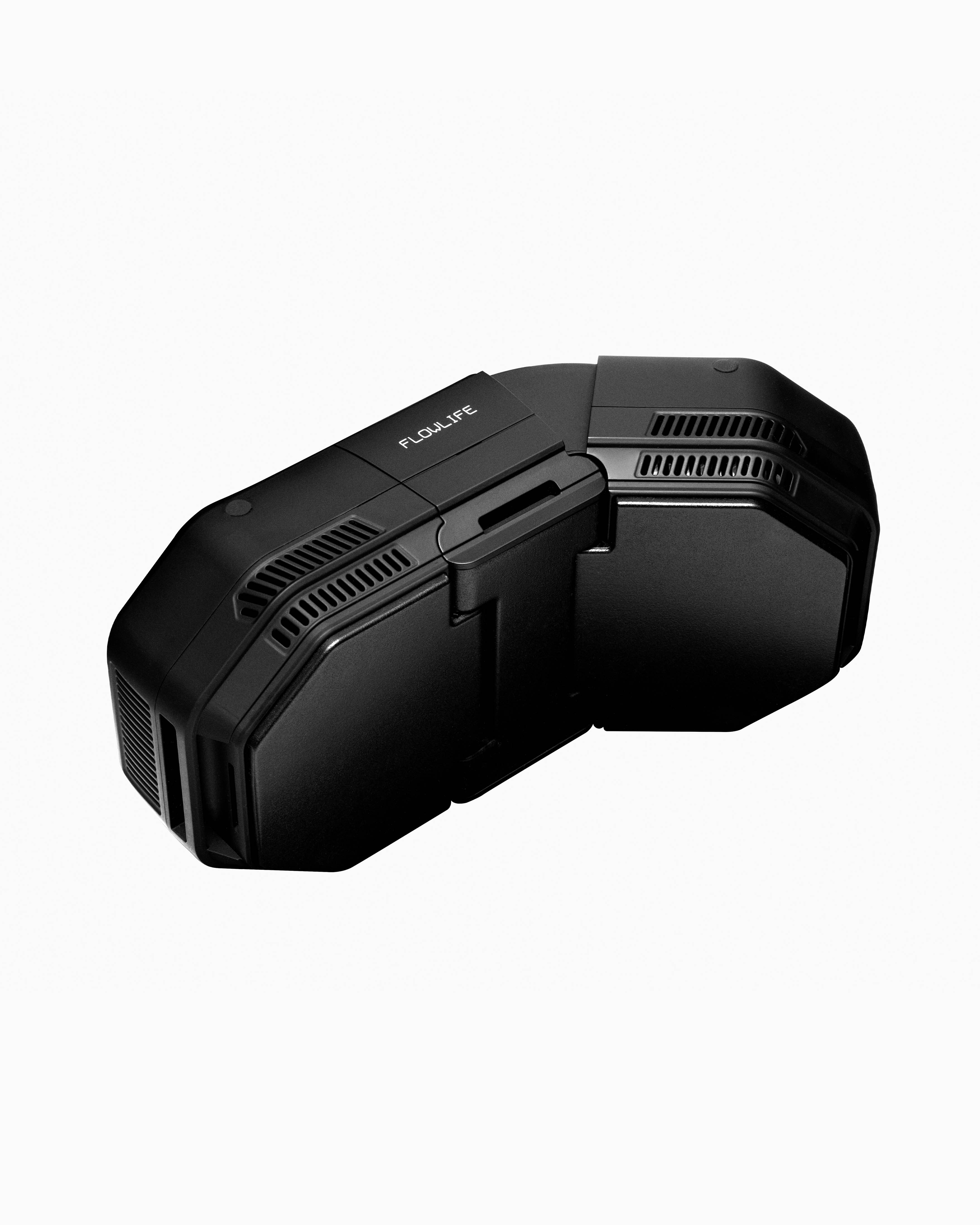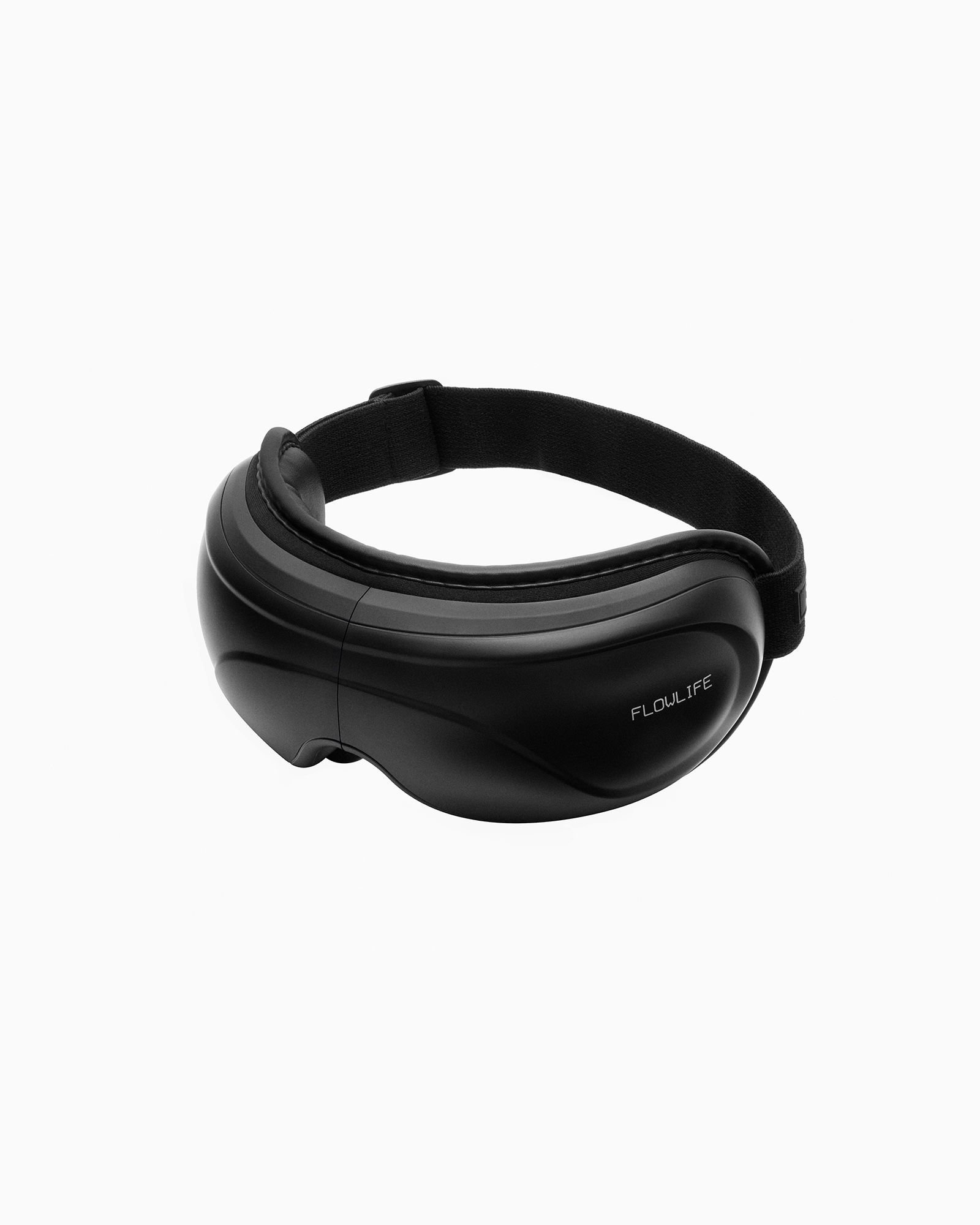
Flowpression Goggles
Compression Equipment
199 EUR

Pain & Common Problems
Face pain is one of the most disruptive forms of pain because it is impossible to ignore. TMJ disorder, jaw tension from bruxism, and facial muscle pain affect sleep, eating, and concentration. Most cases are driven by muscle tension and stress and respond well to targeted recovery. The conditions below cover the most common causes of facial pain, what drives them, and what helps.
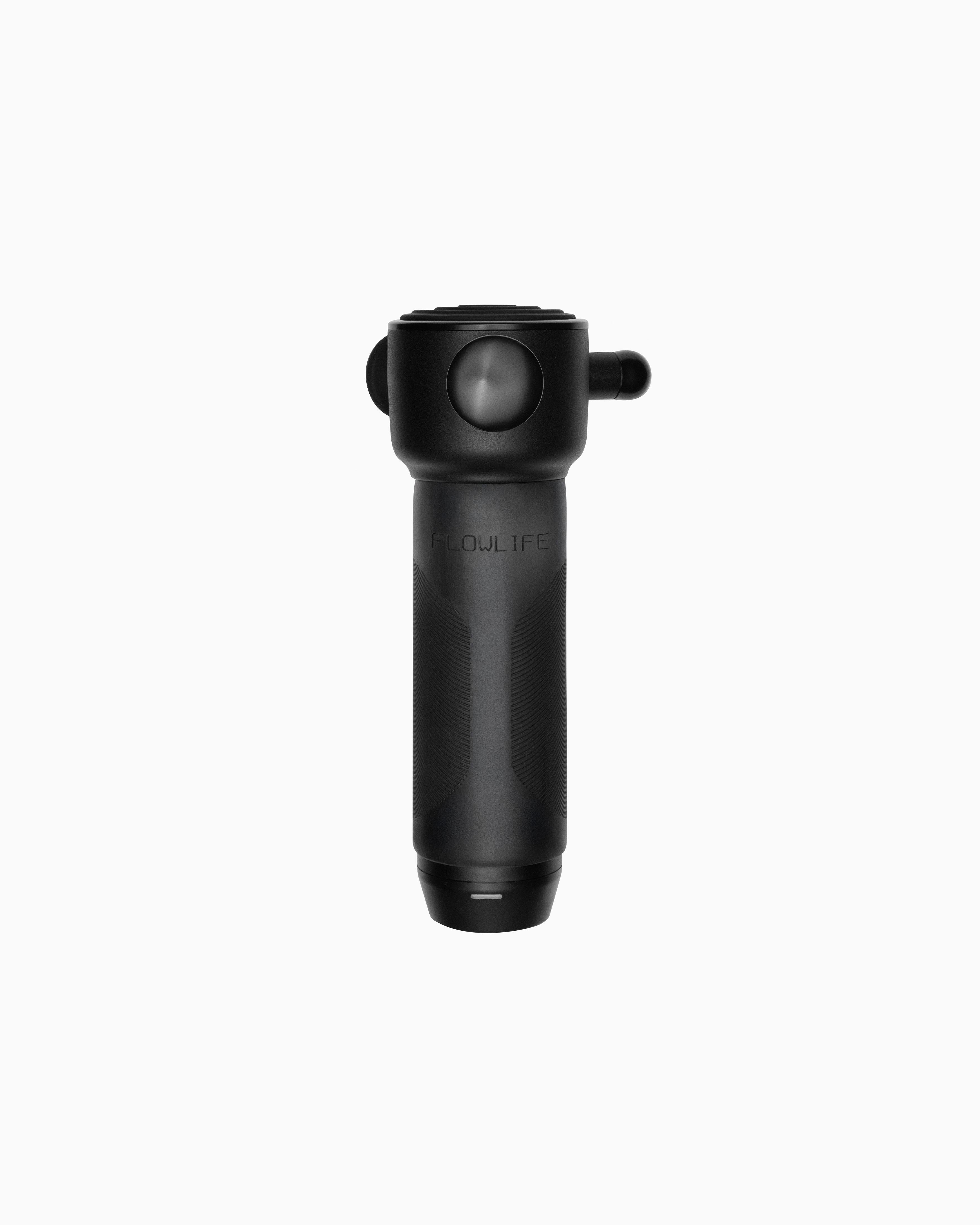
Flowsonic Pro
249 EUR149 EUR
FAQ
What is TMJ disorder, and what causes it?
What is bruxism, and how does it cause pain?
What causes jaw and facial muscle tension?
TMJ disorder involves pain and dysfunction in the temporomandibular joint, the hinge connecting the jaw to the skull in front of the ear. It is a common cause of jaw, facial, and headache pain and affects a significant proportion of adults.
When the muscles controlling the jaw, particularly the masseter and temporalis, are chronically overloaded through clenching, grinding, or stress, they become hypertonic and develop trigger points. The joint itself can become inflamed, producing clicking, popping, and limited opening. The pain is typically a dull ache in the jaw, face, and temples, often worse in the morning or late in the day.
Stress, clenching and grinding during sleep, chewing hard foods during flare-ups, poor posture that pushes the head forward, and prolonged dental procedures all worsen TMJ disorder.
Red light therapy applied to the jaw and masseter regions reduces inflammation in the TMJ and surrounding muscles. TENS therapy relaxes the jaw muscles and provides pain relief. A massage gun on the gentlest setting applied to the masseter and temporalis releases chronic tension. Heat therapy applied externally to the jaw and temple area relaxes the surrounding musculature.
Apply heat therapy to the jaw and temple for 15 minutes in the evening to relax the jaw muscles before sleep. Red light therapy over the jaw for 10 minutes daily supports joint and muscle recovery.

Bruxism is the involuntary clenching and grinding of the teeth, most commonly during sleep. It is extremely common and often goes unnoticed until jaw pain, tooth wear, or a partner's complaints bring it to attention.
The masseter muscle contracts repeatedly throughout the night at forces far exceeding normal chewing forces. This produces chronic overloading of the masseter and temporalis muscles, leading to trigger points, jaw pain, facial pain, headaches, and sometimes ear pain. The jaw often feels stiff and sore first thing in the morning.
High stress and anxiety, caffeine, alcohol, and stimulant use in the hours before sleep all increase bruxism activity. Misaligned teeth and poor sleep quality also contribute.
Red light therapy applied to the masseter and jaw region reduces chronic inflammation in overloaded muscles and supports overnight tissue recovery. Heat therapy applied to the jaw and face in the evening relaxes the masseter before sleep, reducing the baseline tension that drives clenching. TENS therapy can help relax the jaw muscles and reduce pain.
Apply heat to the jaw for 15 minutes in the evening as part of a wind-down routine before sleep. Red light therapy over the jaw and cheeks for 10 minutes daily reduces muscle inflammation over 2 to 4 weeks. A dental night guard is the most effective preventive measure for grinding.

Facial muscle tension involves chronic overactivation of the muscles of facial expression and jaw movement, particularly the masseter, temporalis, and pterygoid muscles. It is primarily driven by stress, habitual clenching, and postural patterns.
Chronically contracted facial muscles develop trigger points that produce localized pain and refer pain to the teeth, ears, temples, and forehead. The tension often feels like a tightness or pressure across the face and head that builds throughout the day.
High stress, prolonged screen use with forward head posture, chewing hard foods, and habitual jaw clenching in response to concentration or anxiety all worsen facial muscle tension.
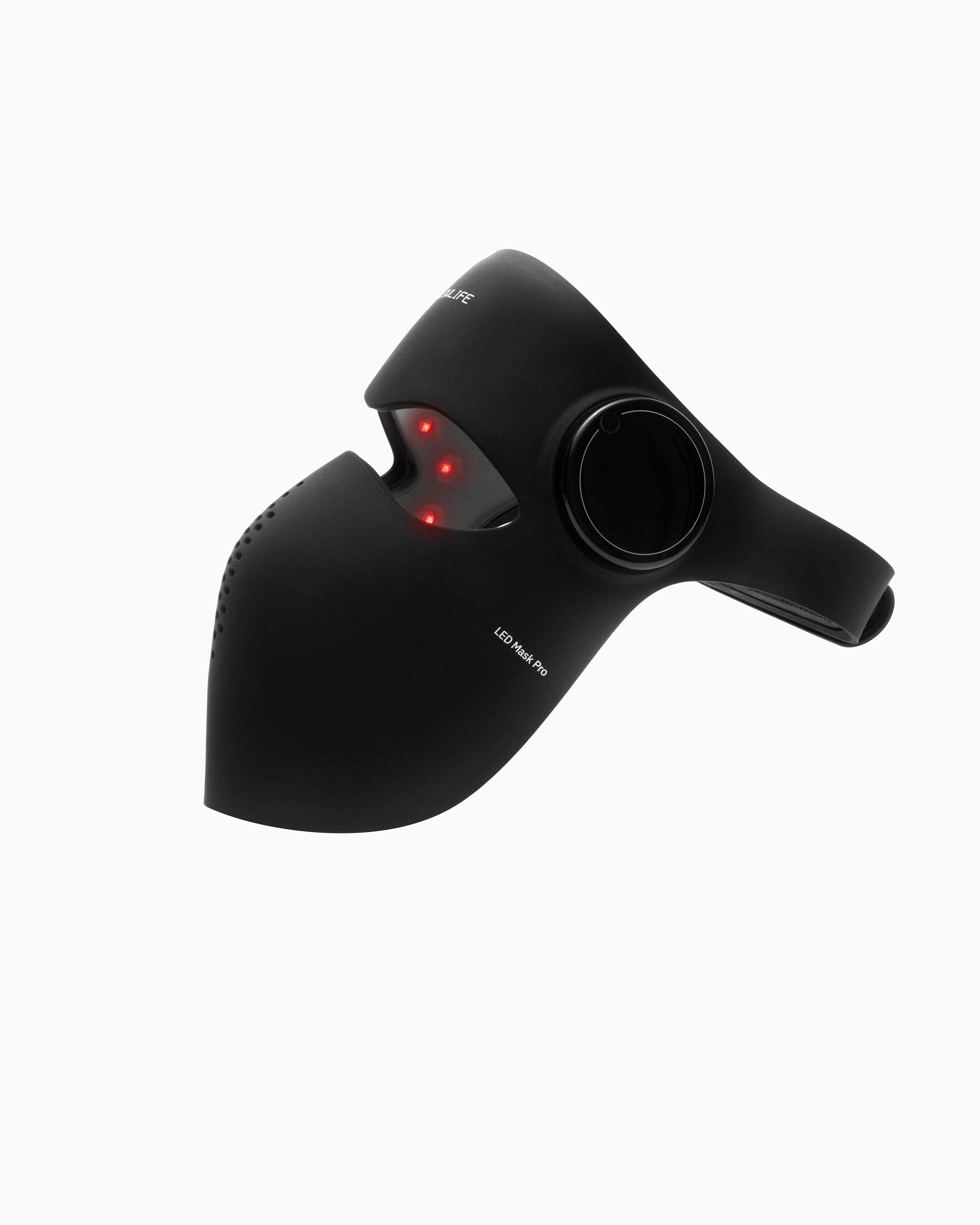
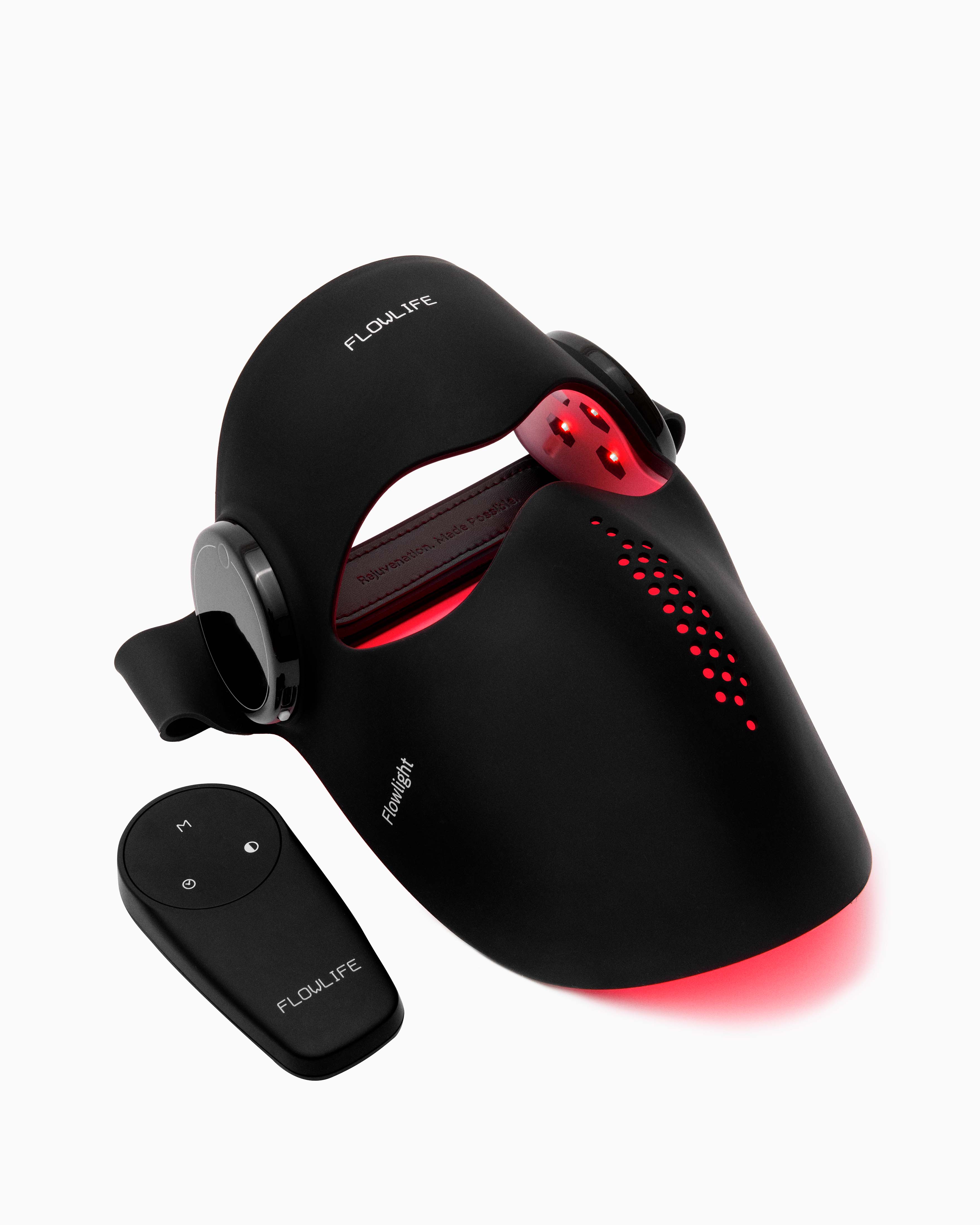
Red light therapy applied to the face reduces chronic inflammation in the overloaded facial muscles and supports their recovery. A red light mask delivers treatment across the entire face simultaneously. Heat therapy applied to the jaw and face relaxes the masseter and temporalis. TENS therapy effectively relaxes the muscles of the jaw and neck.
Using a red light mask for 10 minutes daily reduces facial muscle inflammation and simultaneously improves skin health. Heat therapy to the jaw and temples in the evening for 15 minutes. Stress management and jaw unclenching are the most important behavioral changes alongside recovery tools.

FAQ