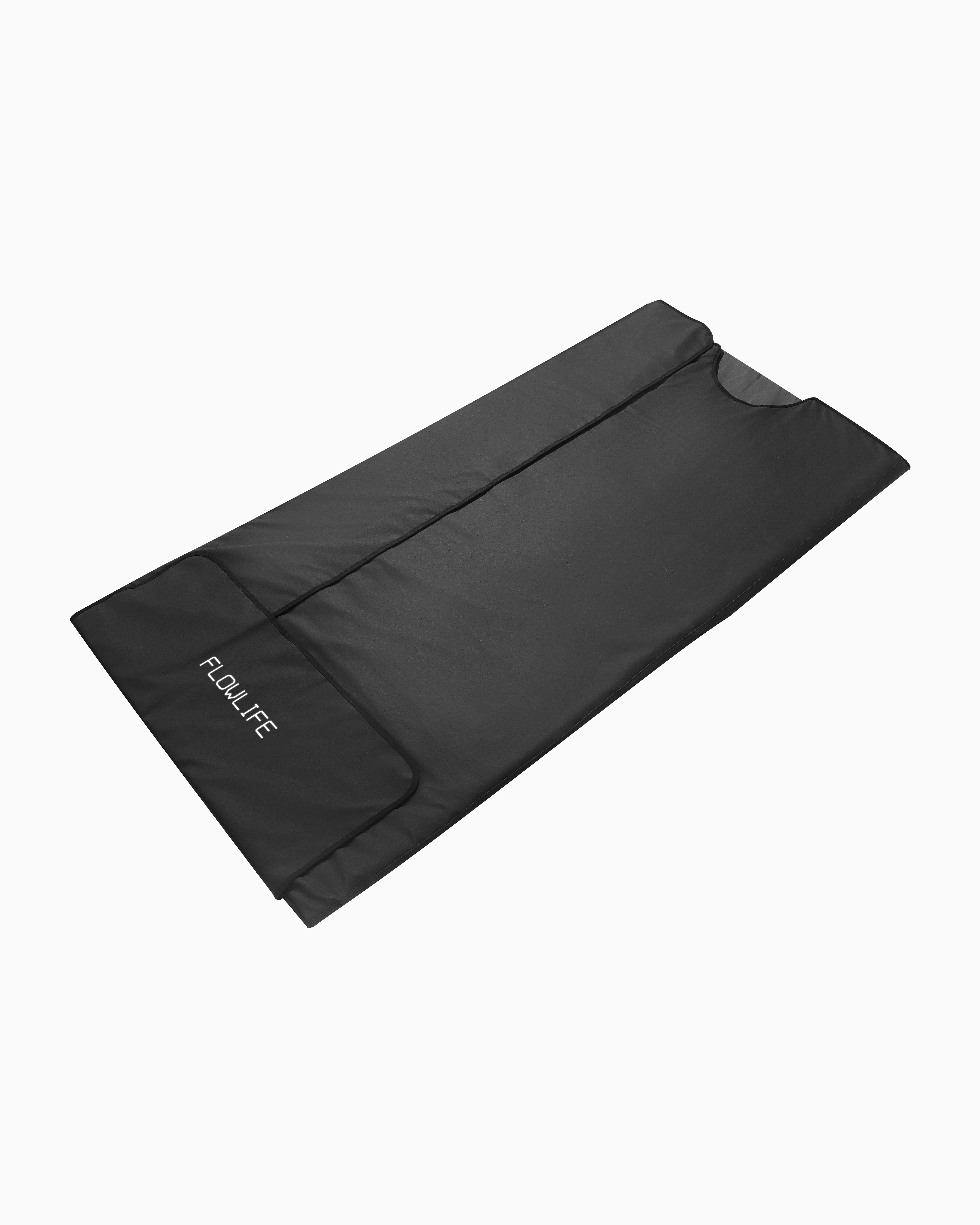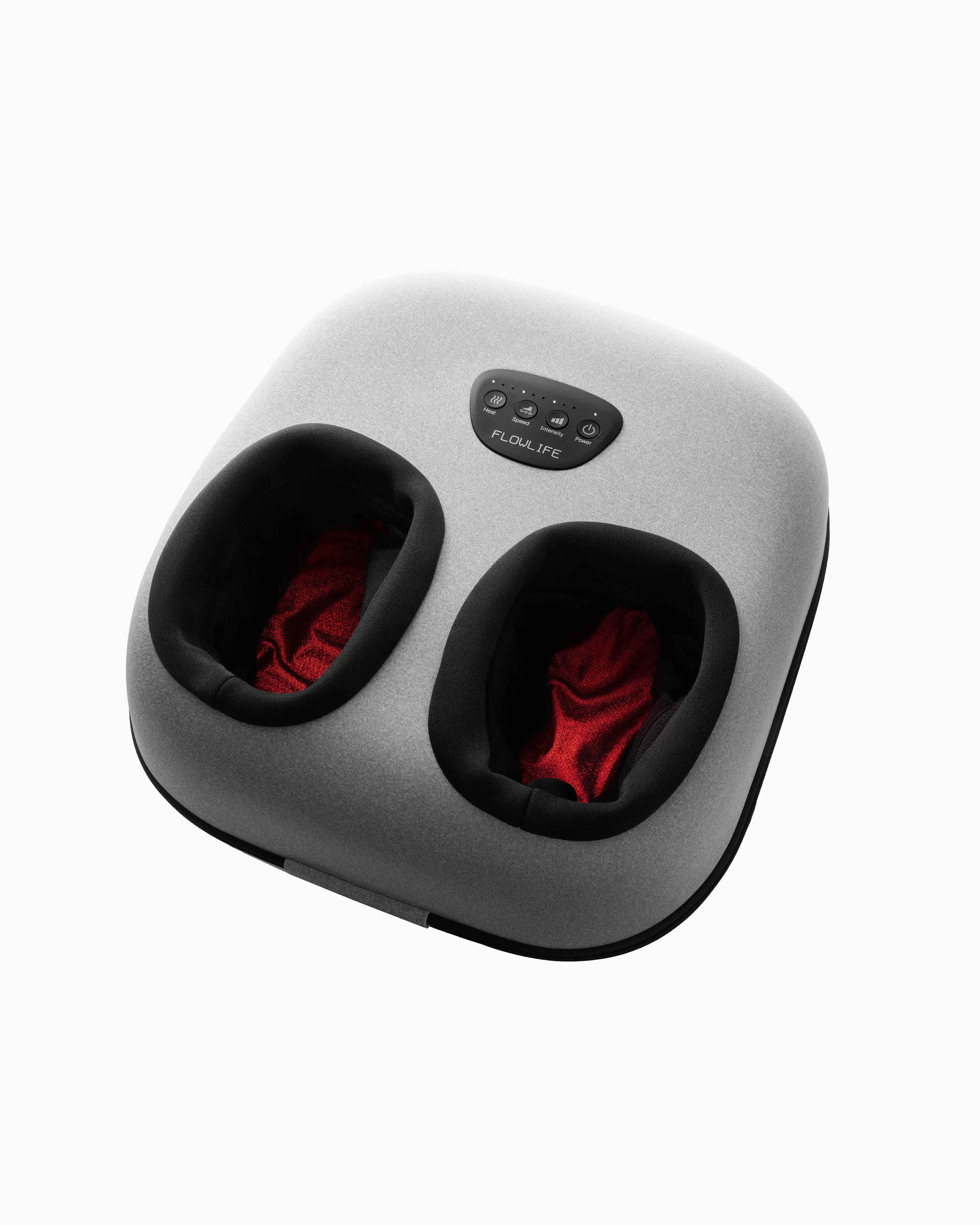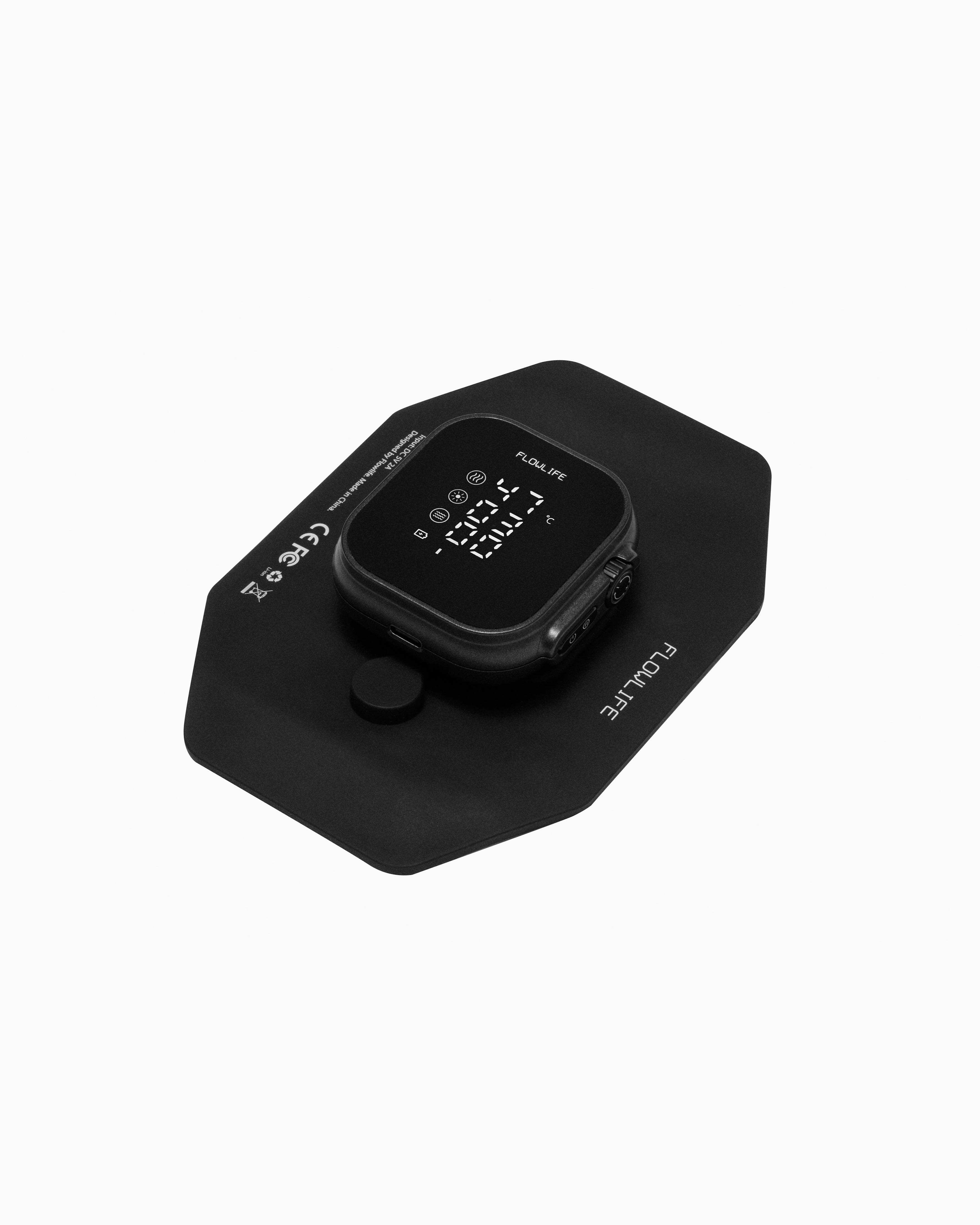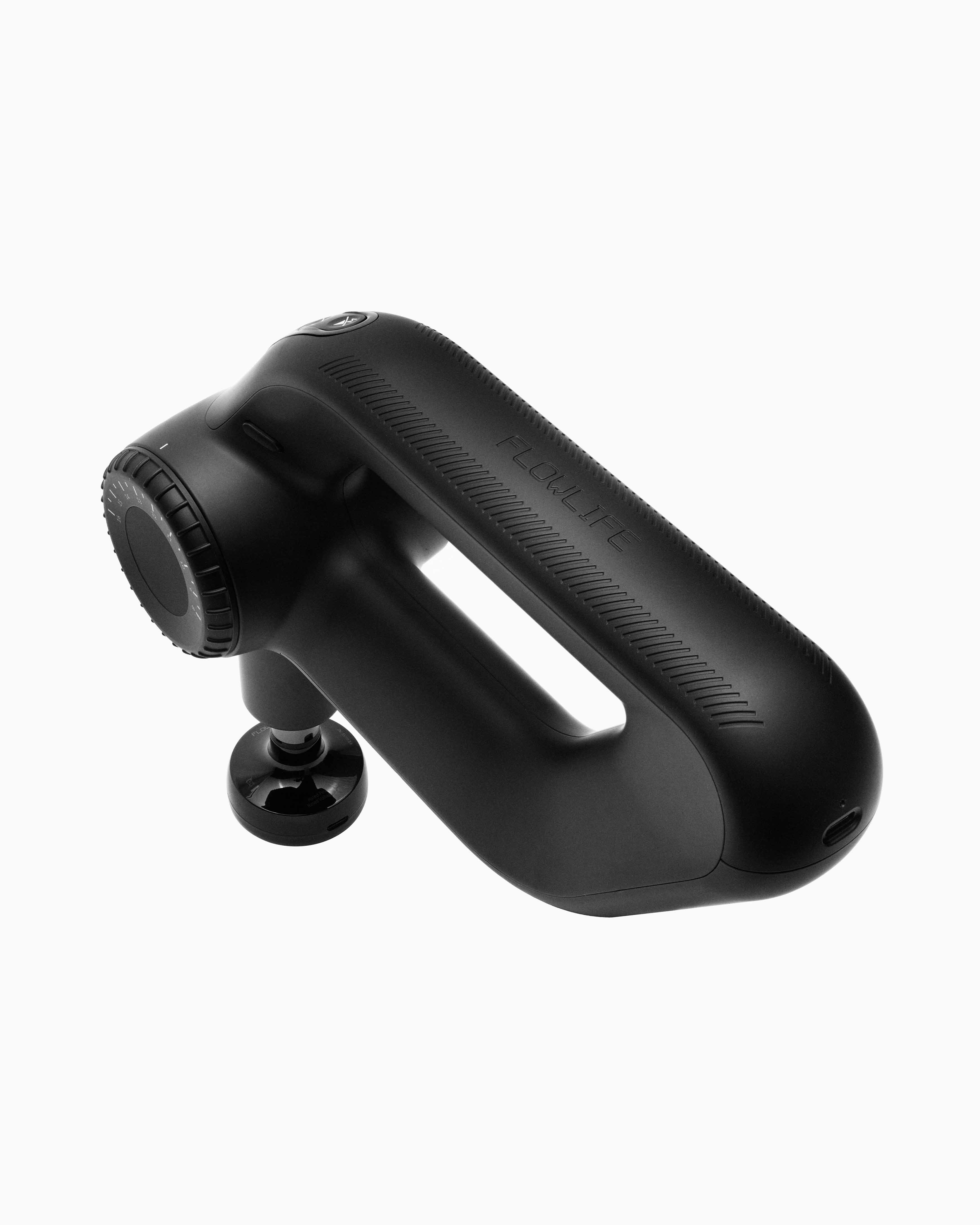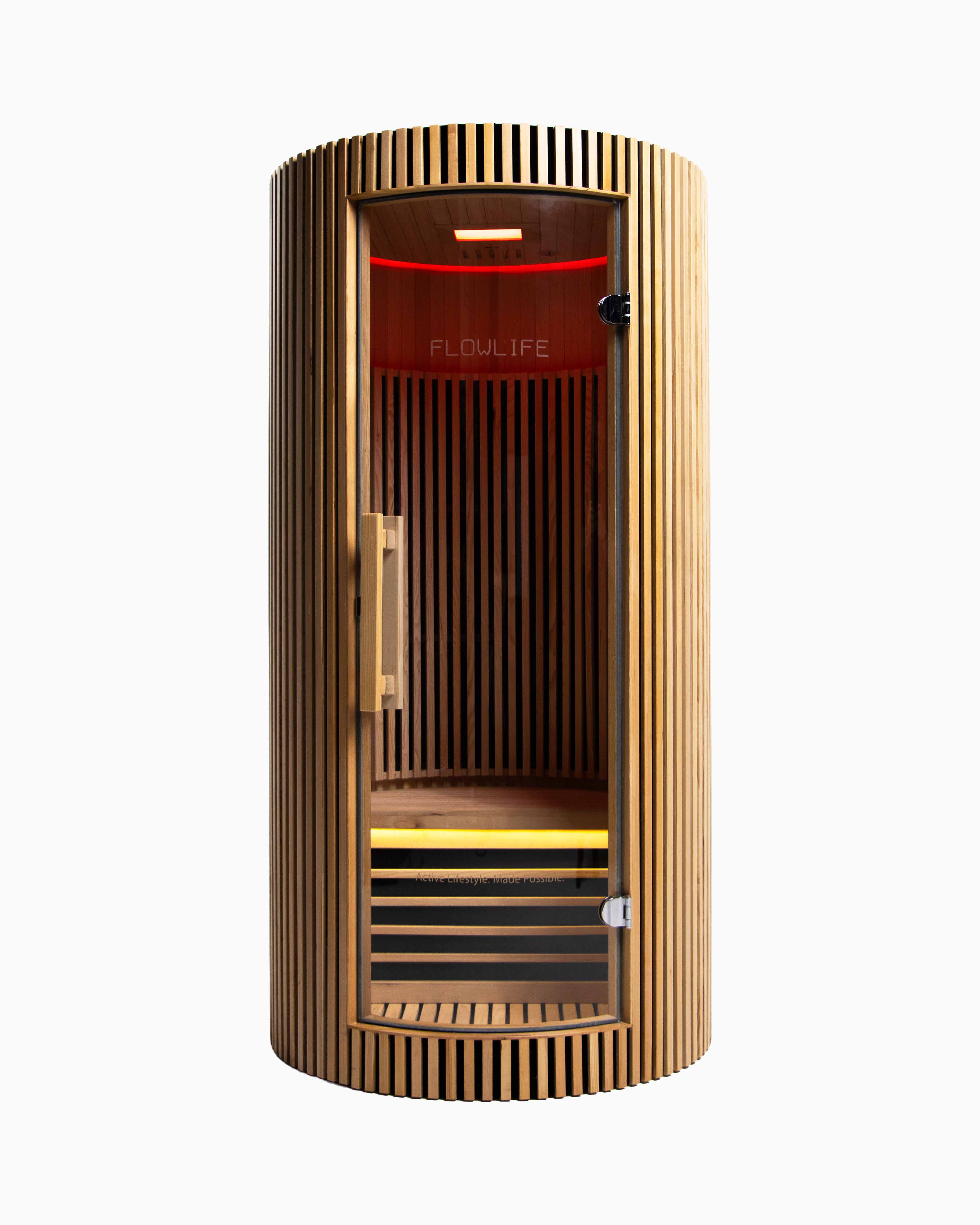
Flowsauna Elite Solo
5 999 EUR

Science
Heat therapy works by raising tissue temperature, triggering a cascade of physiological responses that the body cannot produce through rest alone. Increased blood flow, muscle relaxation, and the activation of heat shock proteins make heat one of the most effective tools for pain relief, recovery, and physical preparation. The science behind therapeutic heat is well established across sports medicine, physiotherapy, and clinical rehabilitation.
FAQ
How does heat therapy work?
Does heat therapy reduce muscle pain and tension?
What are heat shock proteins, and why do they matter?
Does heat therapy improve flexibility and range of motion?
How does infrared sauna therapy work?
Can heat therapy improve sleep?
Is heat therapy safe?
Does heat therapy have cardiovascular benefits?
Is heat therapy safe?
How does heat therapy fit into contrast therapy?
Heat therapy works by raising tissue temperature, triggering vasodilation, increasing blood flow, relaxing muscle fibers, and activating cellular repair mechanisms including heat shock proteins.
When tissue warms up, the blood vessels in and around it expand. More blood flows in, bringing more oxygen and nutrients while carrying away the metabolic waste that builds up during exercise and everyday stress. At the same time, the nerve receptors responsible for maintaining muscle tension become less sensitive at higher temperatures, so muscles relax. The connective tissue, the fascia and tendons surrounding muscle, also becomes more extensible when warm, making movement easier and less restricted. At the cellular level, heat activates a family of protective proteins called heat shock proteins, which repair damaged proteins, support cell regeneration, and improve resistance to future stress.
Research consistently shows that therapeutic heat reduces muscle tension, improves range of motion, and accelerates recovery from exercise-induced muscle damage. Studies confirm significant increases in local blood flow and tissue oxygenation following heat application.
15 to 30 minutes at temperatures between 40 and 60°C produces a full therapeutic response. Heat therapy is most effective before activity to prepare tissue, or in the recovery phase 24 to 48 hours after intense exercise.
Explore

Heat therapy reduces muscle pain and tension by improving circulation to the affected tissue, reducing the sensitivity of pain receptors, and telling the nervous system to ease the tension it is holding in the muscle.
Muscle pain and tension are often due to circulation problems. Tight, contracted muscles reduce blood flow, leading to the accumulation of waste products and a drop in oxygen delivery. Both make the tissue more sensitive and painful. Heat solves this directly, it opens up blood vessels, restores circulation, and clears the waste that was sensitizing the pain receptors. Heat also acts on the nervous system's tension regulation. The signals that keep muscles contracted ease off at higher temperatures, which is why heat is so effective at releasing the kind of deep, stubborn tension that stretching alone does not shift. The surrounding connective tissue softens as well, reducing the stiffness that limits movement and contributes to the feeling of tightness.
Multiple clinical studies show significant reductions in chronic low back pain, neck pain, and exercise-related muscle soreness following heat therapy. Research confirms that moist and infrared heat penetrate deeper into tissues and provide greater pain relief than surface heat alone.
Apply heat to areas of muscle tension or pain for 15 to 20 minutes. Heat therapy is particularly effective for chronic tension and stiffness that builds up from repetitive movement patterns, prolonged sitting, or high training loads.
Heat shock proteins are cellular repair proteins that are activated by elevated temperature. They protect cells from damage, support protein repair, stimulate muscle regeneration, and play a key role in the body's adaptation to both heat and exercise stress.
Every time you heat up, in a sauna, during exercise, or in a sauna blanket, your cells experience a form of controlled stress. They respond by producing heat shock proteins, which function as quality-control inspectors inside the cell. They identify proteins that are damaged or misfolded under stress and either repair them or flag them for removal. In muscle tissue, heat shock proteins protect muscle fibers from exercise-induced damage, support satellite cell activation (the cells that rebuild muscle), and regulate inflammation. Regular heat exposure builds up baseline levels of these proteins, creating a cellular environment that is more resilient to stress and more efficient at repair.
Research confirms that heat exposure significantly increases heat shock protein expression in skeletal muscle and other tissues. Elevated levels are associated with faster muscle repair, reduced exercise-induced damage, and better cellular resilience to subsequent stress. Heat shock protein activation is one of the primary mechanisms behind the recovery and performance benefits of sauna use.
Heat shock protein activation requires sustained exposure to temperatures above 40°C for at least 15 to 20 minutes. Infrared sauna sessions and sauna blanket use elicit consistent heat-shock protein responses when practiced regularly.

Heat therapy improves flexibility and range of motion by making the connective tissue around muscles and joints more extensible, reducing the protective tension that limits movement.
Much of what limits the range of motion isn't muscle weakness; it's the stiffness of connective tissue (fascia, tendons, ligaments) and the nervous system's protective tension response. Both are highly temperature-sensitive. Connective tissue becomes more pliable and extensible when warm, allowing muscles and joints to move through a greater range without triggering a stretch reflex. The nervous system also relaxes its grip at higher temperatures. The reflexes that normally resist stretching become less sensitive when warm, which is why you can move through a greater range without the body pulling back. Synovial fluid in the joints also becomes less thick, reducing friction and making movement feel smoother and easier.
Research shows significant increases in range of motion across major joints following heat therapy, including the hip, shoulder, and ankle. Studies confirm that heat therapy applied before stretching produces greater and more lasting improvements in flexibility than stretching alone.
Apply heat to target muscle groups for 15 to 20 minutes before mobility work. Combining heat therapy with active stretching produces the best and most lasting improvements in range of motion.

Infrared sauna therapy heats tissue directly through electromagnetic radiation rather than through heated air, allowing deeper tissue penetration at lower ambient temperatures than traditional saunas.
Traditional saunas heat the air to 80 to 100°C and rely on the hot air to warm your body from the outside in. Infrared saunas work differently, they emit electromagnetic radiation in the near and mid-infrared spectrum, which passes through the air almost unchanged and is absorbed directly by the tissue itself. This heats you from the inside out. Because tissue absorbs the radiation directly, you get the same depth of heat response at much lower ambient temperatures, typically 45 to 60°C, making infrared sessions more comfortable and accessible for longer periods. The lower air temperature doesn't mean a weaker effect: the direct tissue heating still triggers full vasodilation, heat shock protein activation, and the sweating response.
Research confirms that infrared sauna sessions raise heart rate, lower blood pressure, activate heat shock proteins, and reduce cortisol at lower ambient temperatures than traditional saunas. Studies show comparable cardiovascular and metabolic benefits to traditional sauna use.
Sessions of 20 to 45 minutes at 45 to 60°C produce a full therapeutic response. Infrared saunas are well-suited to daily use as part of an ongoing recovery and health protocol.

Heat therapy improves sleep quality by activating the parasympathetic nervous system, reducing cortisol levels, and leveraging the body's natural drop in core temperature, which signals sleep readiness.
Your core body temperature naturally falls in the hours before sleep; this drop is one of the body's primary signals that it's time to wind down. Heat therapy applied 1 to 2 hours before bed creates an artificially elevated temperature state that the body then compensates for with a more pronounced drop, amplifying the sleep cue. The heat phase activates parasympathetic activity, slowing heart rate, lowering blood pressure, and decreasing cortisol, creating the physiological conditions that support falling and staying asleep. Muscle relaxation from heat therapy also reduces the physical tension that can interfere with sleep quality.
Research shows that warm baths or sauna sessions 1 to 2 hours before sleep improve sleep onset time and sleep quality. Studies confirm that passive body heating followed by cooling strengthens the natural sleep preparation mechanism.
Use heat therapy 1 to 2 hours before bed, not immediately before, for optimal sleep effect. Infrared saunas, sauna blankets, and warm baths are all effective modalities for preparing for sleep.

Heat therapy is safe for healthy individuals at recommended temperatures and durations. Certain medical conditions require caution.
The main risks are dehydration, overheating, and cardiovascular stress from elevated heart rate and blood pressure. Infrared heat at 45 to 60°C and traditional sauna temperatures at 80 to 100°C produce significant sweating, which requires adequate hydration. People with cardiovascular conditions, diabetes, or neurological disorders should speak to a doctor before using heat therapy, as it can raise heart rate and increase blood flow throughout the body. Applying direct heat to acute injuries, inflamed tissue, or open wounds is not appropriate.
Heat therapy has an established safety record in clinical, athletic, and general populations at recommended temperature ranges. Sauna use is among the most extensively studied health interventions, with decades of evidence supporting its safety profile.
Drink water before, during, and after heat sessions. Start with shorter sessions at lower temperatures and gradually build up. Exit immediately if you feel dizzy, nauseous, or acutely uncomfortable.

Regular heat therapy produces cardiovascular adaptations similar to those of moderate exercise, including lower resting heart rate, improved blood pressure, and better vascular function.
When you heat up, your heart works harder to pump blood to the skin to cool you, and your blood vessels dilate to accommodate the increased flow. Over time, with regular heat exposure, these demands produce adaptations: the heart becomes more efficient, blood pressure regulation improves, and the blood vessels themselves become more responsive and flexible. The heart rate increase during a sauna session is comparable to light to moderate cardiovascular exercise, not a replacement for training, but a meaningful cardiovascular stimulus, particularly for people with limited exercise capacity.
Long-term sauna research, including large population studies, associates regular sauna use with significantly reduced risk of cardiovascular disease, improved blood pressure, and lower all-cause mortality. Studies confirm measurable improvements in cardiac output, arterial compliance, and resting heart rate with consistent heat therapy.
Cardiovascular benefits accumulate with regular use over weeks and months. 3 to 4 sessions per week of 20 to 30 minutes each produce the most consistently documented results.
Explore

Heat therapy is safe for healthy individuals when practiced within recommended temperatures and durations. Certain medical conditions require caution.
The primary risks are dehydration, overheating, and cardiovascular stress from the elevated heart rate and increased blood flow induced by heat. Infrared heat at 45 to 60°C and traditional sauna temperatures at 80 to 100°C generate significant sweating. People with cardiovascular conditions, diabetes, or neurological disorders should consult a physician, as heat can raise heart rate and redistribute blood flow. Applying direct heat to acute injuries, inflamed tissue, or open wounds is contraindicated.
Heat therapy has an established safety record across clinical, athletic, and general populations at recommended temperature ranges. Sauna use is among the most thoroughly studied health practices, with decades of data supporting its safety when used appropriately.
Drink 500ml of water before a heat session and rehydrate afterward. Avoid alcohol before heat sessions. Exit immediately if you feel dizzy, nauseous, or acutely uncomfortable. Beginners should start with 15-20-minute sessions at lower temperatures and gradually build up.
Explore

Heat therapy is one of the two core components of contrast therapy, a protocol that alternates heat with cold to create a vascular pump effect that heat therapy alone cannot produce.
Heat therapy on its own increases blood flow to treated tissue and softens connective tissue, but without a contrasting cold phase, the circulatory improvement stays local. Contrast therapy creates a dynamic pumping effect by driving blood in and out of tissue through repeated cycles of vasodilation and vasoconstriction. The cold phase adds norepinephrine release and anti-inflammatory cytokine effects that heat alone cannot provide. Together, contrast therapy addresses inflammation, waste clearance, muscle tension, and nervous system balance simultaneously, covering more recovery pathways than heat alone.
Research comparing heat therapy, cold therapy, and contrast therapy for exercise recovery consistently ranks contrast therapy as the most effective modality for reducing DOMS and restoring muscle strength.
Use heat therapy alone for muscle relaxation, pain relief, mobility preparation, and sleep preparation. Use contrast therapy to maximize recovery and circulatory clearance after intense sessions.

FAQ