Save 666 SEK
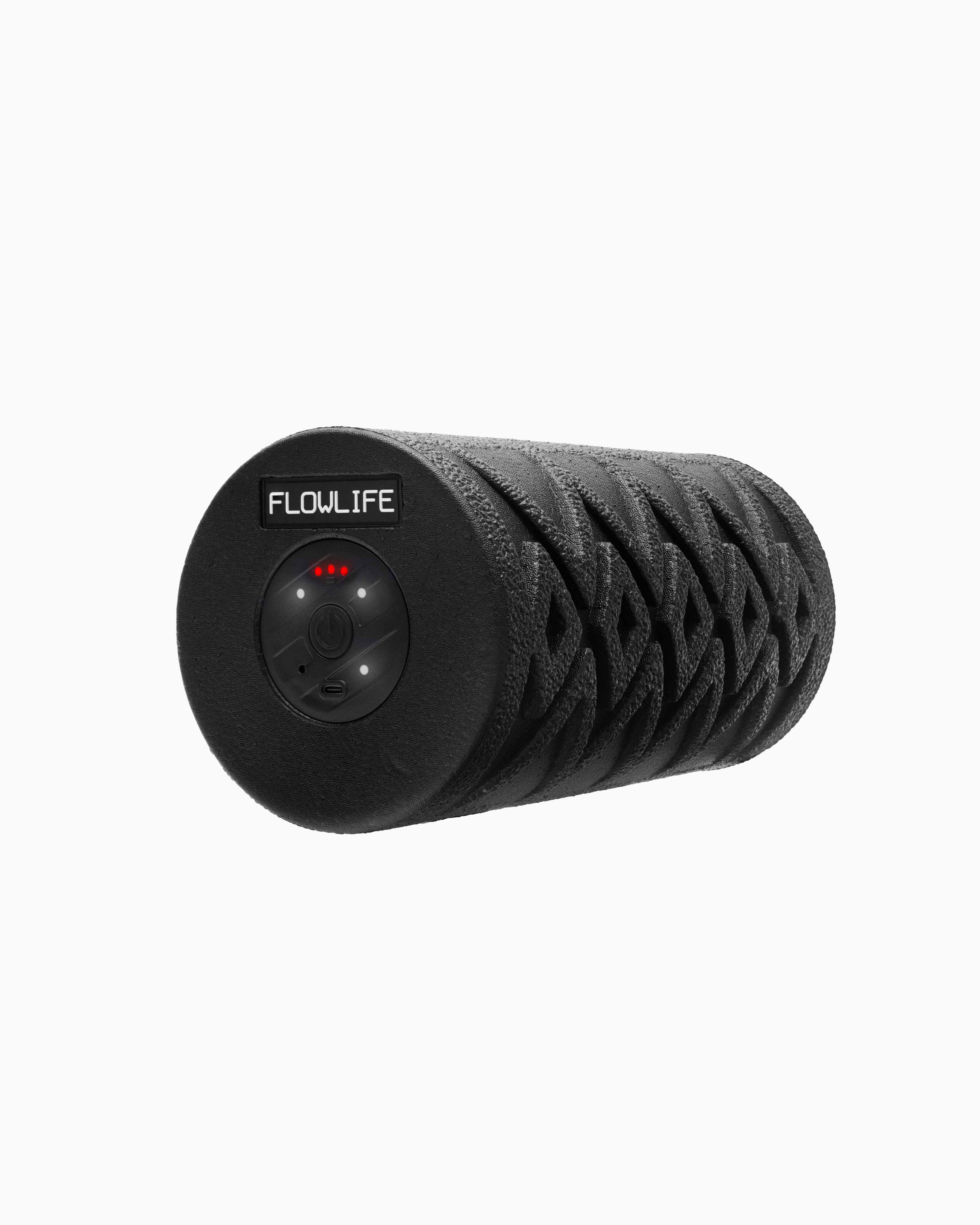
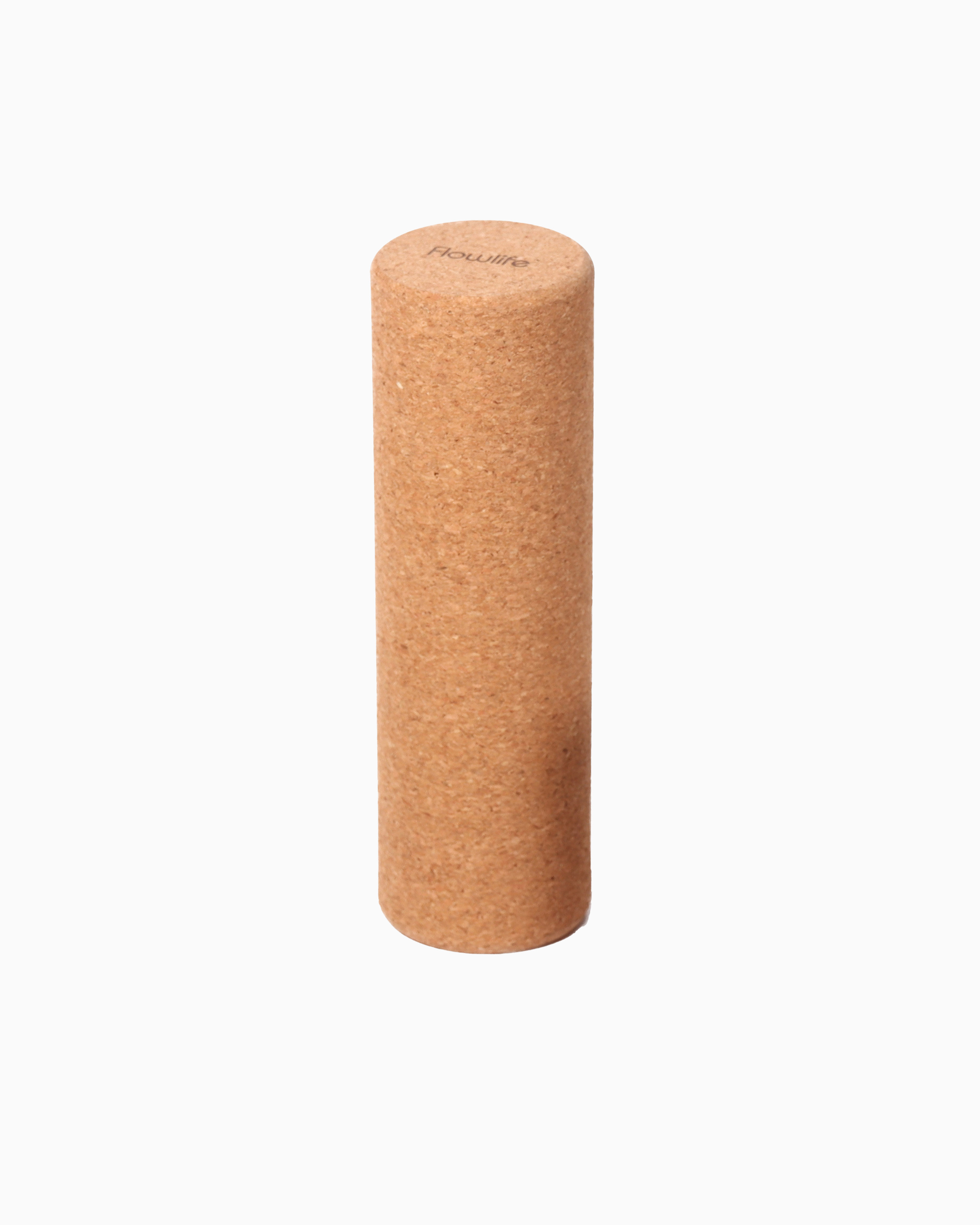
Flowroller Pro
Foam Rollers
1 999 SEK1 333 SEK

Pain & Common Problems
Glute pain is often dismissed as just a tight butt until it starts affecting running, squatting, and sitting. The gluteal region is one of the most important areas of the body for movement and injury prevention, and when it breaks down, the effects spread to the hip, knee, and back. The conditions below cover the most common causes of glute pain, what is driving them, and what helps.
Flowroller Pro
1 999 SEK1 333 SEK
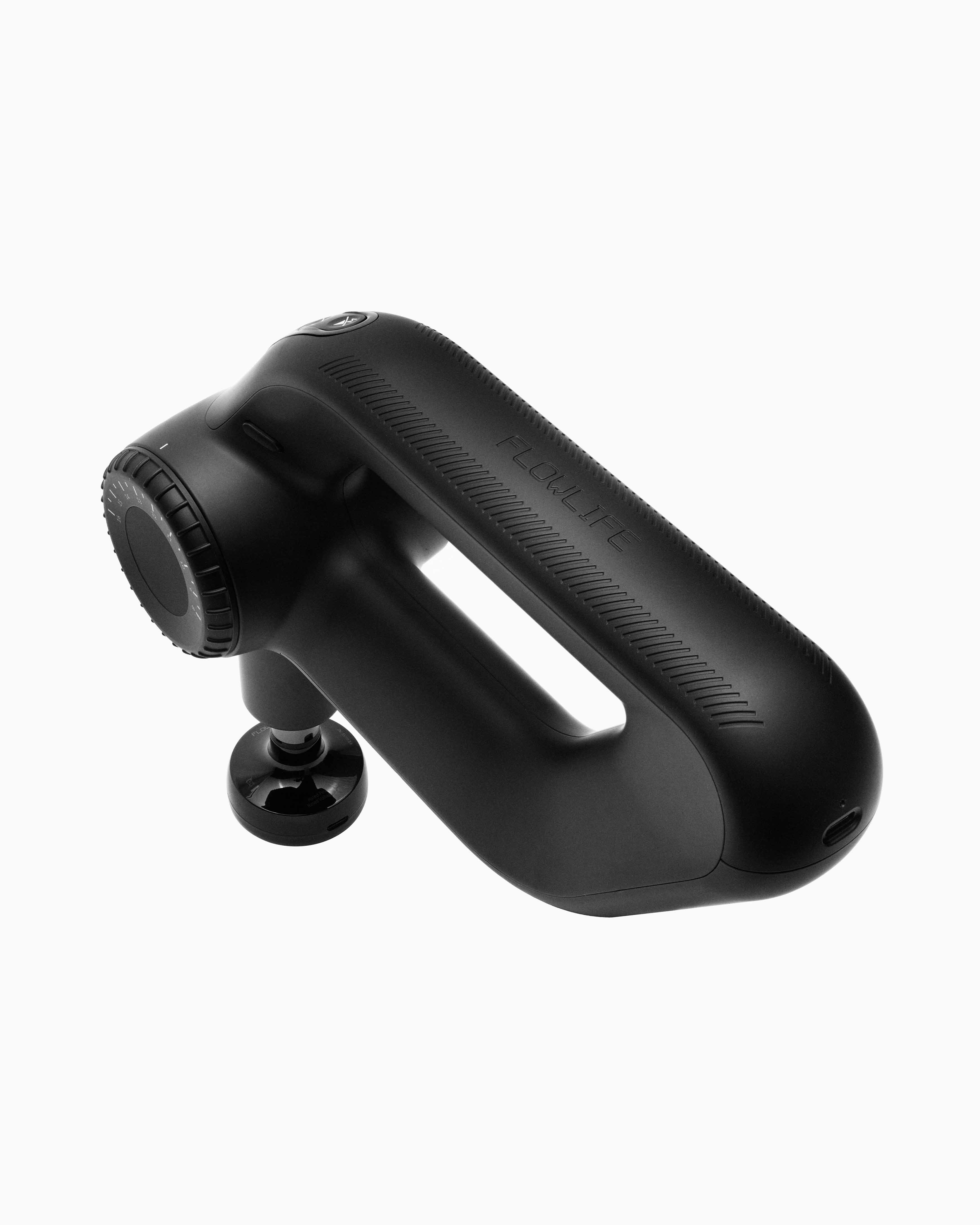
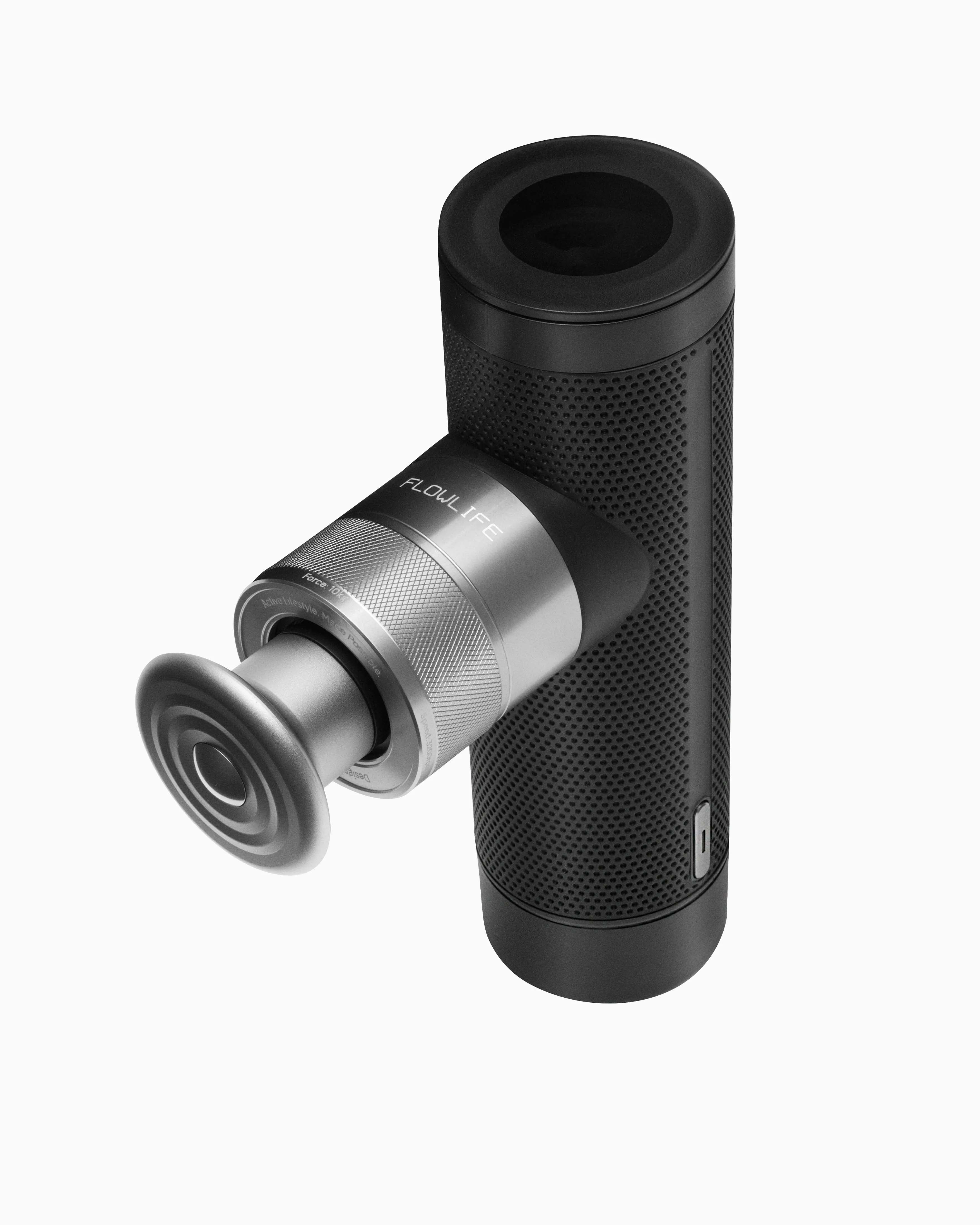
Flowgun Ultra
5 999 SEK4 019 SEK
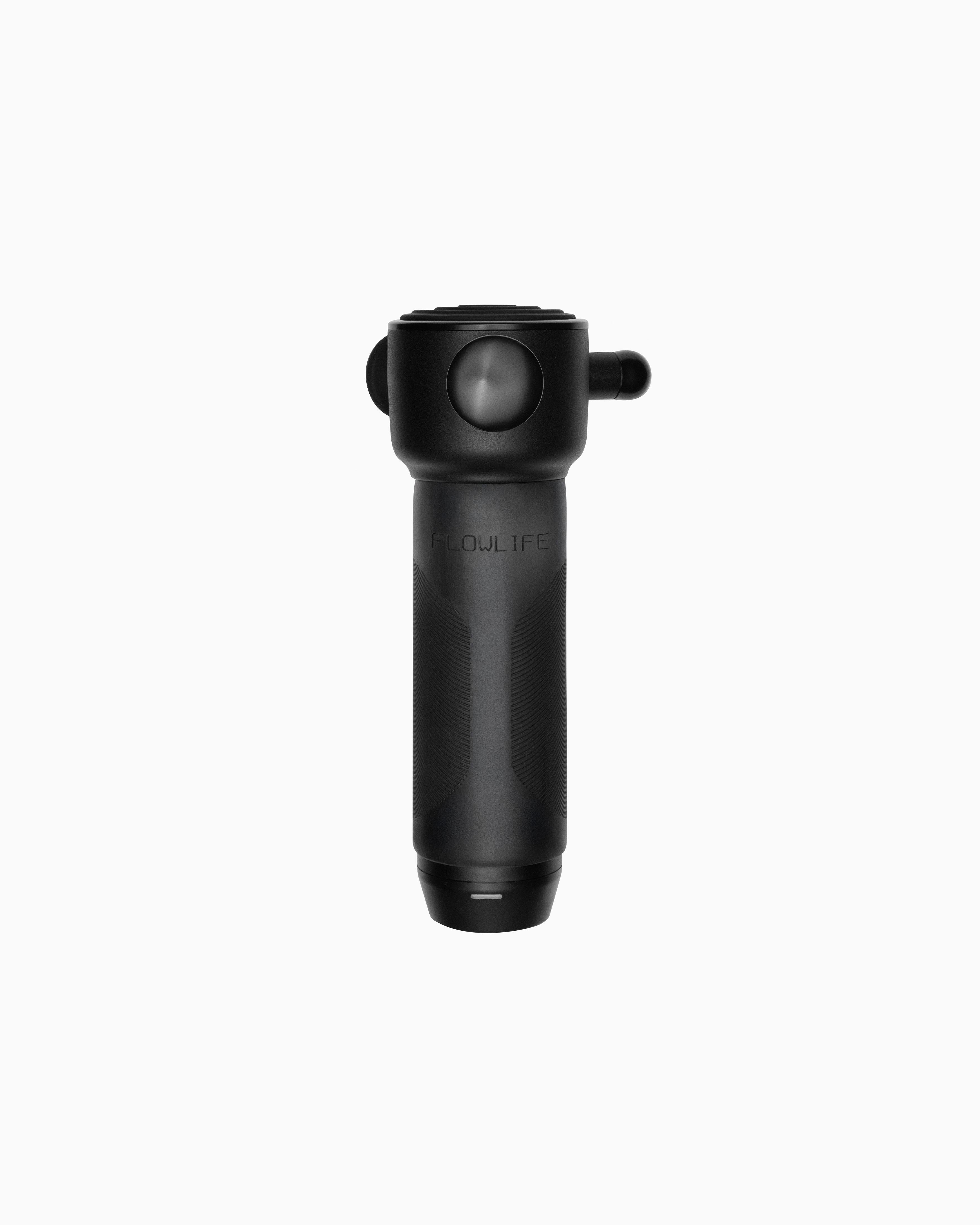
Flowsonic Pro
2 499 SEK1 499 SEK

Flowplunge Go
1 499 SEK899 SEK
FAQ
What is gluteal tendinopathy, and how does it feel?
What is a glute strain?
What causes deep glute tightness, and how do I relieve it?
Gluteal tendinopathy, sometimes called greater trochanteric pain syndrome, is degeneration and irritation of the gluteal tendons where they attach to the greater trochanter on the outer hip. It is the most common cause of lateral hip and glute pain, particularly in women over 40 and in runners.
The pain is typically felt on the outer hip and upper buttock, sometimes radiating down the outer thigh. It is characteristically worse when the tendon is compressed: lying on the affected side, crossing the legs, sitting with the hip in adduction, and climbing stairs all aggravate it.
Crossing the legs, sitting with knees together, excessive hip adduction during running, prolonged standing on one leg, and rapid increases in running volume all aggravate gluteal tendinopathy.
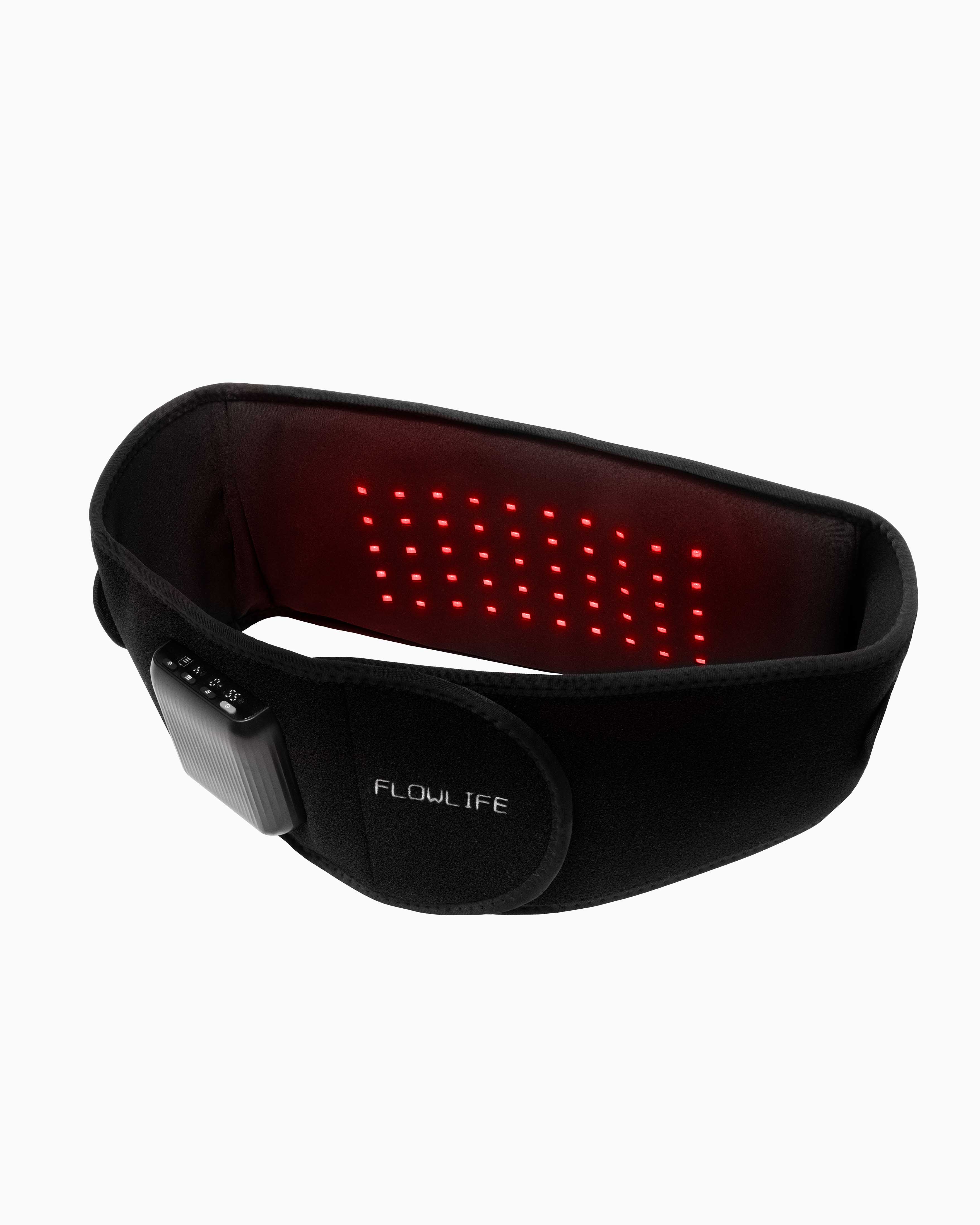
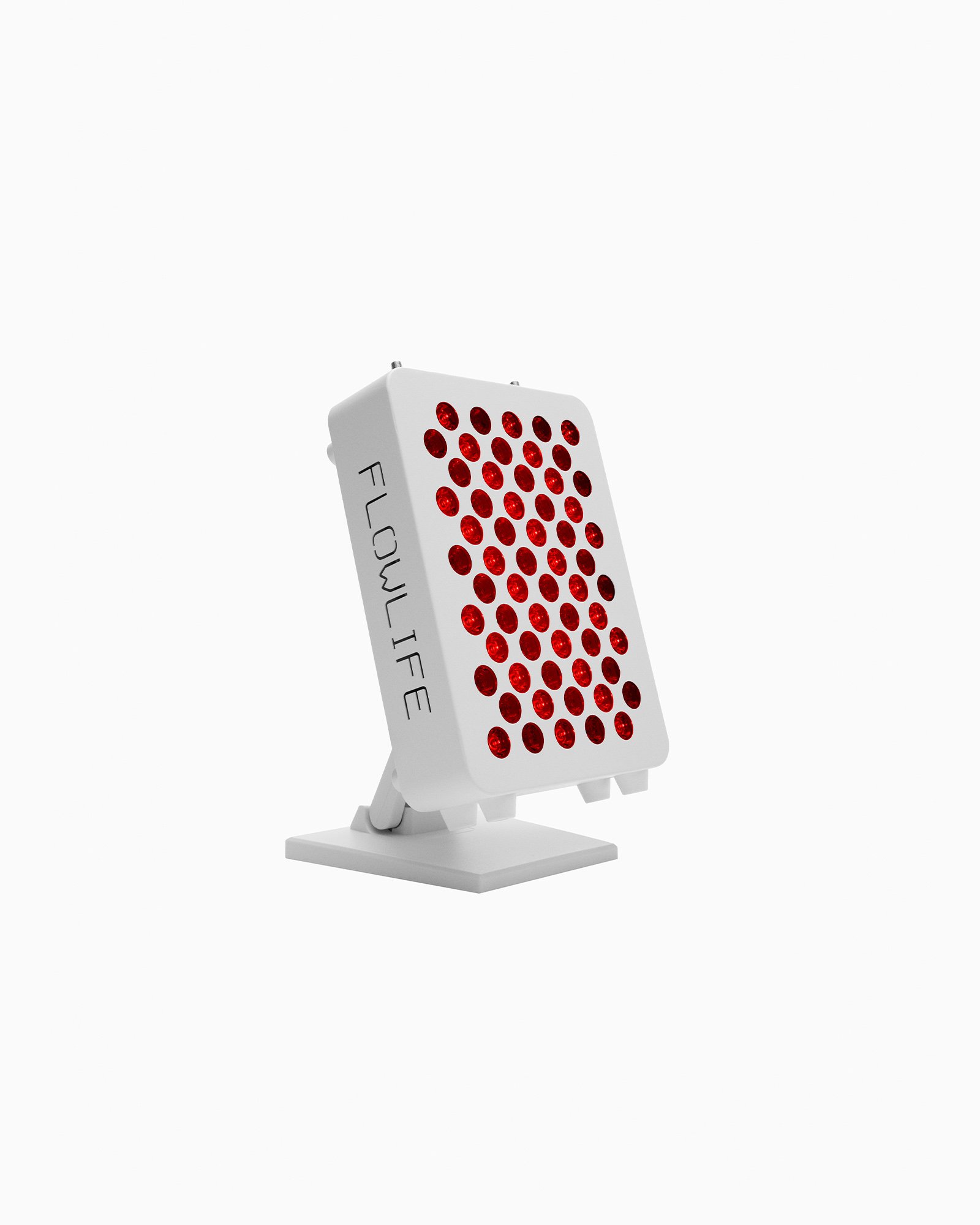
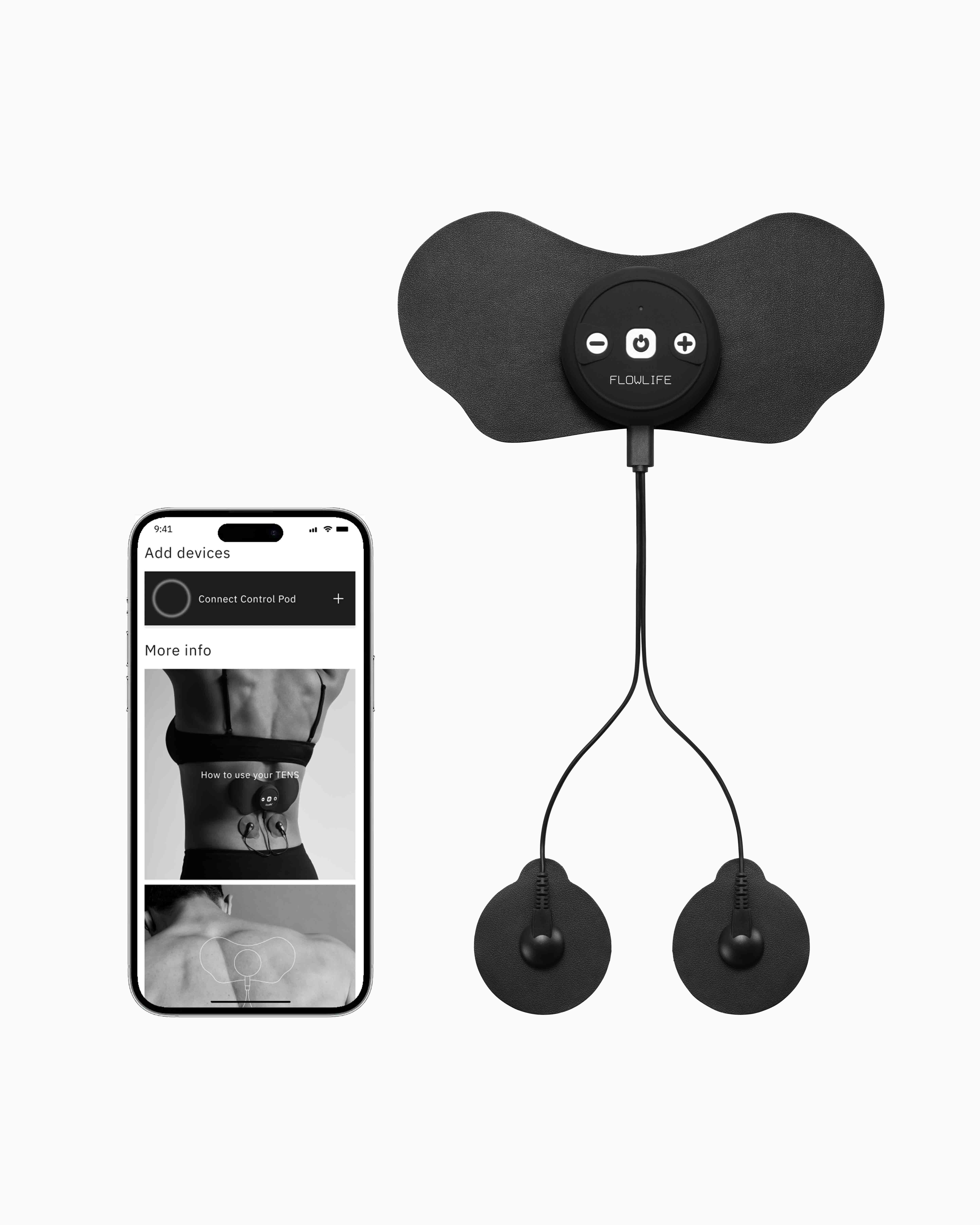
Red light therapy is the primary tool for tendinopathy, stimulating cellular repair in the degenerating tendon tissue. Cold therapy manages acute pain and inflammation after provocative activity. TENS therapy provides effective pain relief during flare-ups. A massage gun targeting the gluteus medius and TFL releases tension in the muscles that load the tendon.
Red light therapy applied over the outer hip for 10 to 15 minutes, 4 to 5 times per week, produces measurable improvements over 6 to 12 weeks. Avoid positions that compress the tendon, particularly crossing the legs, during recovery.

A glute strain is a tear in one of the gluteal muscles, most commonly the gluteus maximus, caused by a sudden, powerful contraction or overstretching. It occurs in sprinters, jumpers, and in heavy strength training involving squats and deadlifts.
The pain is typically felt as a sharp, immediate sensation deep in the buttock, followed by a dull aching tenderness that makes sitting, bending, and hip extension painful. The area is tender to the touch and may bruise depending on severity.
Explosive hip extension movements, sprinting without adequate warmup, and heavy-loaded hip hinge movements before the tissue has fully recovered all aggravate glute strains.
Cold therapy in the first 48 to 72 hours reduces swelling and pain in the acute phase. Compression therapy reduces swelling and supports the gluteal region. Red light therapy from day 2 or 3 accelerates cellular repair in damaged muscle tissue. A massage gun used gently on the surrounding tissue as healing progresses prevents scar tissue formation.
Apply cold therapy for 15 to 20 minutes several times per day in the first 48 to 72 hours. Red light therapy over the injured area once acute inflammation has settled accelerates repair. Return to explosive activity only after full strength has been restored.
EXPLORE

Deep glute tightness involves chronic tension in the gluteus maximus, medius, and the deep hip rotators including the piriformis. It is common in runners, cyclists, desk workers, and anyone who sits for extended periods.
The deep gluteal muscles become chronically tight when overloaded or held in shortened positions during prolonged sitting. The tightness produces a deep, diffuse aching in the buttocks that can refer pain down the leg if the sciatic nerve is involved.
Prolonged sitting, weak hip flexors that force the glutes to compensate, high running volume, and heavy squatting and hip hinge movements without adequate recovery all contribute.
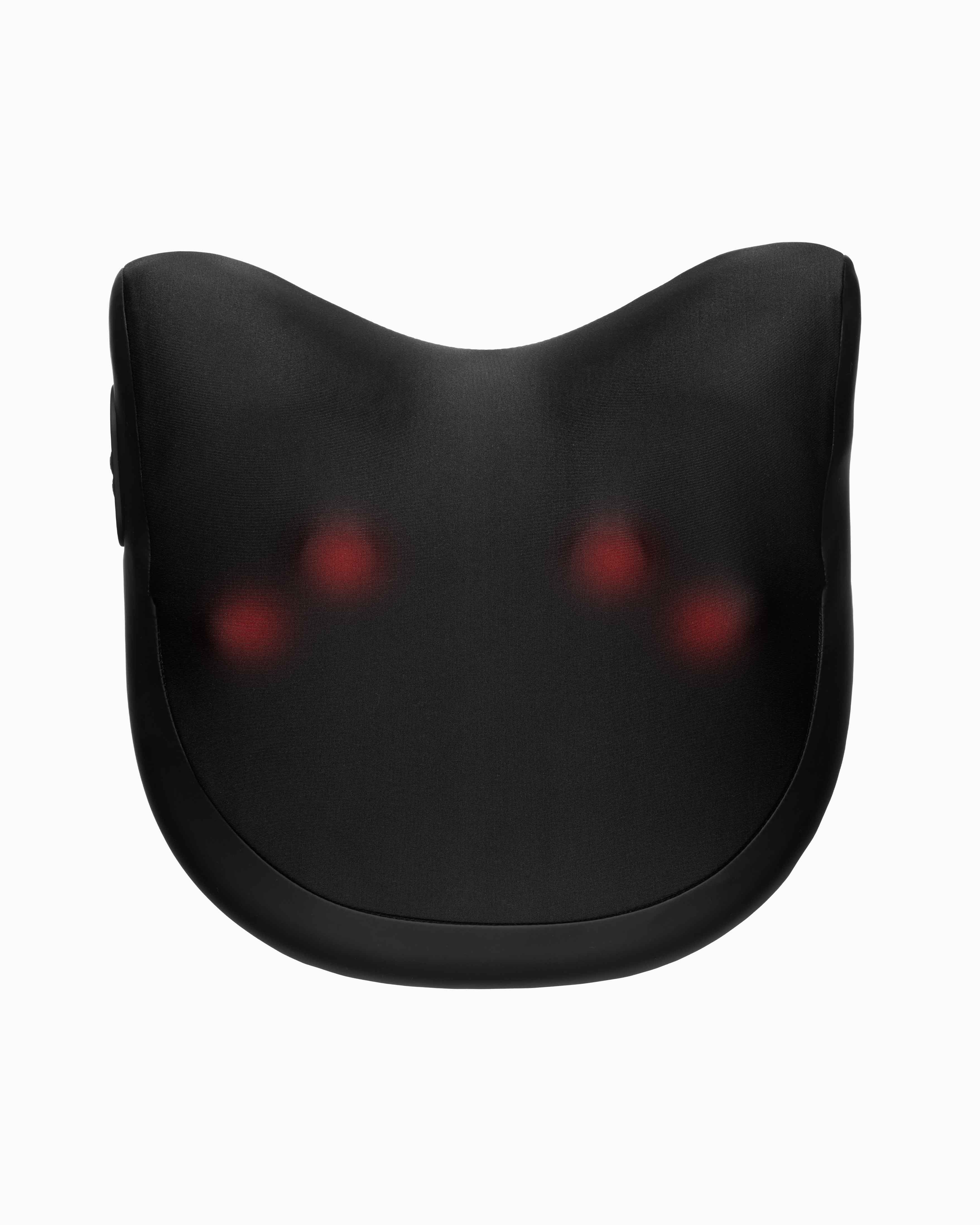
A massage gun targeting the gluteal region is the most effective and direct tool for releasing deep glute tightness. Heat therapy relaxes the entire gluteal region and reduces protective muscle spasm. Red light therapy supports tissue repair in chronically overloaded glute muscles. A massage seat cushion provides hands-free shiatsu-style relief during desk work or driving.
Use a massage gun on the gluteal region for 2 to 3 minutes after running or training. A massage seat cushion during desk work maintains tissue health passively. Heat therapy for 15 minutes in the evening supports full relaxation of the gluteal musculature.

FAQ