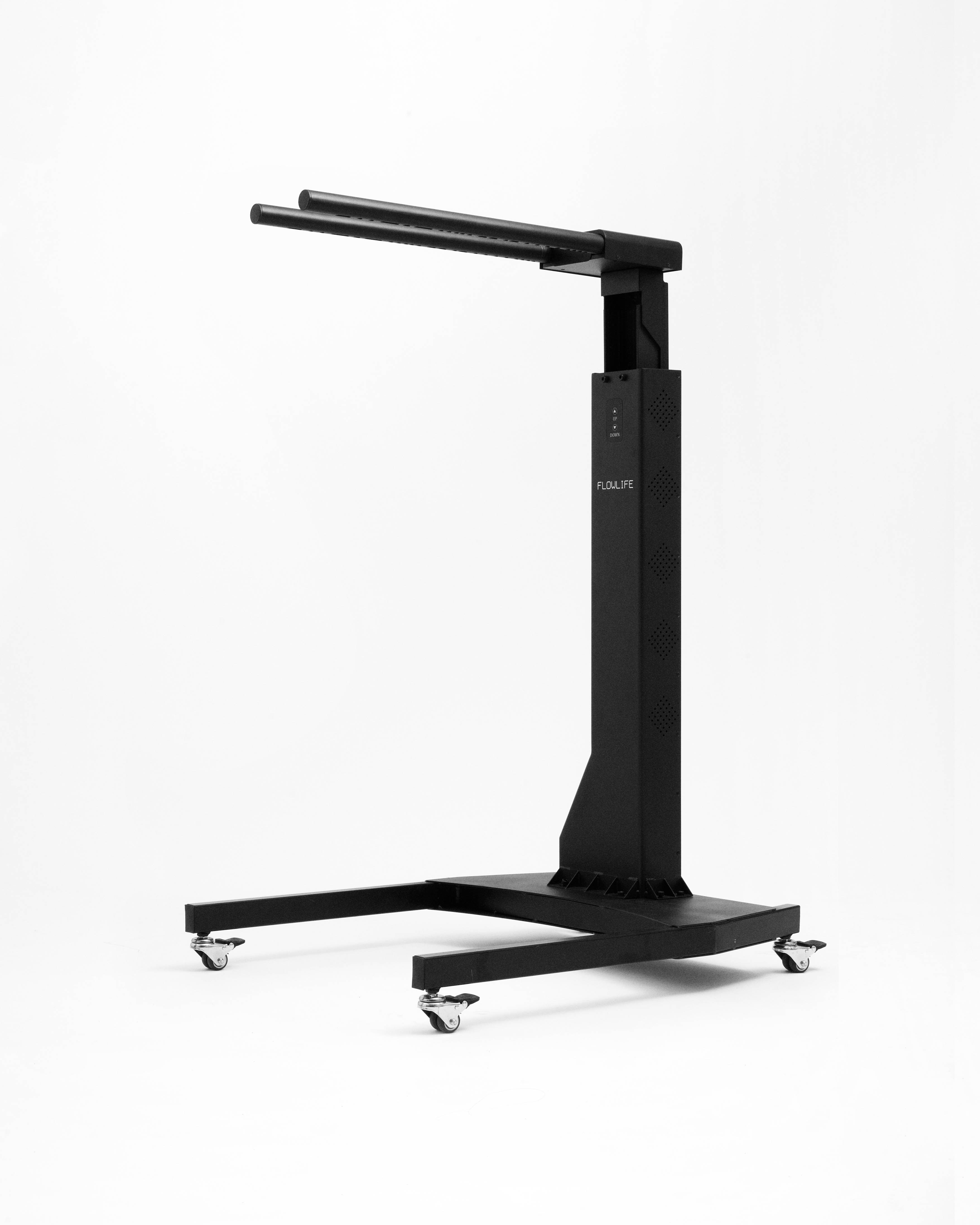
Flowlight Panel 1500 Seven Waves + Manual Flexible Stand Kit

19 998 SEK15 998 SEK
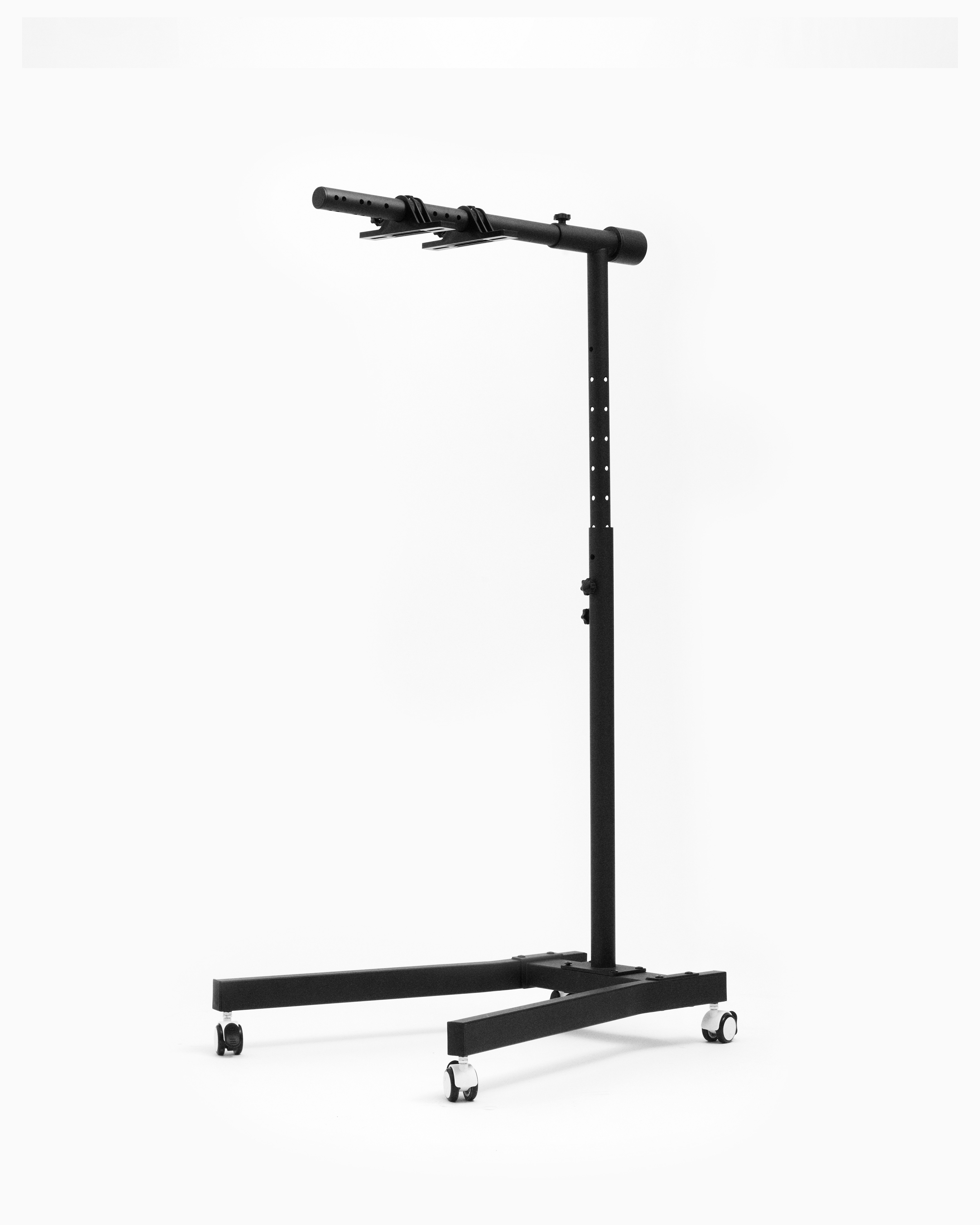
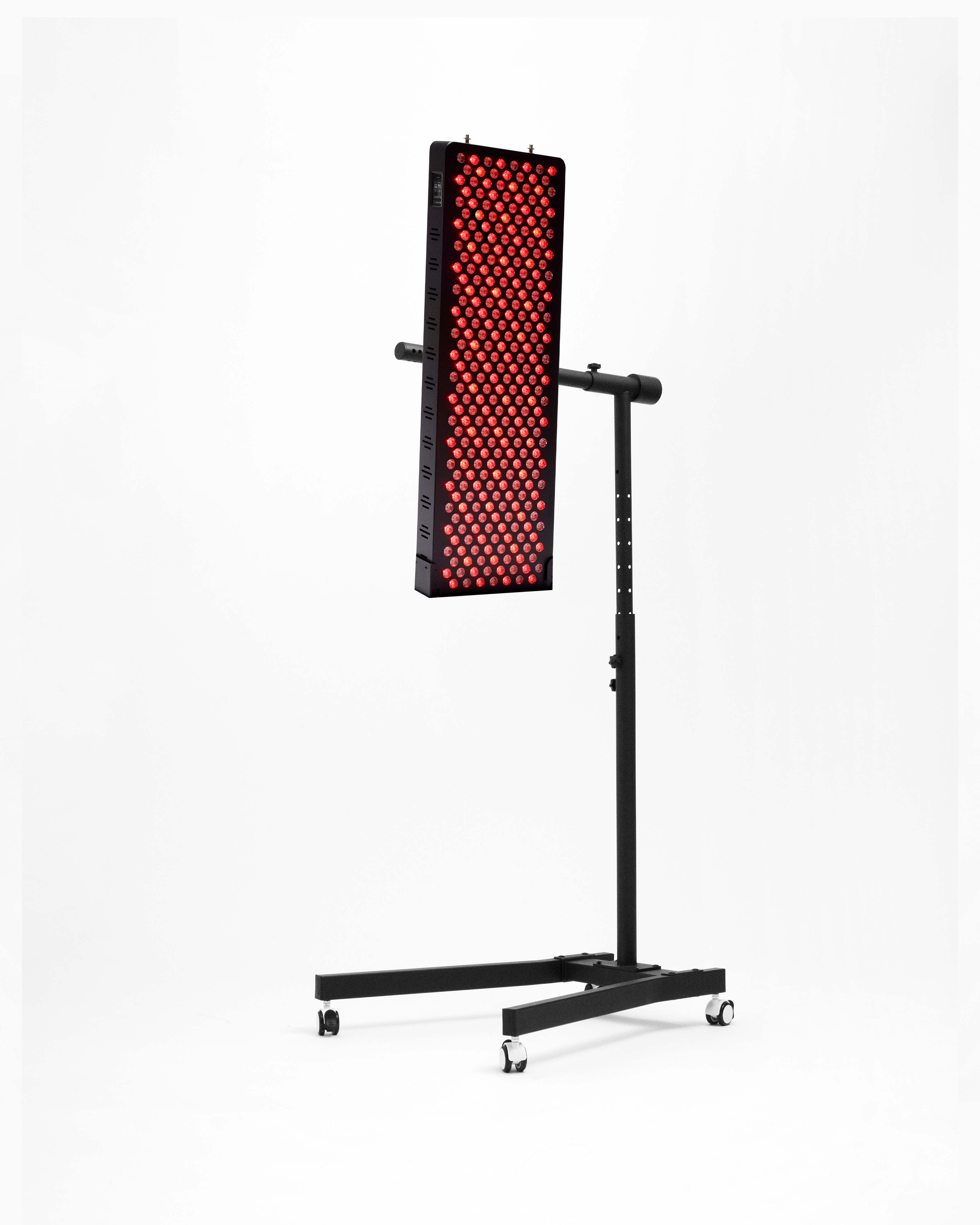
Red and near-infrared light therapy system with Flowlight Panel 1500 Seven Waves, manual height control, and tool-free vertical/horizontal switching

Please enable JavaScript to purchase this product
In Stock. days delivery time

Benefits

  • Stimulates mitochondrial ATP production across seven calibrated wavelengths from 630 nm to 1060 nm
  • Delivers 184 mW/cm² irradiance at 15 cm for full-depth photobiomodulation response
  • Reduces inflammation and oxidative stress through structured near-infrared tissue penetration
  • Supports cellular repair and collagen regeneration at controlled, repeatable treatment distance
  • Rotates between portrait and landscape without tools, adapting coverage to standing or lying treatment
  • Pin-lock height adjustment holds the panel without drift, session after session

What's included

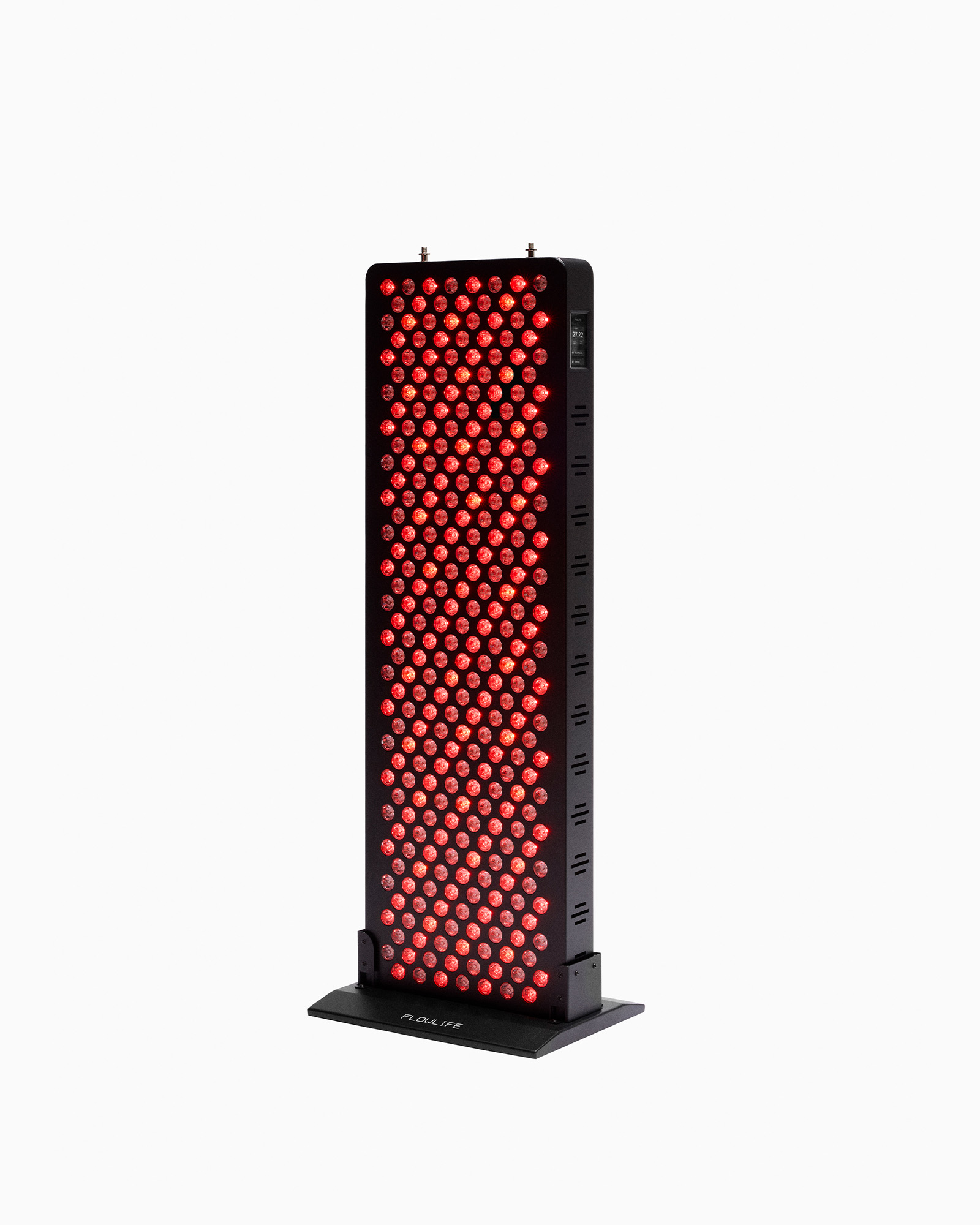
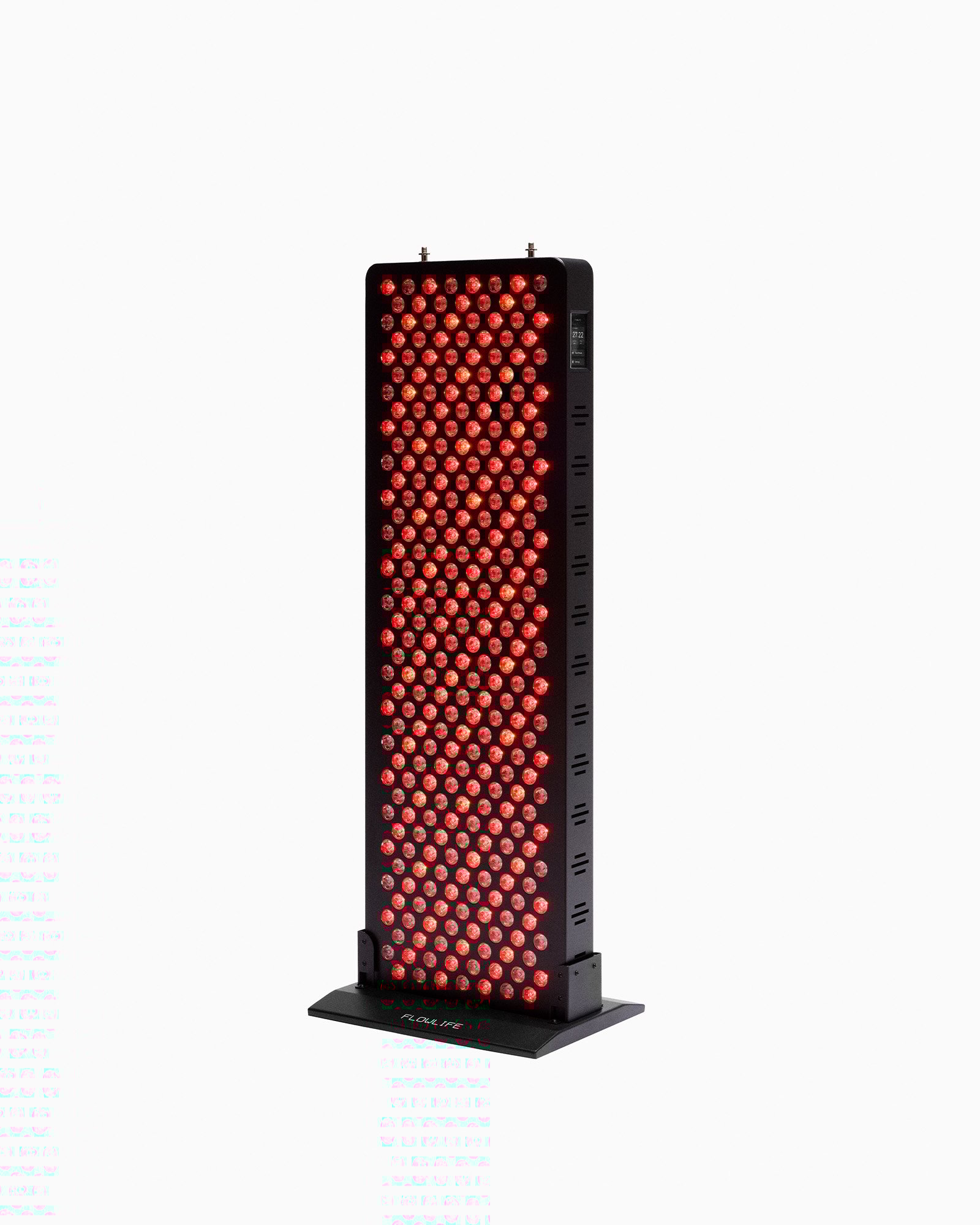
  • Flowlight Panel 1500 Seven Waves
    Flowlight Panel 1500 Seven Waves

    14 999 SEK11 999 SEK

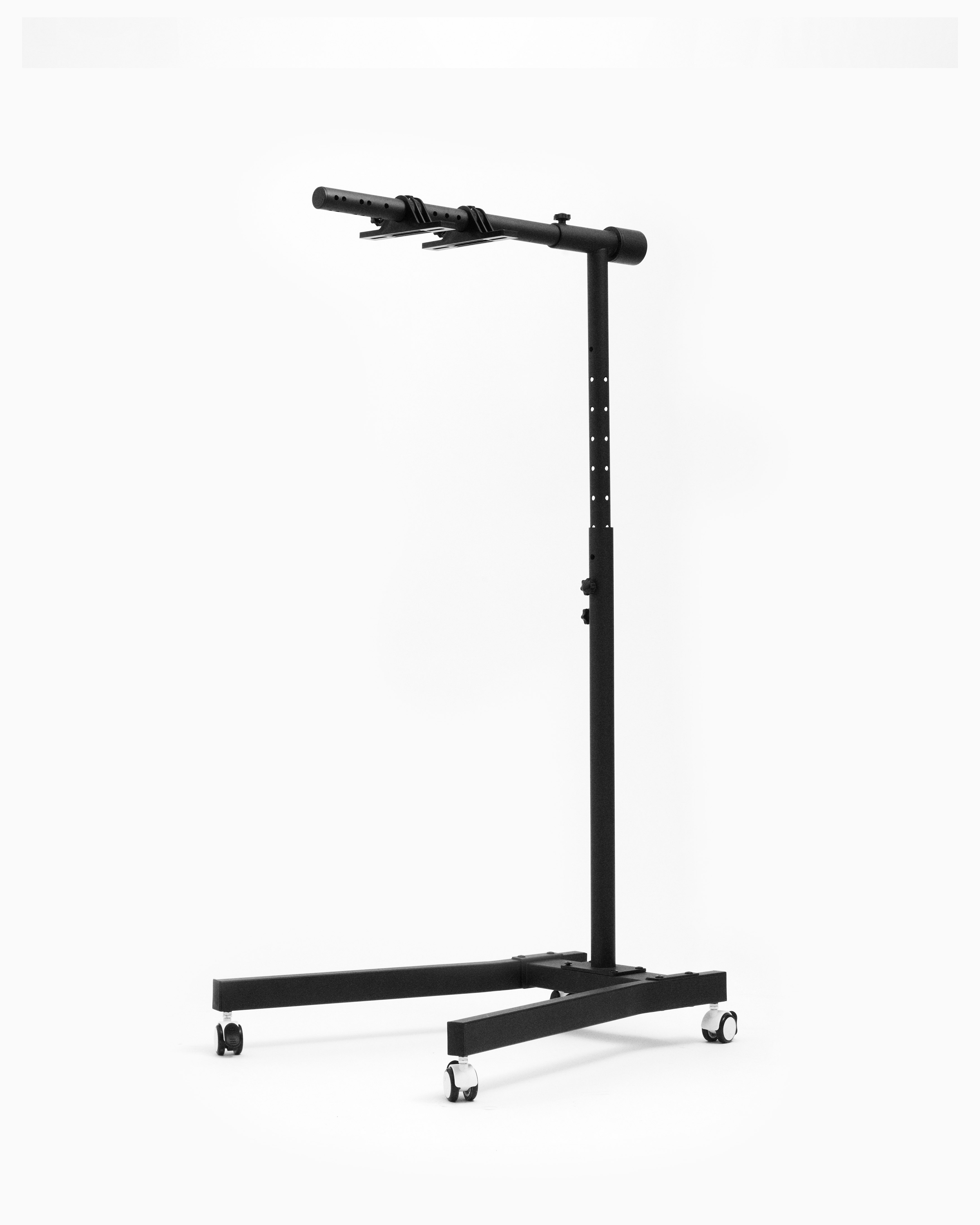
  • Flowlight Manual Flexible Stand
    Flowlight Manual Flexible Stand

    4 999 SEK3 999 SEK

Reviews 4 / 5

MANUAL POSITIONING SYSTEM

Treatment distance determines irradiance at the skin surface. Move the panel closer and the energy density increases. Move it further and it drops. The Flowlight Panel 1500 Seven Waves and Manual Flexible Stand were built as a system to make that variable explicit and controllable, without requiring a motor or electronics to do it. The vertical column adjusts to multiple fixed heights via a pin-lock mechanism. The mount rotates between portrait and landscape without tools. The user sets the configuration that matches the treatment zone and the session does not move from there. No drift, no readjustment mid-session. Every structural element in the system serves one function: placing 300 LED chips at the exact distance where the body receives the intended irradiance.

PHOTOBIOMODULATION RESPONSE

Red and near-infrared light therapy works because specific wavelengths penetrate tissue and trigger a response at the cellular level. When light reaches the mitochondria, the energy-producing units within cells, it stimulates the production of adenosine triphosphate, the body's primary cellular fuel. Without consistent, correctly dosed light exposure, this response remains incomplete and the recovery benefit is reduced. The Flowlight Panel 1500 Seven Waves emits wavelengths from 630 nm to 1060 nm, calibrated to reach tissue at multiple depths simultaneously. Irradiance, the intensity of light reaching the skin surface, determines how effectively the photochemical process is activated. At 184 mW/cm² measured at 15 cm, the panel delivers photon density within the range required for full mitochondrial activation. The Manual Flexible Stand locks the panel at the selected position without drift, ensuring that irradiance remains within the effective range at every session.

STRUCTURED RECOVERY OVER TIME

A single session of red light therapy produces measurable physiological effects. But the body's deeper adaptive response, reduced baseline inflammation, improved cellular repair capacity, sustained circulation improvements, builds across repeated, consistent exposure. When sessions are irregular or incorrectly positioned, the cumulative signal to the body weakens and adaptation slows. The Flowlight Panel 1500 Seven Waves and Manual Flexible Stand remove the configuration step from the equation. Portrait for standing work. Landscape for lying work. Height locked at the position that places the panel at the correct distance from the target. The stand contains no motor, no electronics, no components that require maintenance or replacement. Its consistency comes from its simplicity. The body receives the same signal at every session, building the physiological baseline that single-use interventions cannot achieve.

Deep recovery insight

What people say

"Red Light Therapy is really good for healing because it'll work on the mitochondrial level, producing a lot more energy and assisting the fibroblasts by reproducing those cells which are needed in order to recover the area post-exercise." - Scott Webster