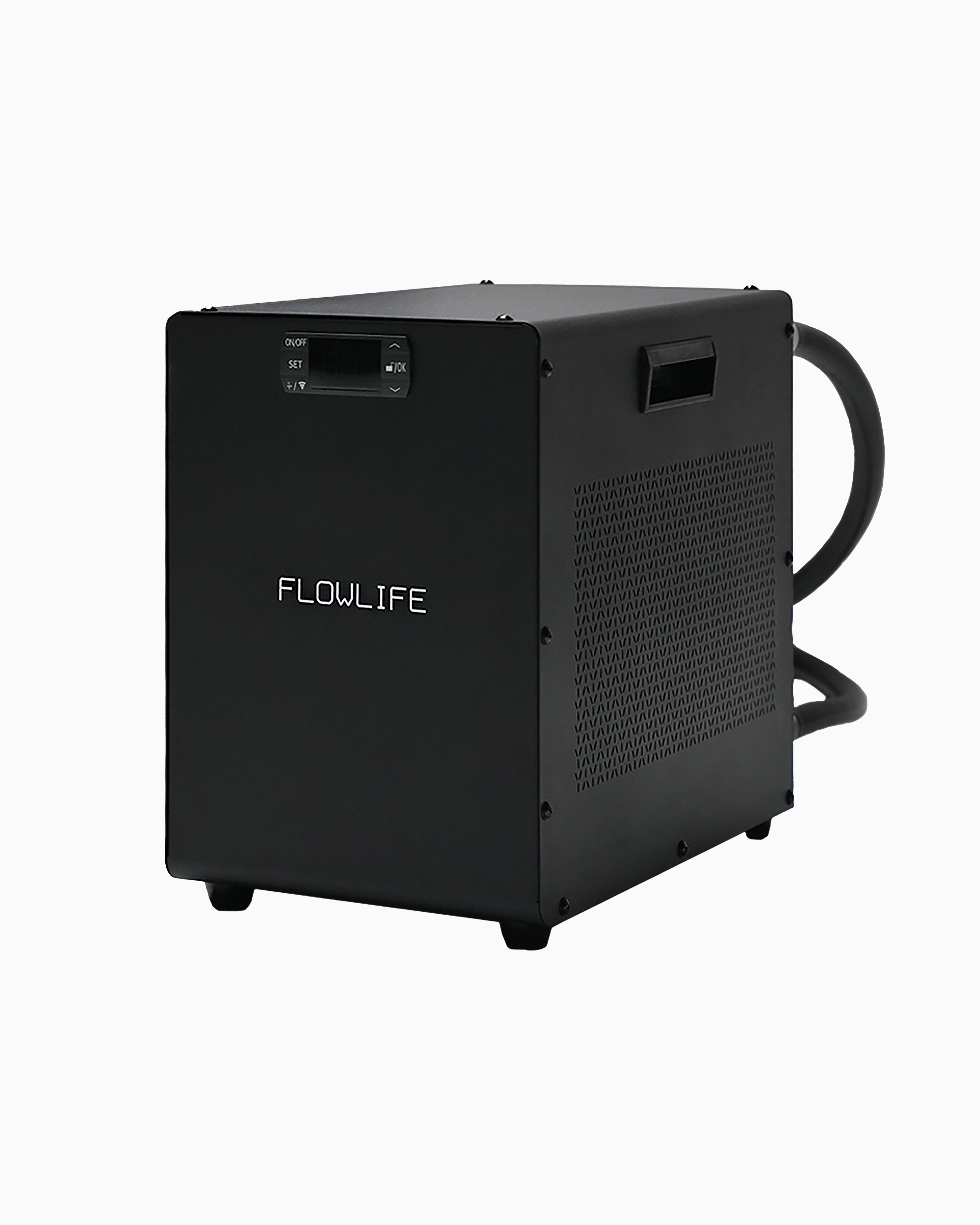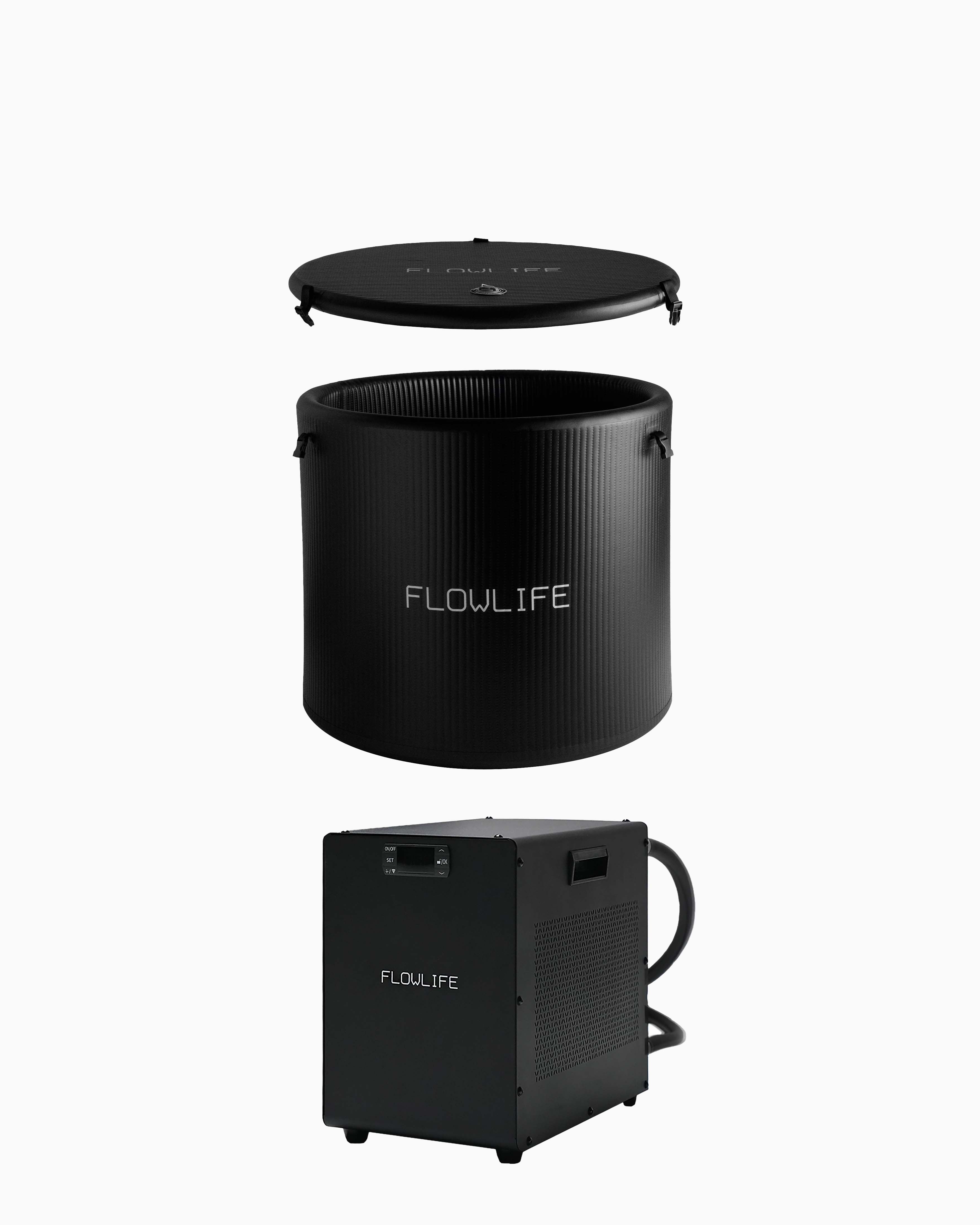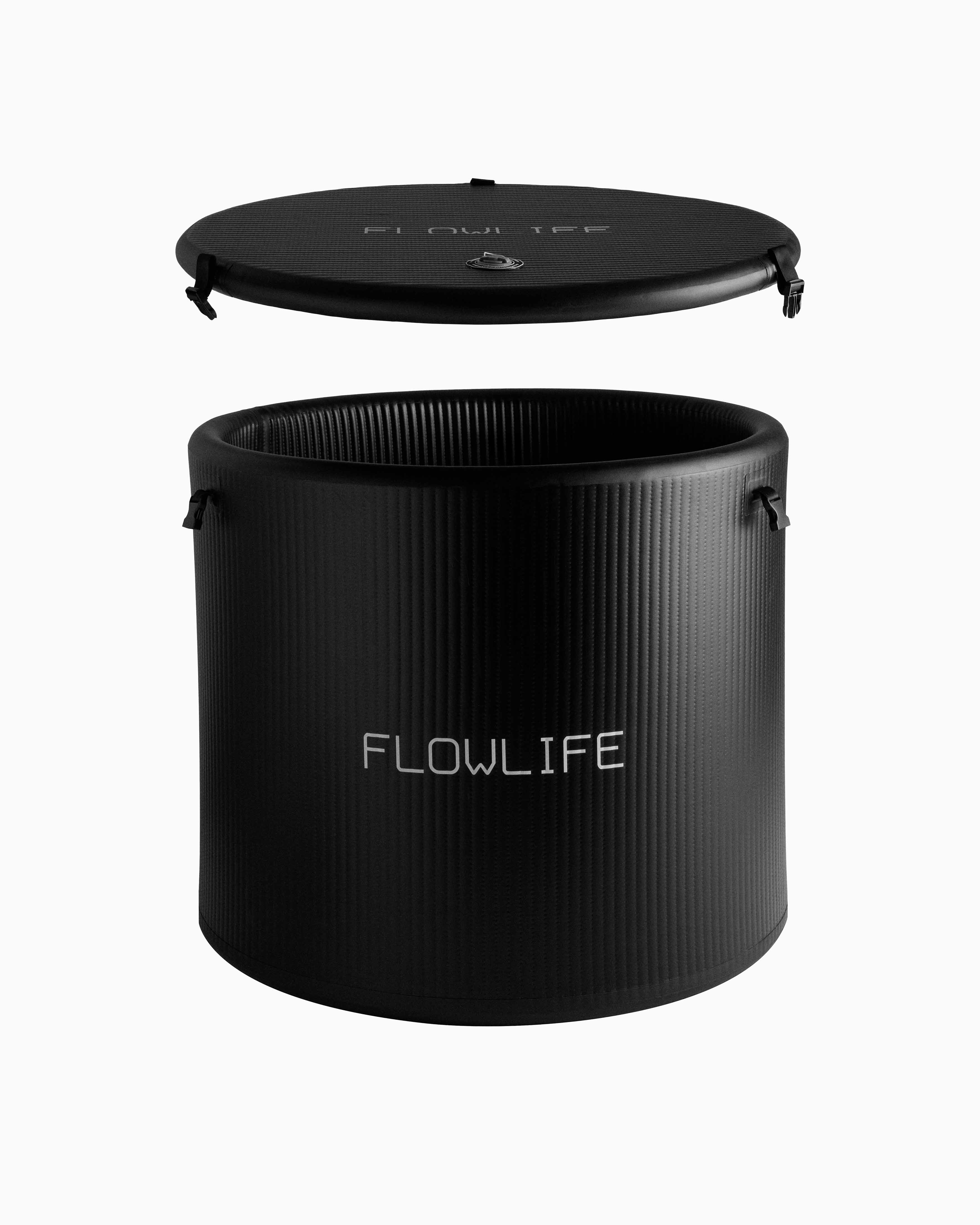
Flowplunge Pro
599 EUR

Science
Cold therapy triggers a cascade of physiological responses that the body cannot produce through rest alone. Exposure to cold water activates the nervous system, releases hormones that reduce inflammation, and trains the body to regulate temperature, stress, and recovery more efficiently. The science behind cold water immersion is well established and continues to expand across sports medicine, neuroscience, and metabolic research.
FAQ
How does cold therapy work?
Does cold therapy reduce inflammation?
Can cold therapy improve mental health and mood?
Does cold therapy help with muscle recovery?
What is the ideal temperature and duration for cold therapy?
Does cold therapy boost metabolism and fat burning?
Is cold therapy safe?
Does cold therapy improve sleep?
How does cold therapy affect the nervous system?
How does cold therapy compare to anti-inflammatory medication?
What is the difference between a cold plunge and a cold shower?
How does cold therapy fit into contrast therapy?
Cold therapy works by exposing the body to cold temperatures, triggering a stress response that activates the nervous system, releases powerful hormones, and sets off a chain of anti-inflammatory and recovery processes.
When you enter cold water, your skin immediately detects the temperature drop and signals the brain to respond. Blood vessels near the surface constrict, pushing blood toward your core and vital organs. At the same time, your adrenal glands release norepinephrine, a hormone and neurotransmitter that rises by up to 300% during cold immersion. Norepinephrine reduces inflammation, sharpens focus, and elevates mood. When you exit the water, those blood vessels reopen, and a wave of fresh, oxygenated blood flushes through the tissues, carrying away the waste products that build up during exercise and everyday stress.
Studies consistently show that cold water immersion activates the nervous system, elevates norepinephrine, and reduces markers of inflammation in both athletes and the general population. Regular cold exposure leads to measurable improvements in recovery, mood, and metabolic function.
10 to 15°C for 5 to 15 minutes produces a clear physiological response. The effect strengthens with regular practice. Most protocols recommend 3 to 5 sessions per week.
Explore

Cold water immersion reduces inflammation by triggering a hormonal response that suppresses the signals driving tissue damage, soreness, and swelling.
Inflammation is your body's repair signal, useful in small doses, but damaging when it runs too long or too strong. Cold exposure triggers the release of norepinephrine, which reduces the production of pro-inflammatory compounds. At the same time, cold constricts blood vessels, limiting the amount of inflammatory activity that reaches the affected tissue. When you warm up afterward, the vessels reopen and flush out the inflammatory byproducts that were building up. It's a natural on-off cycle that cold water makes much more efficient.
Studies in strength and endurance athletes show consistent reductions in markers of inflammation after cold immersion, including creatine kinase (a marker of muscle damage) and C-reactive protein (a marker of systemic inflammation). Athletes also report faster return to full strength and less muscle soreness when using cold therapy consistently.
Apply cold therapy within 1 to 2 hours after training or injury for the strongest effect. 10 to 15°C for 10 to 15 minutes produces the most reliable anti-inflammatory response.
Explore

Cold water immersion improves mood and mental resilience by triggering a large release of norepinephrine and dopamine, the brain chemicals that regulate alertness, motivation, and emotional stability.
After just a few minutes in cold water, norepinephrine levels rise by up to 300% and stay elevated for hours. Dopamine, the brain chemical linked to motivation, reward, and drive, also rises significantly. Together, these produce a sustained lift in mood, reduced anxiety, and improved mental clarity that most people notice immediately after a session. Cold exposure also activates the vagus nerve, which helps the nervous system shift out of a stress state, contributing to the calm that follows the initial shock of the cold.
Regular cold water immersion has been shown to reduce self-reported symptoms of depression and anxiety. The neurochemical changes are well-documented, with effects lasting several hours after a session. Cold therapy is increasingly used as a complementary tool for mood regulation alongside conventional treatments.
Morning cold immersion produces the strongest effect on alertness and mood for the rest of the day. Even short sessions of 2 to 5 minutes at 10 to 15°C are enough to trigger a meaningful neurochemical response.
Cold water immersion accelerates muscle recovery by reducing inflammation, limiting secondary muscle damage, and helping the body clear metabolic waste products that cause soreness and stiffness.
Hard training creates small tears in muscle fibers and triggers inflammation as part of the repair process. The problem is that inflammation, if left unchecked, causes more damage than the original workout did. Cold immersion limits this by reducing blood flow to the affected area during immersion, which keeps the inflammatory response from spreading. When you warm up, fresh blood rushes back in and flushes out lactic acid, creatine kinase, and other waste products far more efficiently than passive rest. The drop in core temperature also slows metabolic activity in damaged tissue, reducing secondary damage that occurs in the hours after training.
Studies in both elite and recreational athletes show that cold water immersion reduces perceived soreness, lowers markers of muscle damage, and helps athletes return to full strength faster than passive recovery alone. Cold therapy ranks among the most effective non-pharmacological recovery tools in the research literature.
Apply cold therapy within 30 to 60 minutes after training for the strongest recovery effect. 10 to 15°C for 10 to 15 minutes produces consistent results. Athletes with high training frequency benefit most from making it a regular post-session habit.
Explore

10 to 15°C for 5 to 15 minutes is the optimal range for most people. Experienced practitioners can go lower, down to 3-5°C, where shorter sessions of 2-5 minutes produce an intense, highly effective response.
Cold exposure works on a dose-response curve: the colder the water, the stronger the hormonal response. At 10 to 15°C, the body gets the full benefit, norepinephrine rises, the anti-inflammatory cascade activates, and the recovery response kicks in, without the risk of shock or overexposure. Below 5°C the response is significantly stronger, but the nervous system needs to be adapted to handle it safely. Duration works the same way: longer sessions at moderate temperatures, or shorter sessions at very cold temperatures, both produce meaningful results.
Research in sports medicine and neuroscience consistently uses 10-15°C as the primary temperature range. Elite athletes regularly use 3 to 8°C for shorter durations and report strong recovery and neurochemical effects consistent with the research.
Beginners should start at 15°C for 3 to 5 minutes and gradually reduce the temperature over weeks. Experienced practitioners can work down to 3 to 5°C for 2 to 5 minutes. Consistency over weeks matters more than extreme cold in any single session.
Explore

Cold therapy activates a special type of fat tissue called brown fat, which generates heat by burning calories, leading to a measurable increase in energy expenditure during and after cold exposure.
Unlike regular white fat, which stores energy, brown fat is designed to burn it. It's packed with mitochondria and activated by cold through the nervous system. When cold triggers the release of norepinephrine, it binds to receptors in brown fat, activating heat production; the mitochondria essentially burn fuel to generate warmth rather than store it. With regular cold exposure, the amount and activity of brown fat increase over time, raising the baseline metabolic rate. Colder temperatures, particularly below 5°C, produce a stronger stimulus and activate more brown fat per session.
Research confirms that cold exposure activates brown fat and increases thermogenic activity. Studies show measurable rises in metabolic rate during and after immersion, and regular cold exposure is associated with increased brown fat volume and better insulin sensitivity.
Metabolic benefits accumulate over weeks of consistent use. A single session raises energy expenditure, but the most significant metabolic changes happen after 4 to 8 weeks of regular practice.
Explore

Cold water immersion is safe for healthy individuals when practiced within recommended guidelines. The key risks, cold shock, hyperventilation, and hypothermia, are manageable with a sensible approach and the right temperature range.
The main risk when entering cold water is the cold-shock response: an involuntary gasp, rapid breathing, and a spike in heart rate that occurs within the first 30 seconds. This is a normal reflex that diminishes quickly with regular practice. At 10 to 15°C the risk profile is low for healthy people. Below 5°C the shock response is stronger and hypothermia becomes a real risk if sessions go beyond 5 minutes. People with cardiovascular conditions, Raynaud's disease, or cold urticaria should speak to a doctor before starting.
Cold water immersion has a strong safety record in both research and clinical settings when practiced within established guidelines. 10 to 15°C for 5 to 15 minutes carries minimal risk for healthy adults. Advanced protocols at lower temperatures are widely used in elite sport with appropriate acclimatization.
Never practice cold therapy alone for the first time. Enter the water slowly to manage the initial shock response. Below 10°C, keep sessions to 5 minutes or less until adapted. Don't submerge your head unless you're experienced with cold exposure.
Explore

Cold therapy improves sleep quality by lowering core body temperature, reducing the stress hormone cortisol, and activating the part of the nervous system responsible for rest and recovery.
Your core temperature naturally drops in the hours before sleep; it's one of the body's main signals that it's time to rest. Cold immersion accelerates this drop, effectively fast-forwarding the body into sleep-readiness. It also reduces cortisol, which is one of the main reasons people lie awake at night. Elevated cortisol keeps the brain alert and delays sleep onset. After getting out of cold water, the heart rate slows, blood pressure drops, and the body shifts into a calm, recovered state. Heart rate variability (HRV) improves, which is a direct measure of how well the nervous system is recovering.
Studies show that cold water immersion reduces cortisol and increases HRV, two reliable markers of improved sleep quality. Athletes who regularly use cold therapy report better sleep duration and quality, particularly when sessions are done in the evening.
Evening cold therapy, done 1 to 2 hours before bed, produces the strongest effect on sleep onset and quality. Morning sessions support cortisol rhythm and energy without interfering with sleep.

Cold water immersion activates the stress response during immersion, then triggers a strong parasympathetic rebound afterward, producing calm, improved HRV, and clearer thinking. Done consistently, this trains the nervous system to handle stress better overall.
When you enter cold water, the nervous system interprets it as a threat and fires a stress response: adrenaline and norepinephrine are released, heart rate rises, and blood vessels constrict. This is intentional; it's the stimulus that makes cold therapy work. When you get out, the nervous system shifts in the opposite direction. Heart rate drops, blood pressure normalizes, and the vagus nerve activity increases. This shift from stress to recovery is what builds resilience. Each session is a short, controlled bout of stress followed by a full recovery, and the more you repeat it, the faster and more efficiently your nervous system learns to make that transition.
Research shows measurable increases in heart rate variability (HRV) with regular cold water immersion, a key marker of nervous system health and stress resilience. Studies confirm that consistent cold exposure improves regulation of the stress response.
The nervous system adapts over weeks of consistent practice. Beginners feel a strong, intense reaction that gradually becomes more controlled and familiar. Over time, this adaptation transfers into everyday life, making you calmer and more composed under pressure.
Explore

Cold water immersion and anti-inflammatory medications like ibuprofen both reduce inflammation, but cold therapy does so through the body's own hormonal system, without the side effects or the risk of interfering with healing.
NSAIDs like ibuprofen work by blocking a chemical reaction in the body that produces inflammatory compounds. This reduces pain and swelling quickly, but it does so across the whole body, regardless of where the inflammation is. Cold therapy is more targeted; it triggers norepinephrine release, which selectively dials down the harmful, runaway inflammation while leaving the productive repair signals intact. This matters especially for athletes: the body needs some inflammation to adapt and grow stronger after training. NSAIDs used regularly after training may blunt those signals and slow long-term progress. Cold therapy doesn't.
Research suggests that regular NSAID use after exercise may interfere with muscle protein synthesis and long-term adaptation. Cold therapy consistently reduces soreness and inflammation markers without these effects. For acute pain relief, medication acts faster. For recovery-focused use, cold therapy is the better long-term tool.
Cold therapy and anti-inflammatory medication serve different purposes. Medication is appropriate for acute pain where fast relief is the priority. Cold therapy is best used consistently as a recovery protocol. They can be used together when needed.
Explore

A cold shower and a cold plunge both involve cold exposure, but they produce very different results. Full-body immersion in a cold plunge triggers a systemic hormonal response that a shower cannot replicate.
In a cold shower, water hits some parts of your body, but not all, and the temperature is rarely consistent or cold enough to trigger a full physiological response. A cold plunge submerges the entire body in water at a stable, calibrated temperature. This creates a uniform cold shock across the whole body simultaneously, and it's that whole-body response that drives large norepinephrine release, brown fat activation, and the full recovery benefits documented in research. Think of a shower as tapping the accelerator. A cold plunge fully presses it down.
Research on cold therapy uses full-body immersion, not showers. The documented effects, including up to 300% increases in norepinephrine and the systemic hormonal responses, require sustained whole-body cold exposure at a controlled temperature to occur reliably.
Cold showers are a useful starting point for building tolerance to cold. A dedicated cold plunge at a controlled temperature is the right tool when you want the full physiological response.
Explore

Cold therapy is one of the two core components of contrast therapy, a protocol that alternates between heat and cold to create a powerful circulatory pump effect and amplify the recovery benefits of both.
Contrast therapy works by repeatedly switching the body between two opposing states. Heat opens up blood vessels and draws blood toward the surface. Cold closes them and pushes blood back to the core. Each cycle of expansion and contraction acts like a pump, flushing metabolic waste from tired muscle and bringing fresh blood back in. Cold contributes its norepinephrine release and anti-inflammatory effect. Heat activates heat shock proteins and induces deep muscle relaxation. Together, they address more recovery pathways than either does on its own.
Research on contrast water therapy shows superior recovery outcomes compared to cold or heat alone, including greater reductions in muscle soreness and faster return to performance in athletes.
A standard protocol alternates 3 to 4 minutes of heat with 1 to 2 minutes of cold, repeated 3 to 4 cycles, always ending on cold. 10 to 15°C is the recommended cold range for contrast protocols; the alternating effect amplifies the benefit without needing extreme cold.
Explore

FAQ