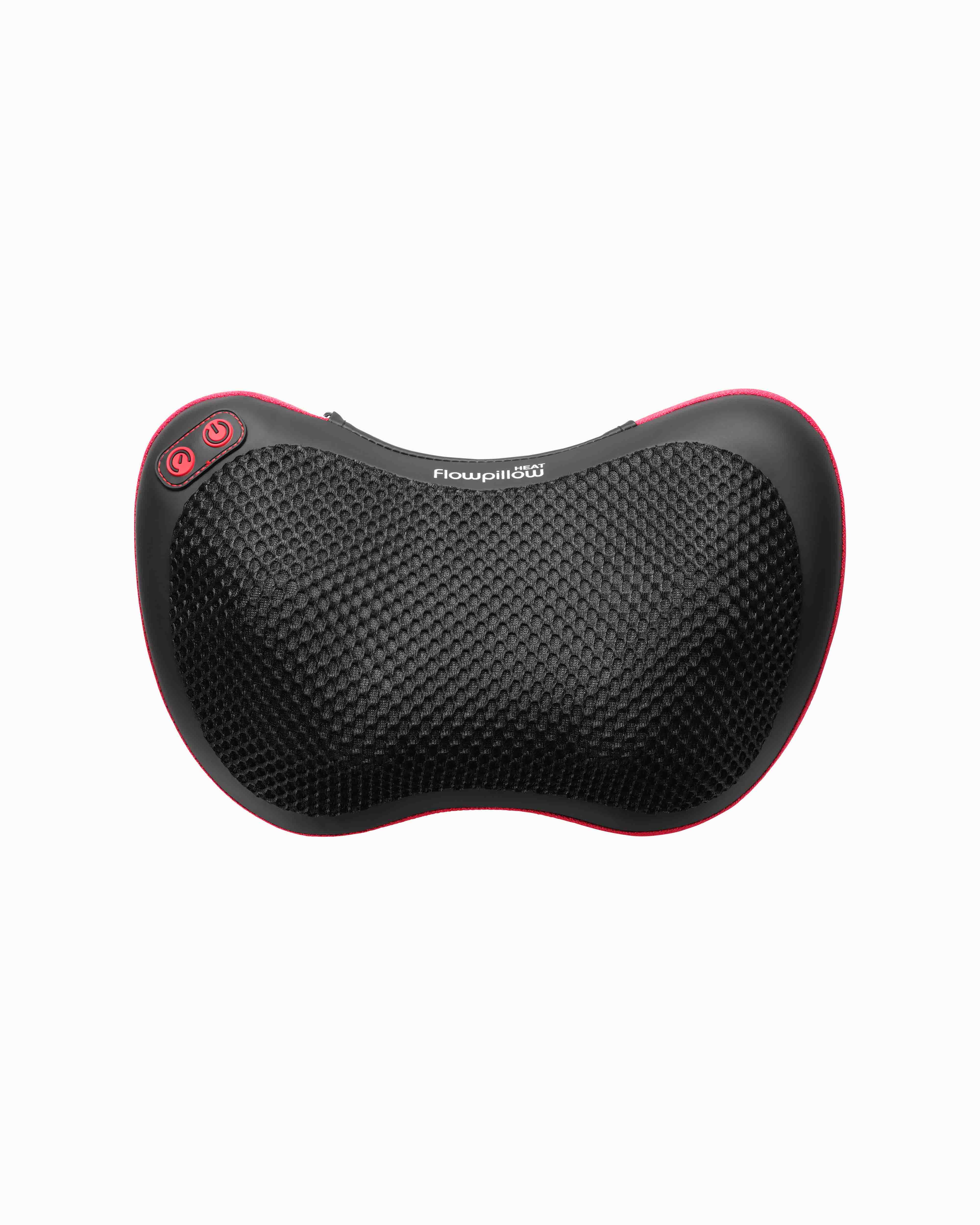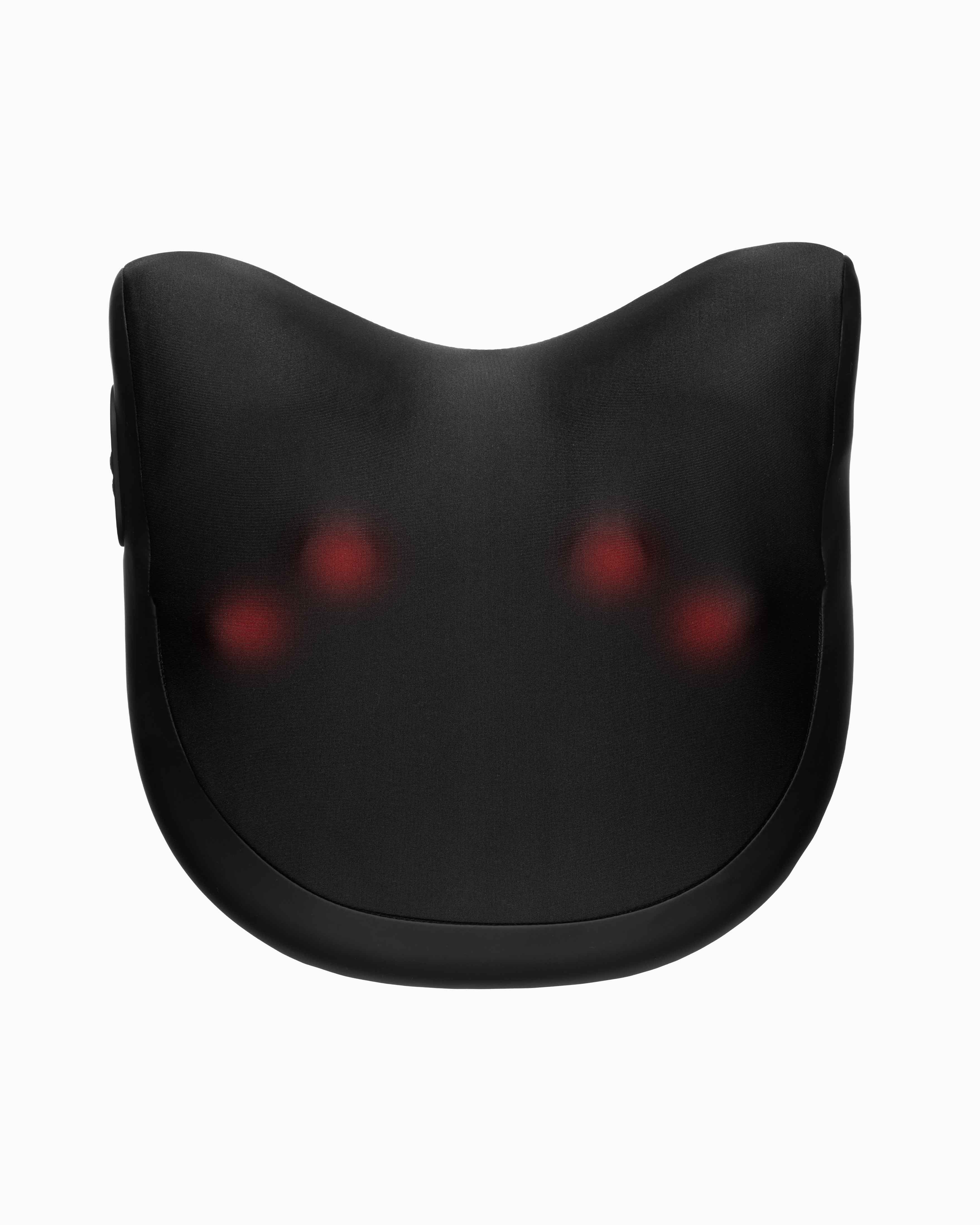
Flowpillow Pro
Massage Pillows
159 GBP

Pain & Common Problems
Back pain is the most common musculoskeletal complaint worldwide, affecting active and sedentary people alike. Most cases involve the lower back, but upper back and neck tension from desk work, training, and poor posture are equally prevalent. The pain is almost always treatable without surgery or long-term medication. The conditions below cover the most frequent causes, why they develop, and what actually helps.
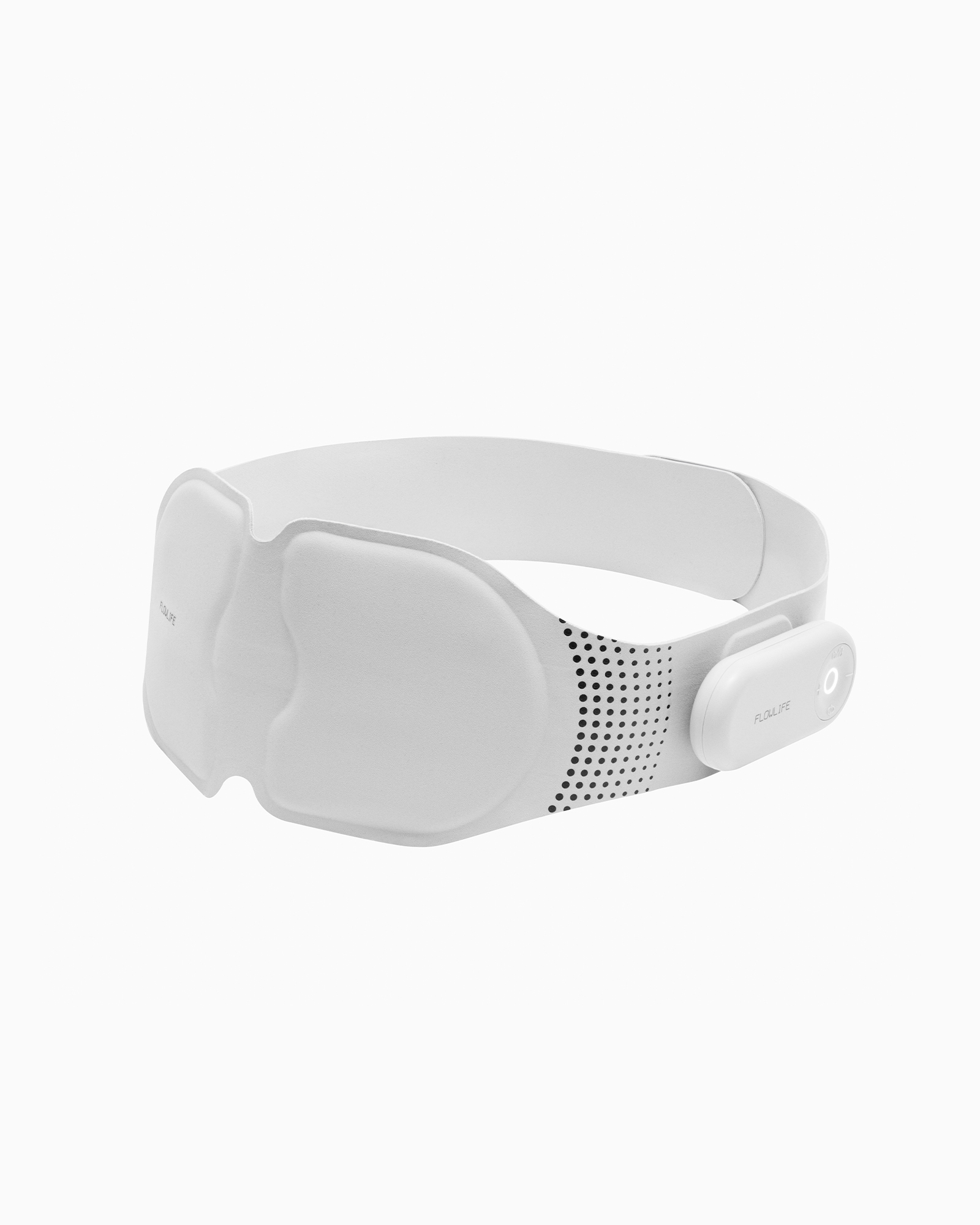
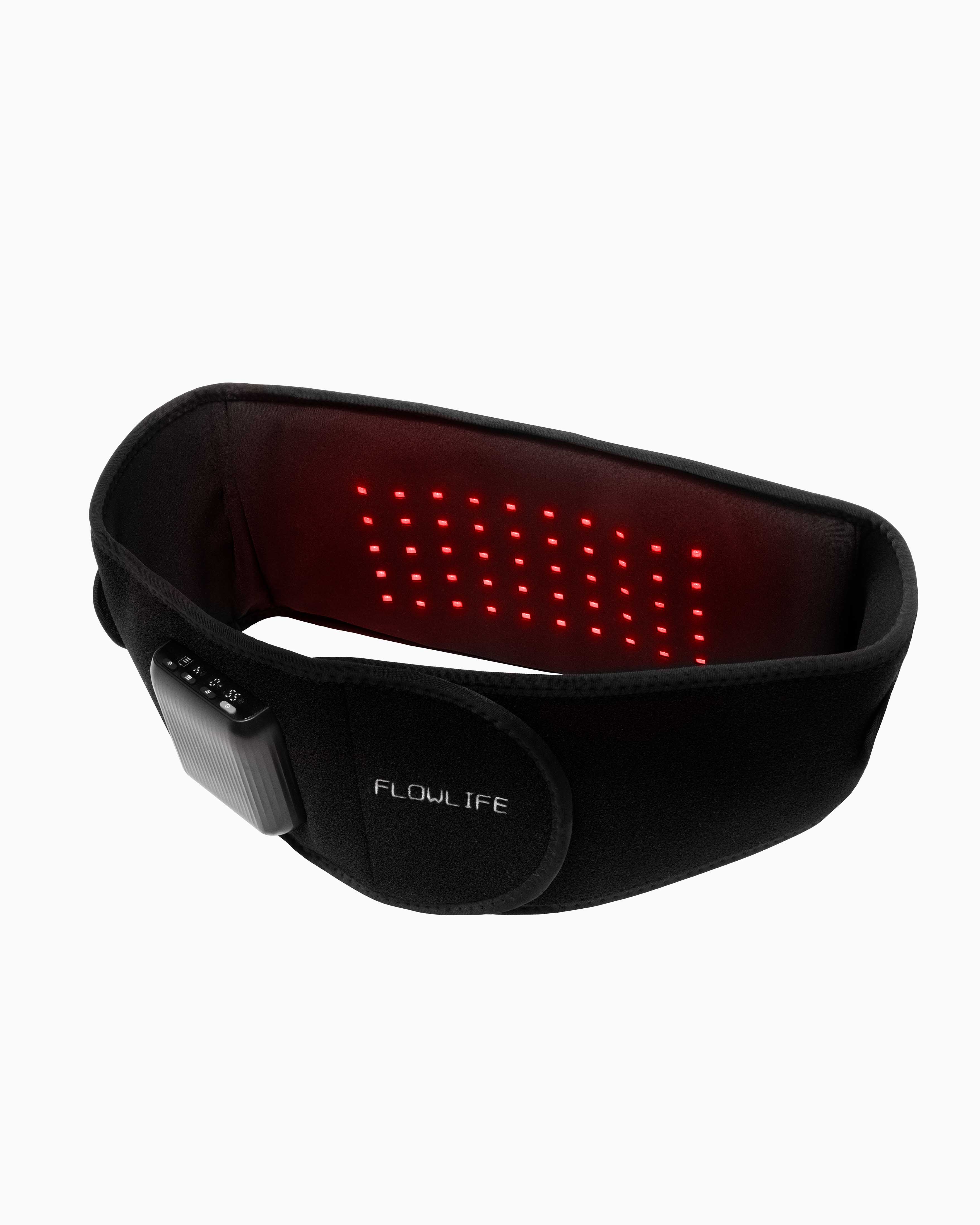
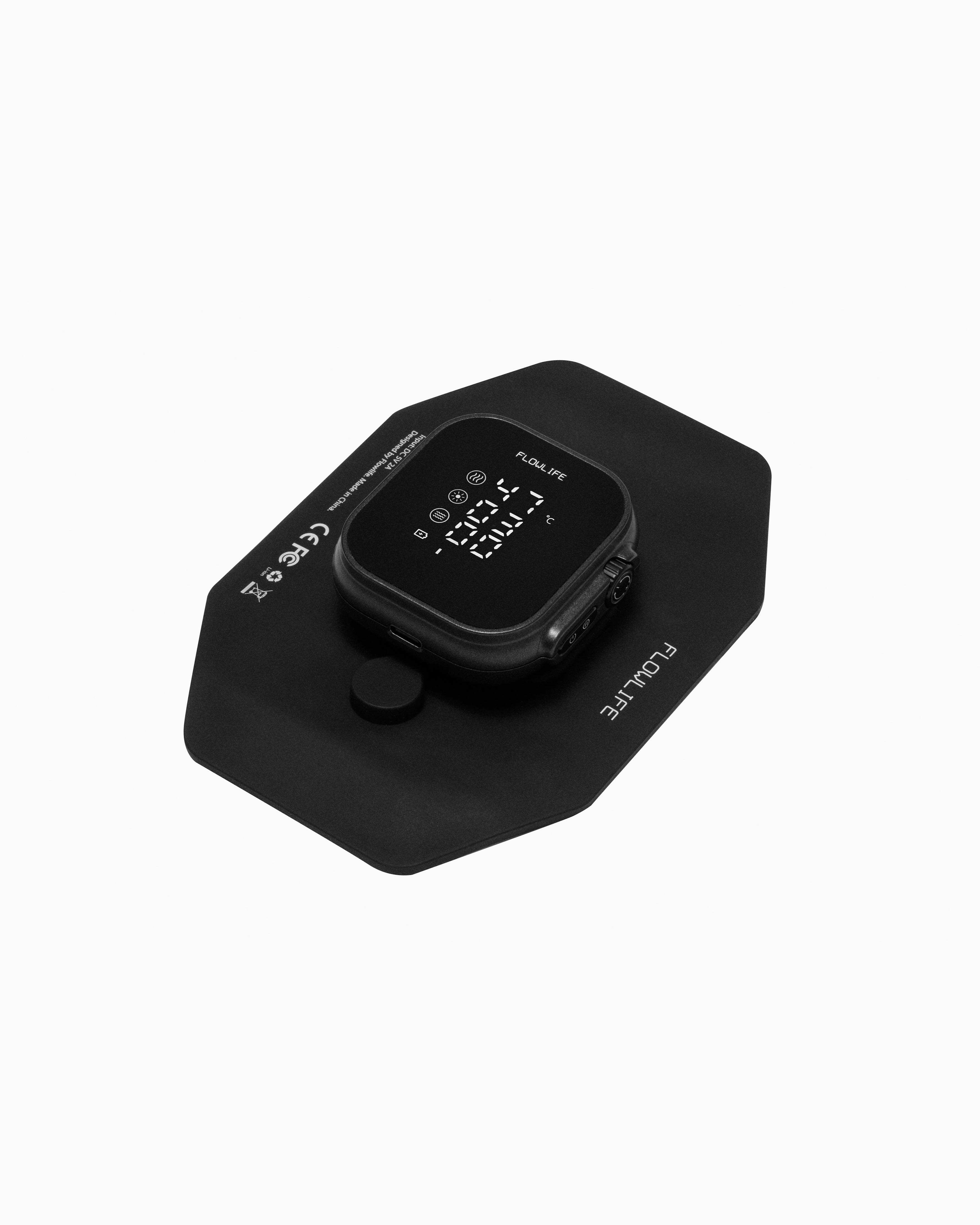
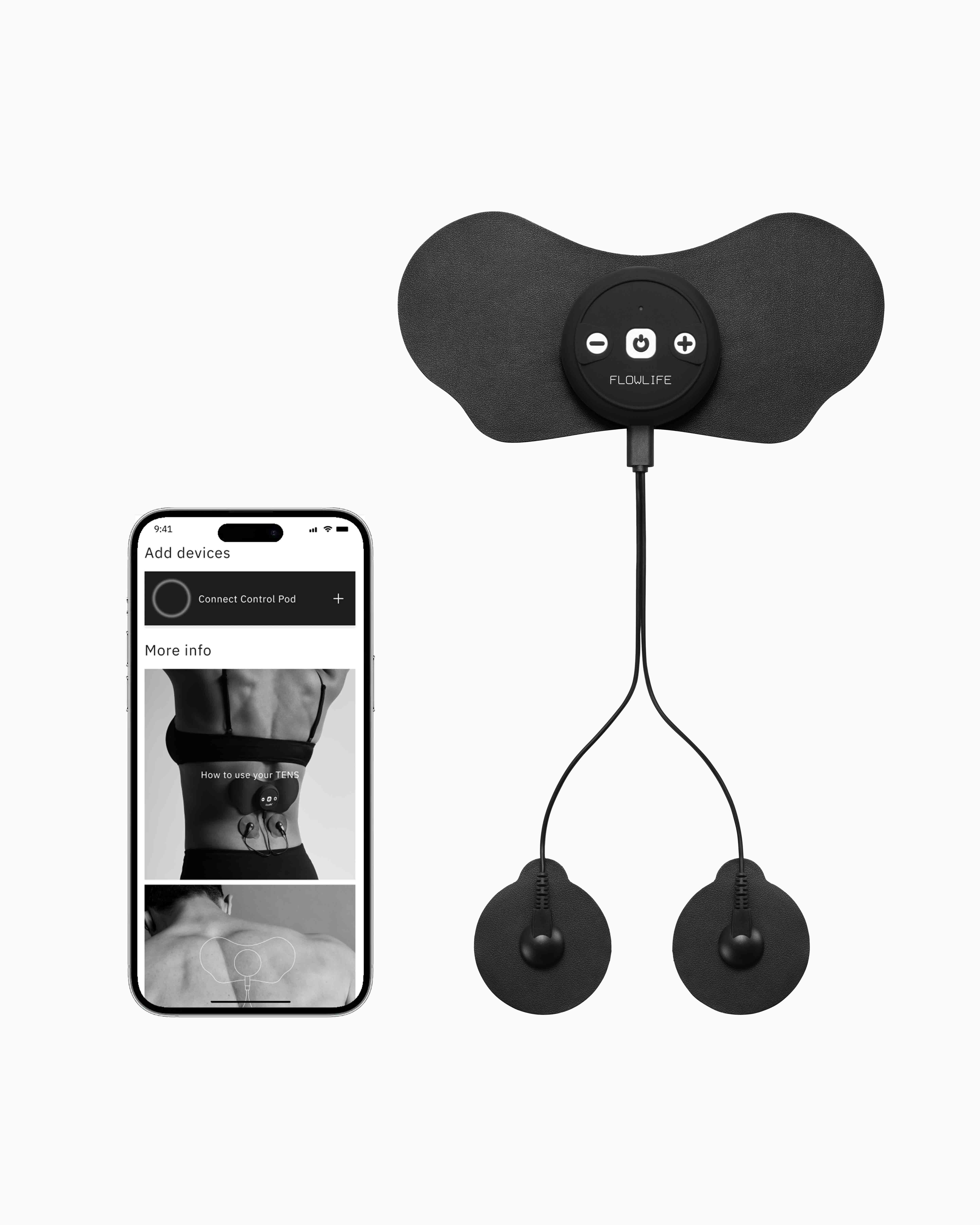
Flowtens Belt
159 GBP95.40 GBP
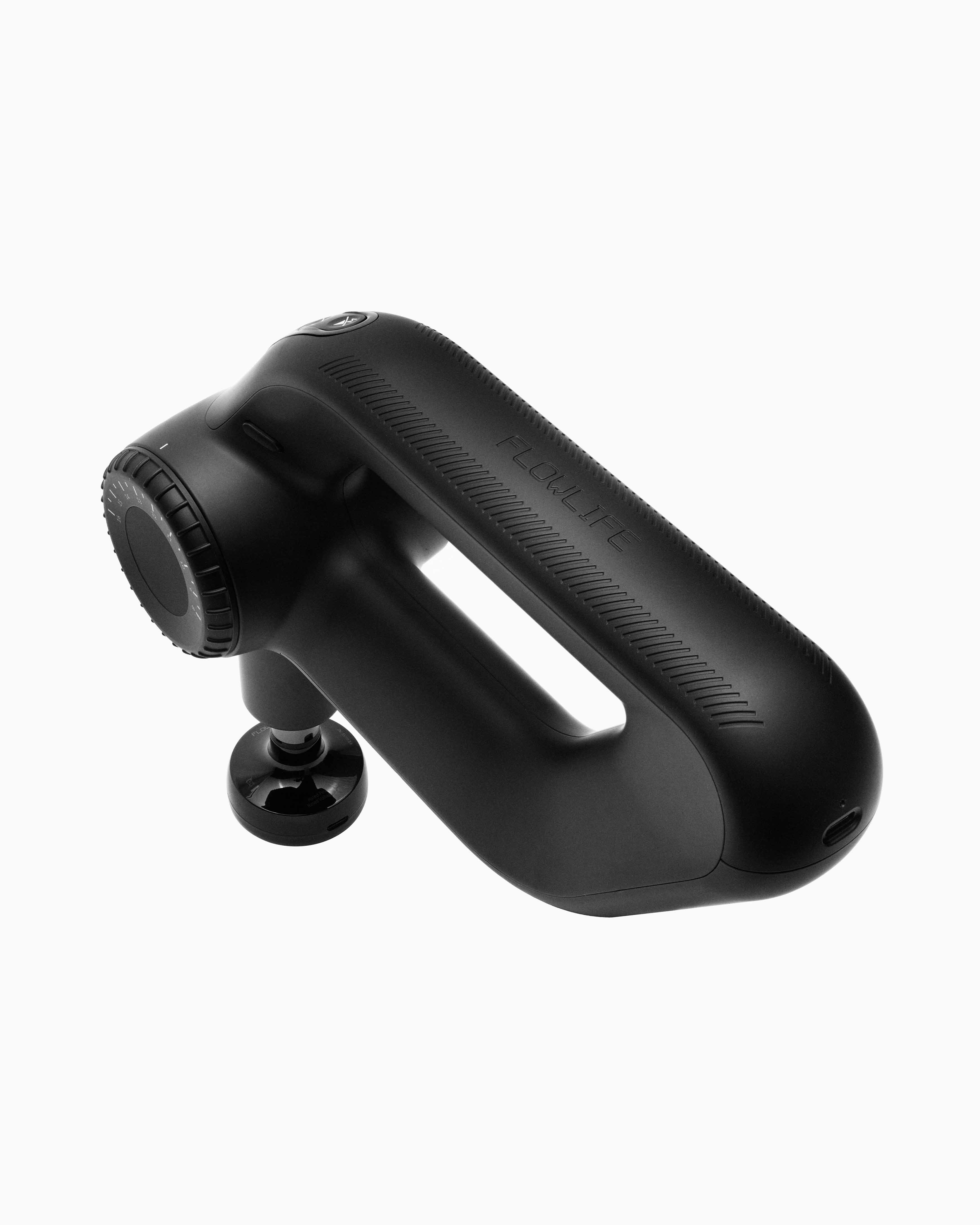
Flowgun Ultra
499 GBP334.33 GBP
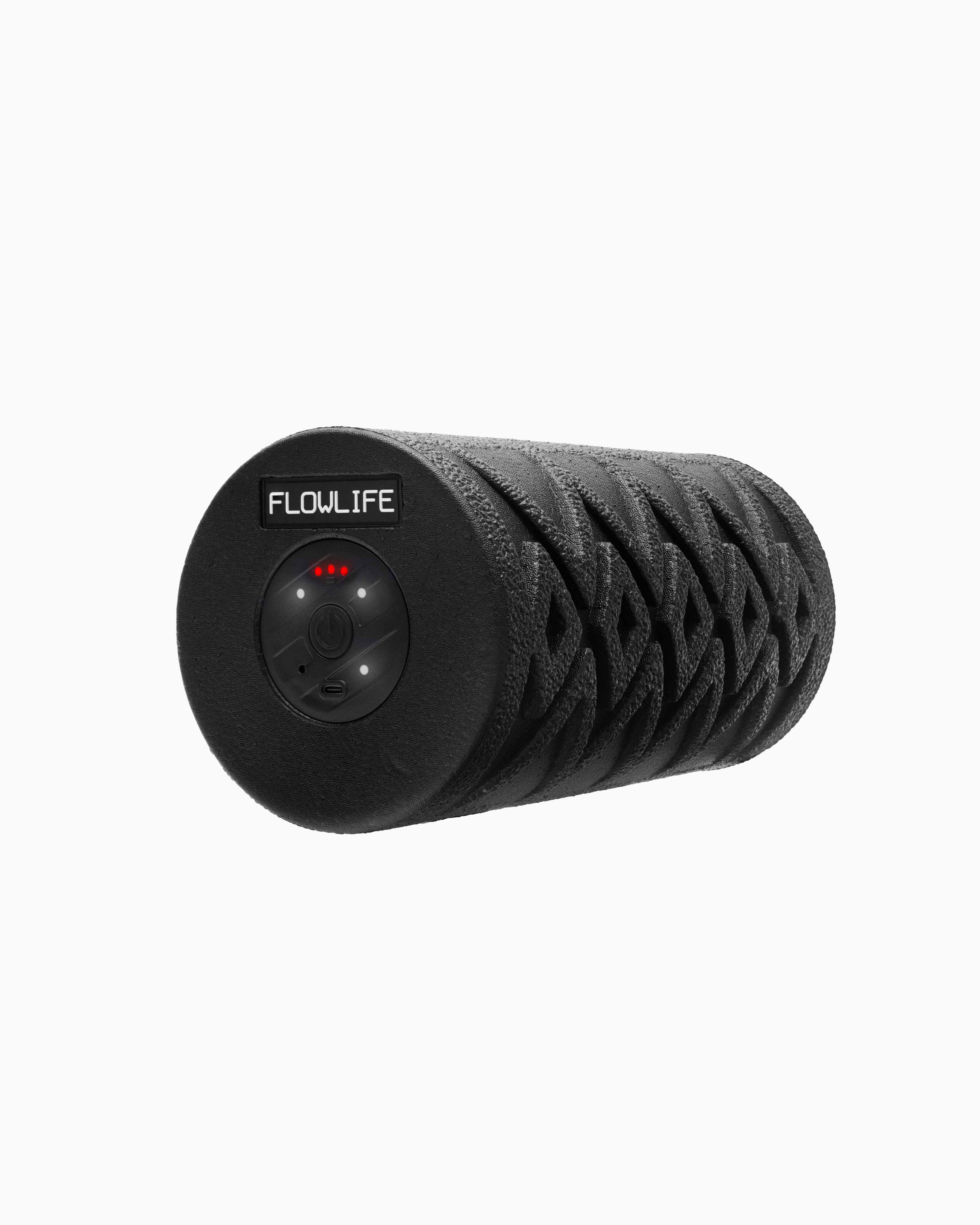
Flowroller Pro
159 GBP106.01 GBP
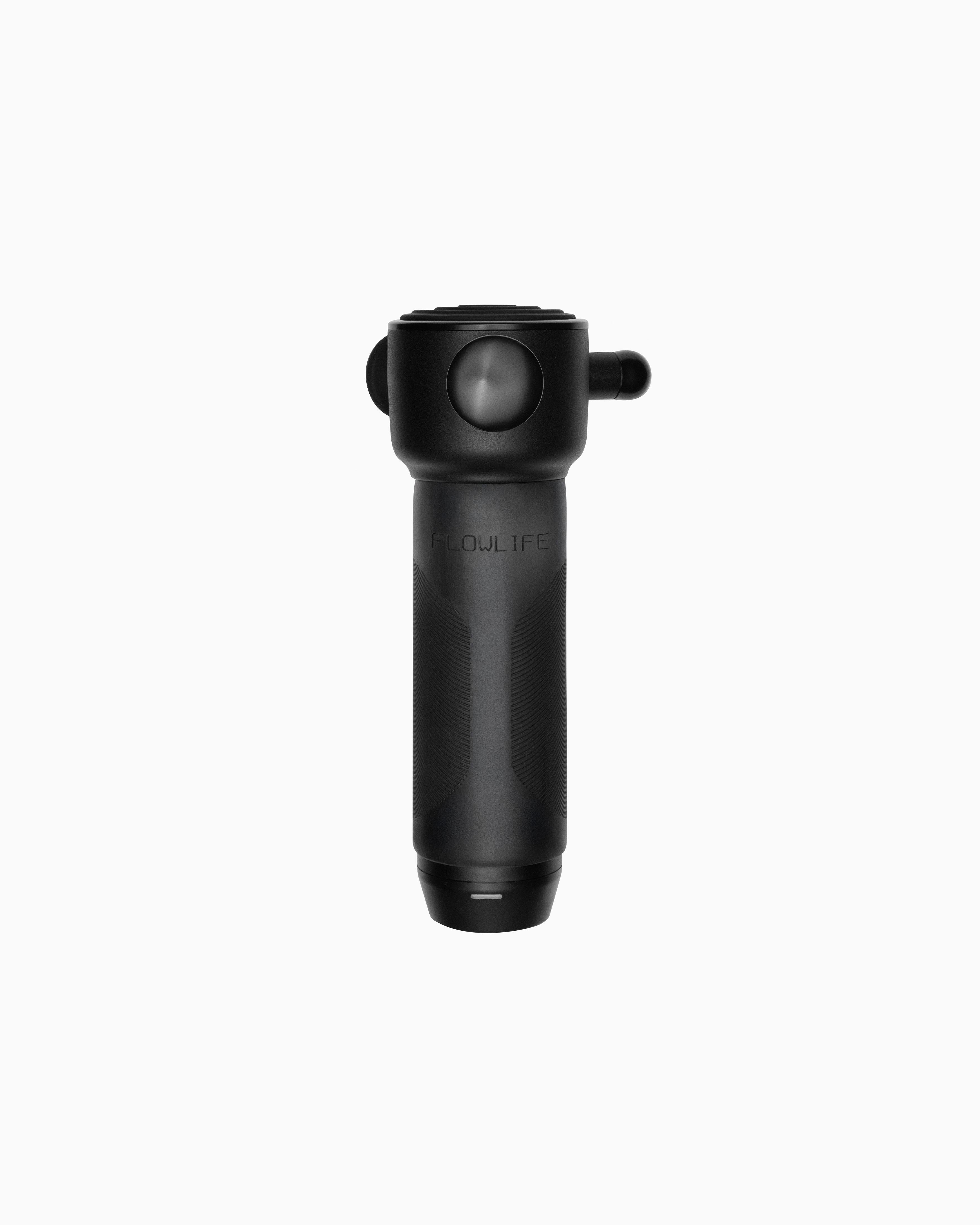
Flowsonic Pro
199 GBP119.40 GBP

Flowplunge Go
99 GBP59.40 GBP
FAQ
What causes lower back muscle pain, and how do I relieve it?
What is sciatica, and why does the pain travel down the leg?
What is a herniated disc, and what can help?
What causes upper back and shoulder blade pain?
What is SI joint pain, and how does it differ from back pain?
Lower back muscle pain, also called lumbar muscle strain, involves overstretching or microtearing of the muscles and ligaments in the lower back, typically following sudden movement, heavy lifting, or prolonged sitting in an awkward position.
The muscles of the lower back provide stability and movement for the lumbar spine. When overloaded or suddenly stressed, small tears in the muscle fibers trigger inflammation and protective muscle spasm. The result is a localized ache or sharp pain that worsens with movement, bending, or prolonged sitting.
Prolonged sitting, heavy lifting with poor technique, sudden twisting movements, and sleeping in an unsupportive position all aggravate lower back muscle pain. Weak core muscles that cannot support the spine adequately increase the load on the back muscles.
Heat therapy is the most effective first approach for muscle pain and spasm, increasing blood flow, reducing muscle tension, and improving range of motion. A massage gun targeting the lower back, glutes, and hip flexors releases the tension and spasm. Red light therapy supports cellular repair and reduces the chronic inflammation that persists in recurrent back pain. TENS therapy provides effective pain management during flare-ups without medication.
Apply heat therapy to the lower back for 15 to 20 minutes before movement or activity to reduce stiffness. Use a massage gun on the lower back and glutes for 2 to 3 minutes per area. Red light therapy over the lumbar region for 15 minutes daily supports ongoing tissue repair. Most acute lower back strains resolve within 2 to 6 weeks with consistent treatment.
EXPLORE

Sciatica is pain that follows the path of the sciatic nerve, running from the lower back through the buttocks and down the back of each leg. It is a symptom of nerve irritation or compression, most commonly caused by a herniated disc or tight piriformis muscle pressing on the nerve.
The sciatic nerve is the largest nerve in the body. When compressed or irritated, it produces pain, tingling, numbness, or weakness along its entire course. The pain is typically described as a shooting or burning sensation radiating from the lower back through the buttocks and down the leg. Sitting for long periods tends to worsen it significantly.
Prolonged sitting, forward bending, sneezing or coughing that increases spinal pressure, and tight piriformis and hip muscles that compress the nerve all aggravate sciatica.
TENS therapy is the most directly effective tool for sciatic nerve pain, modulating the pain signal without medication. Heat therapy relaxes the surrounding muscles that may be compressing the nerve. Red light therapy reduces neuroinflammation and supports nerve tissue health over time. A massage gun targeting the piriformis and glutes releases the muscle tension that can compress the sciatic nerve.
TENS electrode placement along the path of pain, from the lower back to the affected buttock and leg, produces the strongest relief. Heat therapy for 15 to 20 minutes relaxes the surrounding musculature. Seek medical evaluation if pain is severe, progressive, or accompanied by weakness or loss of bladder or bowel control.

A herniated disc occurs when the soft inner material of an intervertebral disc pushes through a crack in the tougher outer layer. The herniated material can press on nearby nerves, causing pain, numbness, or weakness in the back, buttock, or leg.
When the inner nucleus pulposus herniates through the outer annulus fibrosus, it creates both a structural disruption and an inflammatory response that irritates surrounding nerve roots. The pain can range from localized back pain to severe radiating nerve pain down the leg. Bending forward typically increases pain by compressing the disc further.
Prolonged sitting, forward bending, heavy lifting, and high-impact activities during acute phases all increase disc pressure and worsen symptoms. Sneezing, coughing, or straining also momentarily increases spinal pressure and pain.
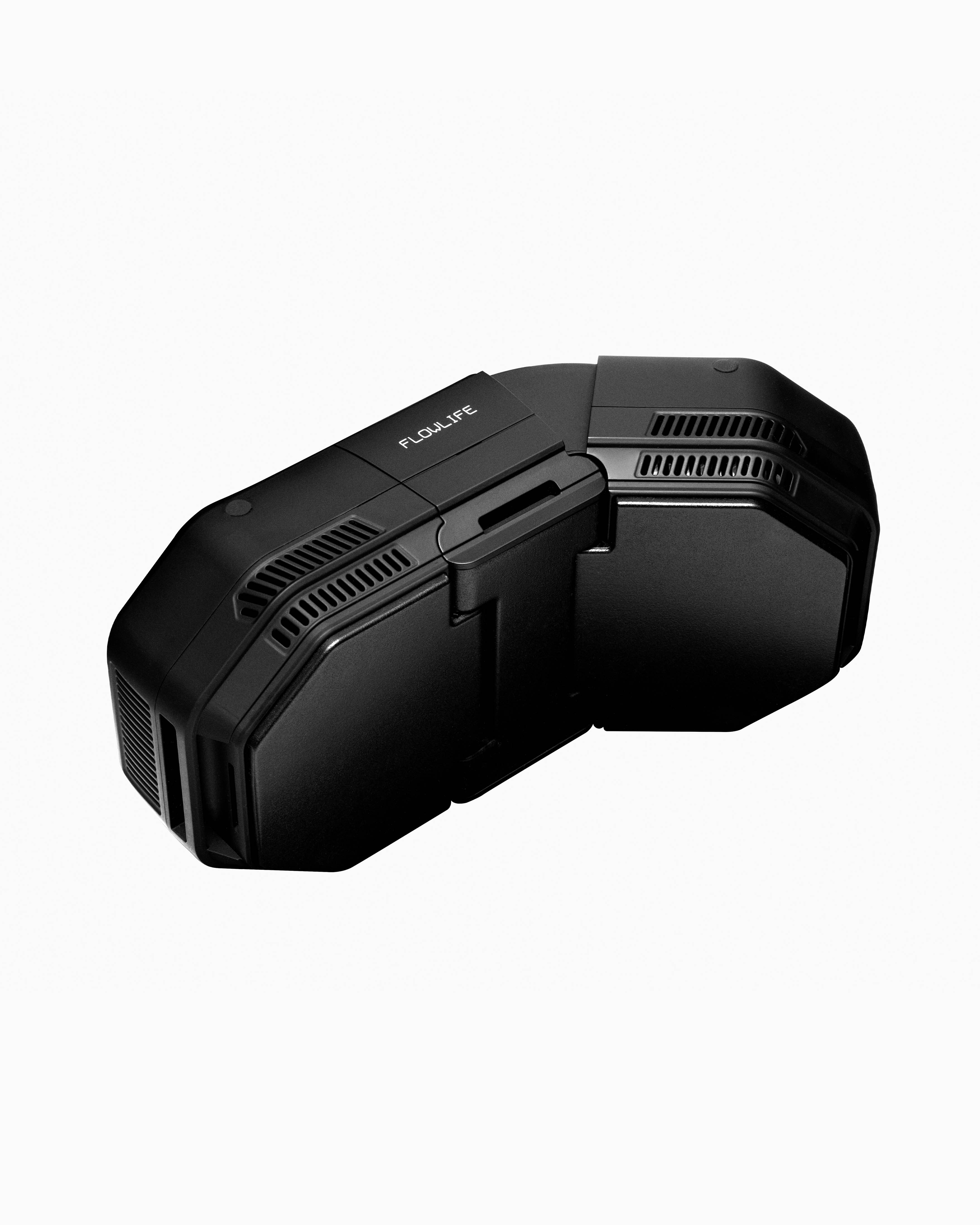
TENS therapy provides effective nerve pain relief during acute phases without increasing spinal load. Heat therapy relaxes the surrounding muscles that spasm in response to disc irritation. Red light therapy reduces neuroinflammation and supports the repair of surrounding soft tissue. Hyperbaric oxygen therapy accelerates tissue repair and reduces inflammation in the disc and surrounding structures.
Seek a medical diagnosis for a suspected herniated disc before starting any recovery protocol. TENS and heat therapy can be used to manage symptoms while the disc heals. Most herniated discs improve significantly within 6 to 12 weeks with conservative management.

Upper back pain between the shoulder blades is most commonly caused by muscle tension, postural strain, or trigger points in the rhomboids, trapezius, and levator scapulae muscles. It is extremely common among people who spend long hours at a desk or behind the wheel.
Sustained postures that keep the upper back rounded forward place the muscles between the shoulder blades in a prolonged stretched position. These muscles fatigue and develop trigger points, hypersensitive knots that produce localized pain and referred pain patterns across the upper back and into the neck and shoulders.
Prolonged sitting, poor screen positioning, carrying a bag on one shoulder, and high-volume pressing exercises without adequate mobility work all contribute. Stress increases muscle tension throughout the upper back and neck.
A massage gun targeting the rhomboids, trapezius, and thoracic spine is the most direct and immediate tool, releasing trigger points and restoring tissue mobility. A massage pillow or seat cushion provides hands-free shiatsu-style relief during or after work. Heat therapy reduces muscle tension and stiffness throughout the upper back. Red light therapy addresses chronic inflammation and supports tissue repair.
Use a massage gun or massage pillow on the upper back for 5 to 10 minutes after prolonged sitting. Heat therapy for 15 minutes relaxes the entire upper back and shoulder girdle. Regular movement breaks throughout the day are as important as recovery tools for managing this condition.
EXPLORE

Sacroiliac joint pain is pain at the junction between the sacrum and the ilium, the large flat bones of the pelvis. It is felt in the lower back and buttocks, typically on one side, and is a common but often misdiagnosed cause of lower back pain.
When this joint becomes inflamed or its movement becomes abnormal, it produces deep, aching pain in the lower back and buttocks, and sometimes in the back of the thigh. The pain is often worse when transitioning from sitting to standing, climbing stairs, or standing on one leg.
Activities that load one side of the pelvis asymmetrically, such as single-leg stance, lunging, or carrying a child on one hip, aggravate SI joint pain. Prolonged sitting and sleeping on the affected side also worsens it.
Heat therapy relaxes the muscles around the SI joint and reduces the protective spasm that limits movement. TENS therapy provides effective pain management for the deep, aching pain characteristic of SI joint dysfunction. Red light therapy reduces inflammation in the joint and supporting ligaments over time. A massage gun targeting the glutes and piriformis releases the tension contributing to SI joint loading.
Heat therapy for 15 to 20 minutes before movement reduces stiffness. TENS electrode placement over the SI joint produces direct pain relief. Daily red light therapy applied to the lower back and buttocks supports longer-term inflammation reduction.

FAQ