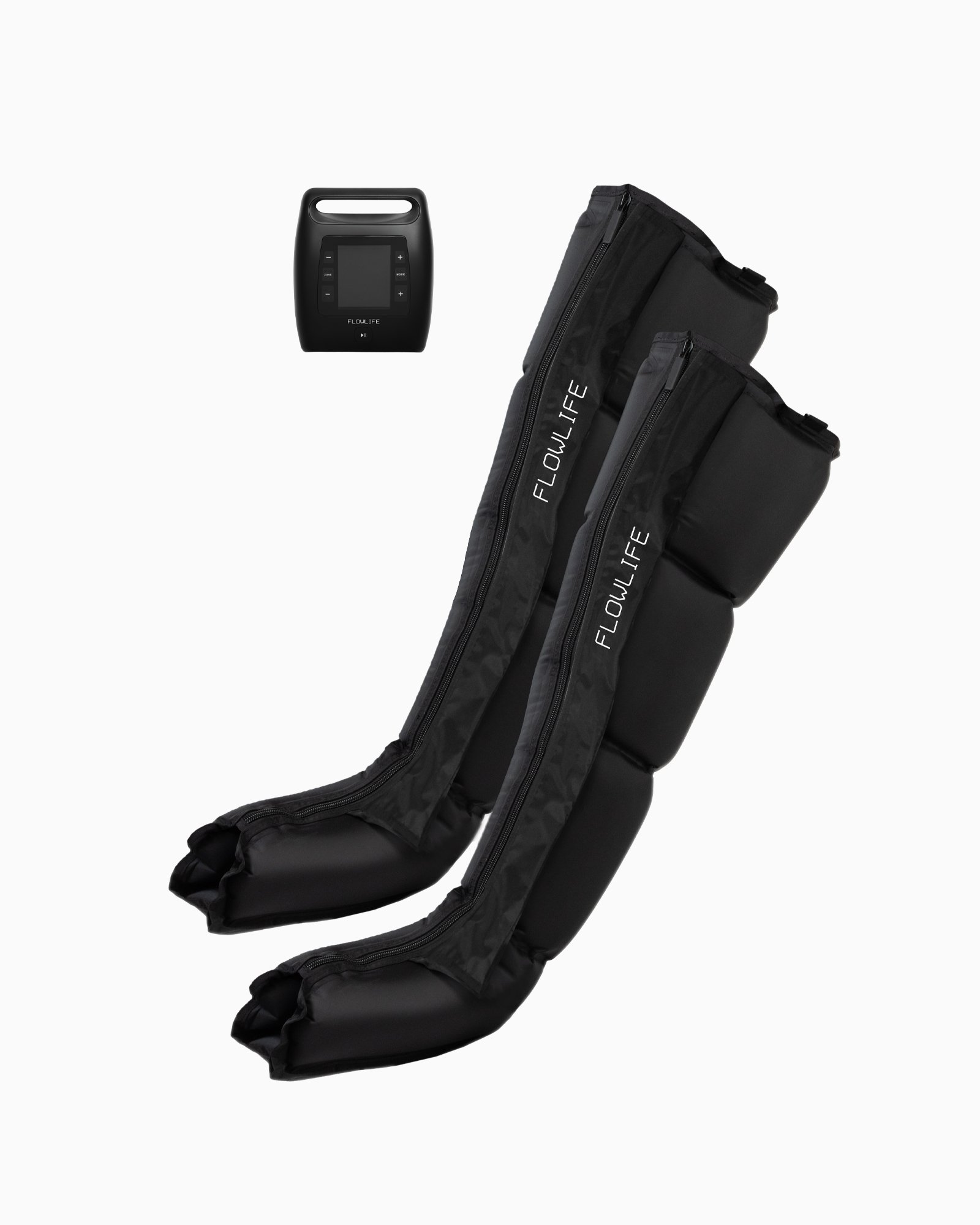
Flowpression Calf Duo
Compression Equipment
159 GBP

Pain & Common Problems
Calf pain stops runners cold and keeps athletes out of training for weeks when not managed correctly. From acute muscle tears to chronic shin splints and Achilles problems, the lower leg is one of the most injury-prone areas in sport. The conditions below cover the most common causes of calf pain, what is happening in the tissue, and what actually works.
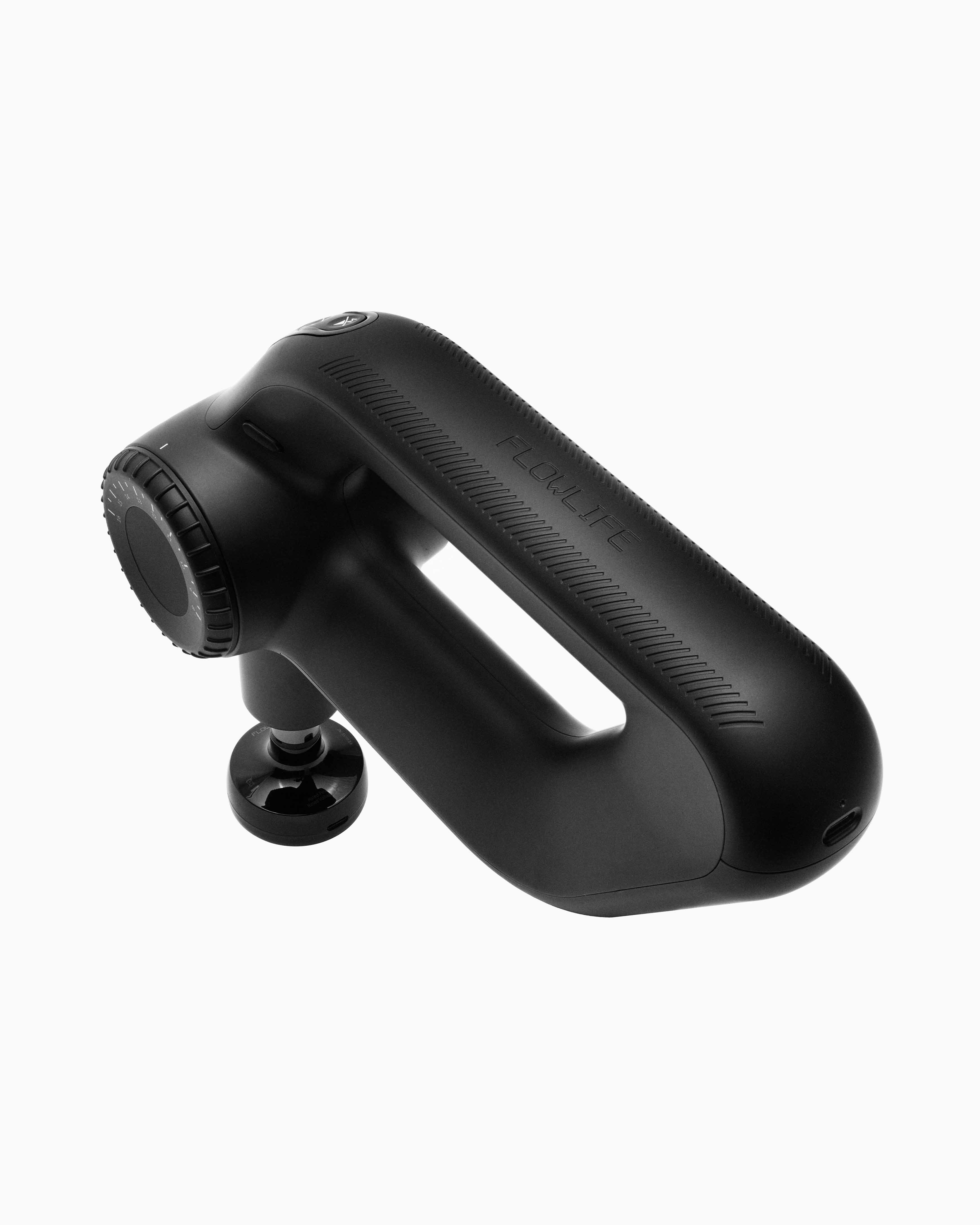
Flowgun Ultra
499 GBP334.33 GBP
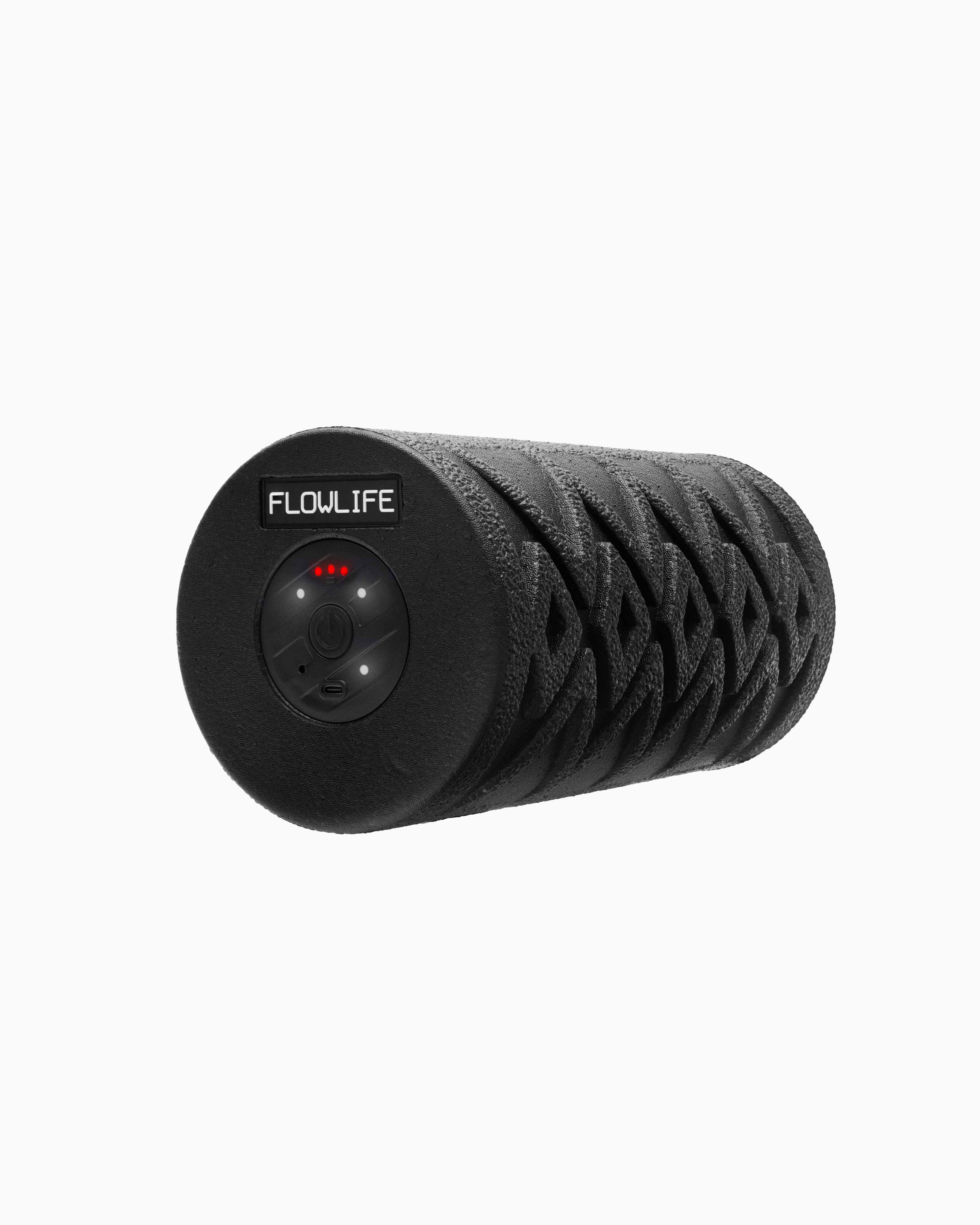
Flowroller Pro
159 GBP106.01 GBP
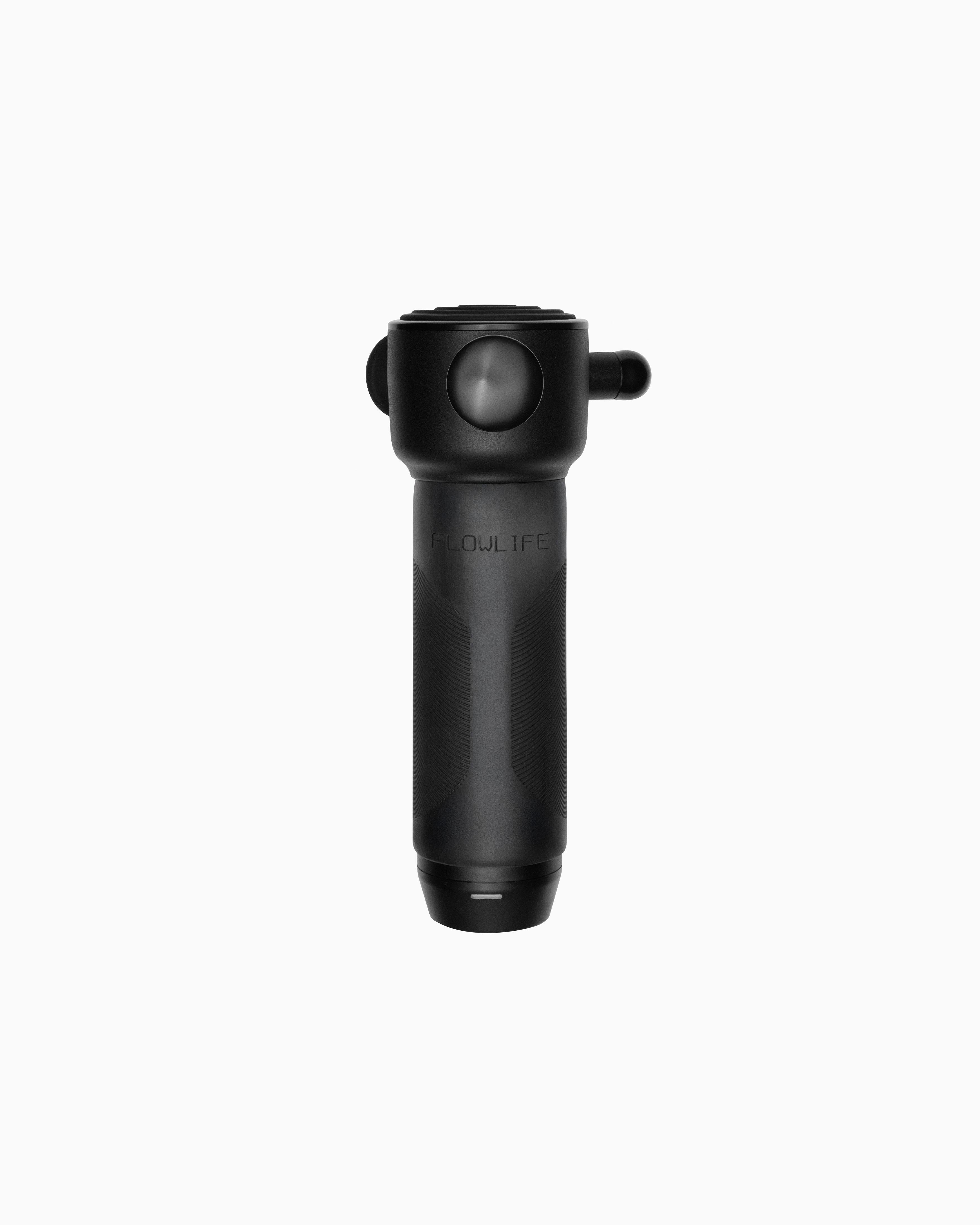
Flowsonic Pro
199 GBP119.40 GBP

Flowplunge Go
99 GBP59.40 GBP
FAQ
What is a calf strain, and how serious is it?
What are shin splints, and why do they develop?
What causes calf tightness, and how do I relieve it?
Why do my calves cramp during running or at night?
A calf strain is a tear in one of the calf muscles, most commonly the medial head of the gastrocnemius. It ranges from a mild Grade 1 strain involving micro-tears to a complete Grade 3 rupture. Medial gastrocnemius tears are sometimes called tennis leg because they are common in racket sports.
The injury typically occurs during a sudden, explosive push-off or change of direction, producing an immediate, sharp pain in the calf. The area becomes tender, swollen, and sometimes bruised within hours. Walking is painful and the affected muscle feels tight and shortened.
Returning to full running or explosive activity too quickly is the most common cause of re-injury. Cold weather, inadequate warmup, fatigue, and tight calf muscles from high training loads all increase the risk.
Cold therapy is the immediate response in the first 48 to 72 hours, reducing swelling and pain in the acute phase. Compression therapy reduces swelling and supports the calf during the initial recovery period. Red light therapy accelerates tissue repair after the acute phase. Massage, beginning gently as healing progresses, prevents the formation of restrictive scar tissue and restores tissue quality.
Apply cold therapy for 15 to 20 minutes several times per day in the first 48 to 72 hours. Compression throughout the day reduces swelling. Begin red light therapy once acute inflammation has settled. Most Grade 1 strains recover in 1 to 2 weeks. Grade 2 strains take 3 to 6 weeks. Always seek medical assessment for suspected Grade 3 tears.
EXPLORE

Shin splints, medically known as medial tibial stress syndrome, is pain along the inner edge of the shinbone caused by inflammation of the muscles, tendons, and bone tissue surrounding the tibia. It is one of the most common running injuries.
The pain is typically a diffuse ache or tenderness along a significant portion of the inner shinbone. It is worst at the start of a run, sometimes eases mid-session, and returns afterward. The tissue around the tibia becomes inflamed from the repeated stress of impact loading.
Running on hard surfaces, sudden increases in weekly mileage, worn-out running shoes, overpronation, and weak hip abductors that increase stress on the lower leg all contribute.
Cold therapy applied to the shinbone reduces acute inflammation and pain after running. Red light therapy supports tissue repair in the inflamed periosteum and surrounding musculature. Compression therapy improves circulation in the lower leg and reduces the swelling that accumulates with high-volume training. A massage gun targeting the calf muscles releases the tension that transmits stress into the tibia during impact.
Apply cold therapy to the shins for 15 minutes after running. Use compression during recovery periods. Red light therapy over the affected area for 10 to 15 minutes daily accelerates tissue repair. Temporarily reduce running volume and address footwear and running mechanics to resolve the root cause.
EXPLORE

Calf tightness is characterized by chronic tension in the gastrocnemius and soleus muscles that restricts ankle mobility and increases stress throughout the lower leg and foot.
Tight calves are a primary driver of plantar fasciitis, Achilles tendinitis, shin splints, and knee pain. The tightness produces a pulling sensation in the back of the lower leg that is worse first thing in the morning, after long periods of sitting, and after running.
High running volume, wearing shoes with elevated heels that keep the calves shortened, prolonged sitting, and inadequate recovery between training days all contribute.
A massage gun targeting the gastrocnemius and soleus is the most effective and direct tool for releasing calf tightness and restoring tissue quality. Compression boots improve venous return and lymphatic drainage from the calf. Heat therapy relaxes the muscle tissue and improves extensibility. Red light therapy supports the repair of chronically overloaded tissue.
Use a massage gun on the calf for 2 to 3 minutes before and after running. Compression boots for 20 minutes after training clears metabolic waste and reduces post-run tightness. Regular, consistent treatment prevents tightness from accumulating into injury.

Calf cramps are sudden, involuntary, and painful contractions of the gastrocnemius or soleus muscles. They occur during running, swimming, and cycling, as well as at night.
A cramp occurs when a muscle contracts and cannot relax, producing a visible, palpable knot and intense pain. During exercise, cramps are most commonly triggered by muscle fatigue, dehydration, and electrolyte imbalance. Night cramps often involve the same factors plus prolonged inactivity.
Dehydration, low sodium and magnesium levels, running in hot conditions, high training volume without adequate recovery, and tight calves all increase the frequency of cramping.
A massage gun applied directly to the cramping muscle is the fastest relief. Compression therapy after training reduces the metabolic conditions that trigger cramps by improving circulation and waste clearance. Cold therapy after training reduces the residual inflammation and soreness that follow repeated cramping.
Apply a massage gun to the cramping calf immediately for relief. Consistent hydration with electrolytes before and during activity prevents the majority of exercise-induced cramps. Compression boots after intense training sessions are particularly effective for preventing night cramps.

FAQ