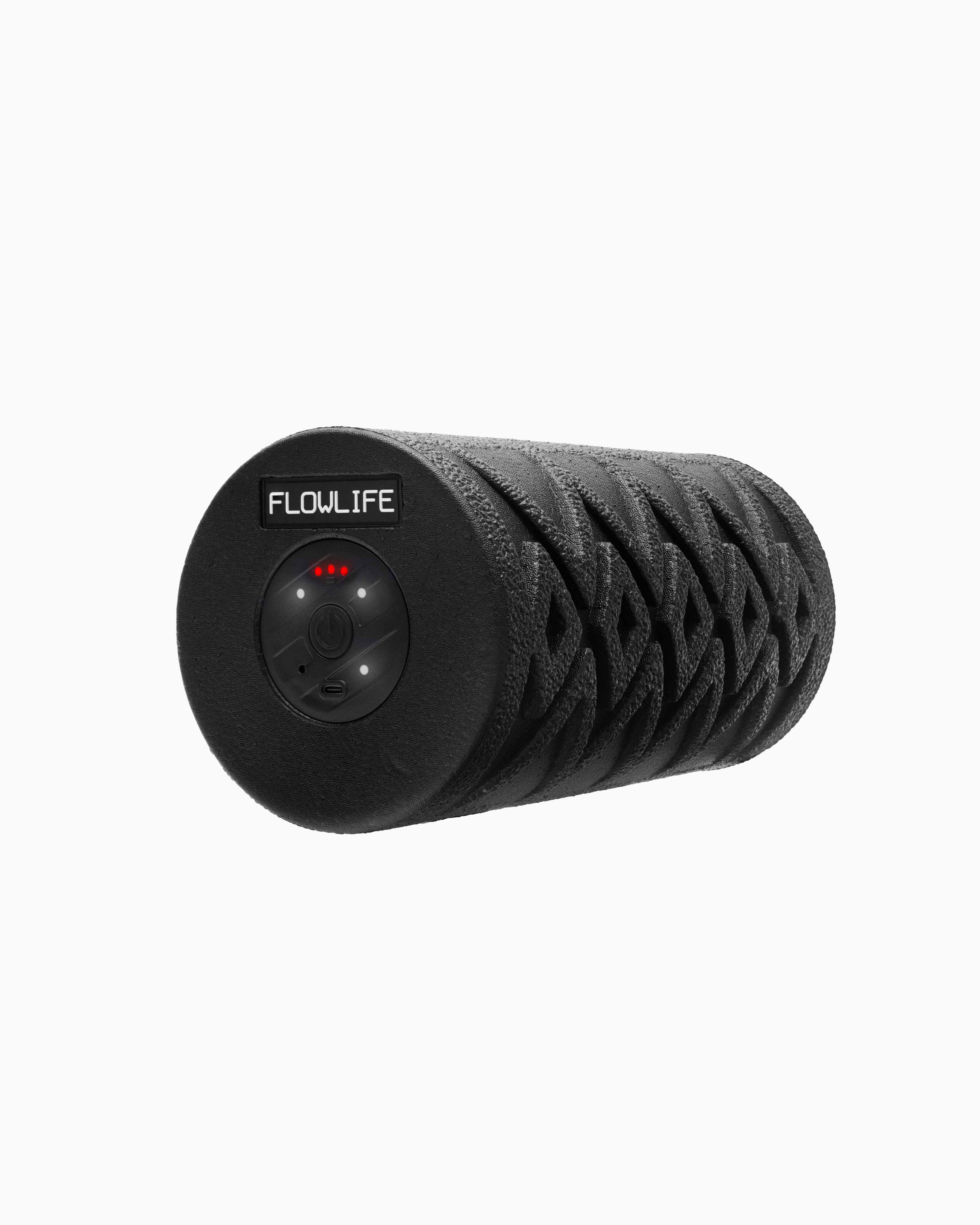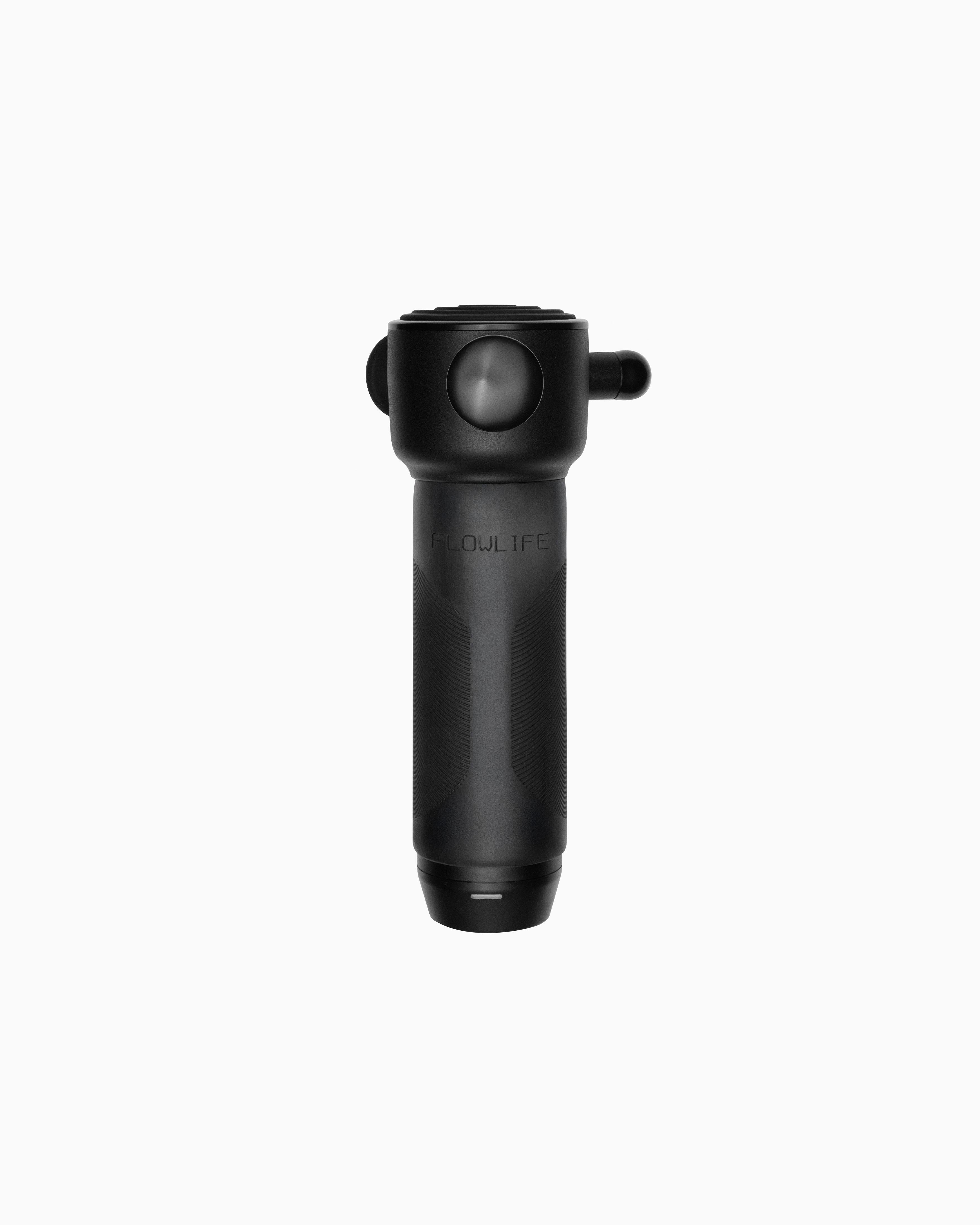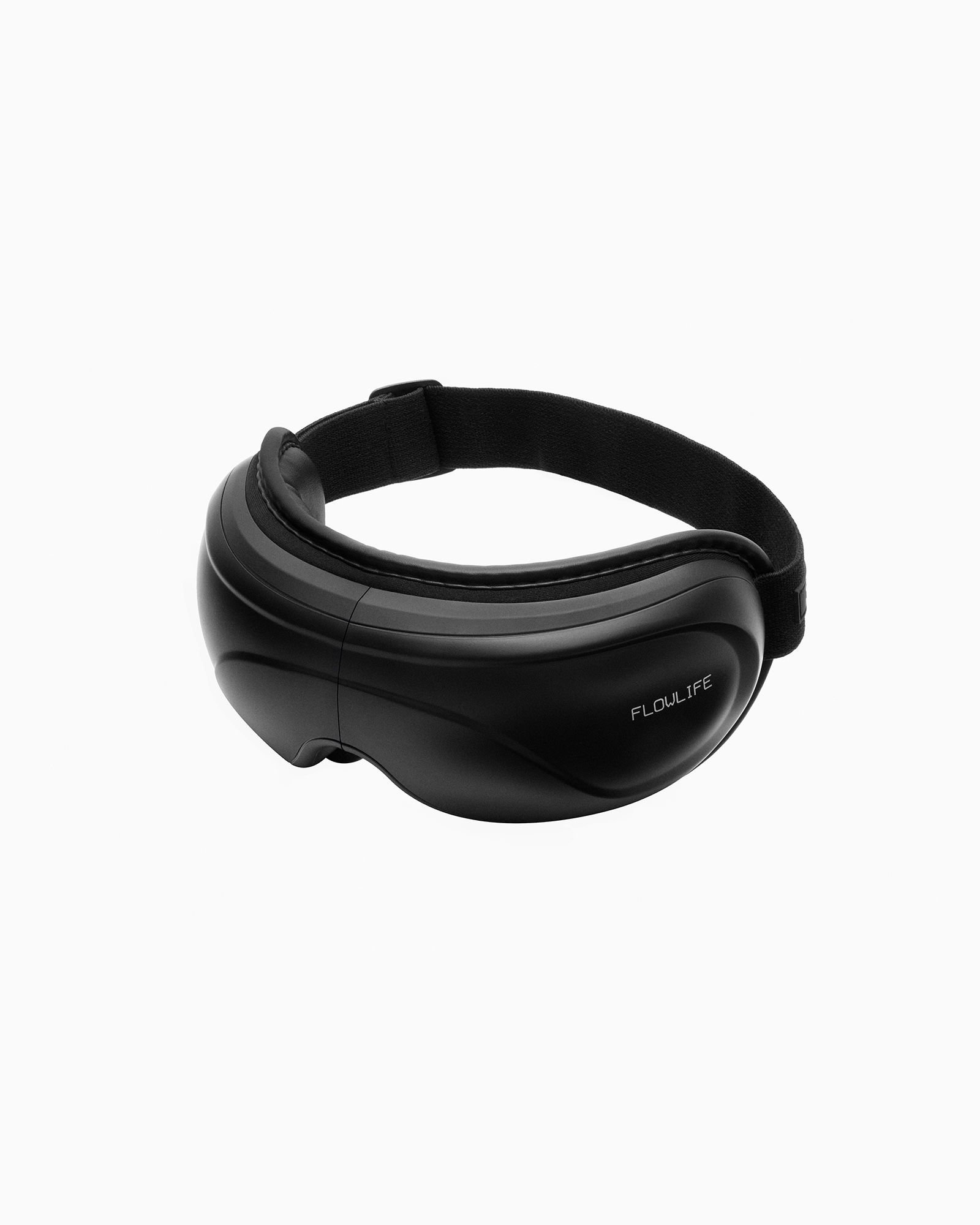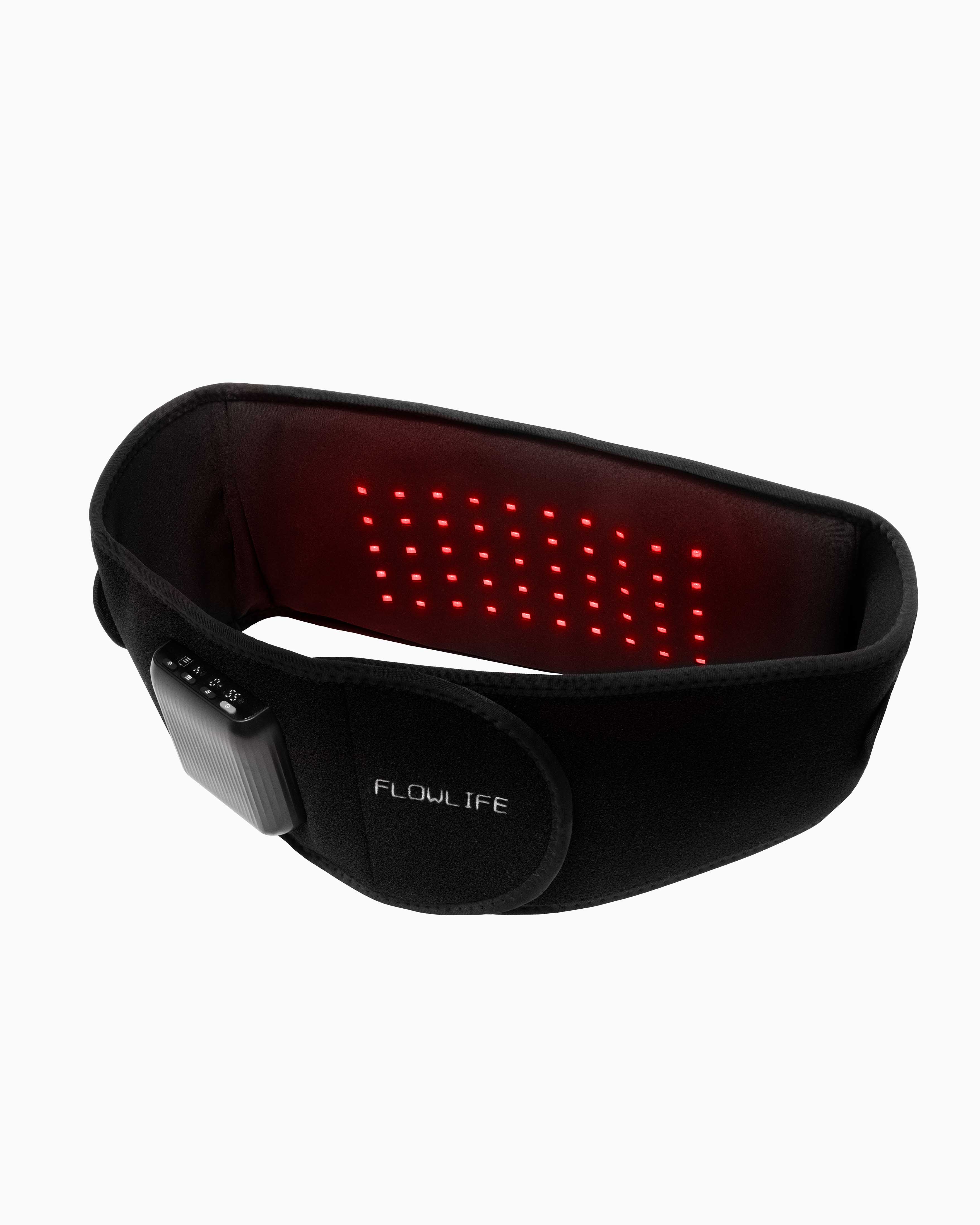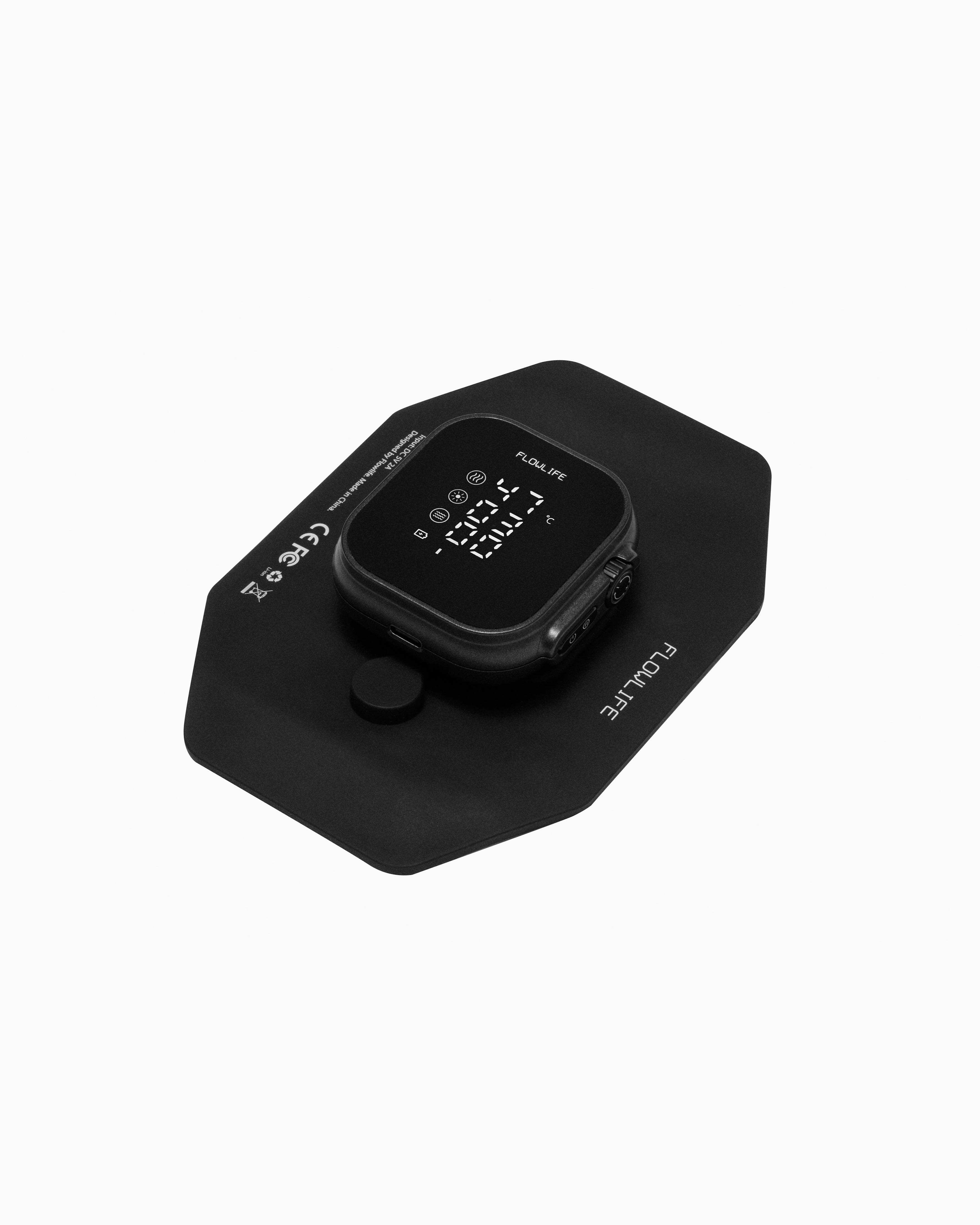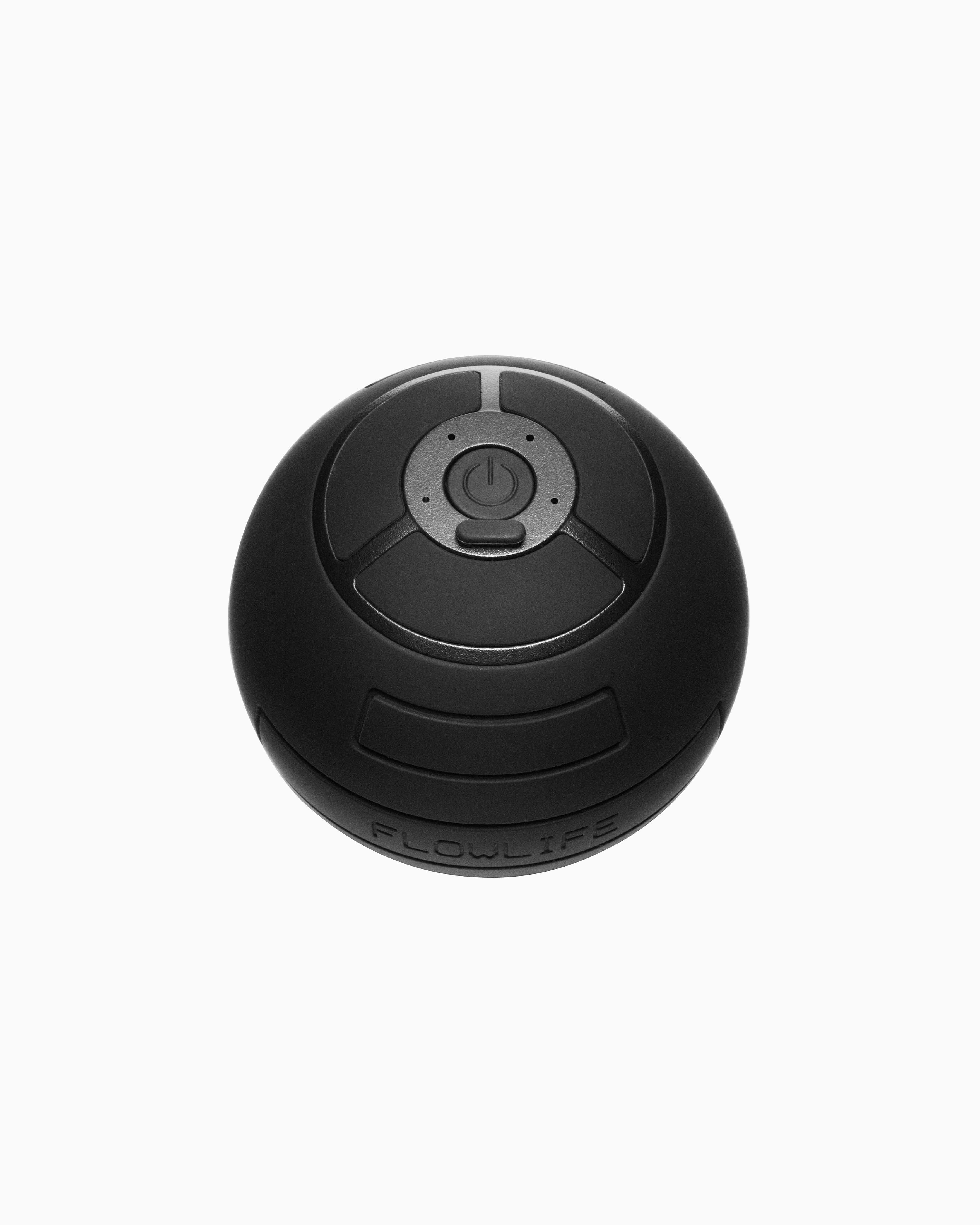
Flowroller Ball Go
New in
1 199 NOK

Science
Vibration therapy uses controlled mechanical vibration to activate the body's internal muscle sensors, improve neuromuscular coordination, and accelerate circulation in a way that neither static exercise nor passive rest can replicate. Applied locally or systemically, it improves flexibility, reduces soreness, and enhances the nervous system's control of muscle function, making it an effective tool for both recovery and physical preparation.
FAQ
How does vibration therapy work?
Does vibration therapy reduce muscle soreness?
Can vibration therapy improve flexibility and range of motion?
How does vibration therapy enhance neuromuscular activation?
What is the difference between localized and whole-body vibration?
Is vibration therapy safe?
Can vibration therapy improve balance and coordination?
Can vibration therapy improve bone density?
How does vibration therapy compare to percussion therapy?
How often should vibration therapy be used?
Vibration therapy works by applying mechanical vibration to muscle and connective tissue, activating sensory receptors within the muscle, triggering reflexive muscle contractions, improving neuromuscular coordination, and increasing local blood flow.
When vibration is applied to a muscle, it continuously stimulates the tiny sensors inside the muscle fibers that detect movement and length changes. This triggers a low-level involuntary activation of the muscle, which increases blood flow to the area and keeps the nervous system engaged. At the same time, the body's natural pain-reducing mechanism kicks in: enough vibration at the right frequency tells the brain to turn down the discomfort signals. The vibration also tells the body's tension regulators to ease off, which is what allows a greater range of motion to open up.
Research consistently demonstrates that vibration therapy increases muscle activation, improves circulation, and reduces perceived muscle soreness and stiffness. Studies confirm that the tonic vibration reflex produces measurable increases in motor unit recruitment and local blood flow in treated muscle groups.
5 to 15 minutes of localized vibration therapy produces measurable improvements in muscle activation, circulation, and range of motion. Vibration therapy is effective both before training for neuromuscular preparation and after training for recovery.
Vibration therapy reduces delayed-onset muscle soreness by increasing blood flow to affected tissues, accelerating the clearance of metabolic waste products, and activating the nervous system's natural pain-gating mechanism to reduce the perception of soreness.
Muscle soreness results from microtears in muscle fibers, localized inflammation, and the accumulation of metabolic byproducts in the tissue surrounding those tears. Vibration applied to sore muscles increases local circulation through the reflexive muscle activation and the direct mechanical pumping of blood through capillary beds. Better blood flow accelerates the removal of inflammatory compounds and metabolic waste. The sensory receptor stimulation from vibration also engages the gate control mechanism, reducing the intensity of the soreness signals reaching the brain.
Studies show significant reductions in perceived DOMS intensity and improved muscle strength recovery in individuals who received vibration therapy after training compared to passive recovery. Research confirms reductions in creatine kinase levels and improvements in the range of motion after exercise-induced muscle damage.
Apply vibration therapy to sore muscle groups for 5 to 10 minutes per area, 30 to 60 minutes after training. Regular use after each session cumulatively reduces DOMS intensity across a training cycle.

Vibration therapy improves flexibility and range of motion by reducing the protective tension that limits how far a muscle can be stretched, increasing tissue extensibility through improved circulation, and activating the sensory mechanisms that reduce movement inhibition.
Much of what limits flexibility is not muscle weakness but the nervous system's protective response to stretching. The body's tension regulators, activated by vibration, reduce the protective muscle tone that limits how far a movement can go. Increased local circulation from vibration-induced activity warms the tissue and increases the extensibility of collagen in connective structures. Reduced pain-inhibition of movement through the gate mechanism allows a fuller range to be explored without triggering protective resistance.
Research shows significant increases in hamstring flexibility, hip mobility, and shoulder range of motion following vibration therapy. Studies confirm that vibration therapy applied before stretching produces greater acute improvements in range of motion than static stretching alone.
Apply vibration therapy to target muscle groups for 3 to 5 minutes before mobility work. Combining vibration therapy with active stretching produces the best acute and lasting improvements in range of motion.

Vibration therapy improves neuromuscular activation by increasing motor unit recruitment, improving the synchronization of muscle firing, and priming the muscles for more efficient force production during subsequent activity.
Vibration keeps the neural connection between the brain and the muscle active and responsive. The repeated stimulation trains the motor units to fire more efficiently and in better coordination. By the time the vibration stops, the nervous system's connection to that muscle is sharper and more ready to respond, which is what produces the improvements in activation and force output.
Research shows increased electromyographic (EMG) activity, improved maximal force output, and increased power production in vibration-treated muscles compared to untreated controls. Studies confirm that 3 to 5 minutes of vibration therapy produces measurable improvements in neuromuscular activation efficiency that last 15 to 30 minutes.
Apply vibration therapy to the muscles most likely to be loaded for 3 to 5 minutes immediately before activity. Transition quickly from vibration to training to take advantage of the neuromuscular activation window.

Localized vibration therapy applies vibration directly to a specific muscle group through a handheld device. Whole-body vibration applies vibration through a platform, affecting the entire musculoskeletal system simultaneously. Both activate the body's internal muscle sensors, but produce different effects and suit different applications.
Localized vibration targets specific muscle groups with precision. You can treat the calves, hamstrings, or shoulders independently, controlling frequency and intensity per area. Whole-body vibration activates a reflexive muscle response across all weight-bearing muscle groups simultaneously, making it effective for general neuromuscular training and bone density work but less precise for targeted recovery. Localized vibration is better suited for the recovery of specific sore muscle groups and pre-training activation of target muscles. Whole body vibration is more commonly used in general fitness, rehabilitation, and bone health applications.
Research on both modalities confirms neuromuscular activation and circulation benefits. Studies on localized vibration show stronger targeted effects on individual muscle groups. Whole body vibration research shows additional benefits for balance, bone density, and systemic muscle activation.
Use localized vibration for targeted muscle recovery, pre-training preparation of specific muscle groups, and trigger point treatment. Use whole body vibration for general neuromuscular training, balance work, and bone density maintenance.

Vibration therapy is safe for healthy individuals at recommended frequencies and intensities. Direct application over joints, bones, the spine, or acute injuries should be avoided.
The frequencies and amplitudes used in localized vibration therapy activate the body's sensory receptors without damaging soft tissue when applied correctly. Application directly over joints can cause discomfort and potentially irritate joint capsules and ligaments. Application over the spine should be avoided. People with deep vein thrombosis, active inflammation, open wounds, or neoplastic disease in the treatment area should avoid vibration therapy without medical guidance.
Vibration therapy has a strong safety profile in athletic and clinical research at recommended parameters. Adverse events are rare when the product is applied correctly to soft tissue.
Apply vibration therapy to soft tissue, not directly over joints or bones. Start at lower intensity settings and increase gradually. Limit sessions to 15 minutes total per muscle group. Consult a physician if unsure about contraindications.

Vibration therapy improves balance and coordination by increasing proprioceptive sensitivity, the body's awareness of where its limbs are in space, and improving the speed and accuracy of neuromuscular responses.
Balance depends on the integration of proprioceptive, visual, and vestibular input. Vibration therapy improves the body's sense of where it is in space by repeatedly stimulating the sensors in muscles and joints that track position and movement. The more these sensors are activated, the sharper and more accurate their input becomes. Better proprioceptive input provides the nervous system with more precise information about body position and movement, enabling faster, more accurate corrective responses. Neuromuscular reaction speed improves through enhanced motor unit synchronization and reduced neural processing time.
Research shows improvements in static and dynamic balance, proprioceptive acuity, and reaction times in individuals who underwent vibration therapy protocols. Studies confirm that vibration therapy improves balance and coordination in both healthy populations and rehabilitation contexts.
Integrate vibration therapy into balance and coordination training by targeting the foot and lower leg muscles before proprioceptive exercises. Consistent use over 4 to 8 weeks produces measurable improvements in balance performance.

Whole body vibration therapy has been studied as a tool for maintaining and improving bone density, particularly in populations at risk of bone loss, including older adults and people with limited physical activity capacity.
Bone adapts to mechanical loading, the same principle behind resistance training, increasing bone density. Whole body vibration creates rapid, low-amplitude mechanical stimulation through the skeleton that activates bone-forming cells (osteoblasts) and suppresses bone-resorbing cells (osteoclasts). The vibration stimulus is particularly valuable for individuals who cannot perform high-impact exercise, as it provides mechanical bone stimulus without the joint loading required by running or jumping.
Research on whole body vibration for bone density shows modest but consistent improvements in lumbar spine and hip bone density, particularly in post-menopausal women and elderly populations. Studies confirm that vibration therapy is not a replacement for resistance training but provides meaningful bone stimulation in populations where high-impact exercise is not possible.
For bone density applications, whole body vibration at 25 to 45Hz, 3 to 5 sessions per week for 10 to 20 minutes each, produces the most consistently documented results. Consult a physician before starting if you have been diagnosed with osteoporosis or fragility fractures.

Vibration therapy and percussion therapy both use mechanical stimulation to treat muscle tissue, but in fundamentally different ways. Vibration applies continuous oscillations that primarily activate the muscle's internal sensors and neuromuscular pathways. Percussion delivers discrete, rapid impacts that penetrate deeper into tissue for myofascial release.
Vibration therapy at 20 to 60Hz with lower-amplitude oscillations primarily works through the muscle's internal sensors, making it more effective for neuromuscular activation and sharpening the body's sense of position and movement. Percussion therapy at similar frequencies but with discrete impacts, rather than continuous oscillation, penetrates deeper into tissue via mechanical impulse, is more effective at disrupting myofascial adhesions, and provides rapid, localized pain relief through sensory receptor flooding. The two modalities produce complementary rather than competing effects.
Research comparing vibration and percussion therapy shows different strength profiles for each modality. Vibration produces stronger neuromuscular activation effects. Percussion produces stronger myofascial release effects and deeper tissue penetration.
Use vibration therapy for neuromuscular activation, proprioceptive training, and mobility preparation. Use percussion therapy for myofascial release, trigger-point treatment, and deep-tissue penetration. Combine both in a complete recovery protocol.

Vibration therapy can be used daily as part of a warm-up and recovery routine. Sessions of 5 to 15 minutes per muscle group, applied before and after training, produce consistent benefits without causing overfatigue.
The neuromuscular and circulatory effects of vibration therapy reset quickly between sessions, allowing daily use without adaptation problems. The body's response to vibration remains consistent with regular stimulation. Circulatory improvements accumulate with daily use and support ongoing tissue health.
Research protocols for vibration therapy consistently use daily or multiple-times-weekly application without reporting adverse effects. Studies confirm cumulative improvements in neuromuscular function and reduced training-induced soreness with consistent daily use.
Use vibration therapy for 1 to 2 minutes per muscle group for pre-training activation, and for 5 to 10 minutes per area for post-training recovery. Daily use over 4 to 8 weeks produces measurable improvements in neuromuscular function and reduced training soreness.

FAQ