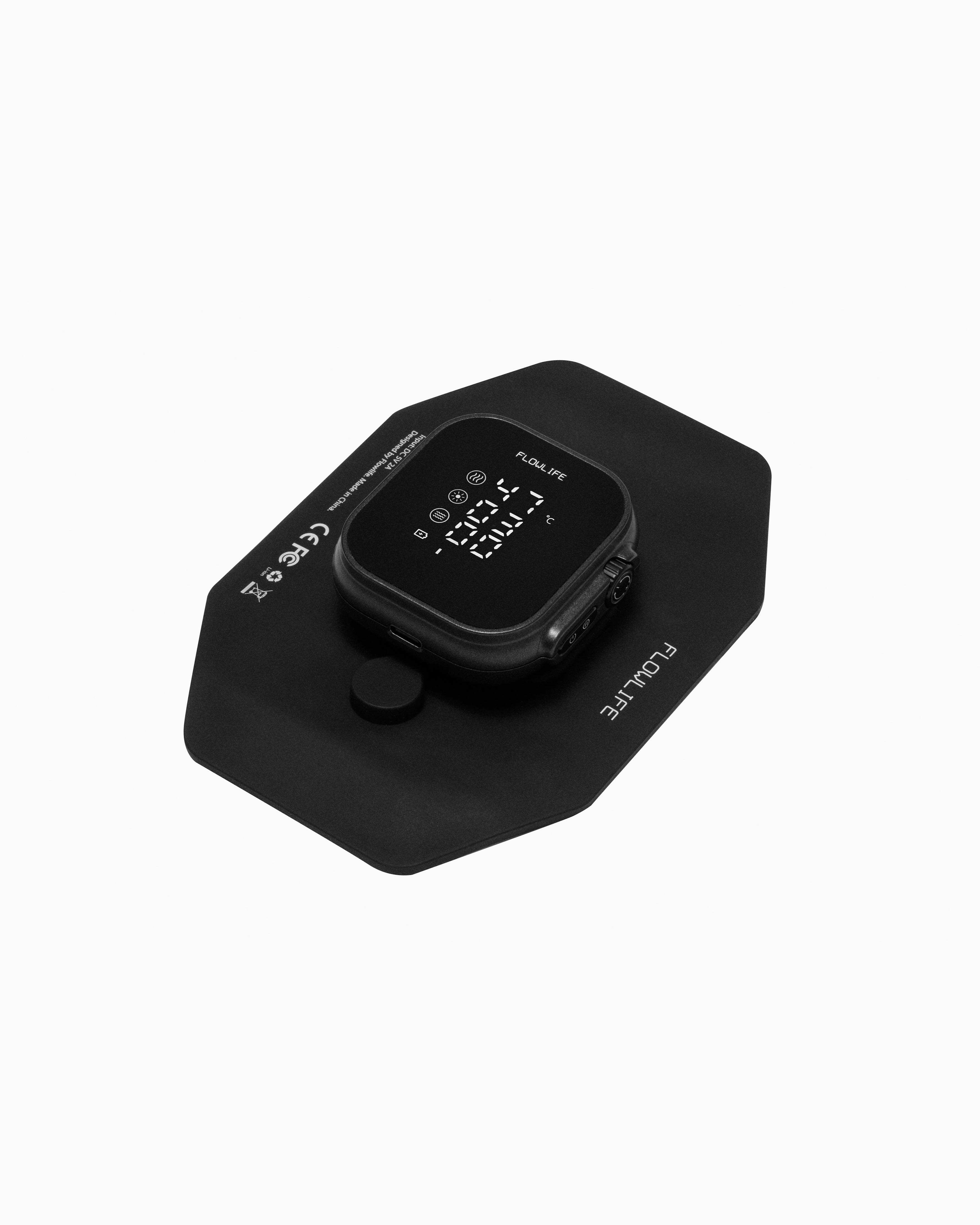
Flowcontrast Spot Go
VarmebælterNyhed
1 199 DKK

Pain & Common Problems
Elbow pain sounds minor until it happens to you. Tennis elbow, golfer's elbow, and elbow tendinitis make almost every pulling, gripping, and lifting movement painful, and they are notoriously slow to heal if not approached correctly. The conditions below cover the most common causes of elbow pain, what is happening in the tissue, and what actually speeds up recovery.
Flowroller Pro
1 399 DKK933 DKK

Flowplunge Go
999 DKK599 DKK
FAQ
What is tennis elbow, and do I need to play tennis to get it?
What is golfer's elbow, and how is it different from tennis elbow?
What causes general elbow pain after training?
Tennis elbow, medically known as lateral epicondylitis, is inflammation and degeneration of the tendons attaching the forearm extensor muscles to the outer side of the elbow. Despite the name, it affects far more people who have never played tennis than those who have, and is common in anyone who performs repetitive gripping, lifting, or wrist extension movements.
The pain is felt on the outer side of the elbow and can radiate down the forearm. It is typically sharp when gripping, lifting with the palm facing down, opening jars, or using a computer mouse. In chronic cases, the tendon tissue becomes disorganized and thickened, a state called tendinopathy, which heals very slowly without targeted intervention.
Repetitive gripping and wrist extension, typing, racket sports, painting, heavy lifting with the palm facing down, and sudden increases in forearm activity all aggravate the condition.
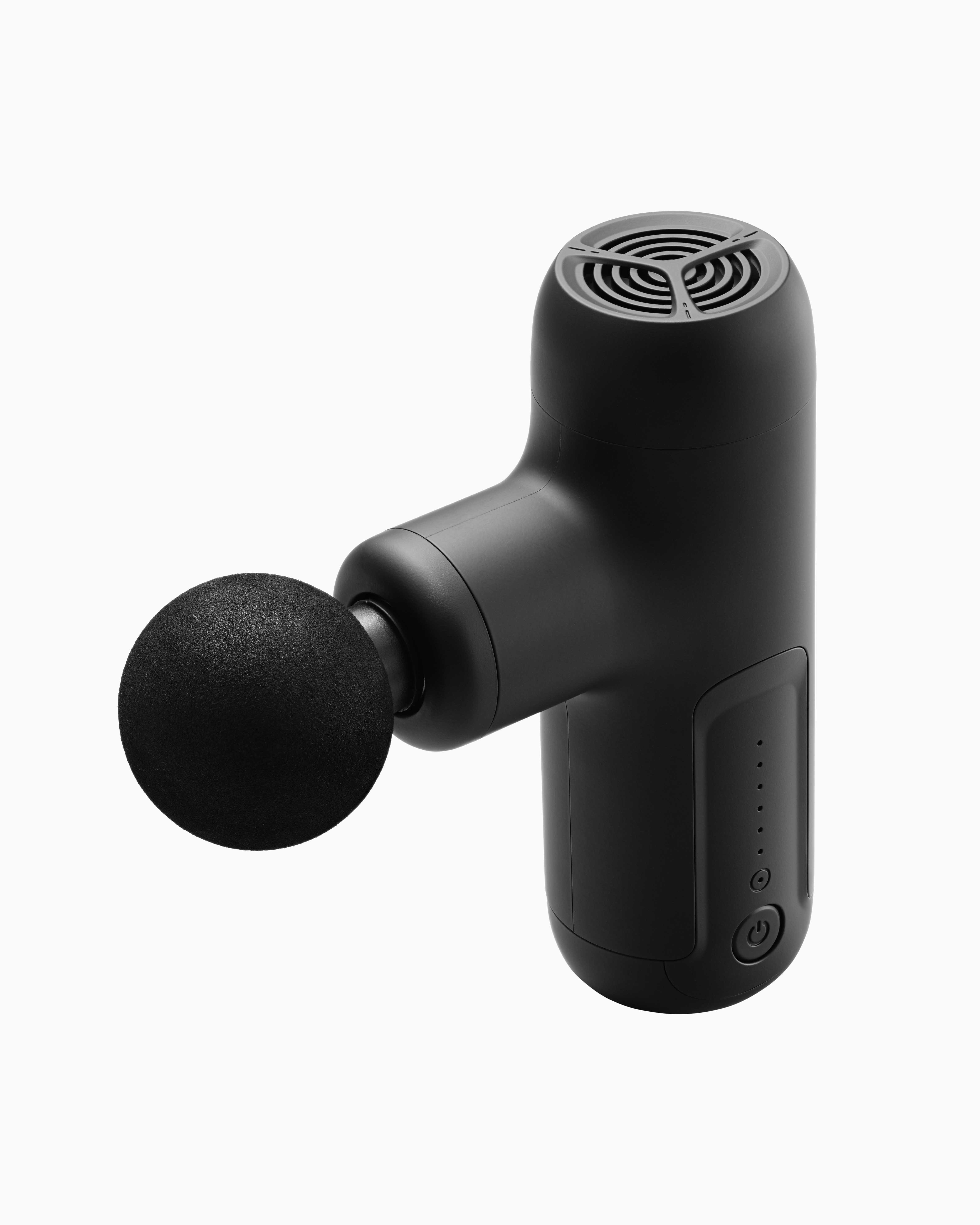
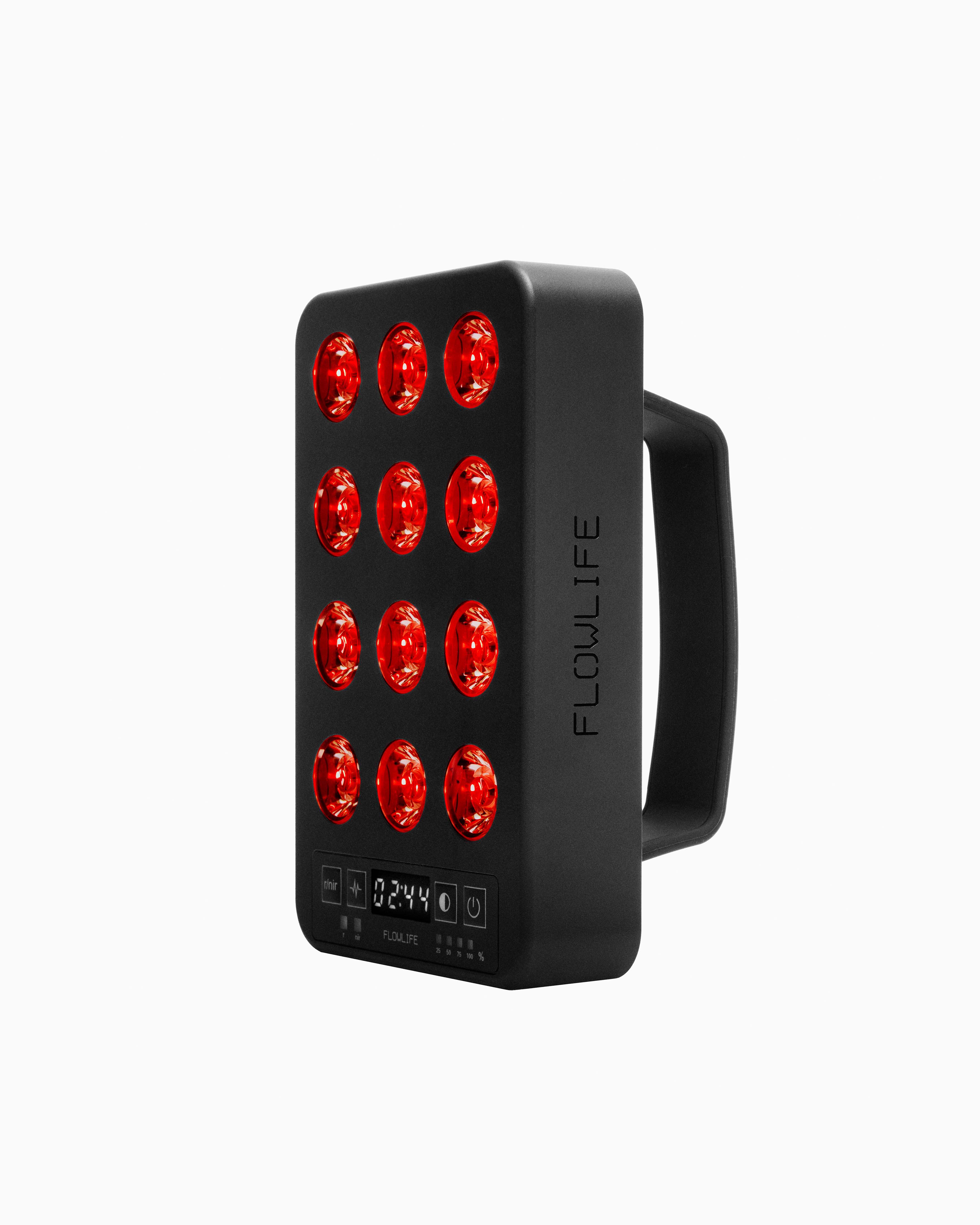
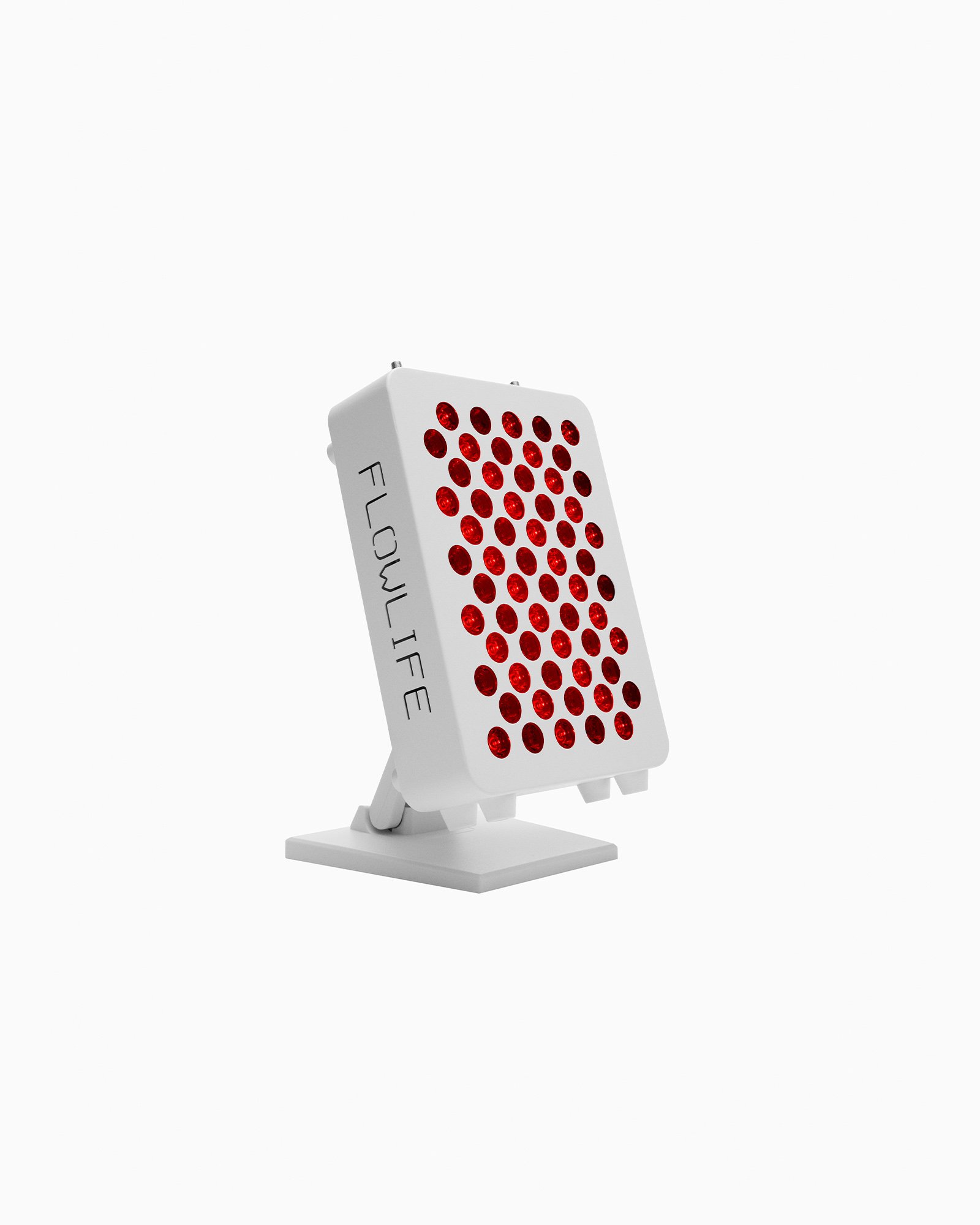
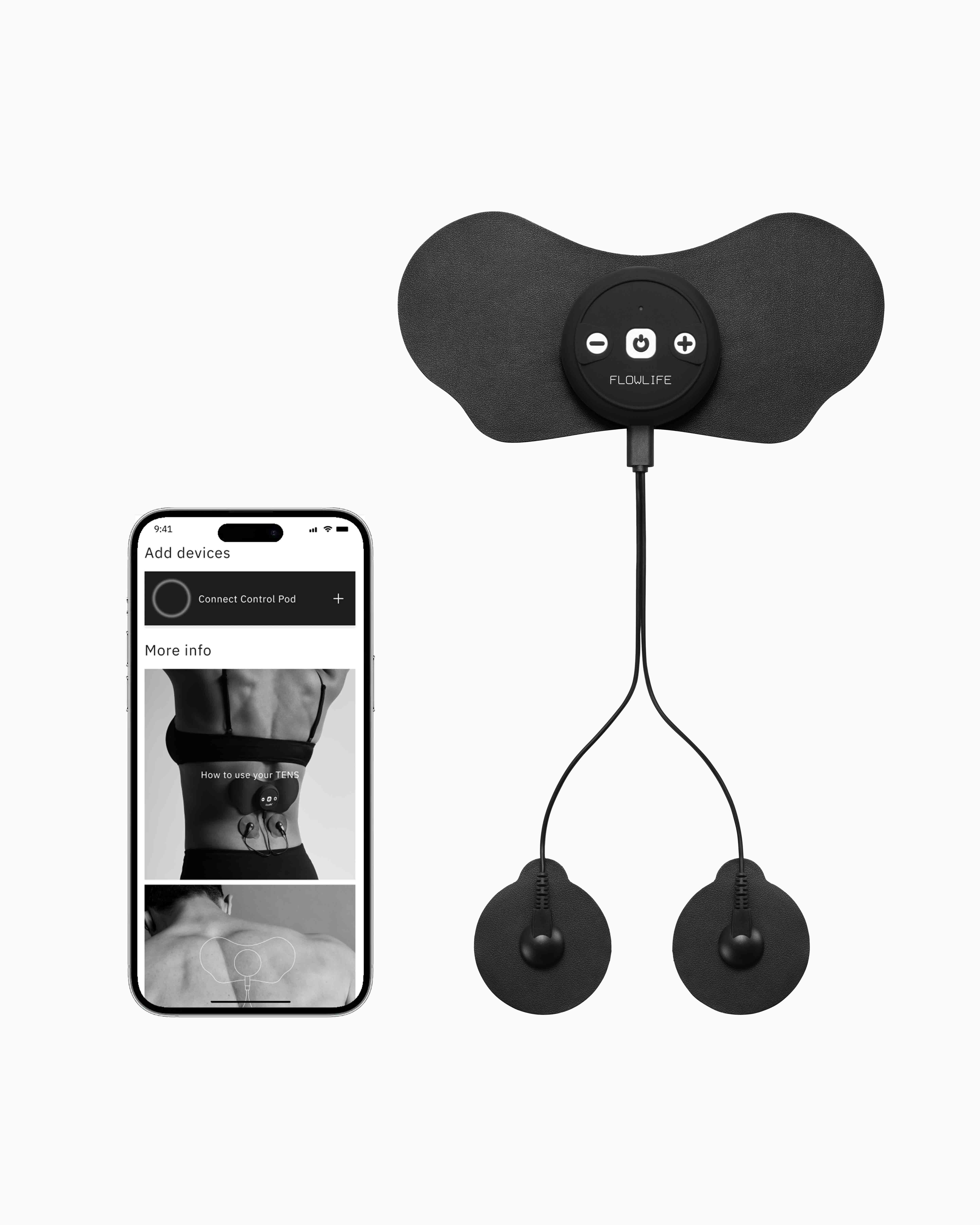
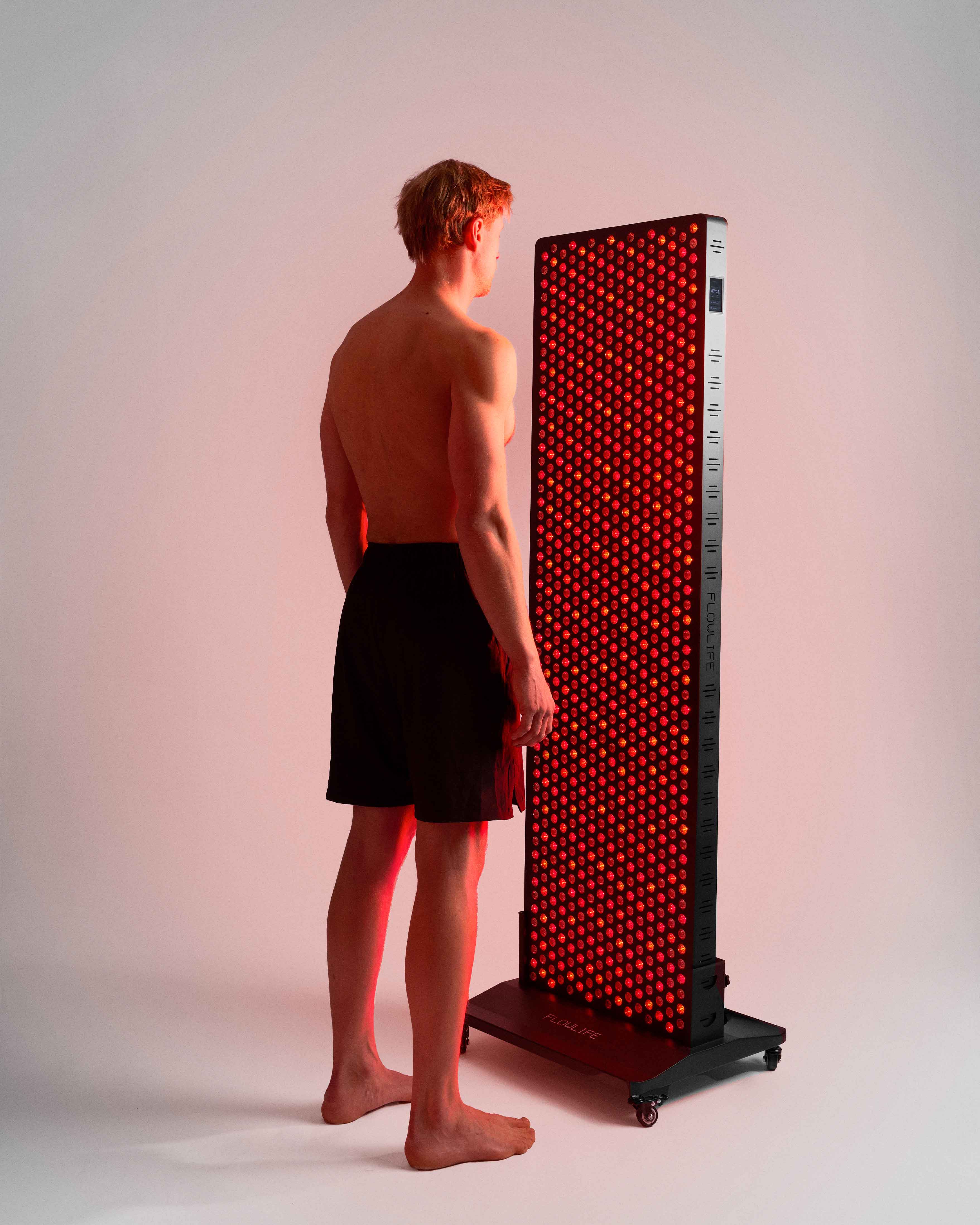
Red light therapy is the primary tool for tennis elbow, delivering near-infrared light into the chronically irritated tendon to stimulate cellular repair. Cold therapy manages acute pain and inflammation after provocative activity. TENS therapy provides effective pain relief during flare-ups. A massage gun targeting the forearm extensors releases the muscle tension that loads the tendon at its attachment point.
Red light therapy applied directly over the lateral epicondyle for 10 to 15 minutes, 4 to 5 times per week, produces measurable improvements over 6 to 12 weeks. Cold therapy after provocative activity for 10 minutes manages acute pain. Most cases respond well to conservative treatment but require consistent management over several months.

Golfer's elbow, medically known as medial epicondylitis, is inflammation and degeneration of the tendons attaching the forearm flexor muscles to the inner side of the elbow. It is the mirror image of tennis elbow, affecting the inside rather than the outside of the elbow.
The pain is felt on the inner side of the elbow and can radiate down the inner forearm. It is typically worse when gripping, flexing the wrist, or with movements that load the forearm flexors. Numbness or tingling in the ring and little fingers can occur if the nearby ulnar nerve is irritated.
Throwing, golf, heavy pulling movements, wrist flexion under load, and repetitive gripping all aggravate medial epicondylitis. Like tennis elbow, it becomes chronic when training is continued through pain without adequate recovery.
Red light therapy applied to the medial epicondyle stimulates tendon repair in the affected tissue. Cold therapy manages acute inflammation and pain. TENS therapy is particularly useful if there is associated ulnar nerve irritation. A massage gun targeting the forearm flexors and biceps releases tension at the tendon attachment.
Red light therapy for 10 to 15 minutes directly over the medial epicondyle, 4 to 5 times per week, is the foundation of recovery. Cold therapy for 10 minutes after provocative activity. Load management, reducing but not eliminating forearm activity, is essential alongside recovery tools.
General elbow pain after training is commonly due to the elbow joint itself, the surrounding tendons, or the olecranon bursa at the back of the elbow. It is most common among people who perform heavy pulling and pushing movements such as rows, pull-ups, and pressing exercises.
High-volume training repeatedly loads the tendons around the elbow. When recovery does not keep pace, micro-damage accumulates and leads to localized inflammation. The olecranon bursa can become inflamed from repeated pressure or impact, producing a visible swelling and tenderness at the tip of the elbow.
Too much pulling volume too quickly, poor technique that allows the elbow to flare excessively, and training through early warning signs of pain all increase the risk.
Cold therapy applied to the elbow immediately after training reduces acute inflammation most effectively. Red light therapy used between sessions supports tissue repair and reduces the chronic inflammation that builds with high-volume training. A massage gun targeting the forearm, biceps, and triceps releases the mechanical tension that loads the elbow joint.
Apply cold therapy to the elbow for 10 minutes after training. Use red light therapy on rest days. Temporarily reduce training volume and allow inflammation to settle before resuming full load.

FAQ