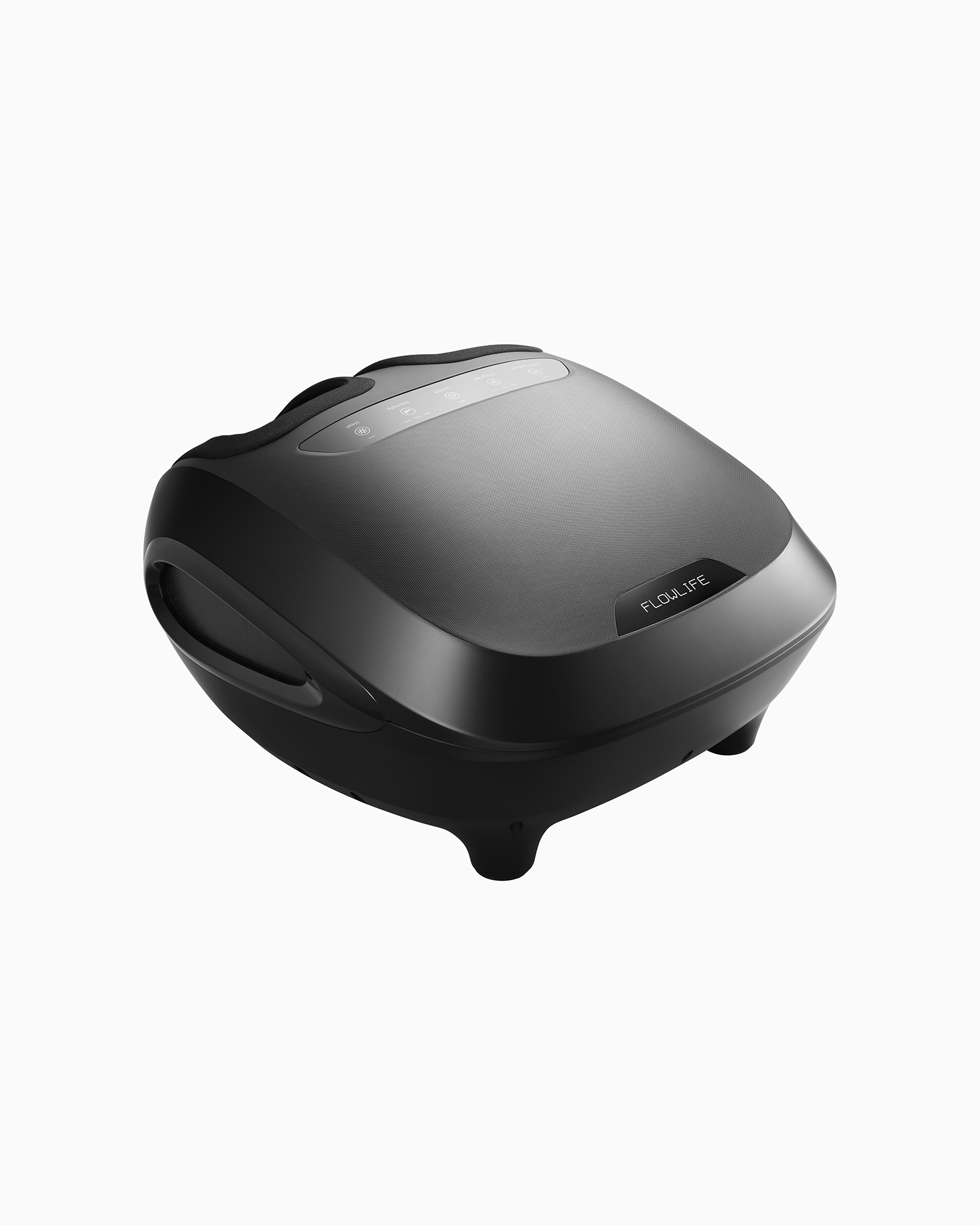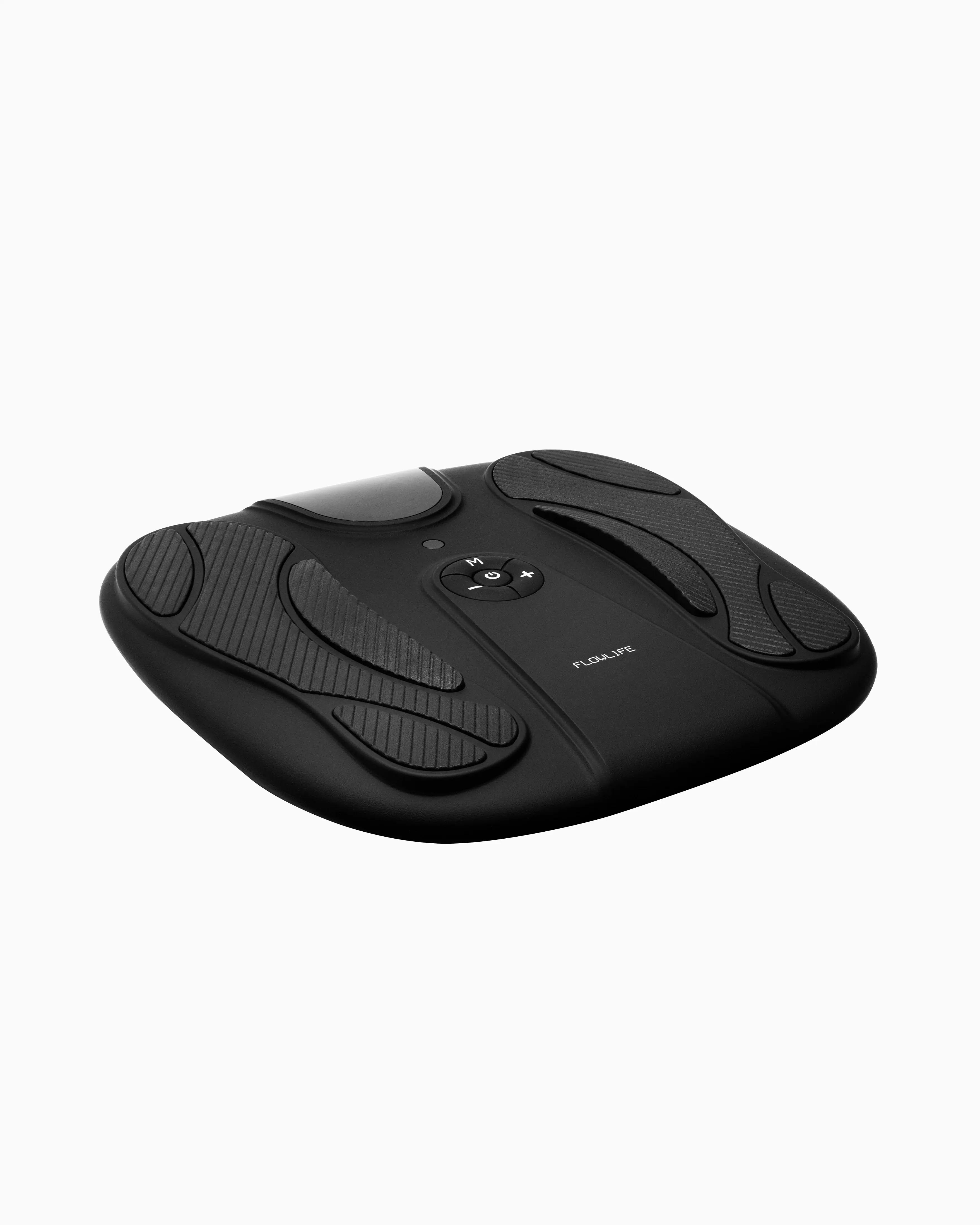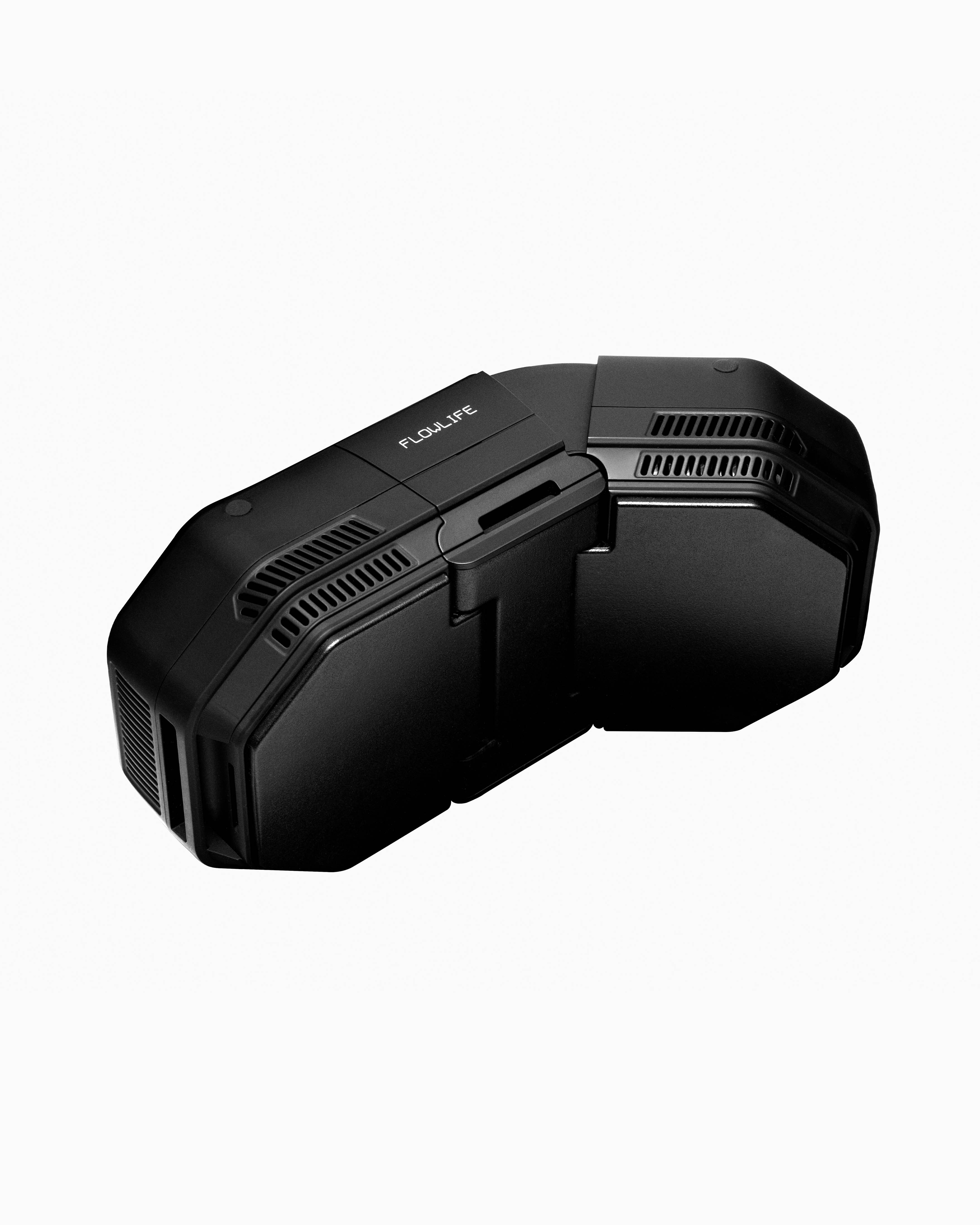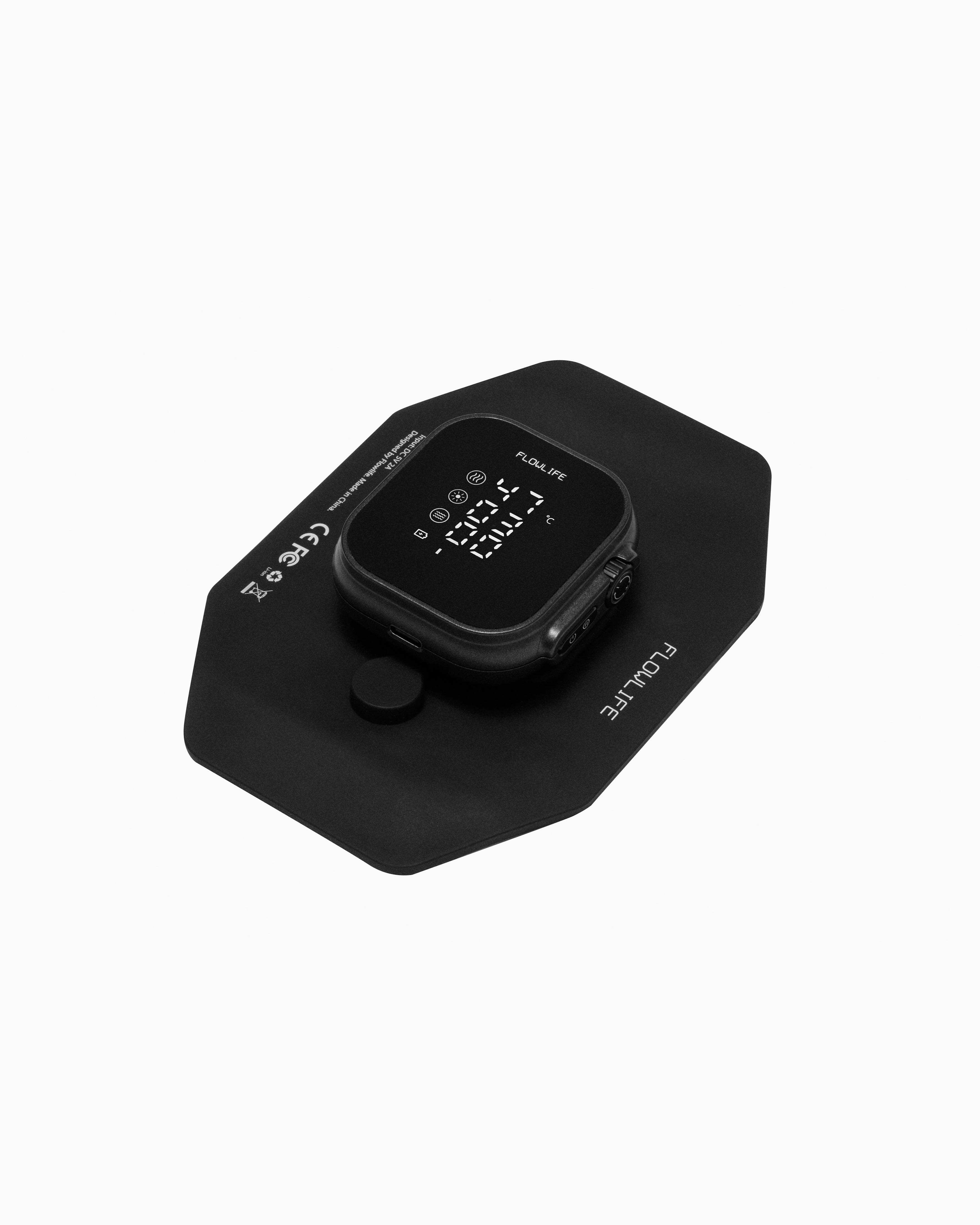
Flowfeet Heat
FodmassørerMest solgt
1 299 DKK

Pain & Common Problems
Foot pain is one of the most common reasons people reduce or abandon activity. The foot absorbs the entire force of every step, and problems here affect movement throughout the whole body. Whether the pain is in the heel, arch, or forefoot, the cause is almost always identifiable and treatable. The conditions below cover the most frequent causes of foot pain, what is happening in the tissue, and what actually helps.

Flowplunge Go
999 DKK599 DKK
FAQ
What is plantar fasciitis, and do I have it?
What are heel spurs, and are they the same as plantar fasciitis?
What is Achilles tendinitis, and why is it so slow to heal?
What causes pain under the ball of the foot?
Why does the arch of the foot hurt?
Can recovery tools help with general foot fatigue after a long day?
Plantar fasciitis is inflammation of the plantar fascia, a thick band of connective tissue running along the underside of the foot from the heel to the toes. It is the most common cause of heel pain and affects runners, desk workers, and anyone who spends long periods standing on hard surfaces.
The plantar fascia absorbs load with every step. When repeatedly overloaded, small tears develop at the attachment point on the heel bone, triggering inflammation and pain. The pain is characteristically worst with the first steps in the morning or after sitting, when the fascia has tightened overnight. It often eases after a few minutes of walking as the tissue warms, but returns after prolonged activity.
Sudden increases in running volume, hard surfaces, tight calf muscles that increase tension through the fascia, worn-out footwear, and being on the feet for long periods without adequate support all aggravate plantar fasciitis.
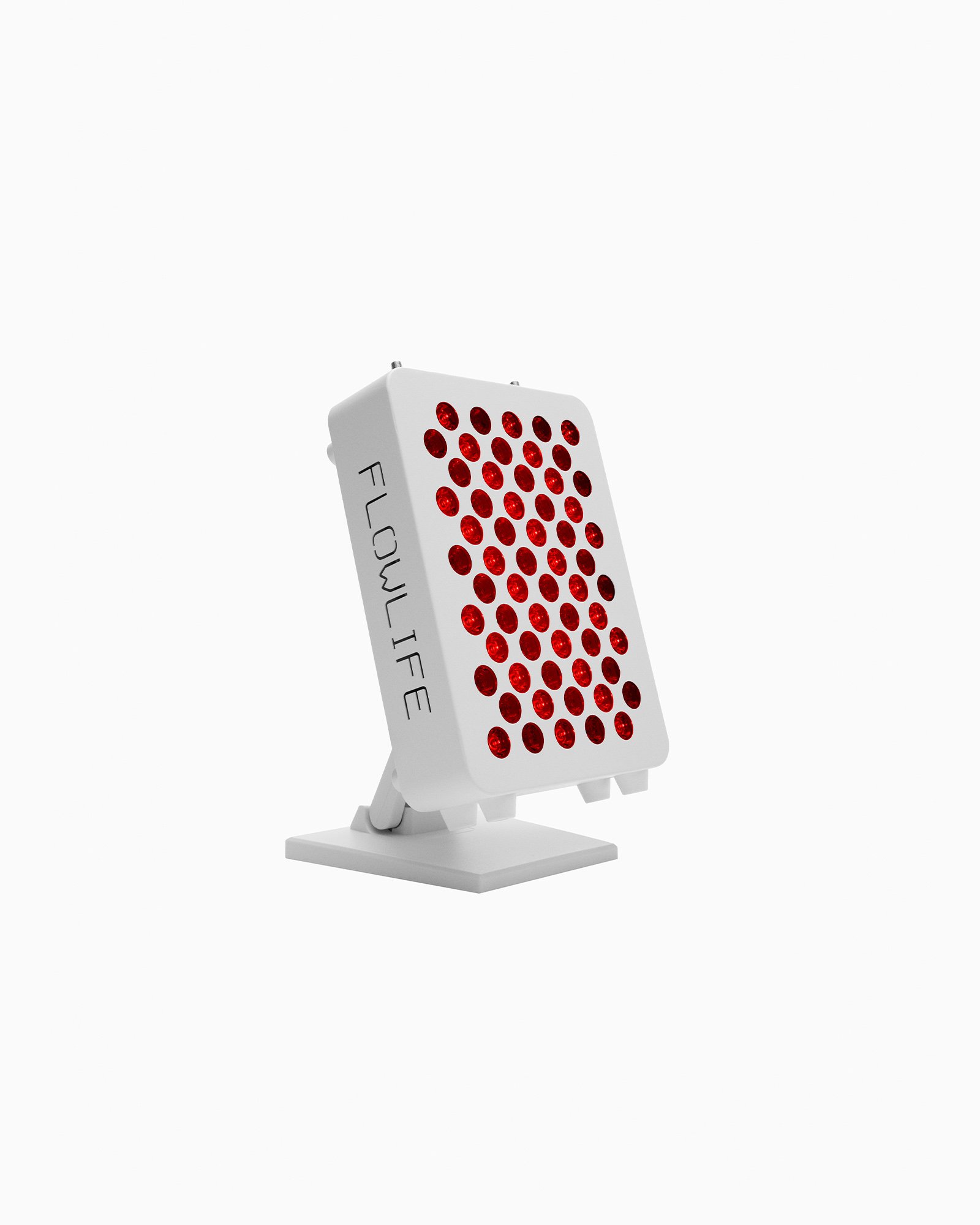
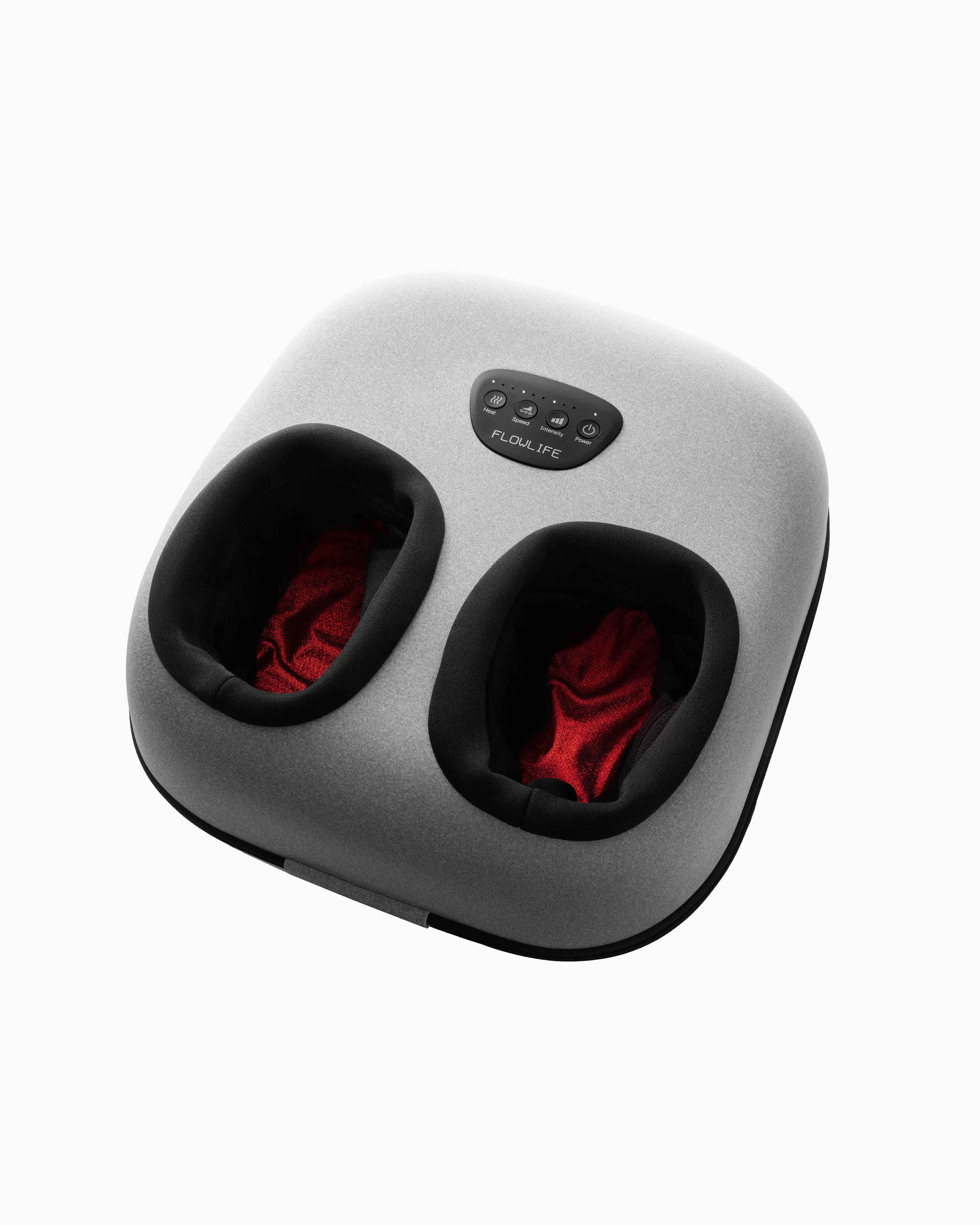
Cold therapy applied to the heel and arch reduces acute inflammation and is the most accessible immediate tool. Red light therapy supports tissue repair in the fascia and reduces the chronic inflammation driving the condition. A foot massager targeting the plantar surface releases the tension in the fascia and surrounding muscles. Compression therapy improves circulation in the foot.
Apply cold therapy to the heel for 15 minutes after activity. Use a foot massager on the plantar surface for 2 to 3 minutes morning and evening. Red light therapy over the heel and arch for 10 to 15 minutes daily supports repair over 4 to 8 weeks.

A heel spur is a bony growth on the underside of the heel bone, often developing at the same site as plantar fasciitis. Many people with heel spurs have no pain at all. The spur itself is rarely the direct cause of pain; the inflammation in the surrounding soft tissue is.
When present alongside active plantar fasciitis, a heel spur can contribute to localized tenderness at the attachment point. The pain pattern is identical to plantar fasciitis: worst on first steps in the morning, improving with movement, and returning with prolonged activity.
Hard surfaces, inadequate footwear, high training loads, and tight calves all worsen heel spur pain.
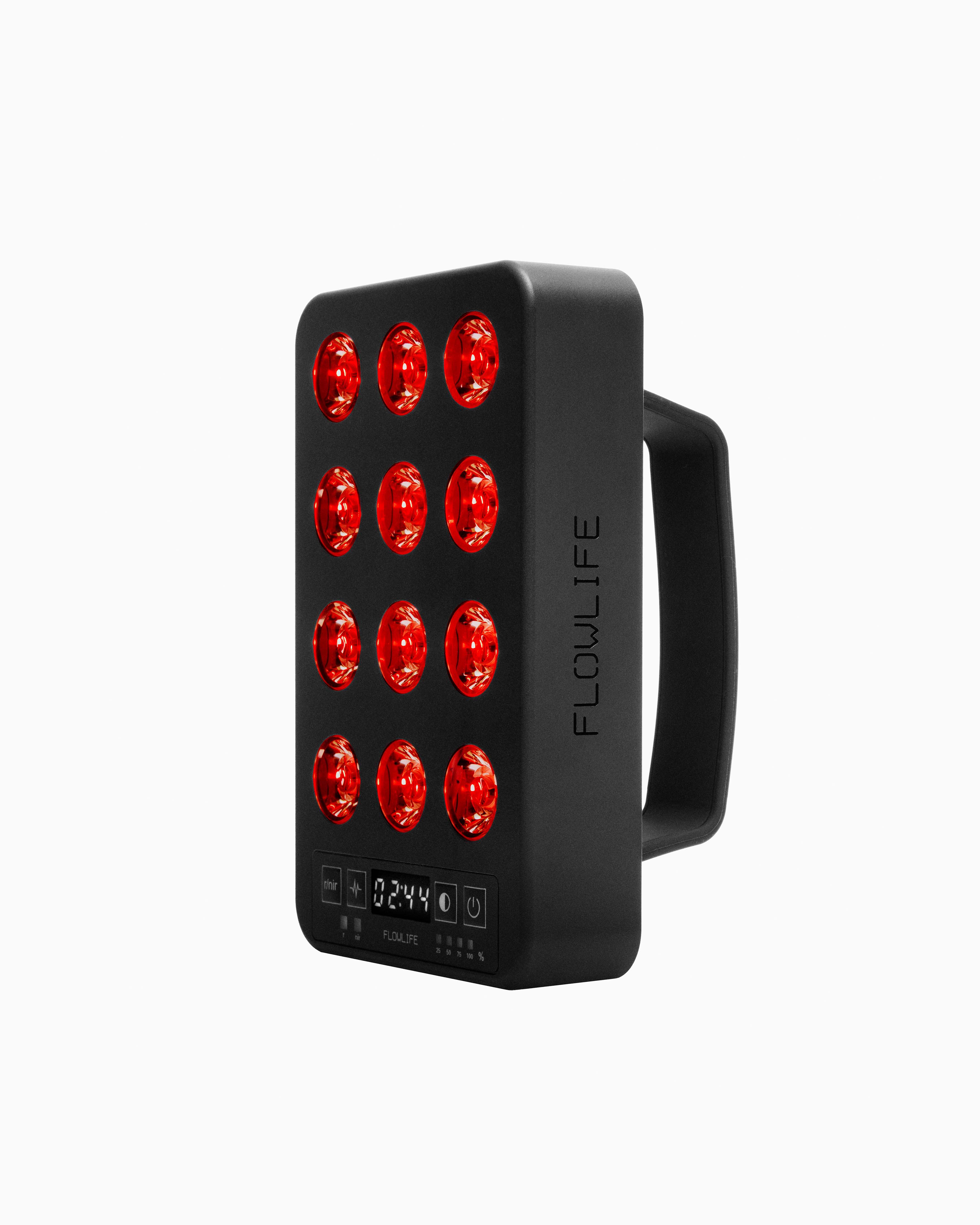
Red light therapy is the primary tool, reducing chronic inflammation in the tissue surrounding the spur. Cold therapy manages acute pain. A foot massager maintains tissue quality in the plantar surface. Managing the inflammation and tissue quality around the spur resolves pain in most cases.
Red light therapy over the heel for 10 to 15 minutes daily is the foundation of recovery. Cold therapy for 15 minutes after activity manages acute symptoms. Most cases resolve over 6 to 12 weeks.

Achilles tendinitis is inflammation and degeneration of the Achilles tendon, the thick cord connecting the calf muscles to the heel bone. It is notoriously slow to heal because tendons have a limited blood supply.
The Achilles tendon is under load with every step. When training loads increase faster than the tendon can adapt, small tears accumulate and inflammation develops. The pain is typically felt at the back of the heel or just above it, worst in the morning and at the start of activity.
Sudden increases in running volume, training on hills, tight calf muscles, inadequate warm-up, and returning to full training before the tendon has fully recovered are the main contributors.
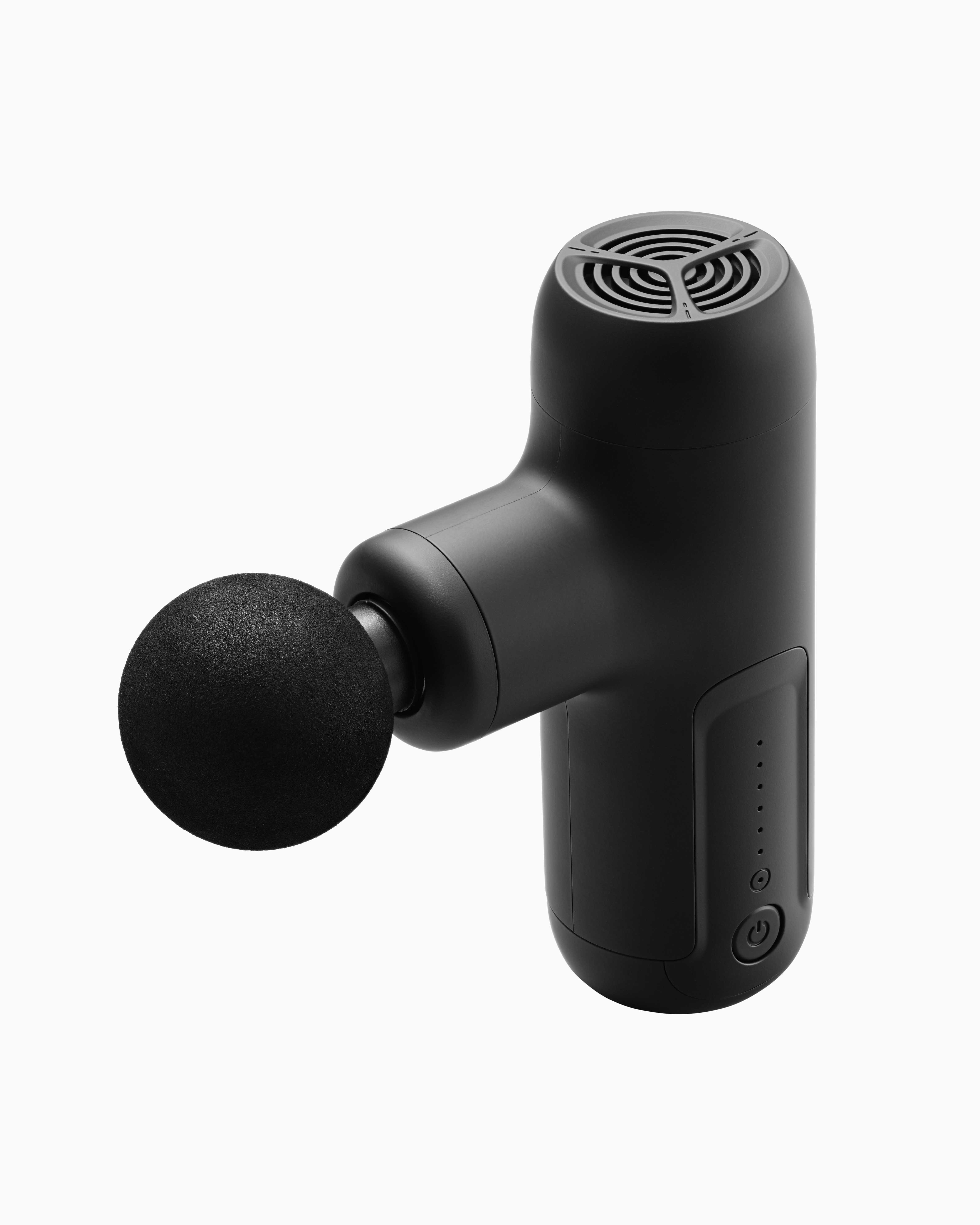
Red light therapy is the most targeted tool, stimulating cellular repair in tendon tissue that cannot heal adequately through blood supply alone. Cold therapy manages acute pain after running. A massage gun targeting the calf muscles reduces the tension that loads the Achilles tendon. Compression therapy supports circulation around the tendon during recovery.
Red light therapy applied directly over the Achilles tendon for 10 to 15 minutes, 4 to 5 times per week, produces measurable improvements over 6 to 12 weeks. Cold therapy for 10 minutes after running. Load management is essential: reduce but do not eliminate tendon loading during recovery.

Pain under the ball of the foot, called metatarsalgia, is inflammation and irritation of the metatarsal heads at the base of the toes. It is common in runners, people who wear high heels, and those who stand for long periods on hard floors.
The ball of the foot absorbs significant impact force. When this load is concentrated by footwear, biomechanics, or training volume, the tissue underneath the metatarsal heads becomes inflamed, producing a burning or aching pain that is worst during activity and when pressing on the area.
High heels that shift weight forward onto the metatarsals, running without adequate forefoot cushioning, tight toe flexors, and high training volume all aggravate metatarsalgia.
A foot massager targeting the forefoot and toe flexors releases the tissue tension that concentrates load on the metatarsals. Red light therapy reduces inflammation at the metatarsal heads. Cold therapy manages acute pain after activity.
Use a foot massager on the forefoot and ball of the foot for 5 to 10 minutes after activity. Red light therapy over the forefoot for 10 minutes daily supports recovery. Footwear with adequate forefoot cushioning and width is important alongside recovery tools.

Arch pain involves the muscles, tendons, and connective tissue supporting the medial longitudinal arch. It is common in people with flat feet, high arches, and runners who have increased their training load.
The arch functions as a spring, storing and releasing energy during walking and running. When the supporting structures are overloaded, they become inflamed and painful. The pain is typically felt along the inner arch and is worse after inactivity and during prolonged standing or running.
Inadequate arch support in footwear, prolonged standing on hard surfaces, weak intrinsic foot muscles, and high running volume without adequate recovery all contribute.
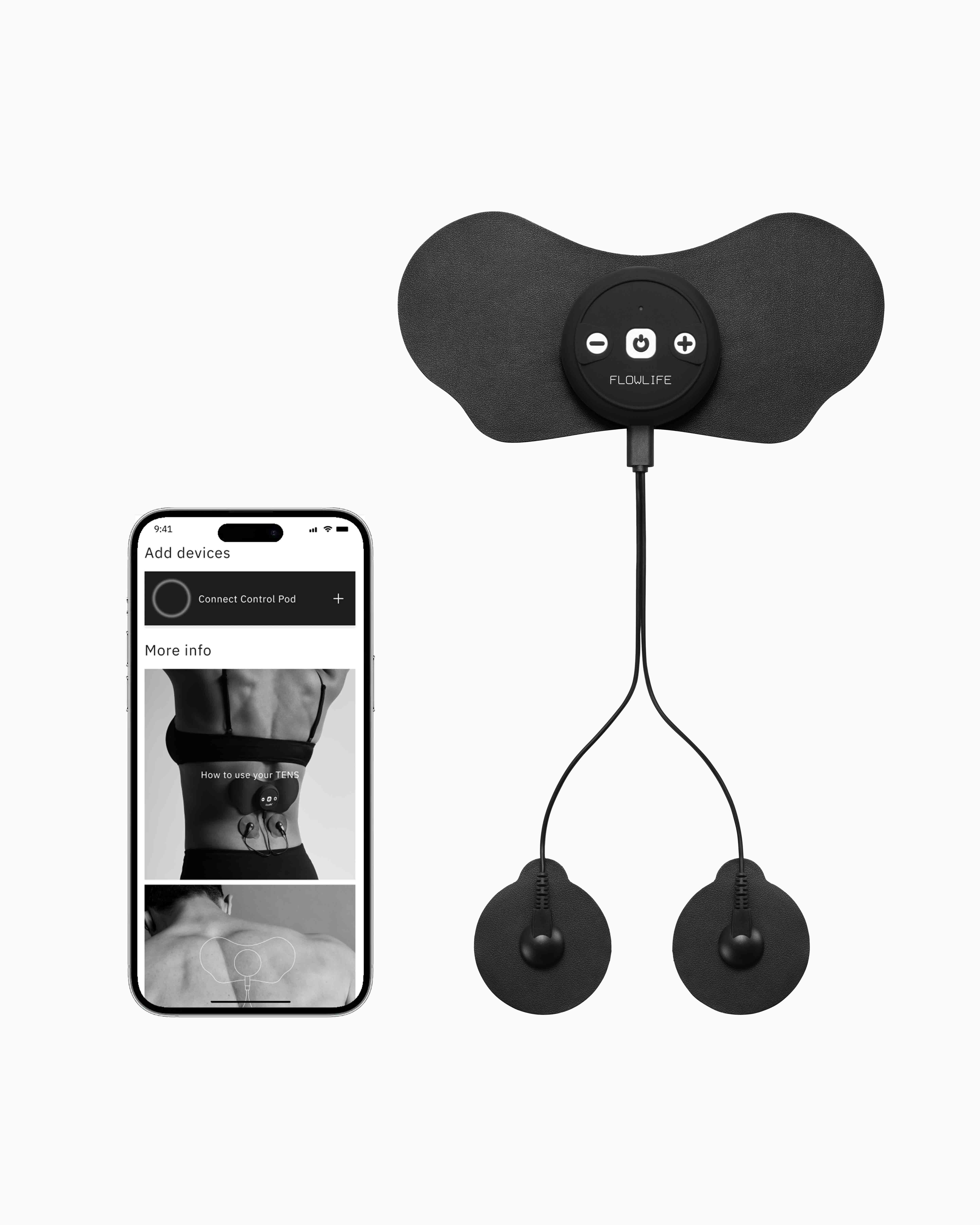
A foot massager targeting the arch and plantar surface directly addresses the tissue tension. Red light therapy reduces inflammation in the supporting structures. Cold therapy provides relief after loading. TENS therapy manages persistent pain effectively.
Use a foot massager on the arch for 5 minutes morning and evening. Red light therapy over the arch for 10 minutes daily. Footwear with appropriate arch support is the most important structural intervention alongside recovery tools.

General foot fatigue is the diffuse aching, heaviness, and soreness that develops after prolonged standing, walking, or running. It is not an injury but a sign that the tissues of the foot have accumulated more stress than they have been able to clear.
Extended loading reduces circulation, allows metabolic waste to accumulate, and fatigues the intrinsic foot muscles. The result is a dull, widespread aching and heaviness that affects sleep quality if not addressed.
Hard floors, unsupportive footwear, high step counts without recovery time, and dehydration all worsen foot fatigue.
A foot massager is the most effective and direct tool for foot fatigue, improving circulation, reducing metabolic waste, and releasing muscle tension throughout the plantar surface. Compression therapy accelerates venous return and lymphatic clearance. Cold therapy reduces the residual inflammation that builds with high activity days.
Use a foot massager for 10 to 15 minutes after a demanding day. Compression boots for 20 to 30 minutes significantly reduces post-activity foot and leg fatigue. Consistent daily treatment prevents chronic accumulation of fatigue that leads to injury.

FAQ