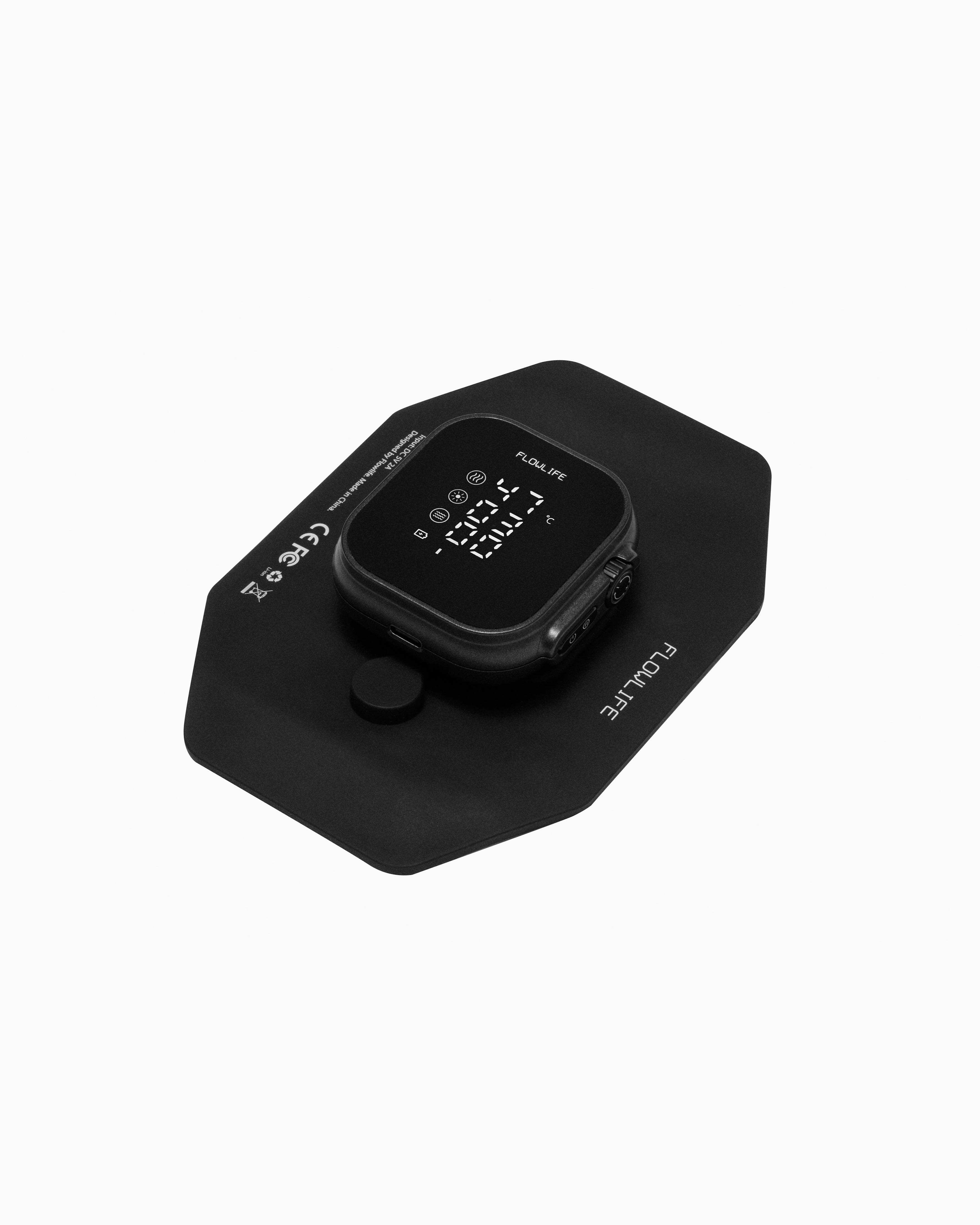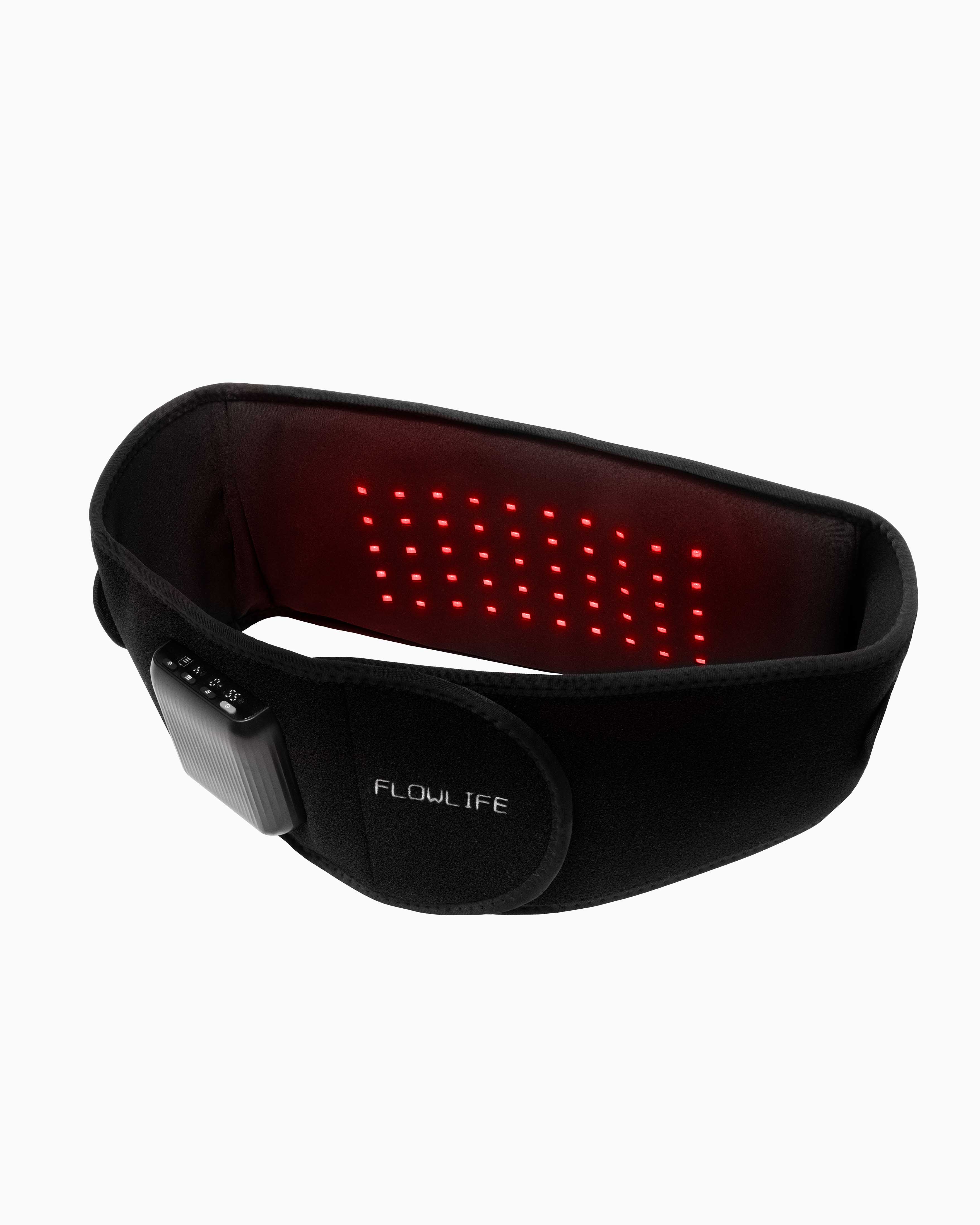
Flowcontrast Spot Go
VarmebælterNyhed
1 199 DKK

Pain & Common Problems
The shoulder is the most mobile joint in the body, which makes it inherently vulnerable. Rotator cuff injuries, impingement, and frozen shoulder are among the most common reasons active people are sidelined, and they often share similar symptoms that are easy to confuse. The conditions below explain the most frequent causes of shoulder pain, what is happening in the tissue, and what actually helps recovery.
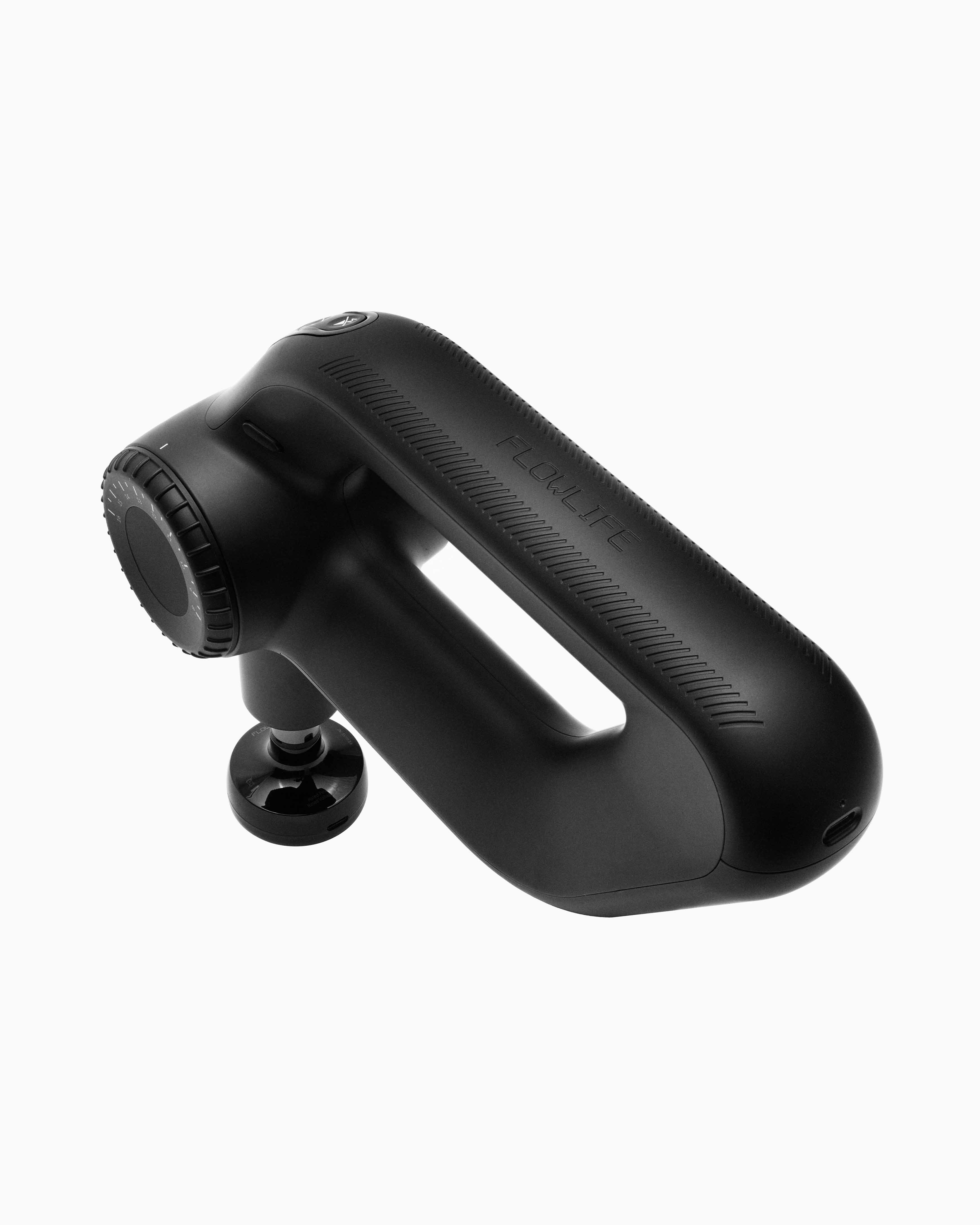
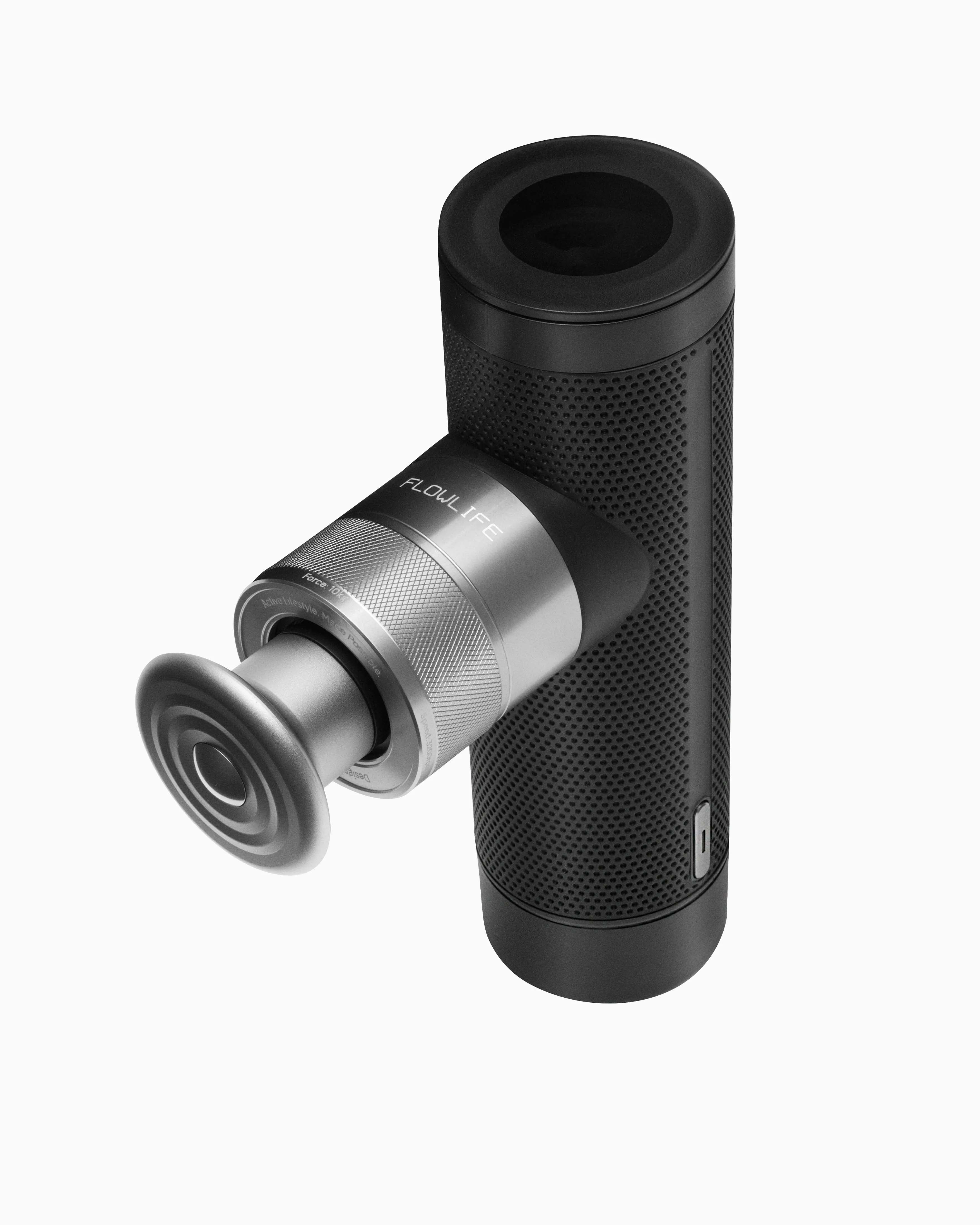
Flowgun Ultra
3 999 DKK2 679 DKK
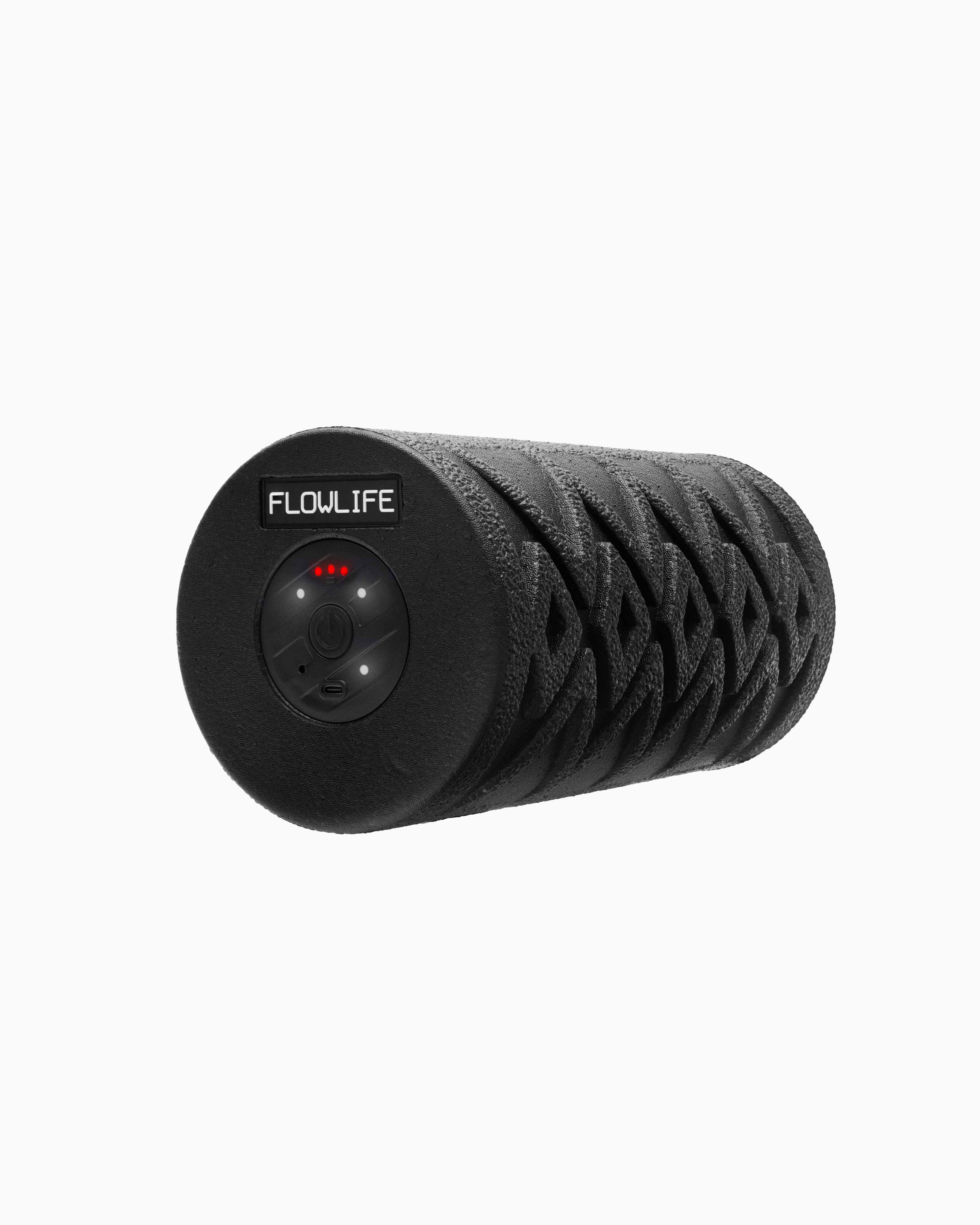
Flowroller Pro
1 399 DKK933 DKK

Flowplunge Go
999 DKK599 DKK
FAQ
What is rotator cuff tendinitis and how does it feel?
What is shoulder impingement?
What is frozen shoulder, and can it be treated?
What causes shoulder pain after strength training?
Rotator cuff tendinitis is inflammation of one or more of the four tendons that make up the rotator cuff, the group of muscles and tendons stabilizing the shoulder joint. The supraspinatus tendon is most commonly affected. It is the most frequent cause of shoulder pain in active adults.
The pain is typically felt on the outer side of the shoulder and upper arm, ranging from a dull ache at rest to a sharp pain when lifting the arm overhead or reaching behind the back. A painful arc between roughly 60 and 120 degrees of arm elevation is characteristic. The pain often worsens at night when lying on the affected shoulder.
Overhead activities, repetitive reaching, heavy pressing movements, and sleeping on the affected shoulder all aggravate the condition. Weak rotator cuff muscles and poor shoulder blade positioning repeatedly compress the tendons during movement.
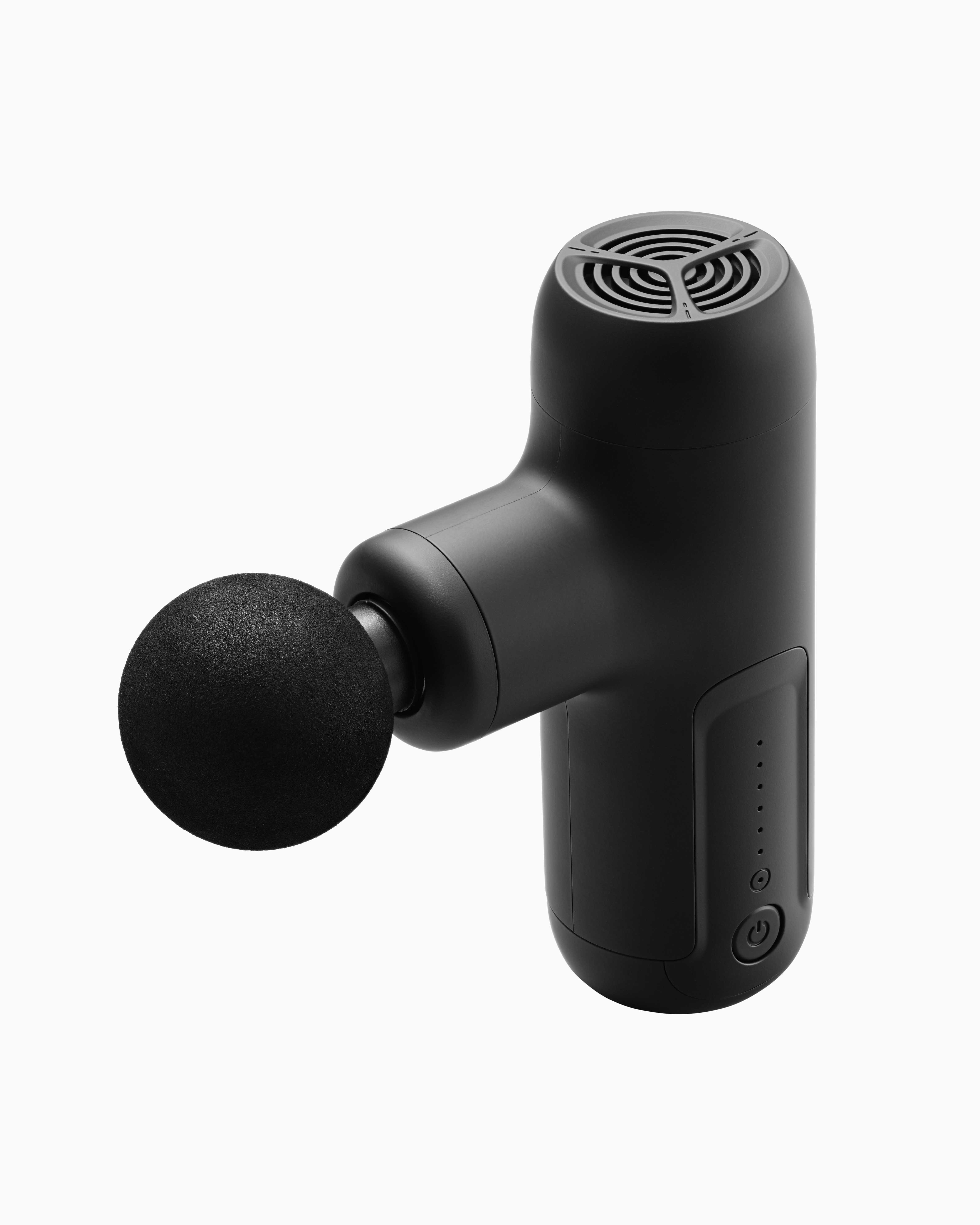
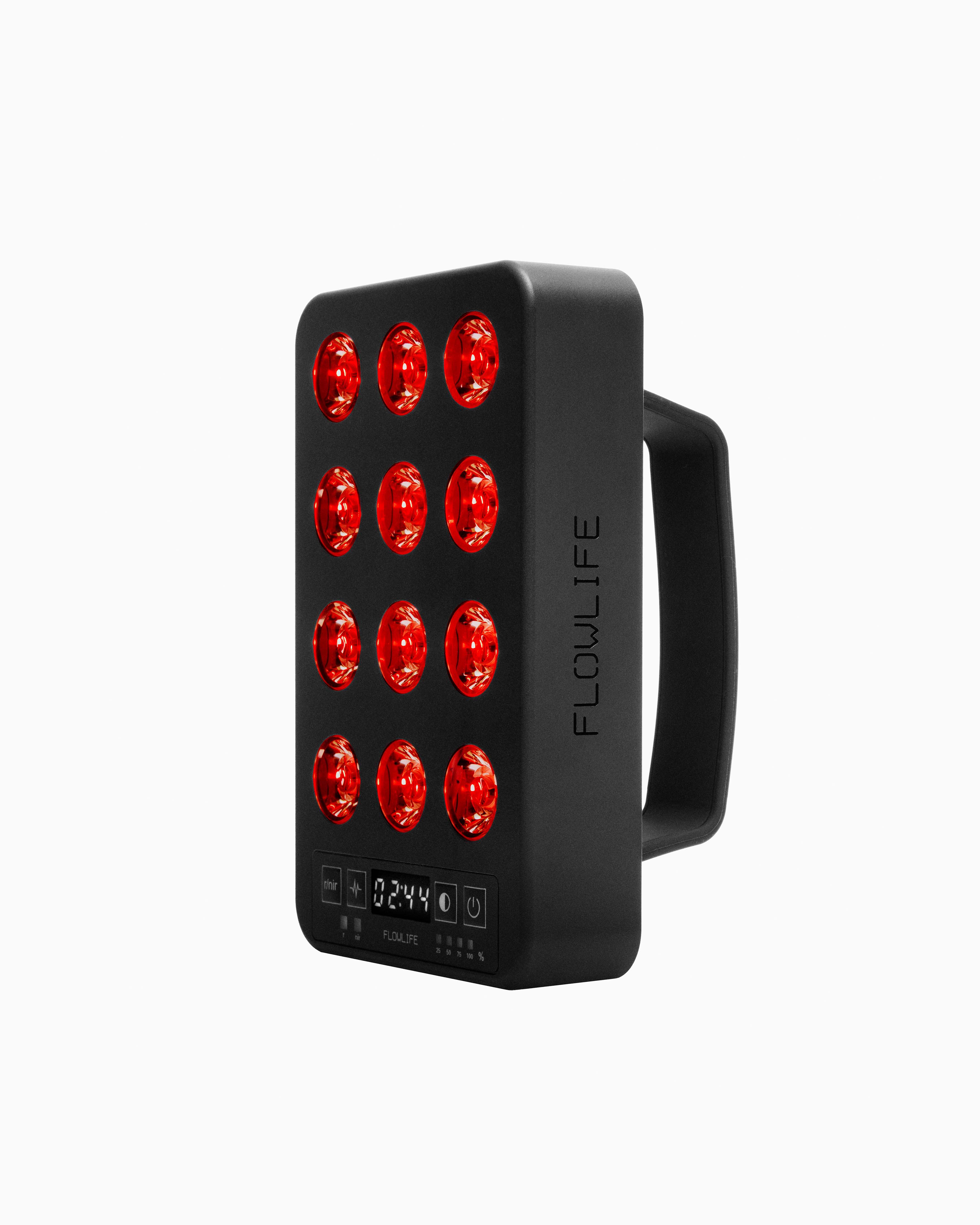
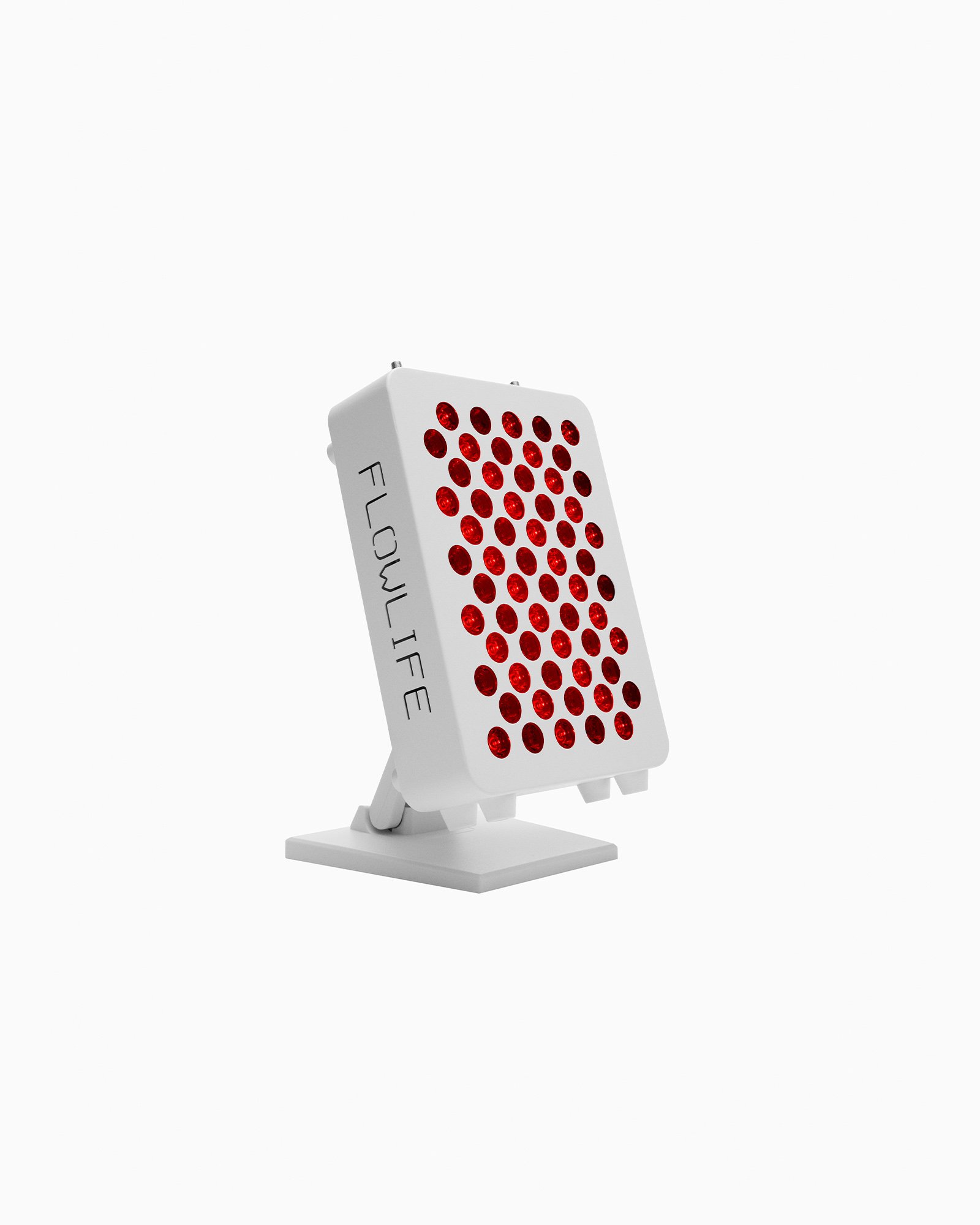
Red light therapy is the most targeted tool, delivering near-infrared light to the tendon to stimulate cellular repair in structures with limited blood supply. Cold therapy manages acute inflammation and pain after activity. TENS therapy provides effective pain relief during flare-ups and at night. A massage gun targeting the upper back, trapezius, and posterior shoulder releases tension patterns that contribute to impingement.
Red light therapy applied directly over the shoulder for 10 to 15 minutes, 4 to 5 times per week, produces measurable improvements over 6 to 12 weeks. Cold therapy after provocative activity manages acute pain. Address rotator cuff strength and shoulder blade control alongside recovery tools for lasting resolution.

Shoulder impingement syndrome occurs when the rotator cuff tendons and the bursa above them are repeatedly compressed between the head of the humerus and the roof of the shoulder during arm movement. It is closely related to rotator cuff tendinitis and often occurs alongside it.
Every time the arm is raised, the space between the humeral head and the acromion narrows. When this space is already reduced by inflammation, poor posture, or bone shape, the tendons and bursa inside are pinched repeatedly, producing pain and tissue damage. The pain is most noticeable when lifting the arm between shoulder and overhead height, and when lying on the affected shoulder.
Forward rounded posture reduces the subacromial space. Overhead pressing, swimming, and throwing sports repeatedly stress the impingement zone. Weak lower trapezius and serratus anterior muscles are a primary contributing factor.
Cold therapy reduces acute inflammation in the subacromial space after provocative activity. Red light therapy supports the healing of compressed tendons and bursa. A massage gun targeting the pectorals, upper trapezius, and posterior shoulder releases posture patterns that narrow the subacromial space. TENS therapy manages pain during flare-ups.
Cold therapy immediately after overhead activity reduces acute pain. Red light therapy consistently over 4 to 8 weeks supports tendon and bursa recovery. Strengthening the lower trapezius and serratus anterior addresses the root mechanical cause.

Frozen shoulder, medically known as adhesive capsulitis, involves progressive stiffening and thickening of the shoulder joint capsule, leading to significant pain and severe restriction of shoulder movement. It develops in three stages: freezing (painful), frozen (stiff), and thawing (gradual recovery).
The joint capsule becomes inflamed, progressively contracts and thickens, and forms adhesions that restrict movement. In the freezing stage, pain is often severe and constant, disrupting sleep. In the frozen stage, pain may reduce but movement is severely limited. The entire process typically lasts 1 to 3 years without treatment.
Immobilization of the shoulder, even for a short period following injury or surgery, significantly increases the risk. The condition is more common in people with diabetes and thyroid disorders.
Heat therapy is the most important tool for frozen shoulder, increasing the extensibility of the thickened joint capsule and reducing stiffness before movement or stretching. Red light therapy reduces inflammation and supports tissue remodeling throughout the condition. TENS therapy manages the significant pain of the freezing stage without medication. A massage gun targeting the surrounding musculature maintains tissue health during the extended recovery period.
Apply heat therapy for 15 to 20 minutes before any mobility work or physiotherapy. TENS for 20 to 30 minutes manages pain during the freezing stage. Red light therapy daily over the shoulder joint supports the long recovery process. Consistent physiotherapy alongside recovery tools is essential for restoring range of motion.

Post-training shoulder pain is common in people who perform heavy pressing, overhead, and pulling movements. It most commonly involves the rotator cuff tendons, the AC joint, the bicep tendon, or general muscle overload.
Heavy pressing movements repeatedly load the rotator cuff tendons and the AC joint. When volume or intensity increases faster than the tissue can adapt, micro-damage accumulates and produces inflammation. The pain is typically felt during or after pressing and overhead movements, in the front or outer shoulder.
Too much pressing volume too quickly, poor technique that allows the shoulder to roll forward under load, inadequate warm-up, and insufficient recovery between sessions all increase the risk.
Cold therapy applied to the shoulder immediately after training reduces acute inflammation and is the simplest and most effective post-session tool. Consistent red light therapy between sessions supports tissue repair, helping prevent cumulative damage from progressing to chronic injury. A massage gun targeting the posterior shoulder, upper back, and pectorals releases the tension that develops under heavy training loads.
Apply cold therapy to the shoulder for 10 to 15 minutes immediately after training. Use red light therapy on rest days for 10 to 15 minutes over the affected area. Reduce pressing volume temporarily and address any technique issues to allow recovery to progress.

FAQ