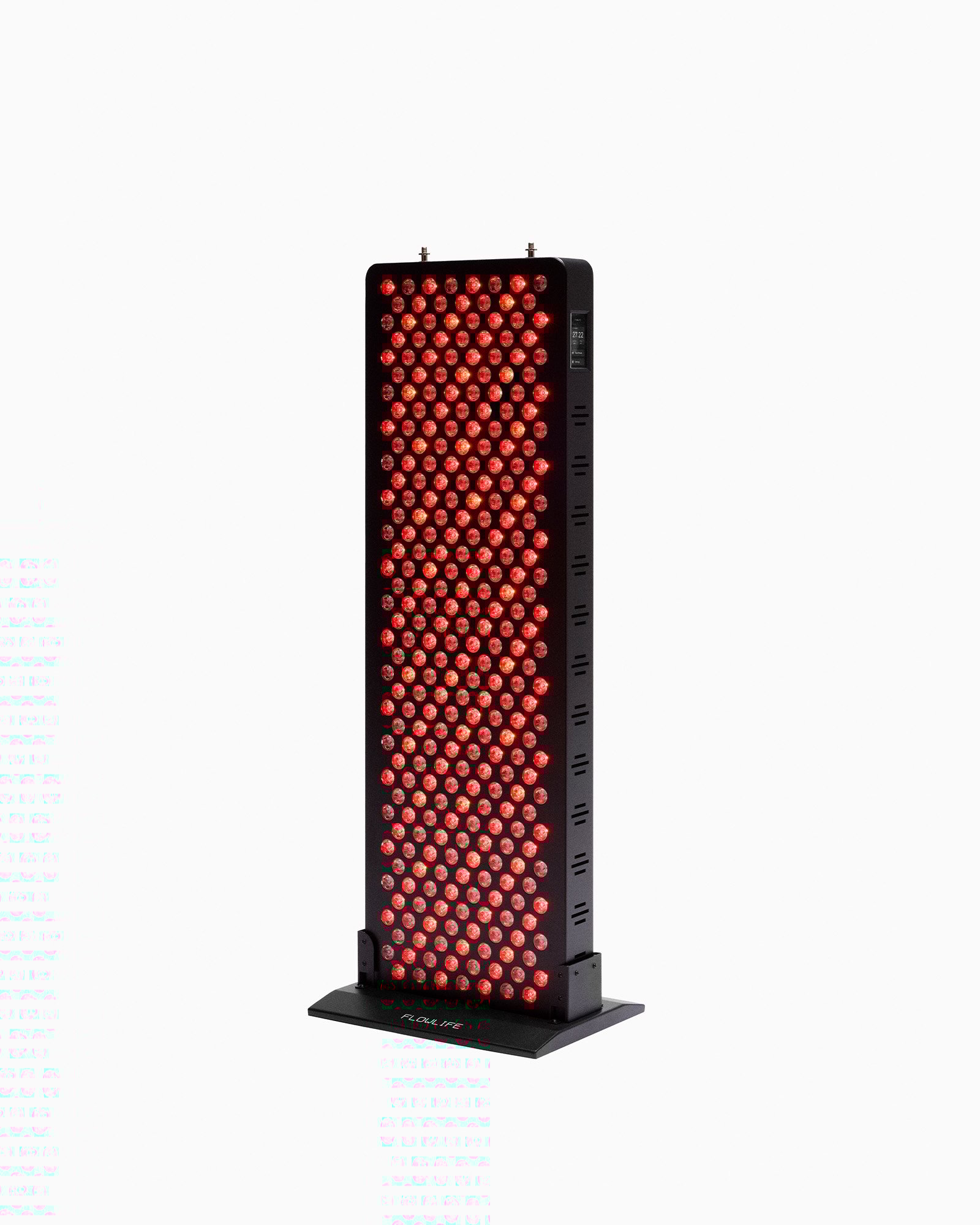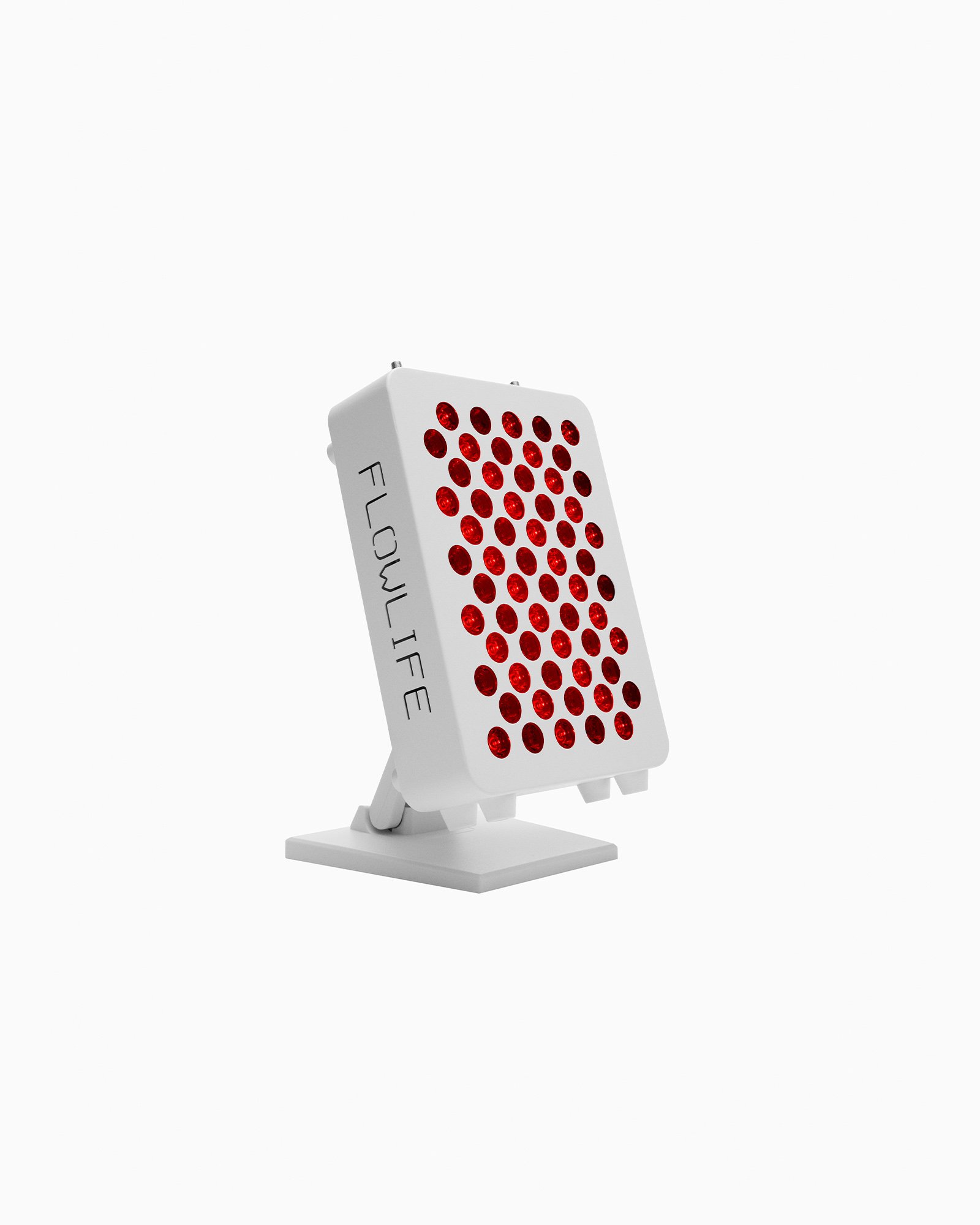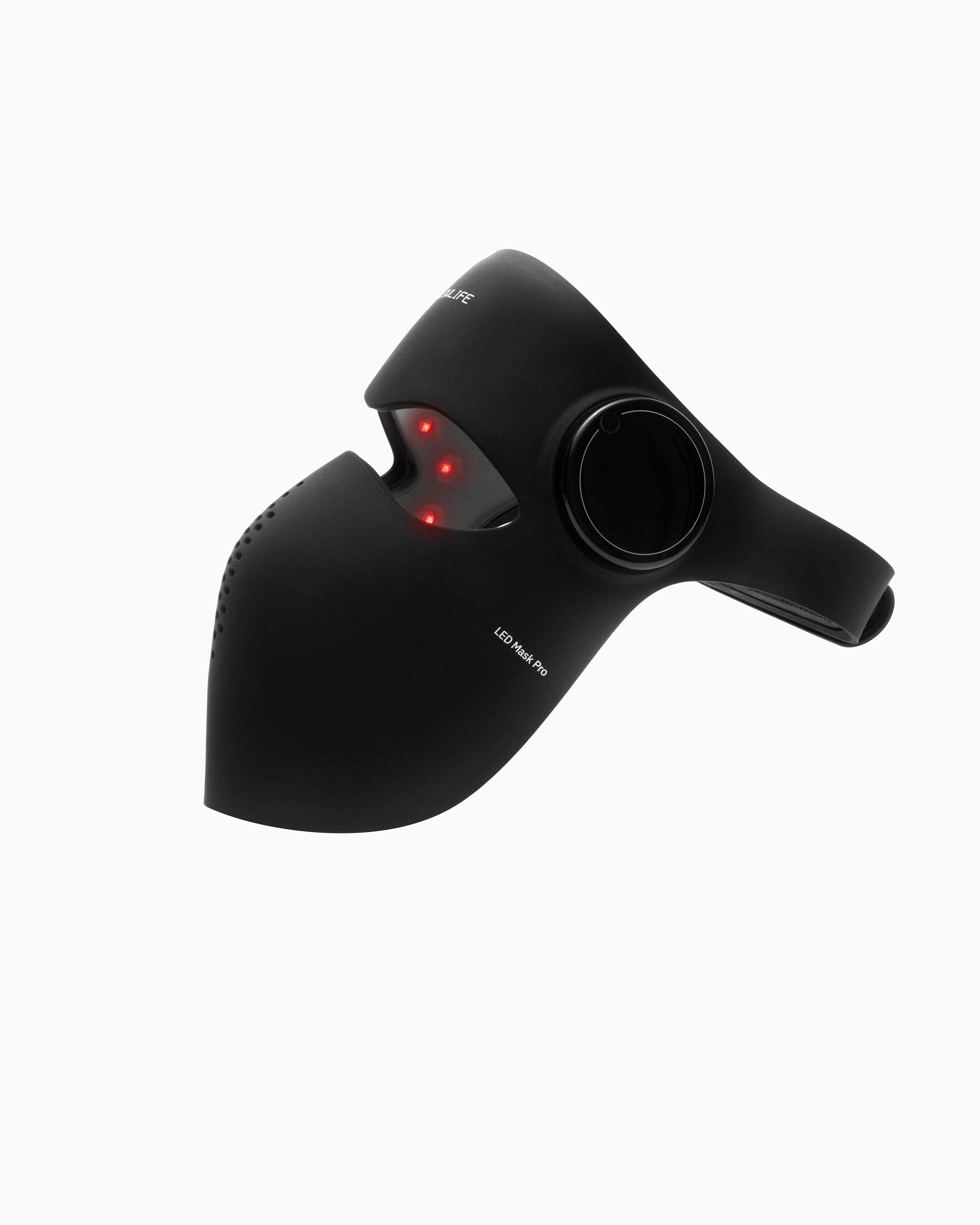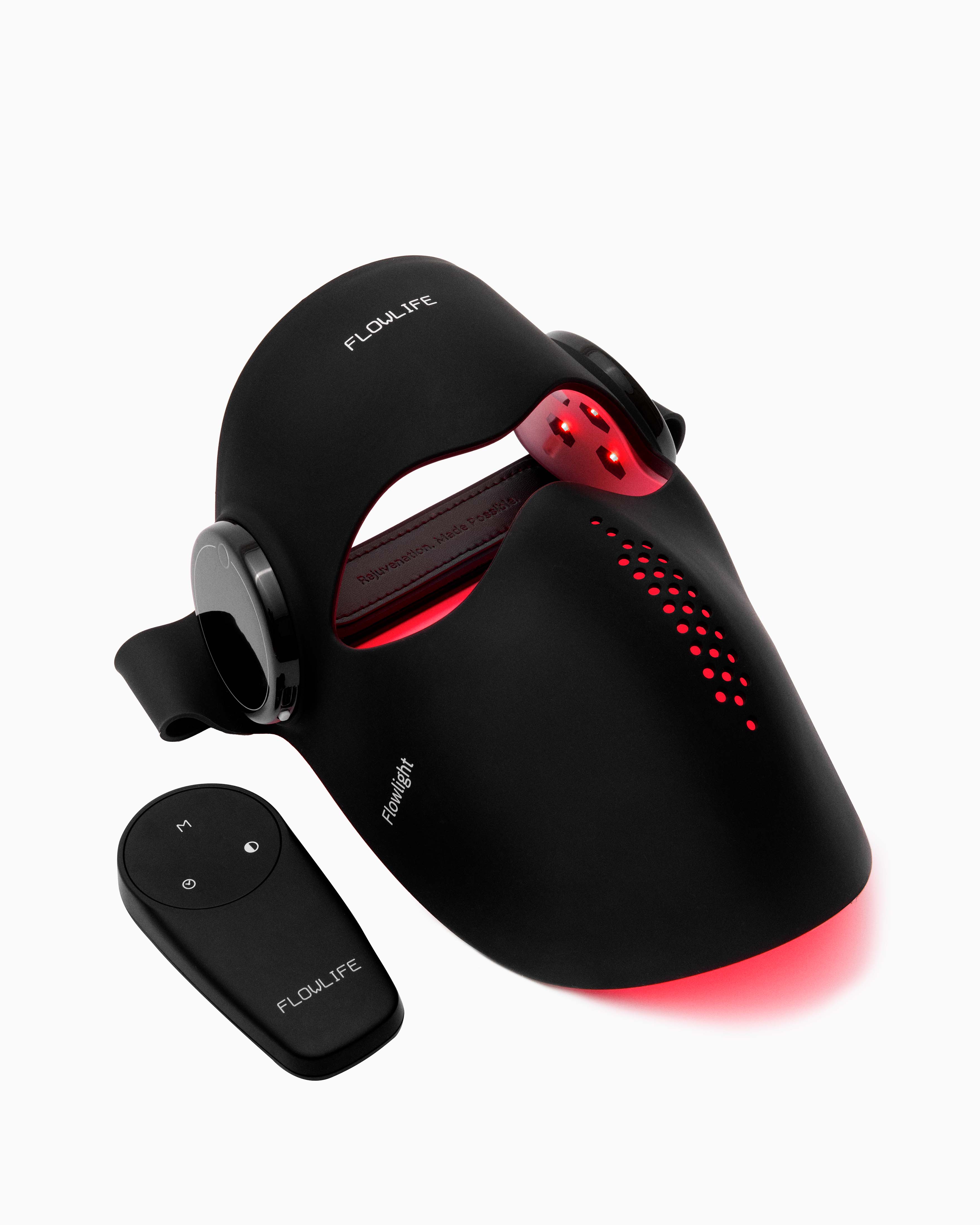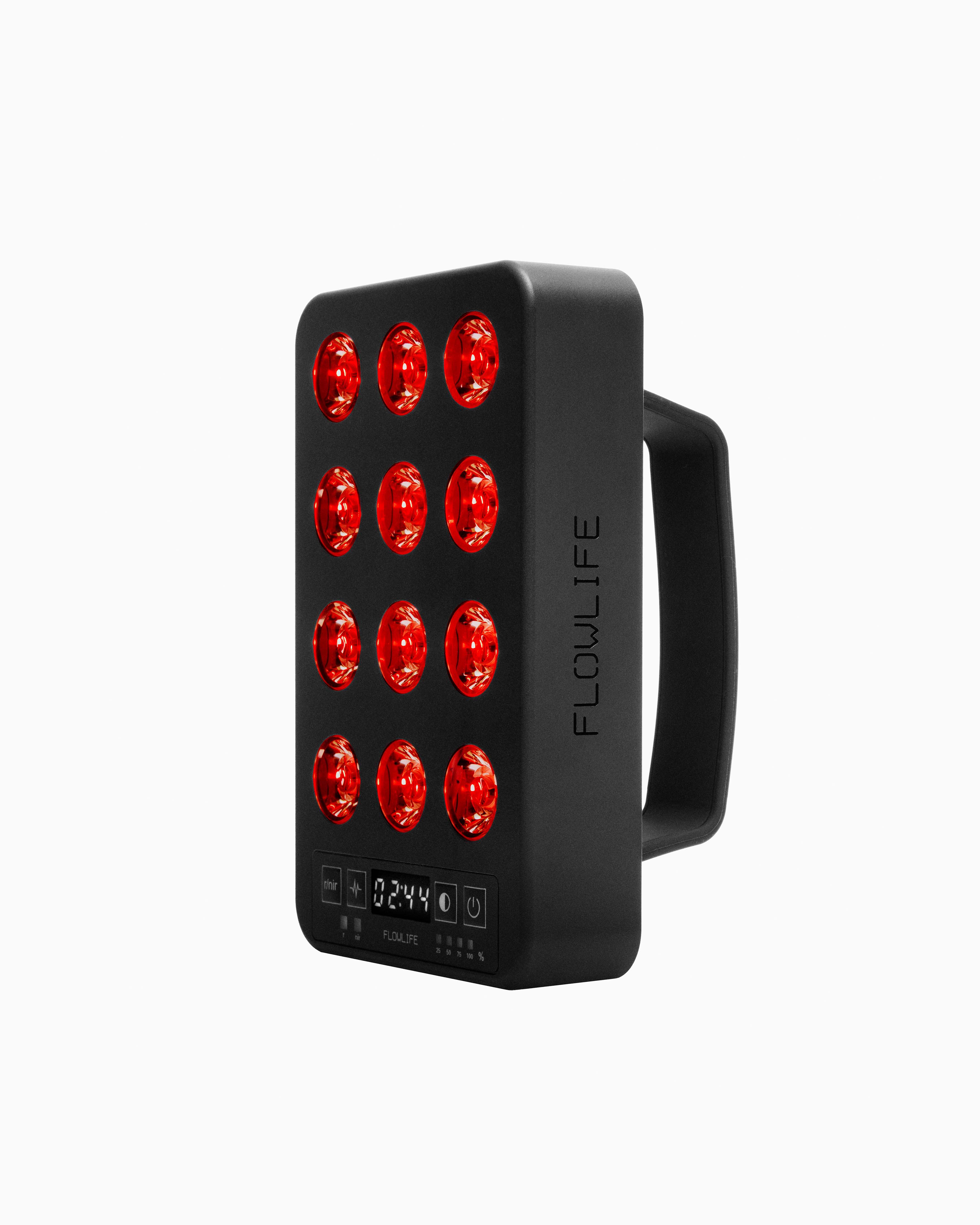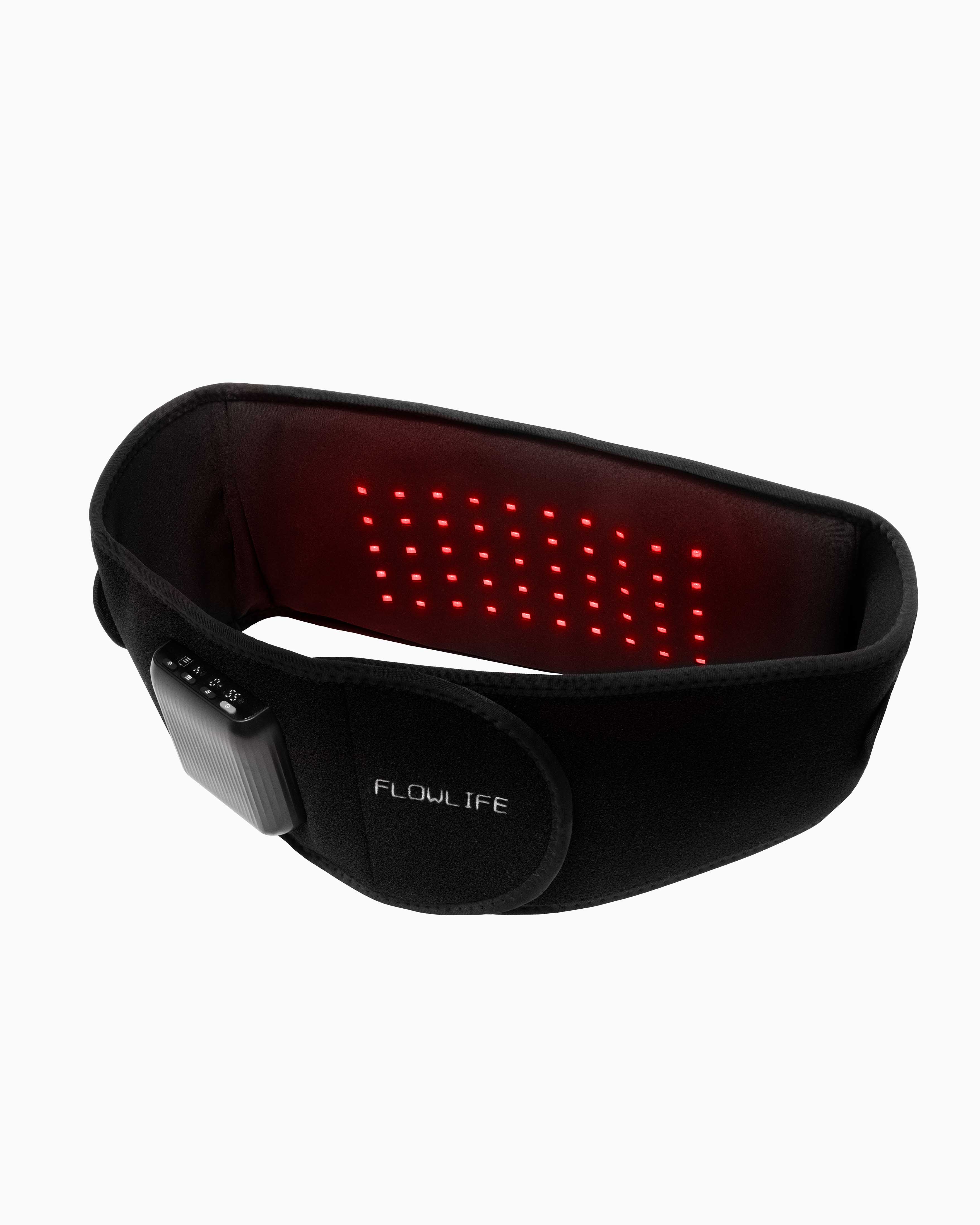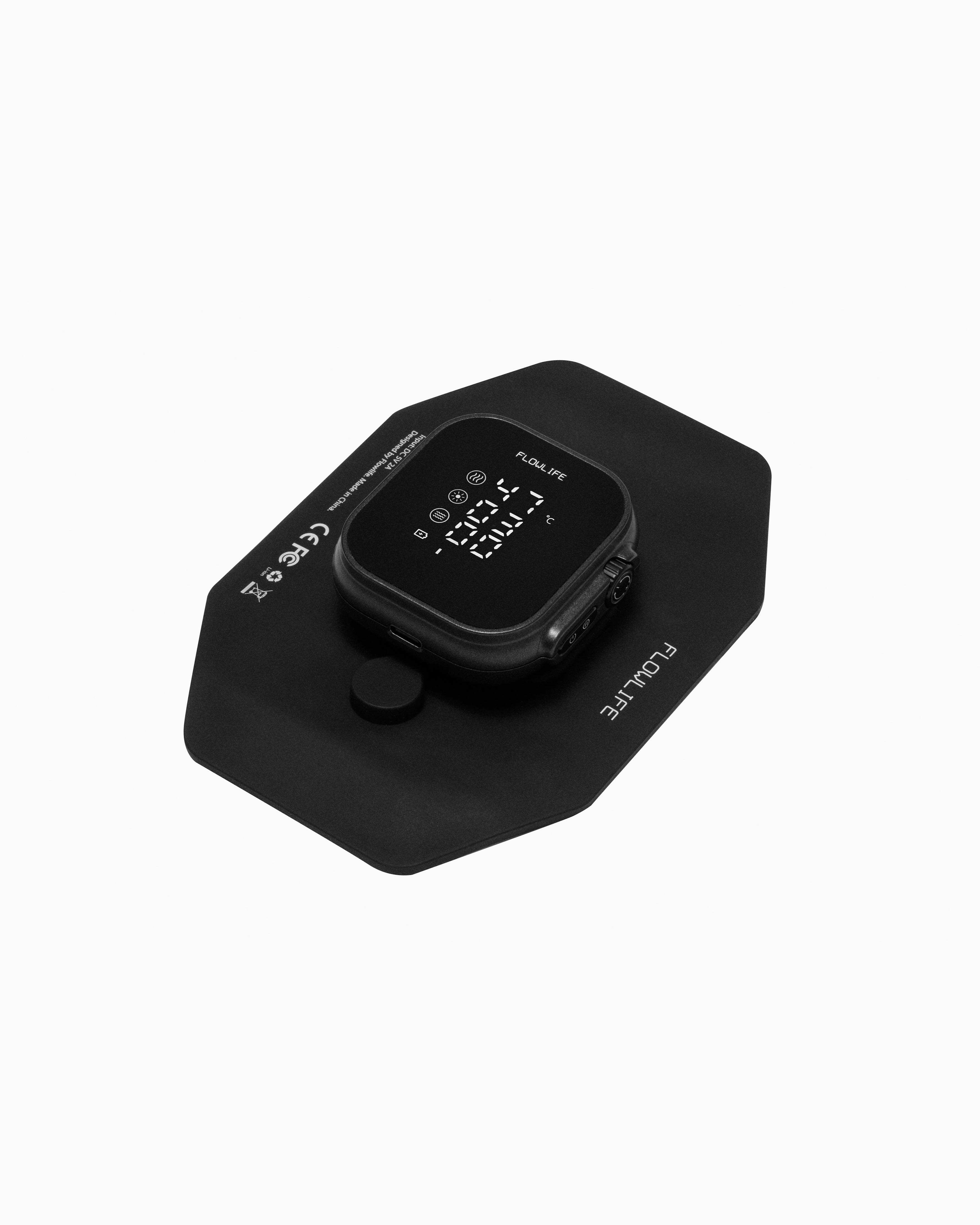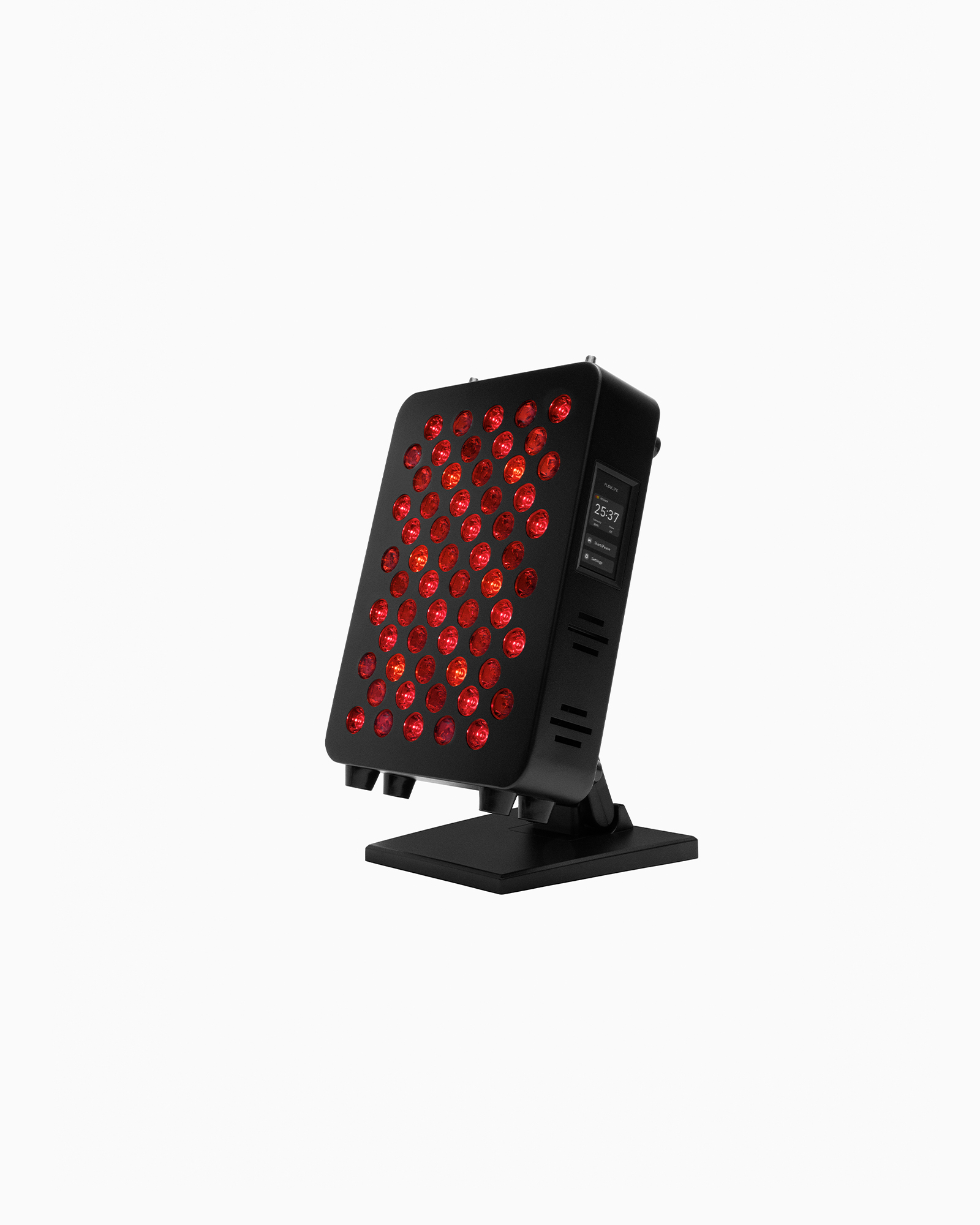
Flowlight Panel 300 Seven Waves
Mest solgt
4 599 DKK

Science
Red light therapy uses specific wavelengths of light to activate the body's own repair processes at the cellular level. It reduces inflammation, accelerates muscle recovery, supports collagen production, and improves sleep quality. The mechanism is well established across sports medicine, dermatology, and rehabilitation research.
FAQ
How does red light therapy work?
Does red light therapy reduce inflammation?
Can red light therapy help with muscle recovery?
Does red light therapy improve skin and collagen?
Does red light therapy improve sleep?
How deep does red light therapy penetrate?
How often should red light therapy be used?
Is red light therapy safe?
What is the difference between red light therapy and infrared sauna?
Can red light therapy help with pain?
Red light therapy works by delivering specific wavelengths of red and near-infrared light directly to cells, where they activate the mitochondria and trigger increased energy production.
Every cell in the body runs on a molecule called ATP, which is essentially cellular fuel. Mitochondria are the structures inside cells that produce it. When red or near-infrared light reaches the mitochondria, it speeds up their energy production. More ATP means cells can repair themselves faster, reduce the damage caused by stress and inflammation, and recover more efficiently. Wherever the light reaches, cellular function improves.
Photobiomodulation, the scientific term for this process, is one of the most studied non-pharmaceutical interventions in sports medicine and rehabilitation. Research consistently shows increases in cellular energy output, reductions in inflammatory signals, and accelerated tissue repair across muscle, skin, and joint tissue.
Sessions of 10 to 20 minutes are sufficient to trigger a measurable cellular response. Effects build with consistent use. Most protocols recommend 3 to 5 sessions per week.
Explore
Red light therapy reduces inflammation by restoring cellular energy levels and reducing the chemical signals that keep the inflammatory response running longer than it needs to.
Inflammation is the body's repair signal. It's useful in small doses but damaging when it runs too long or too strong. One of the main reasons inflammation persists is that the cells driving it are running low on energy, which keeps them locked in a reactive state. Red light therapy increases cellular energy production, which allows the cells involved in inflammation to do their job and then switch off. The result is a shorter, more controlled inflammatory response rather than suppression of inflammation entirely. This matters for recovery: the body needs some inflammation to repair and adapt. Red light therapy brings it back into balance rather than blocking it.
Multiple controlled studies show reductions in inflammatory markers following red light therapy in both acute injury and chronic inflammation. Research in sports recovery consistently shows lower markers of muscle damage within 24 to 48 hours of treatment.
Red light therapy is most effective for inflammation when applied within a few hours of exercise or injury, and again the following day.

Red light therapy accelerates muscle recovery by increasing energy availability in damaged muscle fibers, reducing inflammation, and speeding up the repair of tissue following exercise-induced stress.
Hard training creates small tears in muscle fibers and generates oxidative stress, a process where unstable molecules called free radicals build up in tissue and slow recovery. Near-infrared light penetrates 4 to 5 centimeters into muscle tissue, reaching the mitochondria in damaged cells directly. The resulting energy increase accelerates protein synthesis, the process by which the body rebuilds muscle, while simultaneously reducing the oxidative stress that prolongs soreness and fatigue.
Studies in both endurance and strength athletes show measurable reductions in creatine kinase, a blood marker of muscle damage, following red light therapy applied after exercise. Research also shows reduced perceived soreness and faster return to full strength output compared to passive recovery.
Apply red light therapy within 30 to 60 minutes after training for optimal effect. A 10 to 15 minute session targeting the worked muscle groups is sufficient. Athletes training daily benefit most from consistent post-session use.
Explore

Red light therapy stimulates collagen production by activating the cells responsible for making it, and by reducing the enzymes that break it down.
Collagen is the structural protein that gives skin its firmness, elasticity, and density. The cells that produce it, called fibroblasts, slow down with age and environmental stress. Red light penetrates the skin and activates fibroblast activity directly, increasing collagen production while simultaneously reducing the enzymes that break collagen down. Skin cell turnover also accelerates as cellular energy increases. The net result over weeks of consistent use is denser, more elastic skin with visibly reduced fine lines.
Clinical studies consistently show improvements in skin elasticity, reduction in fine lines, and increased collagen density following regular red light therapy. Effects are measurable after 8 to 12 weeks of consistent use.
Sessions 4 to 5 times per week produce the most consistent results. Skin benefits develop gradually and require sustained use.

Red light therapy supports better sleep by reinforcing the body's internal clock, the 24-hour rhythm that governs when melatonin is released and when the body prepares for rest.
The body's sleep-wake cycle is controlled partly by light signals that reach the brain through the eyes. Blue and green light, the kind emitted by screens and artificial lighting, tells the brain it is still daytime and suppresses melatonin production. Red and near-infrared wavelengths do not trigger this pathway. Evening exposure to red light avoids the circadian disruption caused by screens and artificial lighting, allowing melatonin to rise naturally and sleep quality to normalize. Morning use supports cortisol rhythm and alertness.
Research in both athletes and general populations shows improvements in sleep quality, sleep onset time, and morning alertness following evening red light exposure. Studies in endurance athletes show improvements in sleep duration and melatonin levels compared to control groups.
Evening use in the 60 to 90 minutes before sleep produces the greatest benefit for the sleep-wake cycle. Morning use supports energy and cortisol rhythm. Both timing strategies are compatible and complement each other.
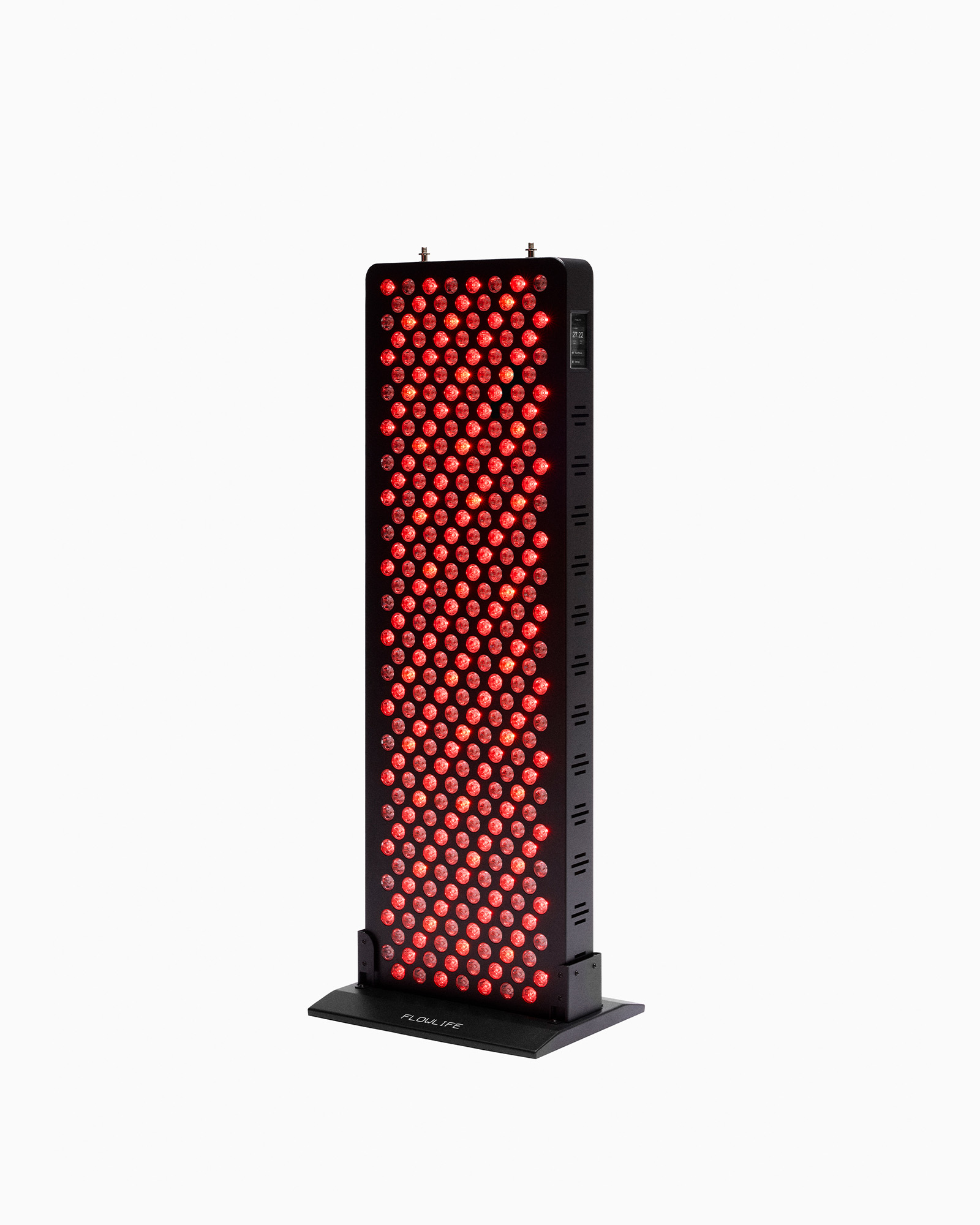
Near-infrared light penetrates 4 to 5 centimeters into tissue, reaching deep muscle, tendons, and joints. Red light penetrates approximately 1 to 2 centimeters, primarily affecting skin and superficial tissue.
Penetration depth is determined by wavelength. Shorter wavelengths scatter more in tissue and are absorbed close to the surface. Longer near-infrared wavelengths pass through water and blood with less absorption, reaching deeper structures. This is why near-infrared light is used for muscle and joint recovery while red light addresses skin and surface inflammation. Devices that deliver both wavelengths simultaneously address both depths in a single session.
Tissue penetration studies confirm the 4 to 5 centimeter depth for near-infrared light. This is sufficient to reach the quadriceps, hamstrings, shoulder muscles, and knee joint structures.
For joint pain, tendon recovery, or deep muscle treatment, near-infrared is the relevant wavelength. For skin, collagen, or surface inflammation, red light is most effective.

3 to 5 sessions per week, with each session lasting 10 to 20 minutes. Daily use is safe and appropriate for active recovery protocols.
Red light therapy follows a dose-response relationship. There is an optimal range of light energy per session. Too little produces no measurable response. Too much can temporarily reduce the effect. The practical implication is straightforward: consistent use within the recommended time range produces the best results. More is not always better, but regular is.
Research protocols across sports recovery, skin, and pain management consistently use 3 to 5 sessions per week and show cumulative benefit over 4 to 12 weeks. Daily use in elite athletic protocols is well documented and safe.
Consistency over weeks matters more than session length. Start with 10 minutes per session and increase to 20 minutes for larger areas or deeper tissue targets.

Red light therapy at therapeutic wavelengths has a strong safety profile. It does not emit UV radiation, does not damage tissue at recommended doses, and produces no known systemic side effects with standard use.
Unlike UV light, red and near-infrared wavelengths do not damage DNA or cause the kind of tissue harm associated with sunburn or radiation. The mechanism is purely photochemical: activating cellular processes rather than damaging them. Heat effects are minimal at the intensities used in therapeutic devices.
Thousands of published studies and clinical trials have examined red light therapy safety across dermatology, physiotherapy, and sports medicine. No serious adverse effects have been documented at therapeutic doses. The therapy is used clinically in wound care, post-surgical recovery, and neonatal care.
Eye protection is recommended during near-infrared sessions as the wavelengths are invisible and the eye cannot self-regulate exposure. Avoid use directly over active malignancies and consult a physician if using photosensitizing medications.

Red light therapy and infrared sauna both use light in the infrared spectrum, but they work through completely different mechanisms and produce different results.
Infrared sauna uses far-infrared wavelengths that convert entirely to heat in the body, raising core temperature and triggering the cardiovascular, hormonal, and heat adaptation responses associated with sauna bathing. Red light therapy uses shorter red and near-infrared wavelengths that activate cellular energy production directly, without significant heat. Sauna works through heat stress and adaptation. Red light therapy works through cellular energy and repair. They are not interchangeable, but they complement each other well. Used together they address different recovery pathways simultaneously.
Research on infrared sauna demonstrates cardiovascular benefits, reductions in cortisol, and activation of heat shock proteins. Red light research demonstrates increases in cellular energy, reduction in inflammatory signals, and tissue repair. These are distinct mechanisms.
Infrared sauna is most effective for cardiovascular adaptation, full-body muscle relaxation, and stress reduction. Red light therapy is most effective for targeted tissue repair, inflammation reduction, and skin. Used in the same session or on the same day, they address recovery from different angles.

Red light therapy reduces pain by addressing the underlying sources of pain signals, including inflammation, oxidative stress, and poor local circulation, rather than blocking pain perception directly.
Pain is generated when sensory nerve endings detect damage or threat in tissue. One of the main drivers of this is inflammation: the chemical signals released during an inflammatory response directly sensitize nerve endings and amplify pain. Red light therapy reduces the inflammatory signals at their source by restoring cellular energy and reducing oxidative stress, which lowers the pain signal without masking it. Near-infrared light also improves local circulation, which reduces the low-oxygen environment that develops in chronically painful muscles and joints and drives ongoing discomfort.
Clinical evidence supports red light therapy for chronic low back pain, neck pain, osteoarthritis (joint wear), tendinopathy (tendon pain and degeneration), and post-surgical pain. Multiple reviews rate the evidence as moderate to strong for musculoskeletal pain.
Chronic pain responds best to consistent daily application over 4 to 8 weeks. Acute pain from injury or overtraining responds faster, often within 24 to 72 hours of treatment.
FAQ