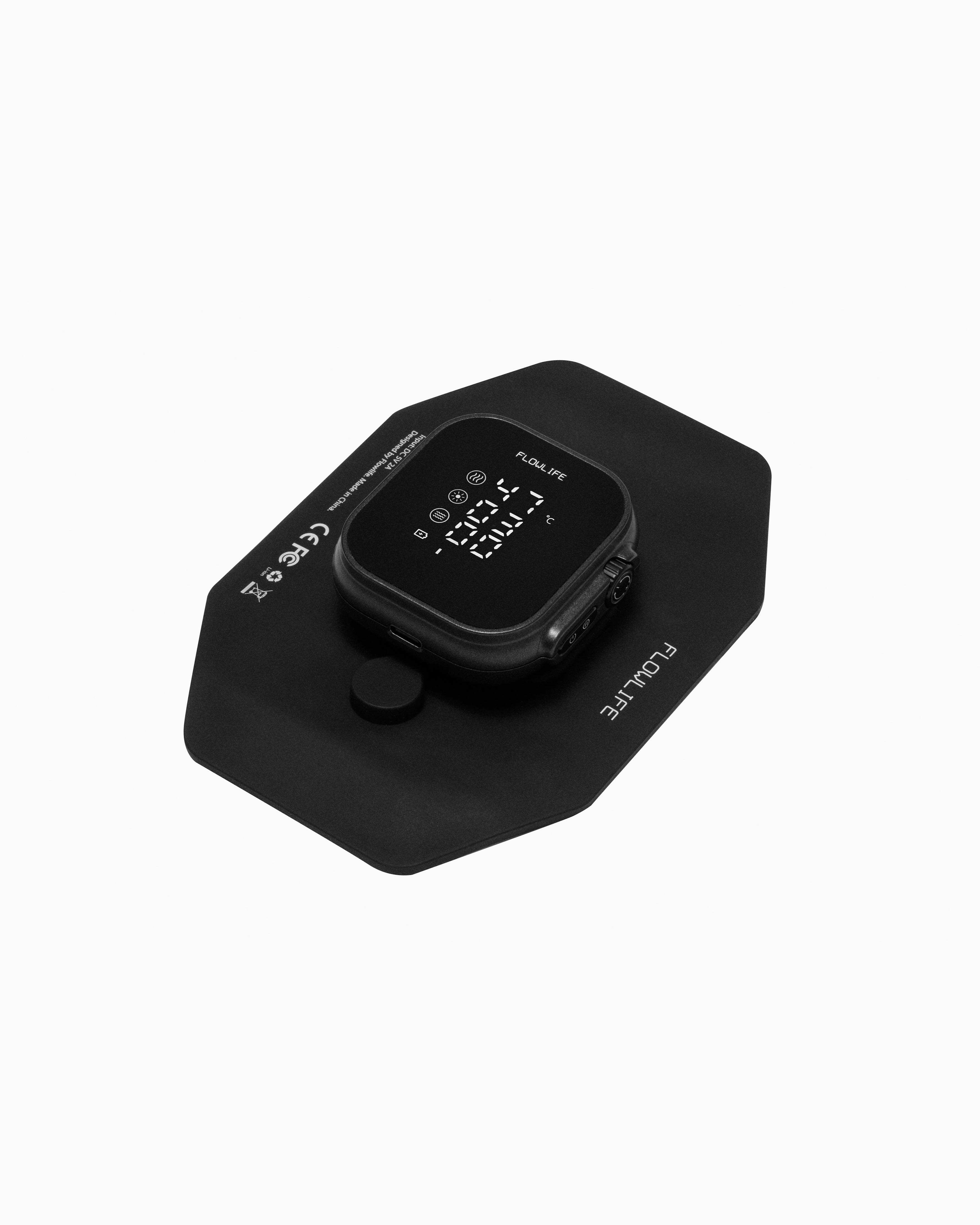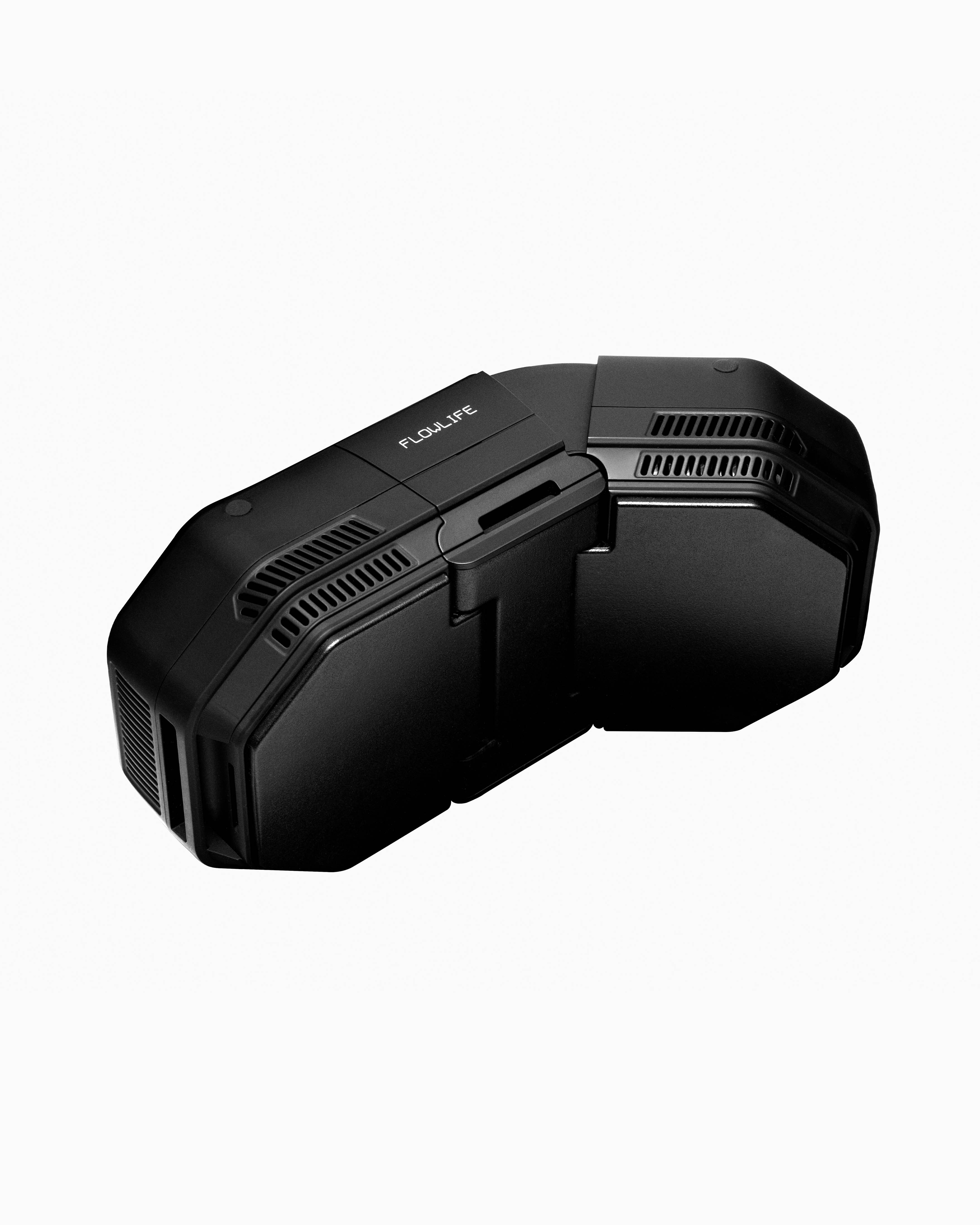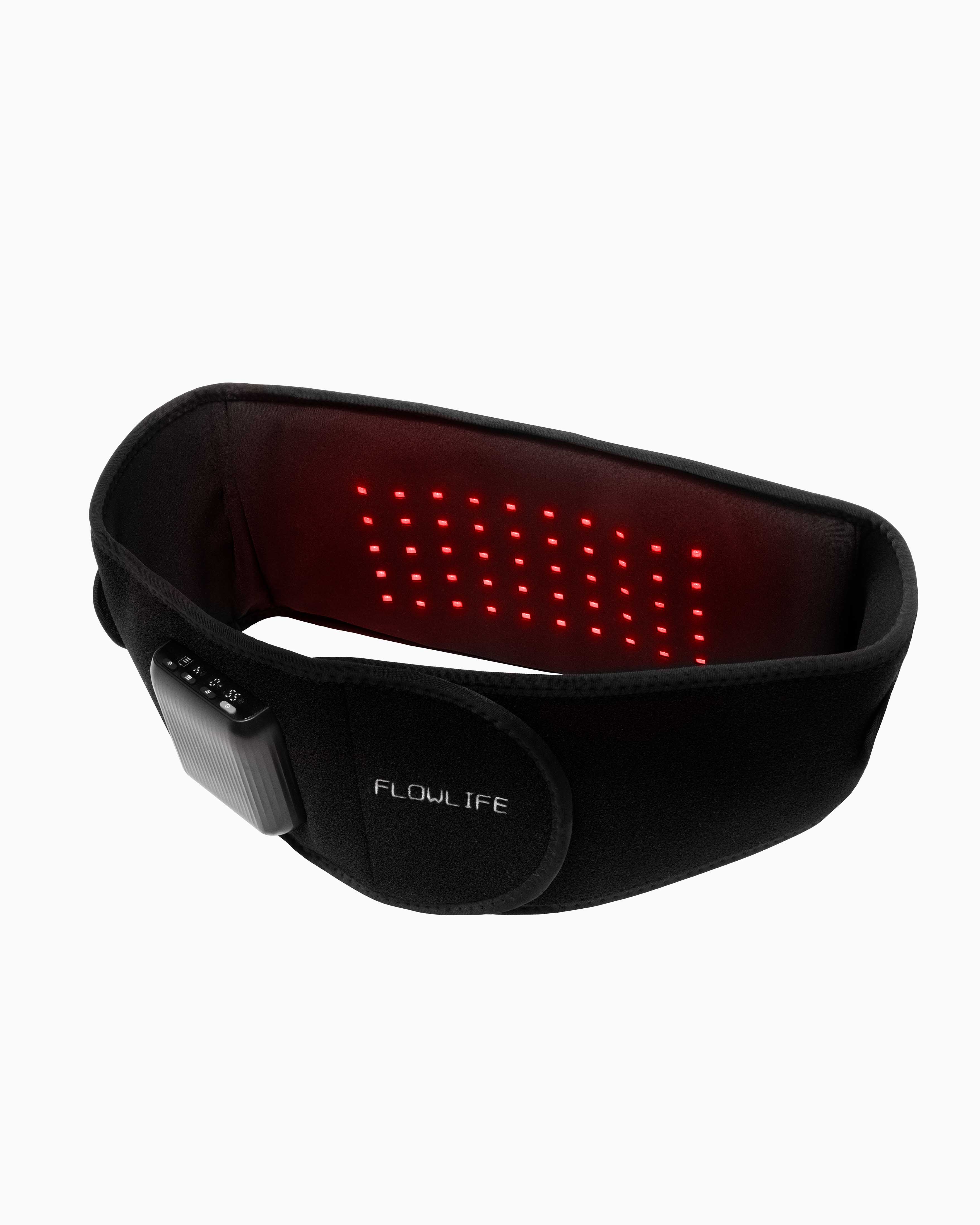
Flowtherma Belt
VarmebælterMest solgt
1 999 DKK

Pain & Common Problems
Hip pain affects runners, strength athletes, and desk workers in different ways but with equal frustration. The hip is central to almost every movement pattern, and when it hurts, compensation patterns develop quickly throughout the whole body. The conditions below cover the most common causes of hip pain, what is driving the problem, and what actually helps.
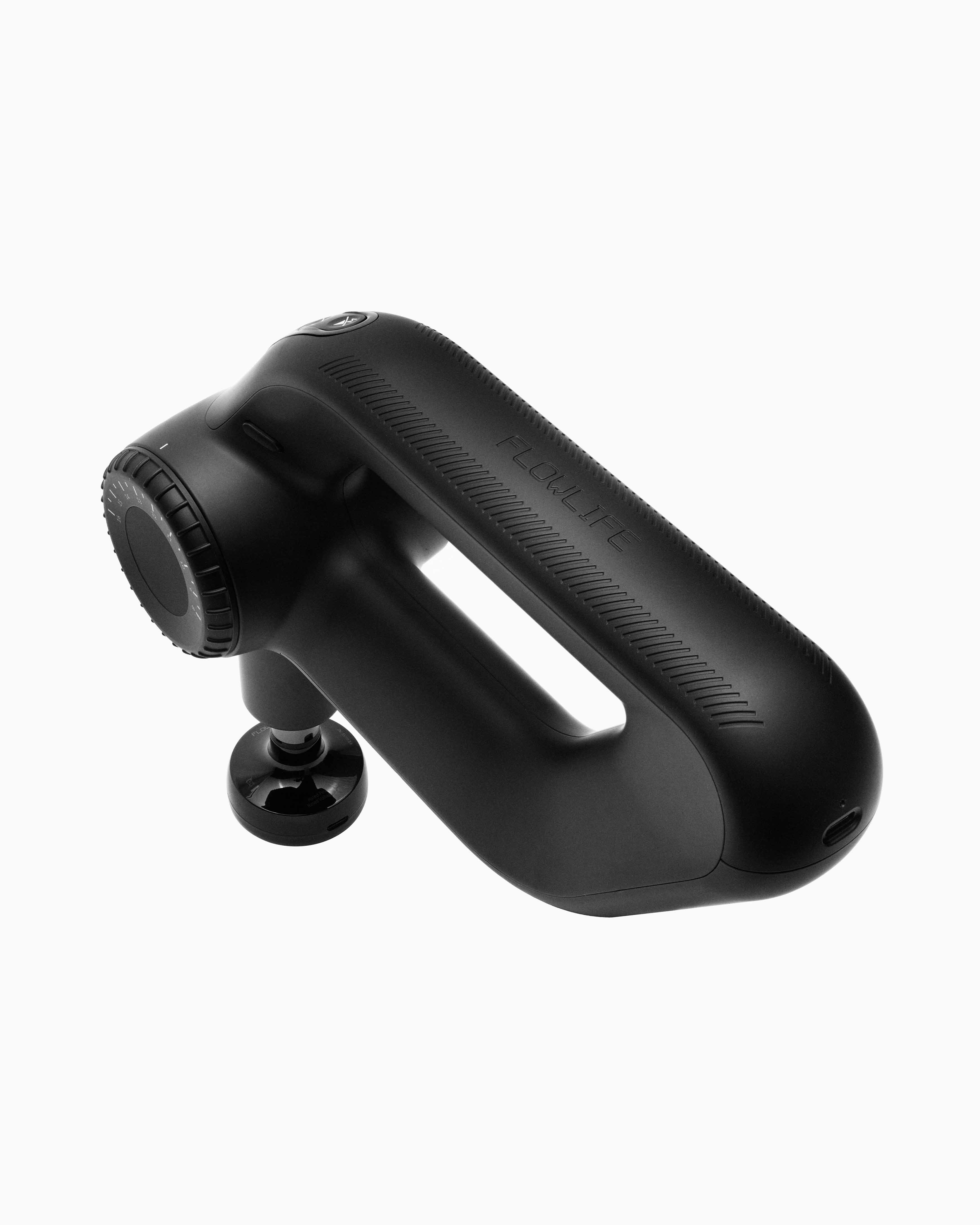
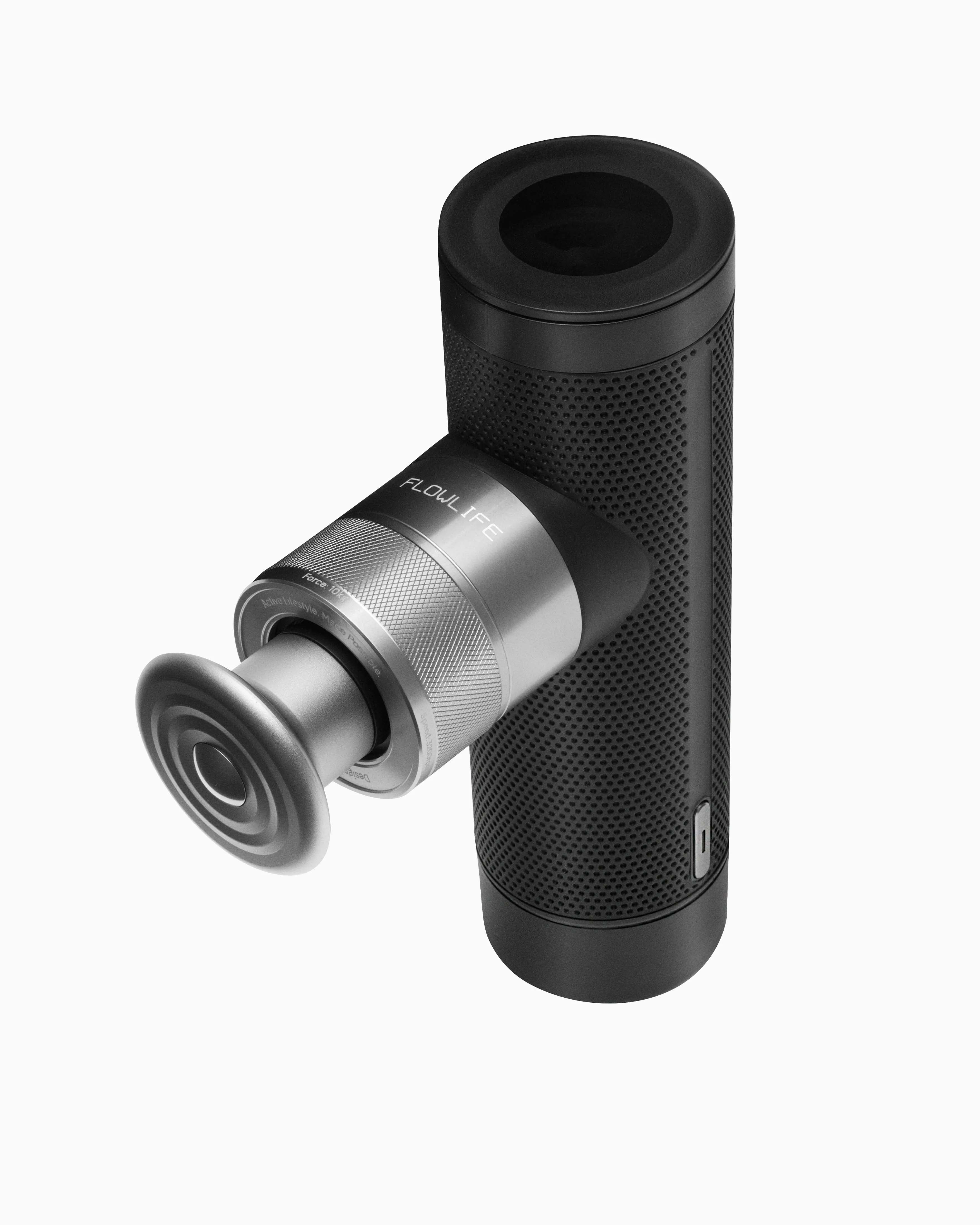
Flowgun Ultra
3 999 DKK2 679 DKK
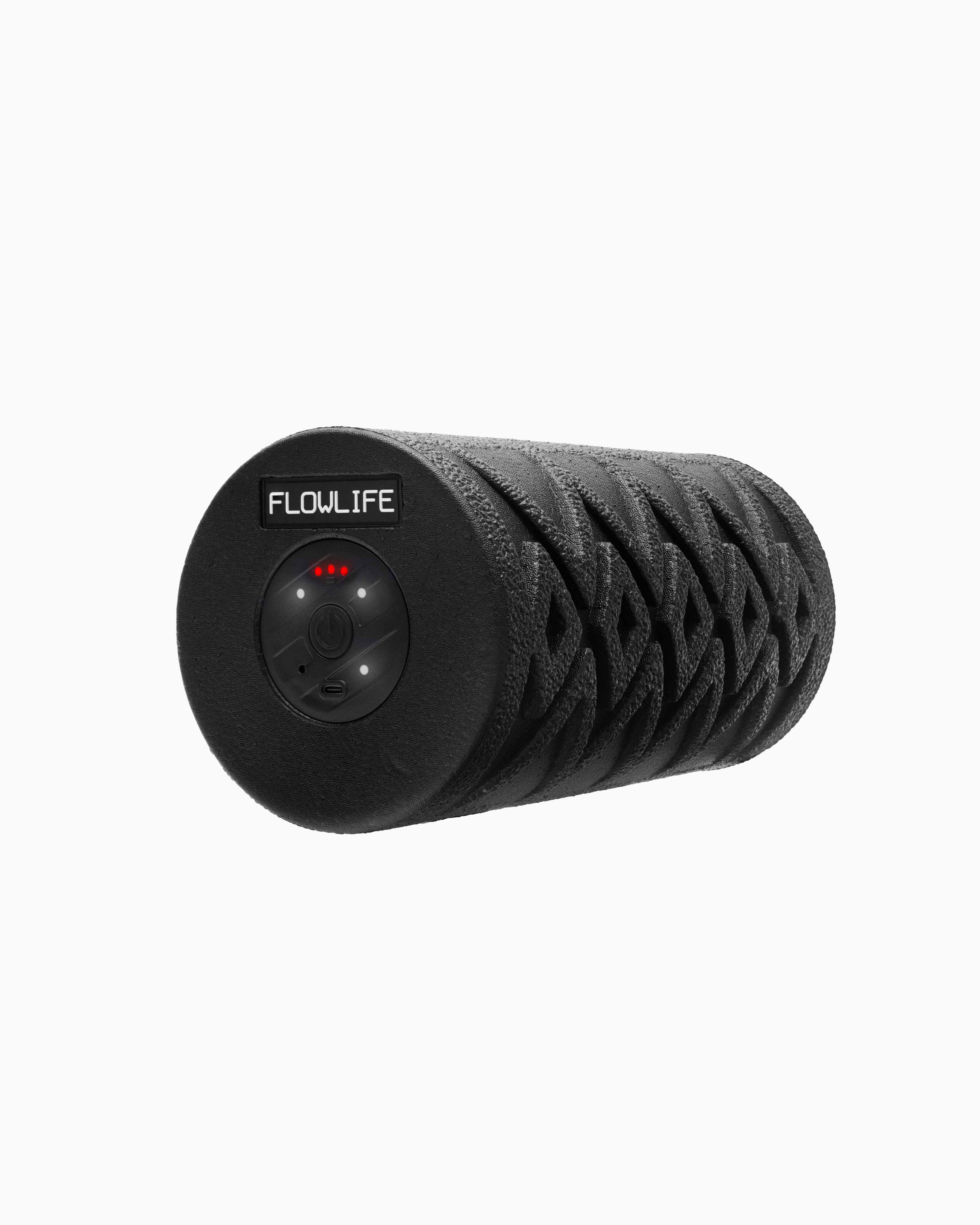
Flowroller Pro
1 399 DKK933 DKK

Flowplunge Go
999 DKK599 DKK
FAQ
What is hip flexor pain, and what causes it?
What is IT band syndrome at the hip?
What is hip osteoarthritis, and how is it managed?
What is piriformis syndrome?
Hip flexor pain involves strain or tightness in the muscles that flex the hip, primarily the iliopsoas and the rectus femoris. It is common in runners, cyclists, footballers, and people who spend long hours sitting.
The hip flexors shorten when the hip is held in flexion for extended periods. When asked to work hard during running or explosive movements, the shortened muscles strain under the load. The pain is typically felt at the front of the hip or groin and can refer down the front of the thigh.
Prolonged sitting, running without adequate warmup, sudden increases in sprint or hill training volume, and weak glutes that force the hip flexors to overwork all aggravate hip flexor pain.
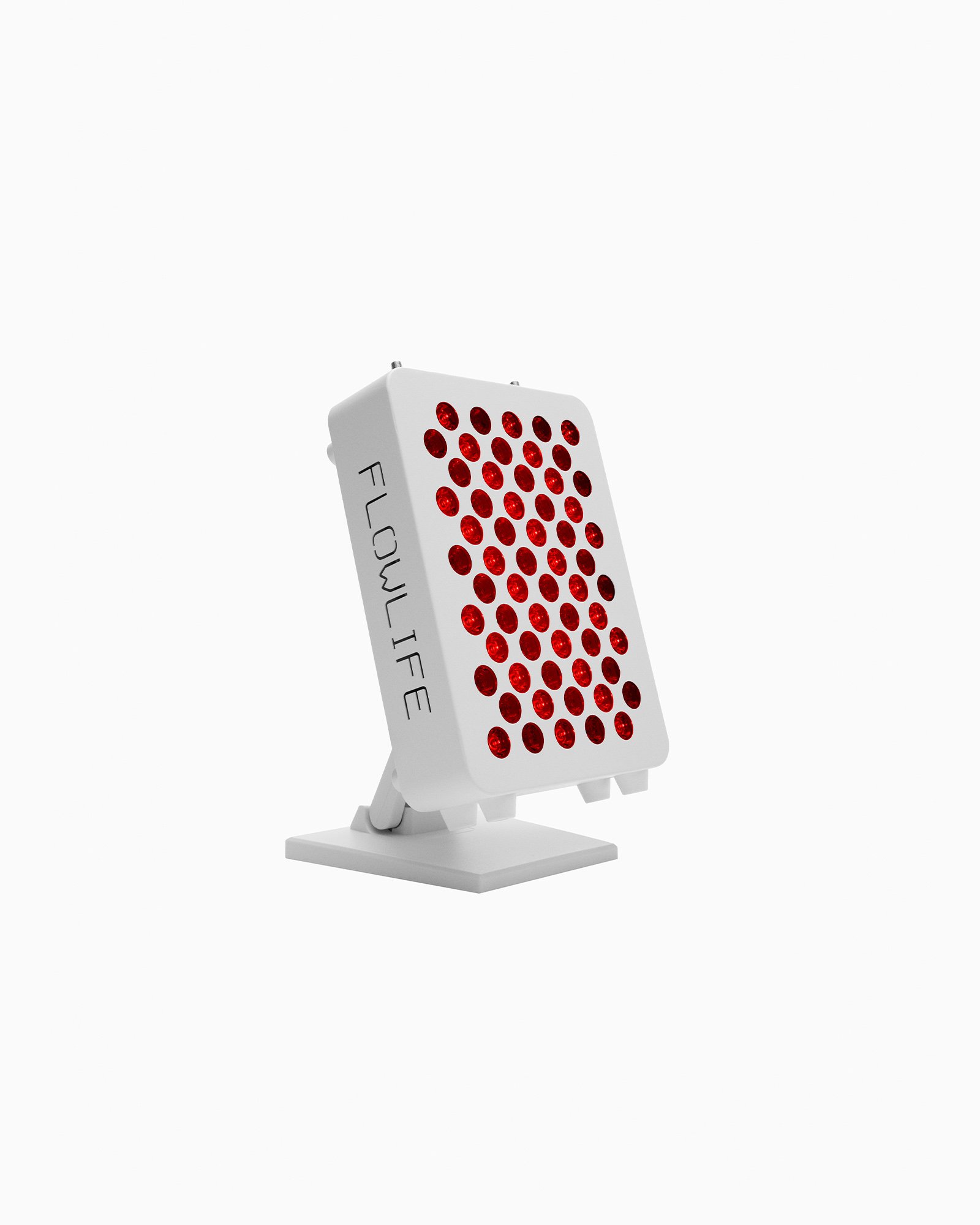
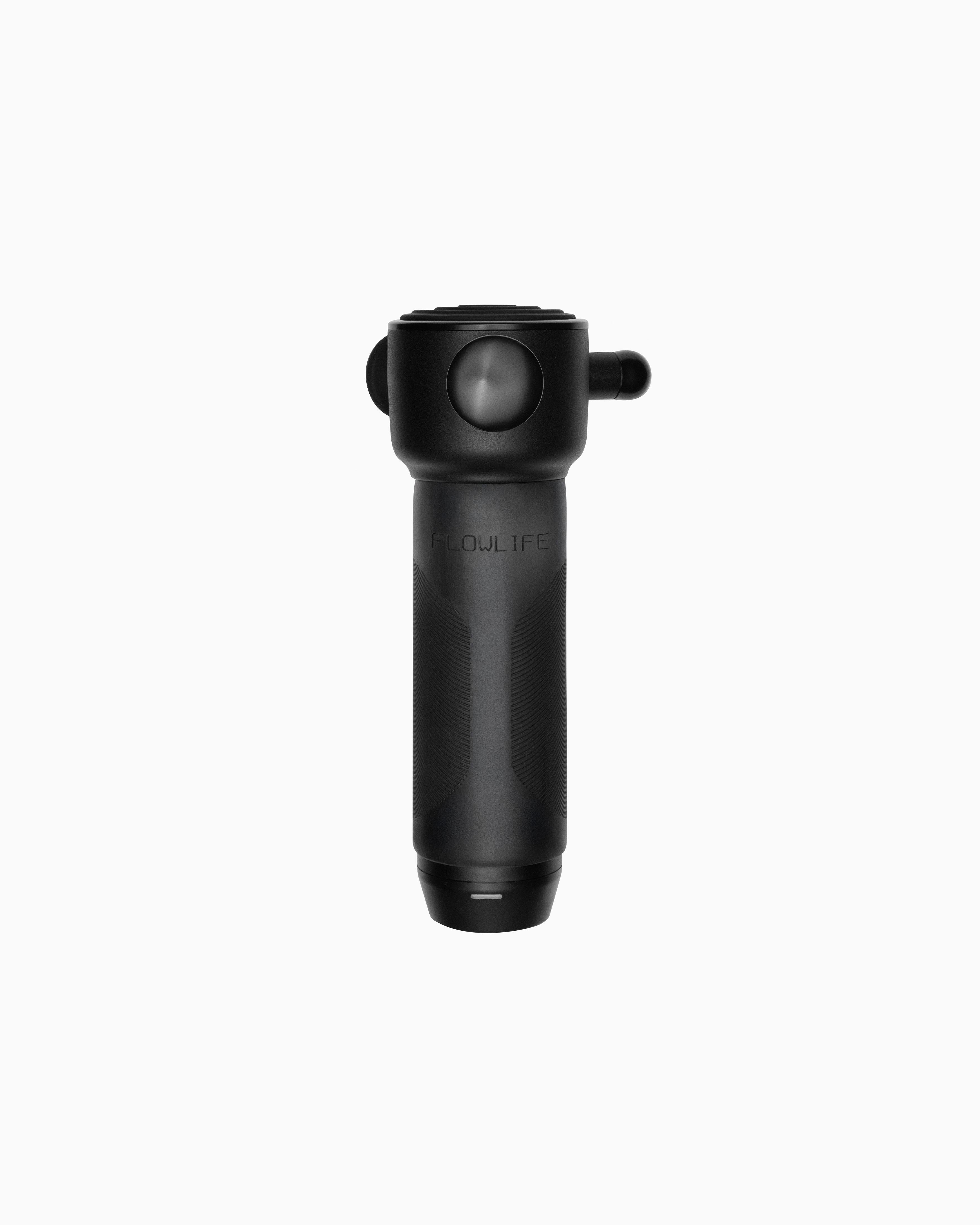
A massage gun targeting the hip flexors, TFL, and quadriceps is the most direct tool. Heat therapy relaxes the hip flexors and improves their extensibility before training. Compression therapy improves circulation in the hip and upper leg. Red light therapy reduces inflammation in chronically tight tissue.
Use a massage gun on the hip flexors and TFL for 2 to 3 minutes before and after training. Heat therapy for 15 minutes before activity reduces stiffness and injury risk. Glute strengthening is the most important long-term strategy for offloading the hip flexors during running.
EXPLORE

IT band syndrome at the hip involves pain on the outer side of the hip and upper thigh where the iliotibial band originates from the TFL muscle. It is common in runners with high weekly mileage.
The TFL and upper IT band become chronically tight and overloaded when the glutes are weak. The pain is felt as a sharp or aching discomfort in the outer hip and upper thigh, often with a snapping sensation as the IT band flicks across the greater trochanter.
High running volume, weak glutes, running on cambered surfaces, and prolonged sitting that tightens the TFL all worsen the condition.
A massage gun targeting the TFL and lateral hip is the most effective and direct tool. Cold therapy reduces acute inflammation at the greater trochanter after running. Red light therapy supports tissue repair in persistently irritated structures.
Use a massage gun on the TFL and outer hip for 2 to 3 minutes before and after running. Cold therapy for 10 minutes on the outer hip after activity. Consistent glute activation work is essential for lasting resolution.

Hip osteoarthritis is a degenerative condition involving the gradual breakdown of the cartilage cushioning the hip joint. It is common in people over 50 and those with a history of hip injury or high-impact sports.
As cartilage wears down, the hip joint loses its smooth surface and shock-absorbing capacity. The pain is typically a deep aching sensation in the groin, outer hip, or buttock, worse after inactivity and after prolonged activity.
High-impact activity, prolonged inactivity, excess body weight, and hip muscle weakness that reduces joint stability all worsen symptoms over time.
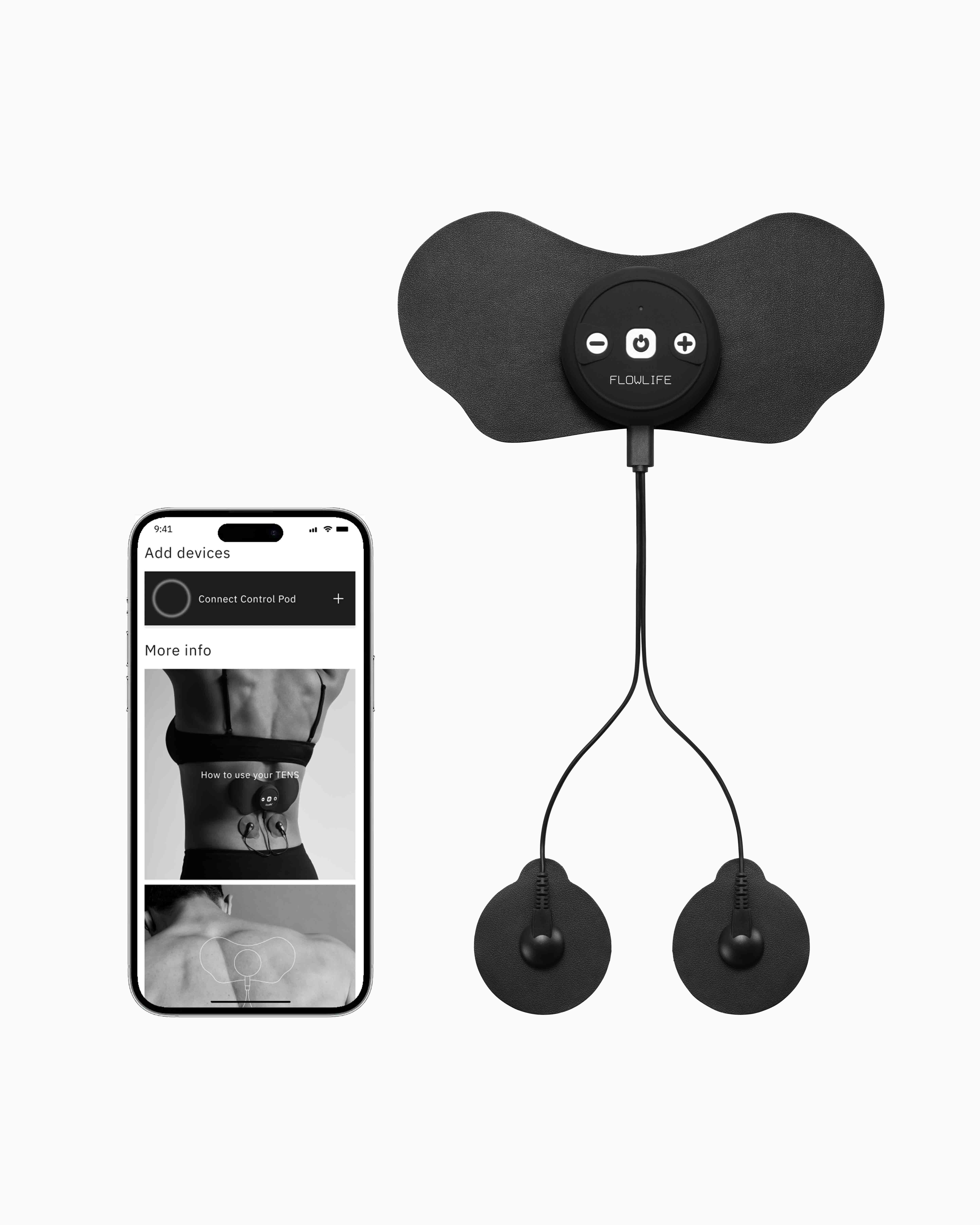
Red light therapy reduces inflammatory markers in the hip joint and supports the health of remaining cartilage. Heat therapy reduces stiffness before activity. TENS therapy provides effective pain management without medication. Cold therapy manages post-activity flare-ups.
Apply heat for 15 minutes before activity to reduce stiffness. Cold for 10 to 15 minutes after activity. Daily red light therapy over the hip joint produces cumulative improvements over 4 to 8 weeks.

Piriformis syndrome occurs when the piriformis muscle, a small deep muscle in the buttock that rotates the hip, becomes tight or inflamed, irritating the sciatic nerve that runs beneath or through it. It causes buttock pain and sometimes sciatic-type pain down the leg.
The pain is typically felt as a deep aching in the buttock, often worse when sitting for long periods, climbing stairs, or rotating the hip. Pressing directly on the piriformis muscle reproduces the pain.
Prolonged sitting, crossing the legs, activities that repeatedly externally rotate the hip, and weak glutes that force the piriformis to overwork all aggravate the condition.
A massage gun targeting the glutes and piriformis directly releases the tension driving the condition. TENS therapy addresses the sciatic nerve component if radiating symptoms are present. Heat therapy relaxes the entire gluteal region. Red light therapy reduces inflammation in persistent or recurrent cases.
Use a massage gun on the gluteal region for 2 to 3 minutes to locate and release the tight piriformis. Heat therapy for 15 minutes relaxes the surrounding muscles. Glute strengthening reduces the overload on the piriformis during activity.

FAQ