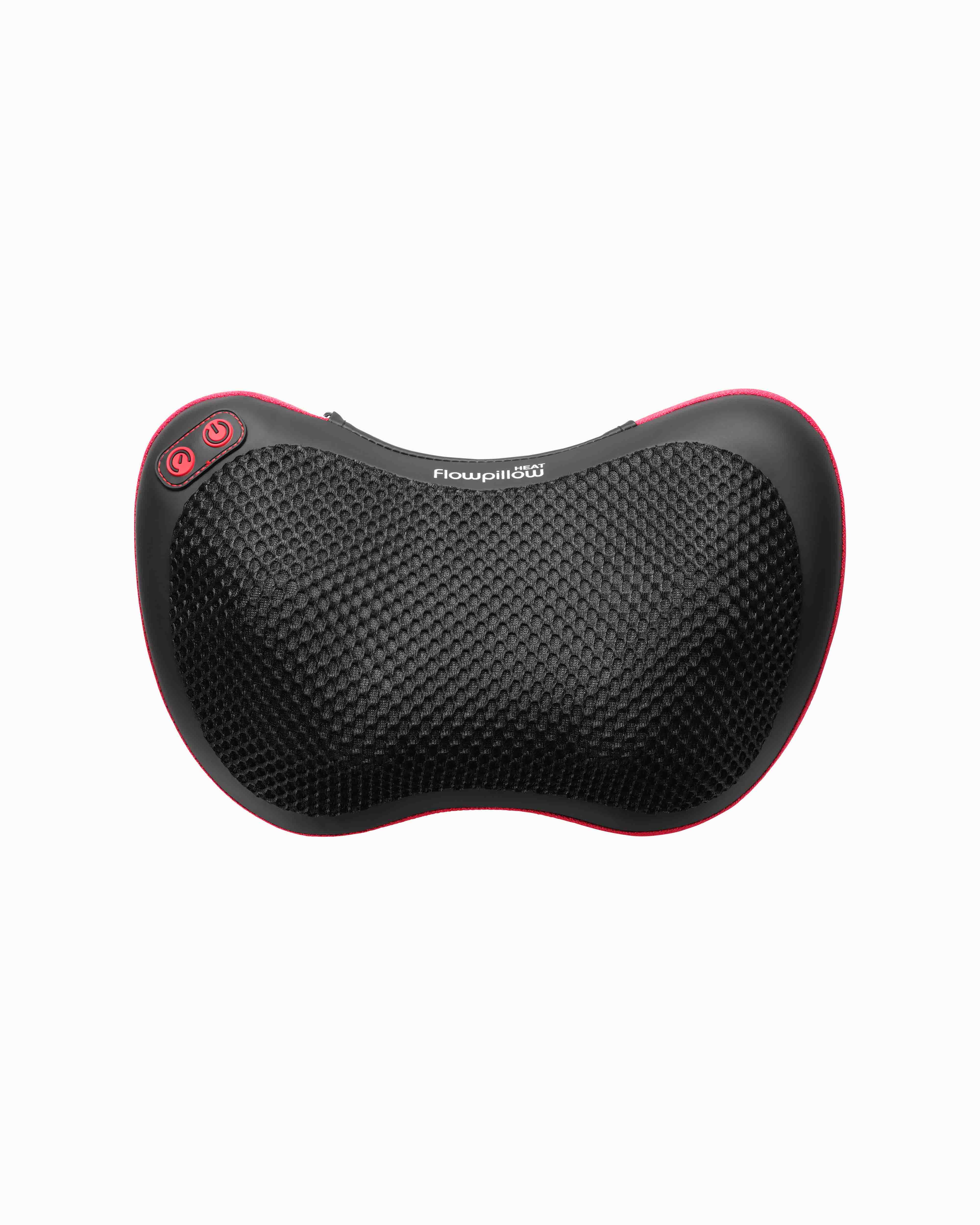
Flowpillow Heat
Mest solgt
899 DKK
Science
Shiatsu therapy uses sustained pressure on specific points across the body to release muscle tension, stimulate circulation, and activate the parasympathetic nervous system. Rooted in Japanese bodywork tradition and supported by modern research into pressure receptor physiology, shiatsu produces measurable reductions in cortisol, improvements in mood, and relief from chronic muscle pain without mechanical manipulation or movement.
FAQ
How does shiatsu therapy work?
Does shiatsu therapy reduce muscle tension and pain?
Can shiatsu therapy reduce stress and anxiety?
Can shiatsu help with headaches?
Can shiatsu therapy improve sleep?
How does shiatsu therapy differ from other massages?
Can shiatsu therapy help with chronic pain?
Is shiatsu therapy safe?
How does shiatsu differ from percussion therapy?
Can shiatsu therapy help with sports recovery?
Shiatsu therapy works by applying sustained pressure to specific points on the body, activating a network of pressure receptors that tell the nervous system to shift out of stress mode and into rest and recovery mode.
The skin and underlying fascia are rich with pressure receptors that respond to sustained touch. When these receptors are activated by shiatsu pressure, they send signals to the brain that reduce sympathetic nervous system activity, the fight-or-flight state that most people carry chronically, and increase parasympathetic tone, the rest-and-digest state. This shift triggers a cascade: heart rate slows, blood pressure drops, cortisol falls, and serotonin levels rise. Locally, the sustained pressure also deforms the collagen fibers in the fascia around the pressure point, releasing tension in the connective tissue and reducing the trigger-point activity that causes referred pain.
Research consistently shows that shiatsu and acupressure-based interventions reduce cortisol, lower heart rate, and improve subjective measures of relaxation and pain. Studies confirm that sustained pressure stimulates serotonin release and activates vagal pathways, the nerve circuits that regulate the parasympathetic response.
15 to 30 minutes produces a full parasympathetic response and measurable reductions in muscle tension. Shiatsu is effective both as a standalone recovery tool and as a pre-sleep relaxation protocol.

Shiatsu therapy reduces muscle tension and pain by activating parasympathetic pathways that lower overall muscle tone, stimulating endorphin release, and mechanically releasing connective tissue tension in treated areas.
Chronic muscle tension is often maintained by a nervous system that is stuck in an elevated stress state. Elevated cortisol and sympathetic nervous system activity keep muscles contracted beyond what they need to be. Shiatsu addresses this at the source: the parasympathetic response it triggers reduces system-wide muscle tone through the nervous system, endorphin release reduces pain perception, and the direct mechanical pressure on the tissue disrupts trigger-point activity locally. Cortisol reduction from shiatsu also reduces the inflammatory response that drives chronic muscle pain.
Clinical studies show significant reductions in chronic neck and shoulder pain, lower back pain, and exercise-related muscle soreness following shiatsu therapy sessions. Research confirms measurable reductions in cortisol levels and improvements in self-reported pain intensity after shiatsu.
Apply shiatsu therapy to tense muscle groups for 15 to 20 minutes. Shiatsu is particularly effective for chronic tension in the neck, shoulders, and lower back that doesn't fully respond to stretching or conventional massage alone.

Shiatsu therapy reduces stress and anxiety by directly activating parasympathetic pathways, lowering cortisol, increasing serotonin, and reducing the physiological arousal that drives the stress response.
Stress and anxiety are maintained by chronically elevated sympathetic nervous system activity and high cortisol. Sustained pressure on pressure-receptor-rich points activates vagal nerve fibers, the main pathway through which the parasympathetic nervous system operates, directly increasing parasympathetic tone and reducing sympathetic activity. The increase in serotonin from pressure receptor stimulation produces a positive mood effect independent of cortisol reduction. The combined neurochemical effect reduces perceived stress and anxiety in a way that resembles the effects of meditation and other relaxation-based interventions.
Research shows significant reductions in self-reported stress, anxiety, and cortisol levels after shiatsu and acupressure treatment sessions. Studies in individuals with clinical anxiety show improvements comparable to mild pharmacological interventions with regular use.
Regular shiatsu, three to four times per week, produces cumulative stress reduction effects. A single 20-minute session provides immediate relief. For best results, integrate shiatsu as a consistent part of a broader stress management approach.
Shiatsu therapy reduces tension headaches and migraines by releasing neck and shoulder muscle tension, lowering cortisol levels, and improving circulation to and from the head.
Most tension headaches originate in the trapezius, the suboccipital muscles at the base of the skull, and the cervical spine. These muscles, when chronically contracted, create a pattern of referred pain that radiates into the head. Shiatsu applied to these areas releases the trigger-point activity driving that referred pain and reduces the tension that causes direct circulatory and nerve pressure issues. Cortisol reduction from shiatsu also reduces the neurochemical foundation for stress-related headaches. Improved cervical circulation supports better blood flow to and from the brain during and after treatment.
Clinical studies show significant reductions in tension headache frequency and intensity following regular shiatsu therapy. Research confirms that acupressure-based interventions on the neck and shoulders reduce migraines and tension headaches comparably to some prophylactic medication protocols.
Apply shiatsu therapy to the neck, shoulders, and upper back at the first signs of a tension headache. Regular preventive use three to four times per week reduces the frequency of recurring tension headaches.

Shiatsu therapy improves sleep quality by activating parasympathetic pathways and altering neurochemicals that create the physiological conditions necessary for falling and staying asleep.
Sleep difficulties are often associated with elevated sympathetic nervous system tone, high cortisol, and insufficient parasympathetic activity in the hours before bed. Shiatsu directly lowers cortisol through pressure receptor stimulation, activates vagal pathways that increase parasympathetic tone, and raises serotonin, the precursor to melatonin. The combined neurochemical effect creates sleep-promoting conditions within 30 minutes of a session.
Research shows improvements in sleep quality, sleep onset time, and total sleep time in individuals with insomnia and stress-related sleep disturbances following shiatsu therapy protocols. Studies confirm that shiatsu produces subjective and objective improvements in sleep comparable to those of cognitive behavioral therapy for insomnia with regular use.
Apply shiatsu therapy 30 to 60 minutes before bed for optimal sleep effect. Focus on the neck, shoulders, and feet, which contain a high density of pressure receptors that stimulate the parasympathetic nervous system.

Shiatsu uses slow, sustained static pressure on specific anatomical points rather than the gliding, kneading, or friction strokes of conventional massage. The physiological effects emphasize parasympathetic activation and neurochemical changes over direct mechanical manipulation of the muscle.
Conventional massage, including Swedish and deep tissue, works primarily through direct mechanical effects on muscle tissue, breaking up adhesions, stimulating circulation through rubbing and kneading, and activating a broad range of sensory receptors through movement. Shiatsu uses sustained, static point pressure, which specifically activates the deep pressure receptors associated with parasympathetic activation and cortisol reduction. Shiatsu doesn't require the person to undress, can be applied through clothing, and produces a deep relaxation response that conventional massage doesn't always achieve.
Research shows that shiatsu and conventional massage produce similar reductions in perceived pain, but through different mechanisms. Shiatsu produces greater reductions in cortisol and other stress hormones, while conventional massage produces more direct reductions in muscle tension.
Choose shiatsu for stress reduction, sleep preparation, tension headaches, and chronic pain with a stress component. Choose conventional massage for acute muscle tension, training soreness, and direct tissue manipulation.

Shiatsu therapy is effective for chronic pain through multiple mechanisms: parasympathetic activation reduces central sensitization, endorphin release provides analgesic effects, and direct pressure therapy on trigger points reduces local pain generation.
Chronic pain often involves central sensitization, a state where the nervous system remains in a heightened pain-detection mode long after the original injury. Elevated cortisol and sympathetic activity reinforce central sensitization. Shiatsu lowers cortisol, reduces sympathetic tone, and activates parasympathetic pathways, helping recalibrate the nervous system toward lower pain sensitivity. Endorphin release provides direct analgesic relief, and trigger-point treatment addresses the local pain generators that feed into central sensitization.
Clinical studies show significant reductions in chronic lower back pain, neck pain, and fibromyalgia symptoms following regular shiatsu therapy protocols. Research confirms that shiatsu produces lasting pain reductions that persist beyond individual session periods.
For chronic pain, use shiatsu therapy regularly, three to four times per week, as part of a broader pain management approach. Combine with movement exercises and stress reduction strategies for the best long-term results.

Shiatsu therapy is safe for healthy individuals. It is non-invasive, requires no equipment, and does not involve joint manipulation or high-force mechanical application. A small number of conditions require caution.
Because shiatsu uses sustained pressure rather than force or movement, the risk of injury is very low. The main contraindications relate to areas where pressure itself could be harmful: direct pressure should be avoided over fractures, surgical sites, active skin infections, or open wounds. In individuals with osteoporosis, very light pressure should be used. Shiatsu on the lower back and sacral region should be avoided during pregnancy. Devices applying shiatsu-style pressure should be used according to the manufacturer's guidelines for pressure and session duration.
Research and clinical use of shiatsu and acupressure confirm a strong safety profile across a wide range of populations, including elderly individuals, people with chronic conditions, and athletes.
Consult a physician before starting if you have osteoporosis, blood clotting disorders, or are in early pregnancy. For healthy individuals, follow device guidelines for session duration and pressure intensity.

Shiatsu uses slow, sustained pressure to release deep myofascial tension and activate parasympathetic pathways. Percussion therapy delivers rapid bursts of force to disrupt superficial adhesions and increase local blood flow. They work at different depths and on different systems.
Percussion therapy delivers rapid mechanical impacts at 20 to 50 impacts per second, penetrating 10 to 16mm into superficial muscle tissue and fascia through sensory receptor flooding. Shiatsu applies static, sustained pressure to specific anatomical points, activating deep-pressure receptors that trigger a parasympathetic, cortisol-lowering response. Percussion therapy is primarily mechanical and neurological at the muscle level. Shiatsu primarily acts on the nervous and endocrine systems through pressure receptor pathways.
Research on percussion therapy shows strong effects on superficial muscle tension, perceived soreness, and pre-activity activation. Research on shiatsu shows strong effects on cortisol, parasympathetic tone, and chronic pain reduction. The two modalities have distinct and complementary strengths.
Percussion therapy is most effective before training or immediately post-exercise for superficial tissue preparation and the initiation of recovery. Shiatsu is most effective for stress reduction, sleep preparation, and chronic pain management. Combined, they provide complementary coverage of superficial mechanical and deep neurological recovery needs.

Shiatsu therapy supports sports recovery by releasing the exercise-induced muscle tension that accumulates across training sessions, deactivating the sympathetic nervous system, and reducing the cortisol levels that slow regeneration.
Hard training creates cumulative muscle tension, trigger point formation, and elevated sympathetic nervous system activity that can persist for days. Elevated cortisol from training and competitive stress, if unmanaged, inhibits growth hormone secretion and muscle protein synthesis. Shiatsu lowers cortisol, activates parasympathetic pathways, and reduces muscle tension through pressure receptor stimulation, directly addressing the neurochemical barriers to full athletic recovery.
Research in athletic populations shows that regular massage therapy, including shiatsu-style pressure techniques, reduces cortisol levels, improves sleep quality, and supports subjective recovery during intense training periods.
Shiatsu sessions of 20 to 30 minutes in the evening after training, targeting the most heavily loaded muscle groups, provide optimal cortisol reduction and parasympathetic recovery. Regular evening use during intense training periods supports sleep quality and recovery capacity.

FAQ