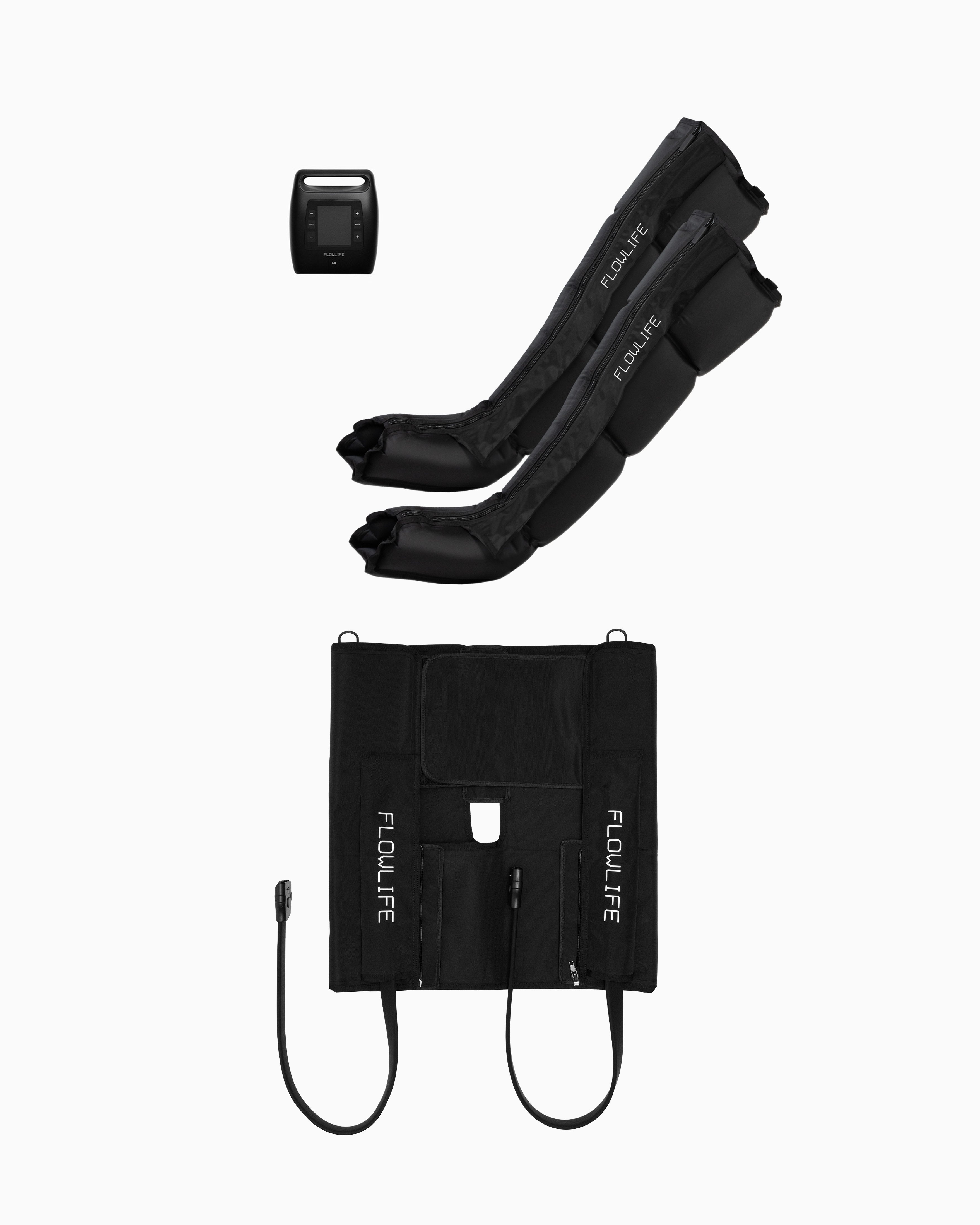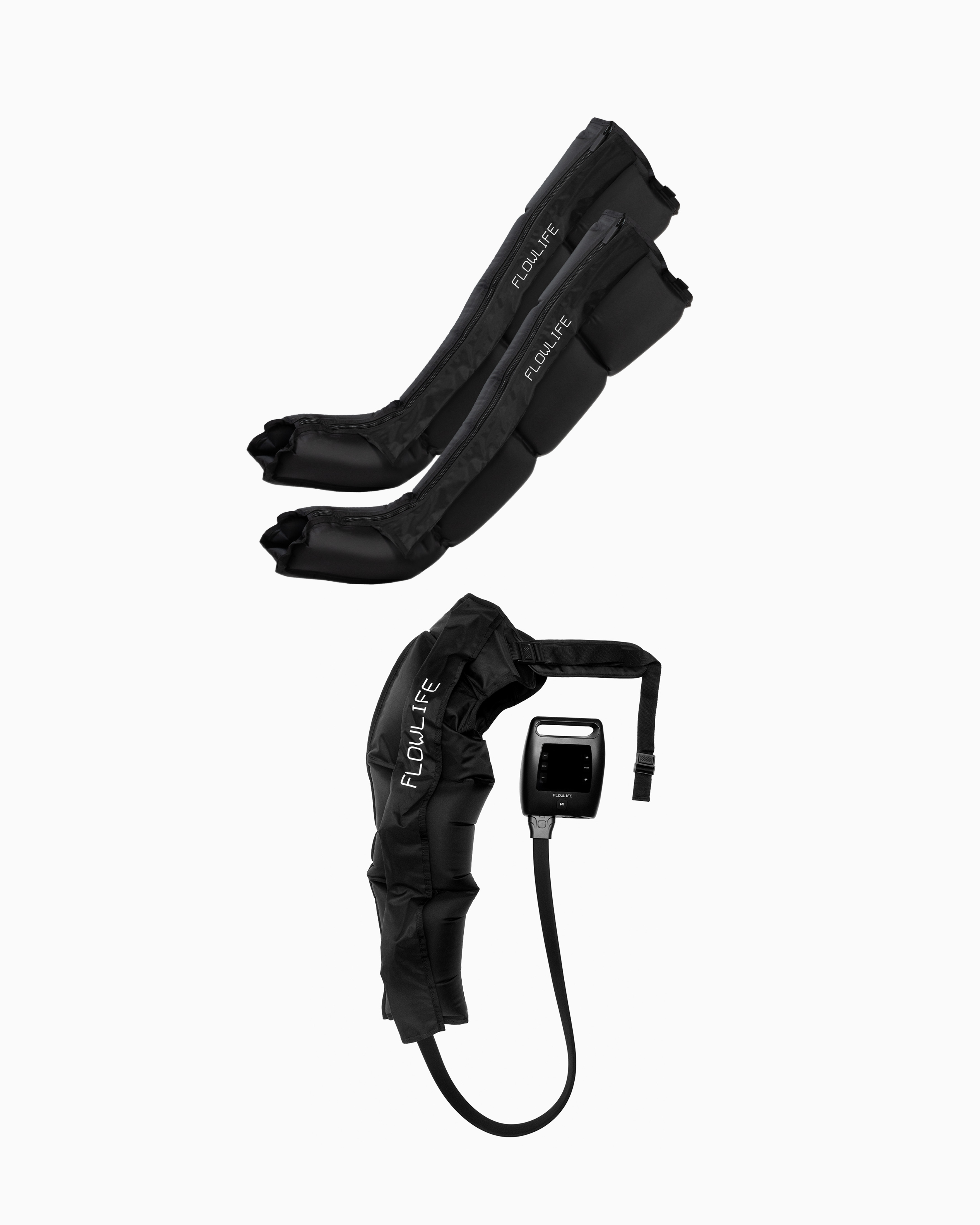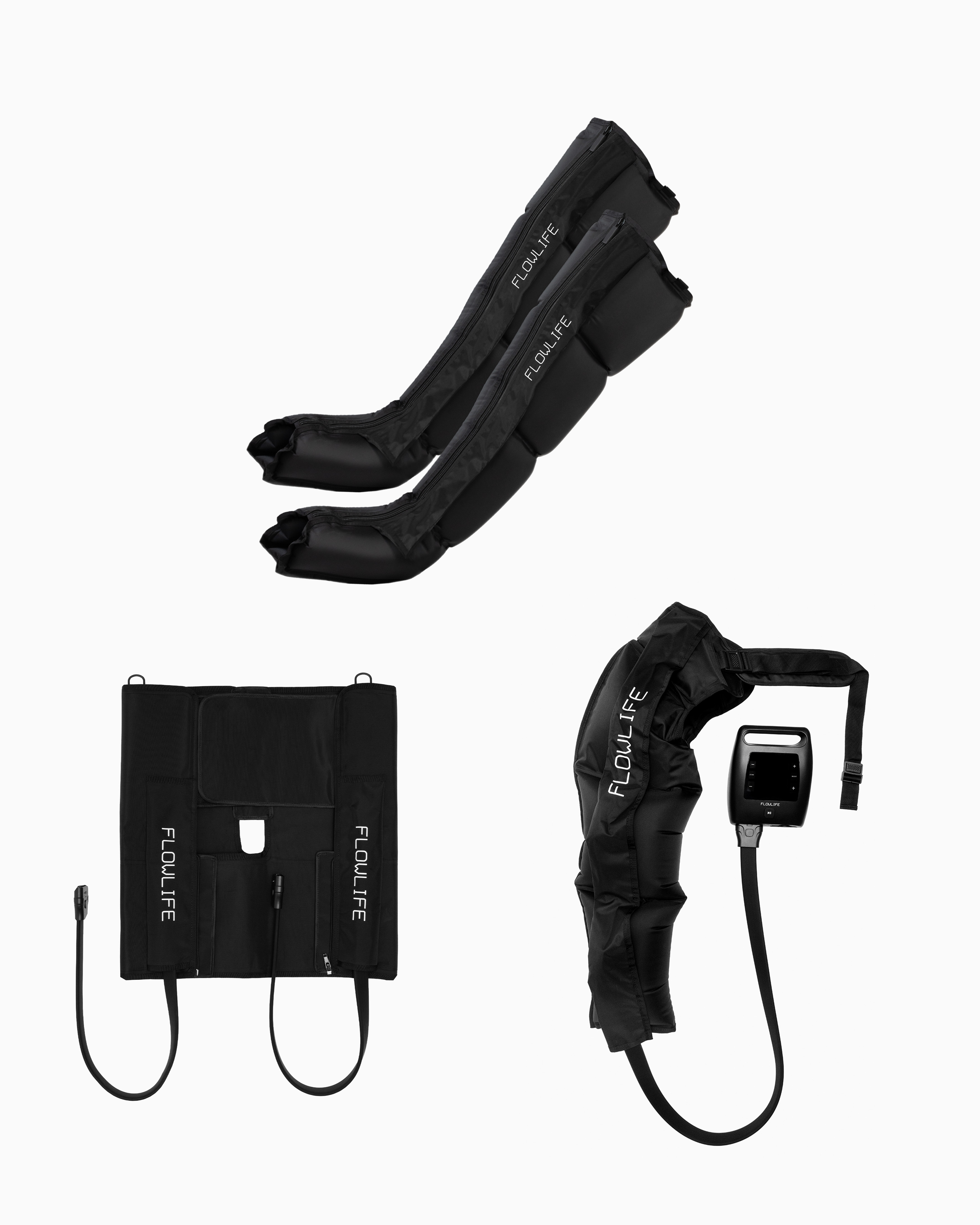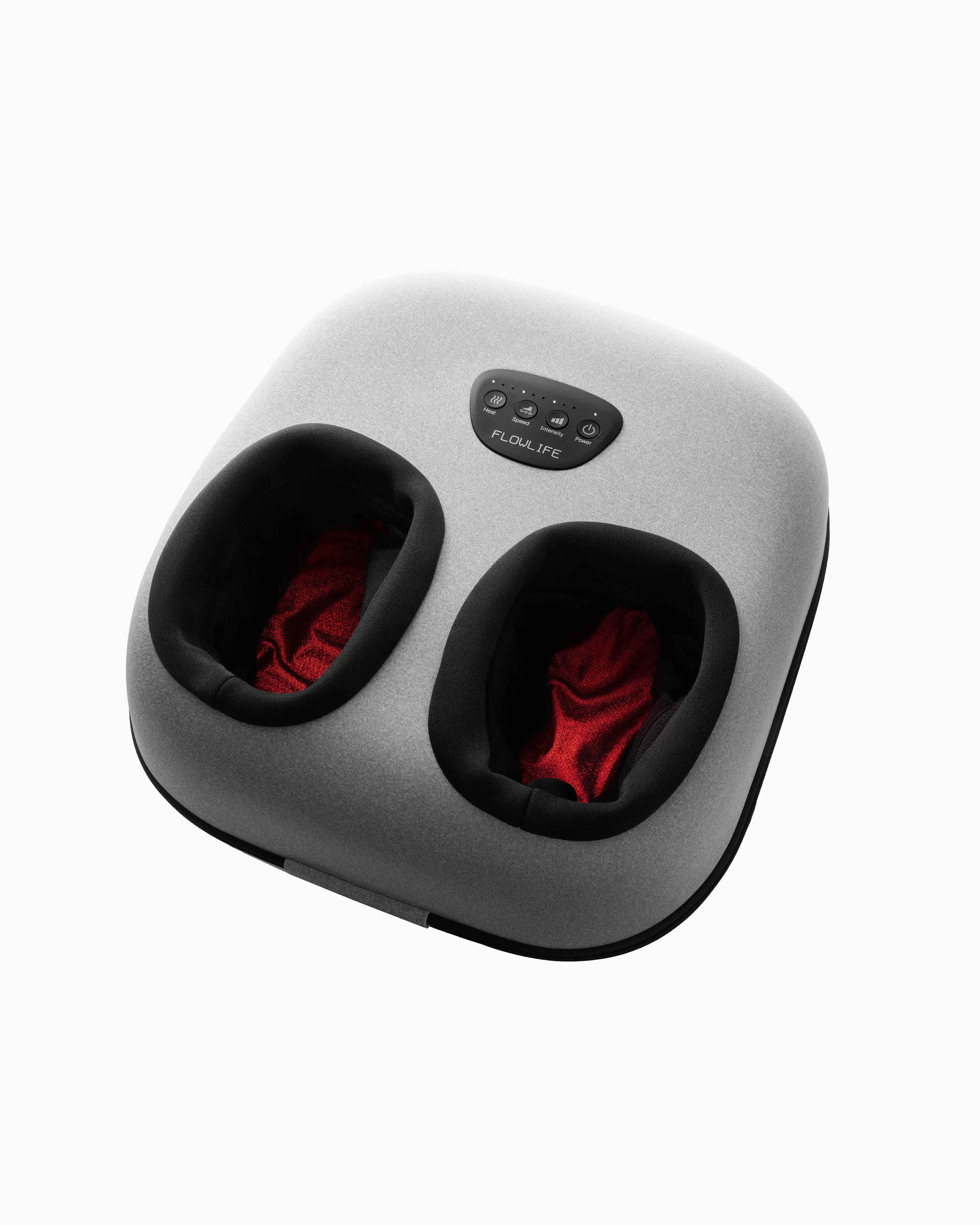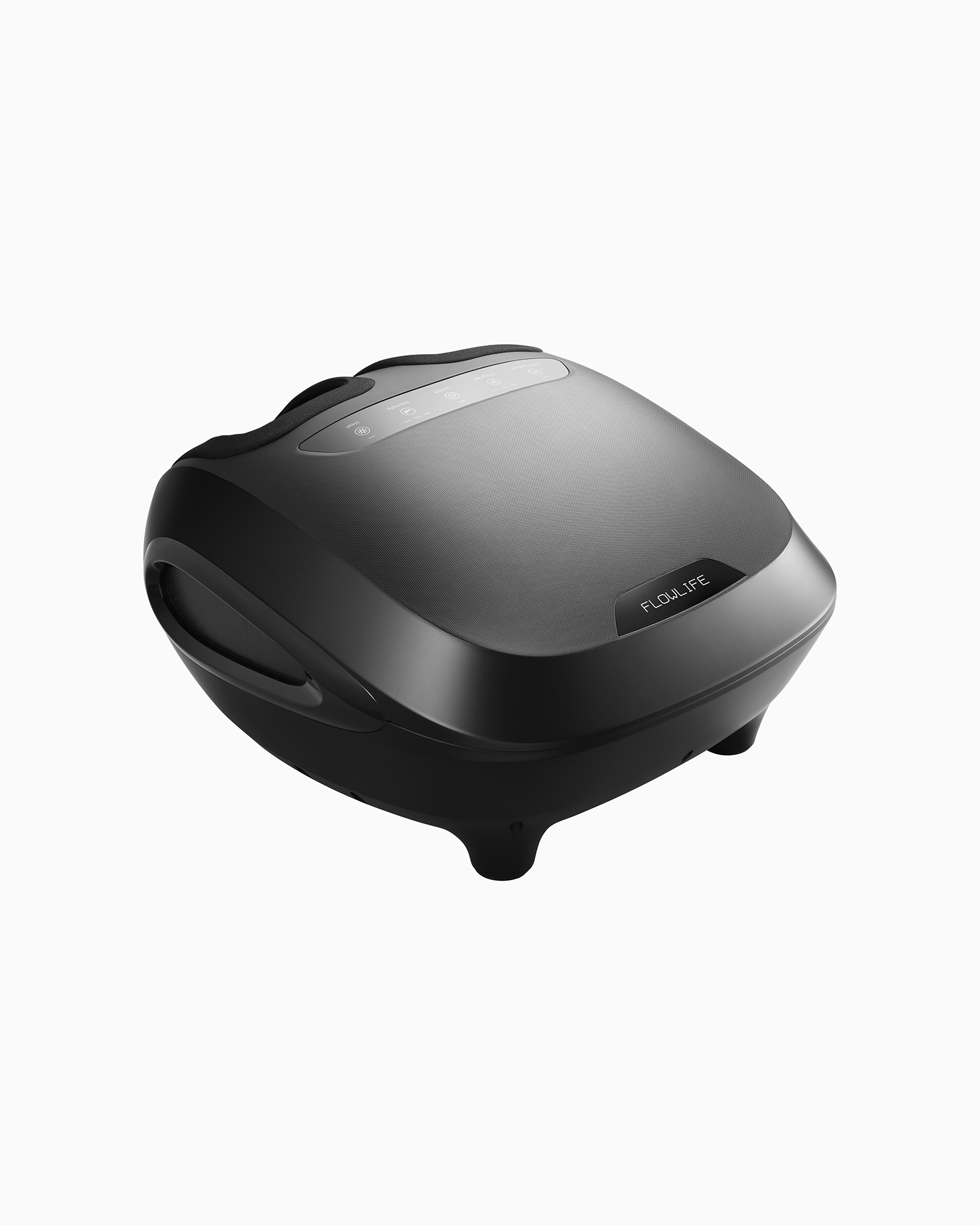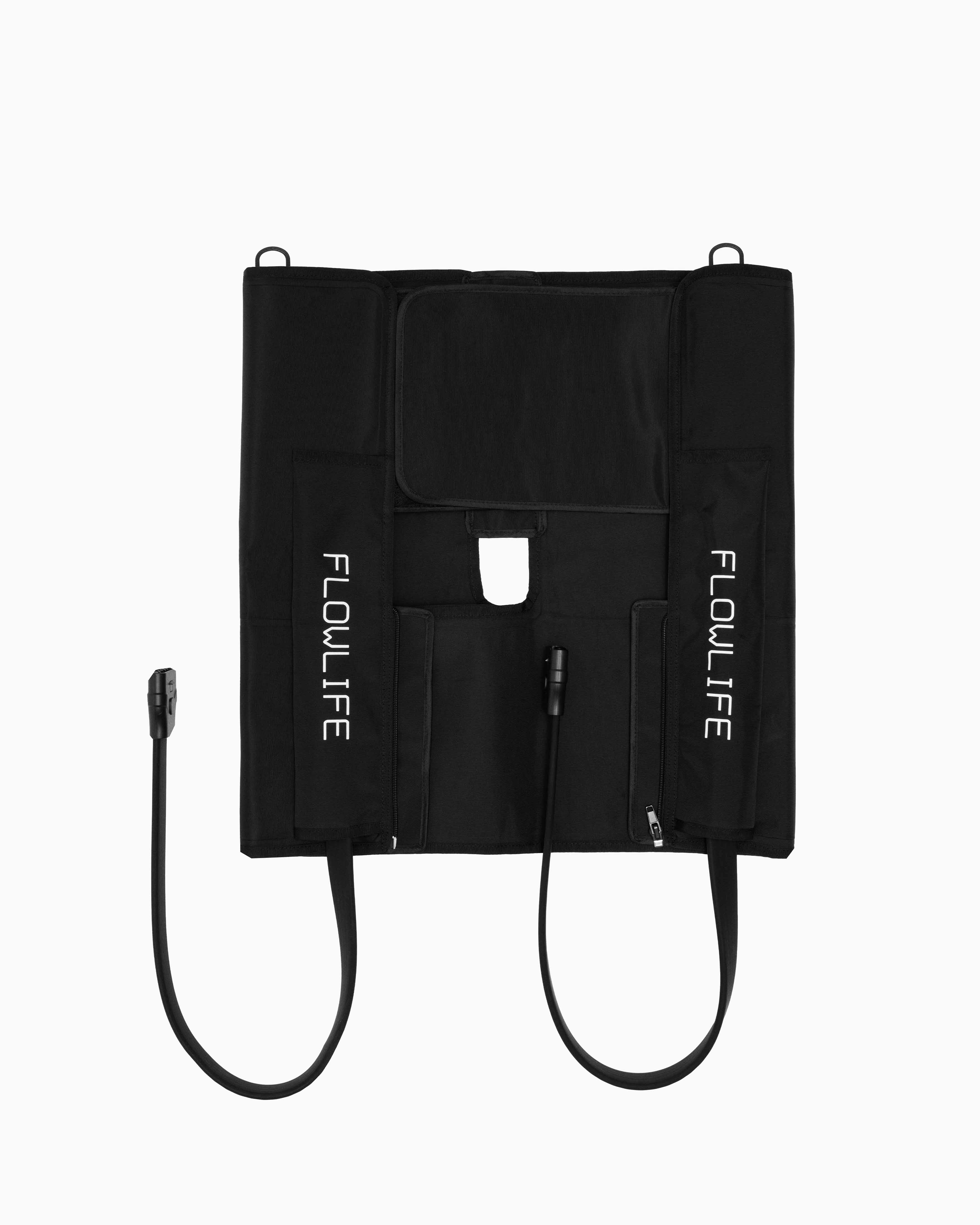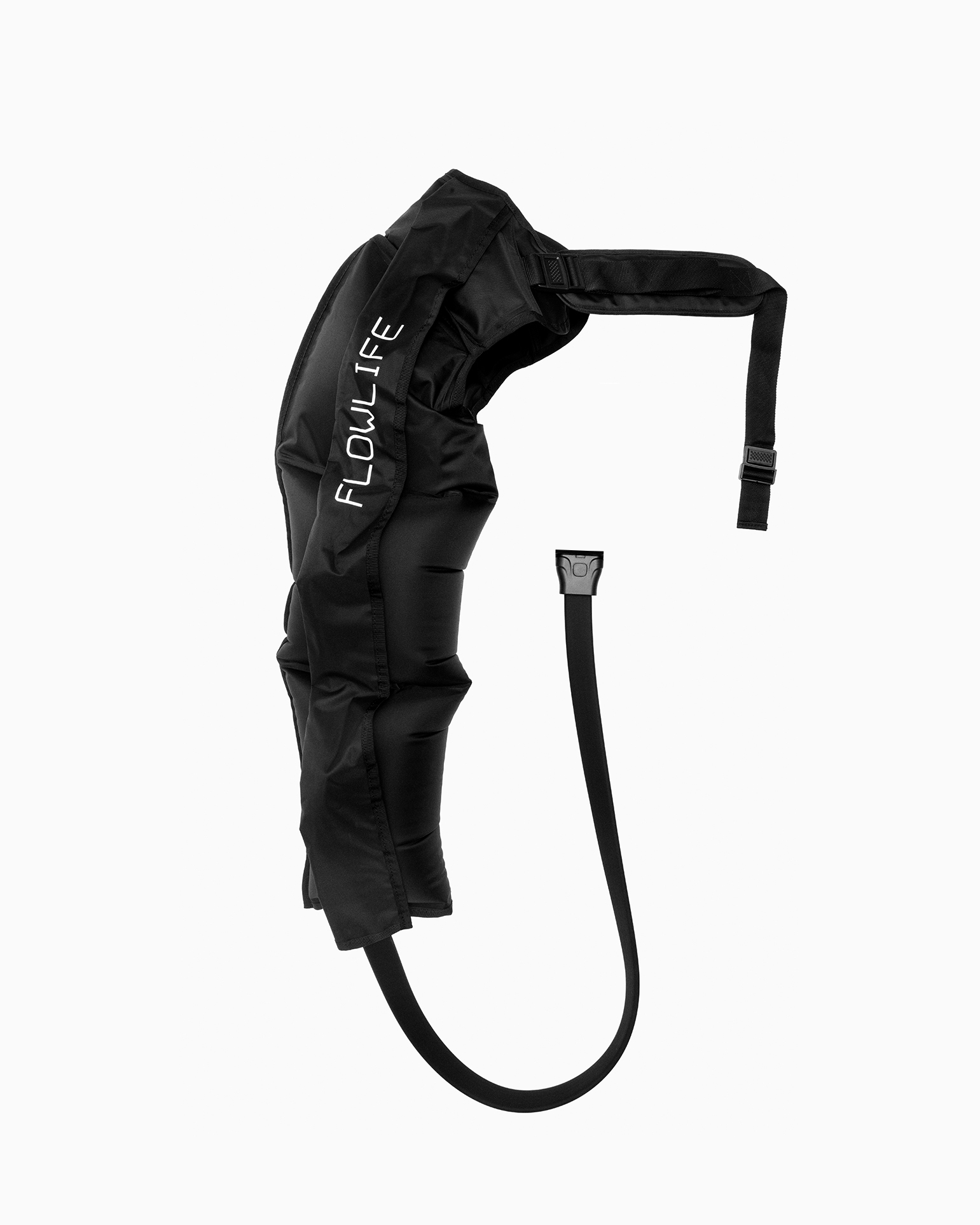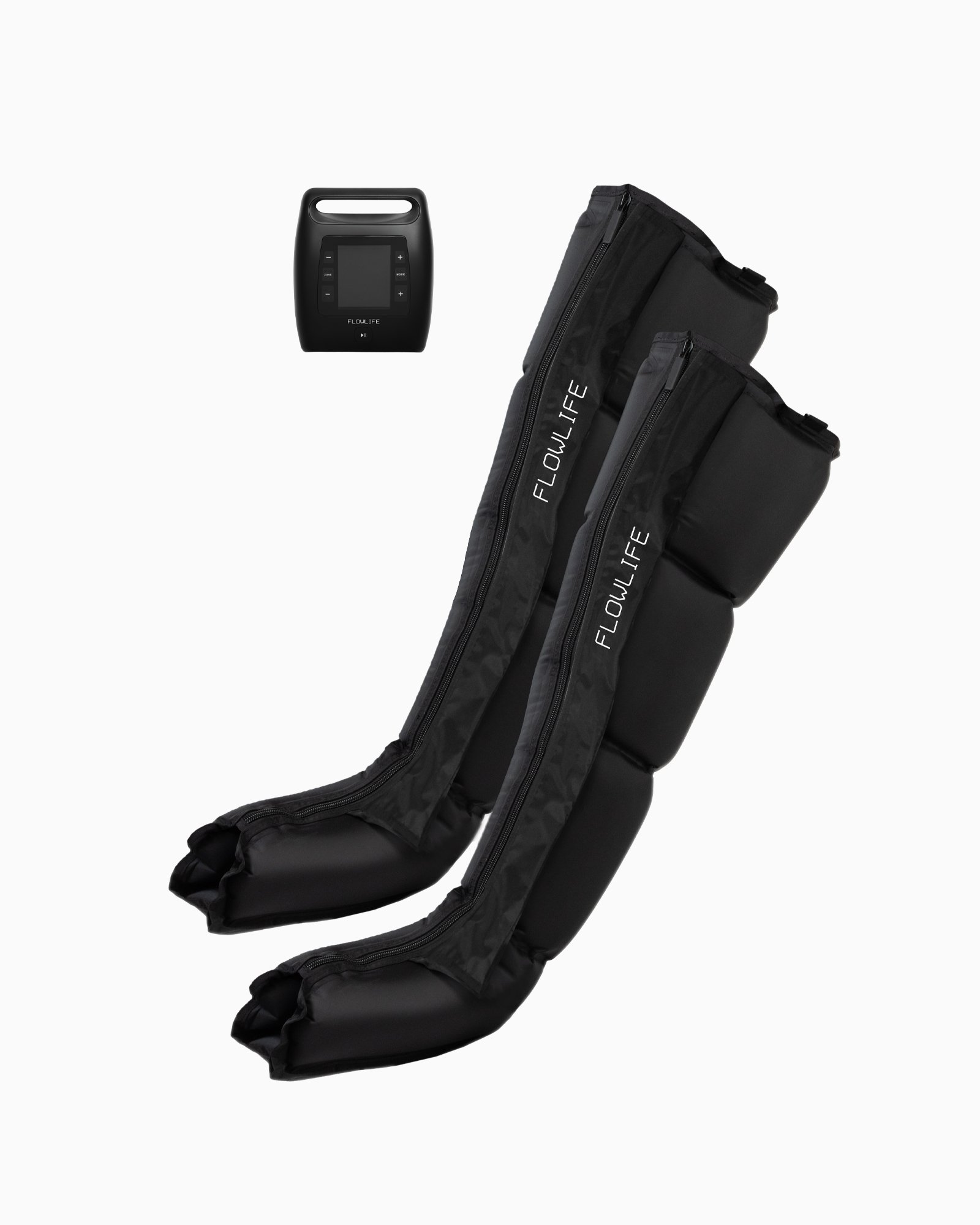
Flowpression Boots Pro+ Medium
Mest solgt
4 599 DKK

Science
Compression therapy uses controlled external pressure to accelerate the body's natural circulatory and lymphatic processes. By enhancing venous return and lymphatic drainage, it clears metabolic waste from fatigued tissue faster than rest alone and reduces the swelling and heaviness that follows intense physical effort. The mechanisms are well documented across sports medicine, rehabilitation, and clinical care.
FAQ
How does compression therapy work?
Does compression therapy reduce muscle soreness?
Can compression therapy reduce swelling and edema?
Does compression therapy improve circulation?
When should compression therapy be used?
Can compression therapy help with injury recovery?
Is compression therapy safe?
How does compression therapy differ from wearing compression garments?
How does compression therapy compare to massage for recovery?
Can compression therapy improve performance?
Compression therapy works by applying controlled external pressure to the limbs, helping the body push blood and lymphatic fluid back toward the core and clearing the metabolic waste that builds up during exercise.
Your muscles normally act as pumps; every contraction squeezes blood back up toward the heart. After intense training, fatigued muscles do this less efficiently, and waste products such as lactic acid begin to accumulate in the tissue. Compression therapy mechanically replicates that pumping action. Pneumatic boots or sleeves inflate in a wave-like sequence from the foot upward, physically moving blood and lymphatic fluid toward the core. This restores circulation, reduces fluid buildup, and accelerates the removal of the factors that make your legs feel heavy and sore after training.
Studies consistently show that pneumatic compression increases blood flow velocity, reduces limb circumference after exercise, and speeds up the clearance of muscle damage markers. Athletes using compression therapy recover muscle function faster and report less soreness than those who use passive rest.
20 to 30 minutes immediately after training produces the strongest circulatory response. Compression therapy is especially effective when legs feel heavy, swollen, or fatigued after high-volume training.

Compression therapy reduces delayed-onset muscle soreness (DOMS) by accelerating the clearance of inflammatory byproducts and reducing swelling that contributes to post-exercise discomfort.
DOMS comes from a combination of small muscle tears, inflammation, and waste product buildup in the tissue around those tears. Compression therapy addresses all three: it enhances lymphatic drainage to clear inflammatory compounds and excess fluid, improves blood flow to deliver fresh oxygen to damaged tissue, and reduces swelling that mechanically compresses nerve endings and amplifies the perception of soreness. Less swelling around the muscle means less pain from the inside out.
Multiple studies show significant reductions in perceived soreness 24 to 48 hours after exercise in athletes who used compression therapy compared to passive recovery. They also show faster restoration of strength and power output.
Apply compression therapy within 1 to 2 hours after training for the strongest effect on DOMS. A 20 to 30-minute session targeting the most heavily loaded muscle groups produces consistent results.
Compression therapy effectively reduces swelling and edema by stimulating the lymphatic system to drain excess fluid from tissues.
Swelling occurs when fluid enters tissue faster than the lymphatic system can drain it, due to injury, surgery, prolonged standing, or intense training. Compression therapy applies graduated pressure that physically moves this stagnant fluid into the lymphatic vessels, which are designed to carry it away. The wave-like movement from foot to hip is particularly effective at shifting fluid out of the lower limbs, where gravity makes it hardest to drain on its own.
Compression therapy is an established clinical treatment for lymphedema, post-surgical swelling, and chronic venous insufficiency, conditions where the lymphatic and venous systems are compromised. Research in both clinical and athletic populations confirms measurable reductions in limb volume following pneumatic compression sessions.
For exercise-related swelling, a single 20 to 30-minute session is typically enough to produce a noticeable reduction. For chronic swelling or post-surgical recovery, daily sessions over several weeks produce cumulative benefit.

Compression therapy directly improves circulation by mechanically increasing the speed of blood flow back toward the heart, improving oxygen delivery to tissue and speeding up the removal of waste.
Blood returning from the legs to the heart relies on a pressure difference; the veins need enough pressure to push blood uphill against gravity. External compression increases the pressure in the treated limb, accelerating blood flow toward the heart. As more blood returns, more oxygenated blood is pumped back into the same tissue. The result is better-oxygenated muscle, faster waste clearance, and reduced blood pooling in the lower limbs.
Doppler ultrasound studies confirm significantly increased venous blood velocity during pneumatic compression compared with rest. Research in post-surgical and athletic populations shows improved tissue oxygenation and reduced blood pooling following compression sessions.
Compression therapy is most effective for circulation in the lower limbs, where venous return is most challenged by gravity. It is useful both immediately after exercise and during prolonged inactivity, travel, desk work, or long periods of standing.

Compression therapy is most effective immediately after training, during long periods of inactivity, and as part of an ongoing recovery routine for athletes who train frequently.
The 30 to 90 minutes after training is when waste product buildup and fluid accumulation are at their highest. Using compression during this window catches the circulatory problem at its peak and produces the greatest benefit. During long periods of sitting or standing, flights, car journeys, and desk work, gravity pulls fluid toward the lower limbs, and it pools. Compression keeps this from building up. For athletes training daily or multiple times per week, regular compression sessions help prevent the cumulative heaviness and fatigue that can build when recovery is incomplete between sessions.
Research protocols consistently apply compression therapy within 1 to 2 hours after exercise to maximize recovery. Studies in travel medicine confirm reduced leg swelling and improved circulation in passengers who use compression during long-haul flights.
Post-training: within 30 to 90 minutes, for 20 to 30 minutes. During travel: for the full duration. As a daily recovery tool, a morning or evening session of 20 to 30 minutes supports circulatory health in active individuals.

Compression therapy supports injury recovery by reducing swelling, improving oxygen delivery to damaged tissue, and accelerating the removal of the inflammatory compounds that slow healing.
When an injury occurs, swelling and inflammation increase pressure on the surrounding tissue, cutting off blood flow and prolonging pain. Compression therapy reduces fluid buildup and restores lymphatic drainage, creating a better environment for tissue repair. Better circulation means more oxygen and nutrients reach the site of injury, and faster removal of the inflammatory byproducts that would otherwise slow the process. During rehabilitation, when the injured area is less active, compression helps maintain healthy circulation that movement would normally provide.
Compression therapy is used clinically in post-surgical rehabilitation, sports injury management, and chronic condition treatment. Research confirms faster recovery times and better functional outcomes in athletes using compression alongside standard rehabilitation protocols.
For acute injury, apply compression therapy after the initial 24 to 48 hours of acute inflammation. For chronic injury and rehabilitation, daily sessions support ongoing tissue repair and swelling management. Always follow medical guidance for serious injuries.

Compression therapy is safe for healthy individuals and widely used in clinical settings. A small number of conditions require caution or medical consultation, including deep vein thrombosis (DVT), peripheral arterial disease, and open wounds.
For most people, the increased blood flow from compression therapy is entirely beneficial. The exceptions are situations where moving blood faster creates risk: DVT, where a clot could be dislodged; peripheral arterial disease, where arteries are already narrowed, and external pressure could reduce flow further; and open wounds, where pressure is inappropriate. Most pneumatic compression devices operate within a pressure range of 20 to 80 mmHg, well within the established safe limits for healthy adults, and consistent with clinical guidelines.
Compression therapy has a strong safety record in both athletic and clinical settings. It is used routinely in hospital settings to prevent DVT in post-surgical patients, which reflects how established and safe it is at appropriate pressure levels.
Consult a physician before starting if you have a history of DVT, peripheral arterial disease, heart failure, or skin conditions in the treatment area. For healthy individuals, follow device guidelines for pressure settings and session duration.
Explore

Compression garments apply constant, static pressure. Pneumatic compression devices apply dynamic, sequential pressure that actively pumps fluid through the limb. The two produce different results.
A compression sock or sleeve exerts steady pressure on the limb, supporting blood vessel walls and reducing pooling during activity. It doesn't actively move anything; it just holds things in place. A pneumatic compression device inflates and deflates in sequence from foot to hip, creating a wave that physically drives blood and lymphatic fluid toward the core. That active pumping produces a much stronger increase in blood flow and lymphatic drainage than a static garment can achieve.
Research comparing compression garments with pneumatic devices consistently shows greater reductions in limb circumference and faster clearance of muscle damage markers with the devices. Garments are effective for maintaining circulation during activity and travel. Devices are more effective for dedicated recovery sessions.
Compression garments are practical for training, competition, and travel. Pneumatic compression devices are the right tool when the goal is maximum recovery between sessions.

Compression therapy and massage both support recovery, but they work on different things. Compression targets the circulatory and lymphatic systems. Massage works directly on muscle tissue and the nervous system.
Massage applies physical force to muscle, breaking up tension, stimulating nerve receptors, and activating the part of the nervous system that promotes rest and recovery. It's effective for releasing tight spots and improving local tissue mobility. Compression therapy doesn't manipulate the muscle directly; it improves the circulation around the muscle, clearing waste products and reducing swelling so the tissue can repair more efficiently. Massage effects are immediate and localized. Compression effects are more systemic and build over time.
Studies comparing massage and compression therapy show that both reduce perceived soreness, but through different mechanisms. Research suggests combining the two produces better recovery outcomes than either alone.
Compression therapy right after exercise clears metabolic waste while muscles are still warm. Massage is most effective for addressing specific tension and tightness in the hours or days following training. The two work well together.

Compression therapy improves performance indirectly by accelerating recovery between training sessions, reducing residual fatigue, and maintaining an efficient circulatory system to sustain high training loads over time.
Performance gains come from consistent, high-quality training. But if your legs are still heavy and your circulation is still compromised from the previous session, the quality of the next one suffers. Compression therapy shortens the time between sessions by clearing waste products, reducing swelling, and restoring normal blood flow faster than rest alone. Over a training cycle, this adds up; you can train harder, more often, and carry less accumulated fatigue. Better-oxygenated muscles during training also respond more efficiently to the session's stimulus.
Research shows that athletes using compression therapy between sessions maintain higher training quality and report lower perceived exertion. Studies in team sport athletes show improved repeat-sprint performance and reduced fatigue markers following compression recovery protocols.
Compression therapy benefits performance most in athletes with high training frequency, multi-day competition schedules, or back-to-back training sessions. A consistent post-session protocol of 20 to 30 minutes produces cumulative performance benefits over a training cycle.

FAQ
Explore